Introduction
On March 25, 2026, Yangjiang, Guangdong, held a knife and scissor standards seminar, officially launching the formulation of group standards for "Pocket Knives" and "Kitchen Knives" while simultaneously promoting revisions to the national standard "Classification and Safety Requirements for Daily Use Knives." This initiative directly addresses compliance pain points for exported products in markets such as the US (CPSC), EU (EN 13873), and Australia (AS/NZS 4023). It will impact key customs clearance factors for knife products, including material identification, blade strength testing, child-proof design, and packaging warning labels. The move provides clear technical guidance for Chinese manufacturers of knife-related machinery, consumables (e.g., blades, molds), and cutting tool testing equipment suppliers. Industries directly involved in knife production, export, and supply chains should pay close attention to these developments, as they will influence product design, testing, and compliance processes.

Event Overview
The Yangjiang knife and scissor standards seminar, held on March 25, 2026, marked the official start of the formulation process for two group standards: "Pocket Knives" and "Kitchen Knives." Concurrently, revisions to the national standard "Classification and Safety Requirements for Daily Use Knives" were initiated. These standards aim to address specific compliance challenges faced by Chinese knife exporters in key international markets, particularly regarding material labeling, blade durability testing, child safety features, and packaging warnings. The initiative provides technical specifications for manufacturers and suppliers in the knife and scissor industry, particularly those involved in export-oriented production.
Impact on Specific Sub-sectors
Direct Export Enterprises
Companies engaged in the direct export of knives and scissors to markets like the US, EU, and Australia will need to adapt their products to meet the new standards. This includes updating material identification, enhancing blade strength testing protocols, and incorporating child safety features. Failure to comply could result in customs clearance delays or rejections.
Raw Material Suppliers
Suppliers of materials used in knife production, such as steel alloys, will need to ensure their products meet the new standards' specifications. This may involve adjustments in material composition or additional testing to verify compliance.
Manufacturing and Processing Enterprises
Manufacturers will need to revise their production processes to align with the new standards. This could involve changes in blade design, testing procedures, and packaging requirements. The focus will be on meeting the enhanced safety and compliance criteria outlined in the standards.
Supply Chain and Logistics Providers
Logistics and supply chain providers must stay informed about the new requirements to ensure smooth customs clearance. This includes understanding labeling and packaging specifications to avoid delays or penalties.
Key Focus Areas and Recommended Actions
Monitor Official Updates and Policy Changes
Businesses should closely follow announcements from relevant authorities to stay updated on the final versions of the standards and any additional requirements.
Review Product Designs and Testing Protocols
Companies should assess their current products against the new standards and make necessary adjustments, particularly in areas like material identification, blade strength, and child safety features.
Engage with Testing and Certification Bodies
Early engagement with testing and certification bodies can help ensure compliance and avoid last-minute hurdles. This is especially important for exporters targeting the US, EU, and Australian markets.
Update Packaging and Labeling
Packaging and labeling must be reviewed to meet the new standards' requirements, including warning labels and safety instructions. This is critical for customs clearance and market acceptance.
Editorial Perspective / Industry Observation
From an industry perspective, this initiative signals a proactive approach by Chinese authorities to address compliance challenges in key export markets. While the standards are still in the formulation stage, their impact is expected to be significant, particularly for exporters. Businesses should view this as an opportunity to enhance product quality and compliance, rather than merely a regulatory hurdle. The focus on child safety and material transparency aligns with global trends, making compliance a competitive advantage.
Conclusion
The Yangjiang-led initiative to formulate new group standards and revise national standards for knives and scissors represents a significant step toward enhancing the compliance and competitiveness of Chinese exports in key international markets. Businesses involved in the production, supply, and export of these products should take proactive steps to understand and adapt to the new requirements. By doing so, they can ensure smoother customs clearance, avoid penalties, and maintain their market position.
Source Information
Primary Source: Yangjiang Knife and Scissor Standards Seminar, March 25, 2026. Additional details to be confirmed as the standards development progresses.
Get weekly intelligence in your inbox.
No noise. No sponsored content. Pure intelligence.
 Mar 28, 2026China's Solar Power Capacity Grows 33.2% YoY in Early 2026, Strengthening Global Supply Chain StabilityChina's Solar Power Capacity Grows 33.2% YoY in Early 2026, Strengthening Global Supply Chain Stability
 Mar 28, 2026Mexico's Tariff Hike on Chinese New Energy Products Deemed Trade Barrier: Industry Impacts and Compliance StrategiesMexico's Tariff Hike on Chinese New Energy Products Deemed Trade Barrier: Industry Impacts and Compliance Strategies
 Mar 28, 2026Xinjiang Holds Symposium on Photovoltaic IP Protection: Focus on Patent Layout and Infringement Risks for EU and Southeast Asia ExportsXinjiang Holds Symposium on Photovoltaic IP Protection: Focus on Patent Layout and Infringement Risks for EU and Southeast Asia Exports
 Mar 28, 2026Three Ministries Launch Hydrogen Energy Pilot: City Clusters Compete for Green Tech Leadership, Opening New Export Opportunities for Chinese Electrolyzers and Storage EquipmentThree Ministries Launch Hydrogen Energy Pilot: City Clusters Compete for Green Tech Leadership, Opening New Export Opportunities for Chinese Electrolyzers and Storage Equipment
 Mar 28, 2026EU's New CE Certification Rules for AEDs: Impact on Chinese OEM/ODM Manufacturers and Industry ResponseEU's New CE Certification Rules for AEDs: Impact on Chinese OEM/ODM Manufacturers and Industry Response
 Mar 28, 2026FDA Updates Labeling Guidelines for OTC Cardiovascular Supplements: What It Means for the IndustryFDA Updates Labeling Guidelines for OTC Cardiovascular Supplements: What It Means for the Industry
 Mar 28, 2026Yangjiang Leads the Formulation of "Kitchen Knives" and "Pocket Knives" Group Standards, Simultaneously Promoting National Standard Revisions – Compliance Threshold for Chinese Knife and Scissor Exports Upgraded, Affecting Customs Clearance and Labeling Requirements in Markets Like the US, EU, and AustraliaYangjiang Leads the Formulation of "Kitchen Knives" and "Pocket Knives" Group Standards, Simultaneously Promoting National Standard Revisions – Compliance Threshold for Chinese Knife and Scissor Exports Upgraded, Affecting Customs Clearance and Labeling Requirements in Markets Like the US, EU, and Australia
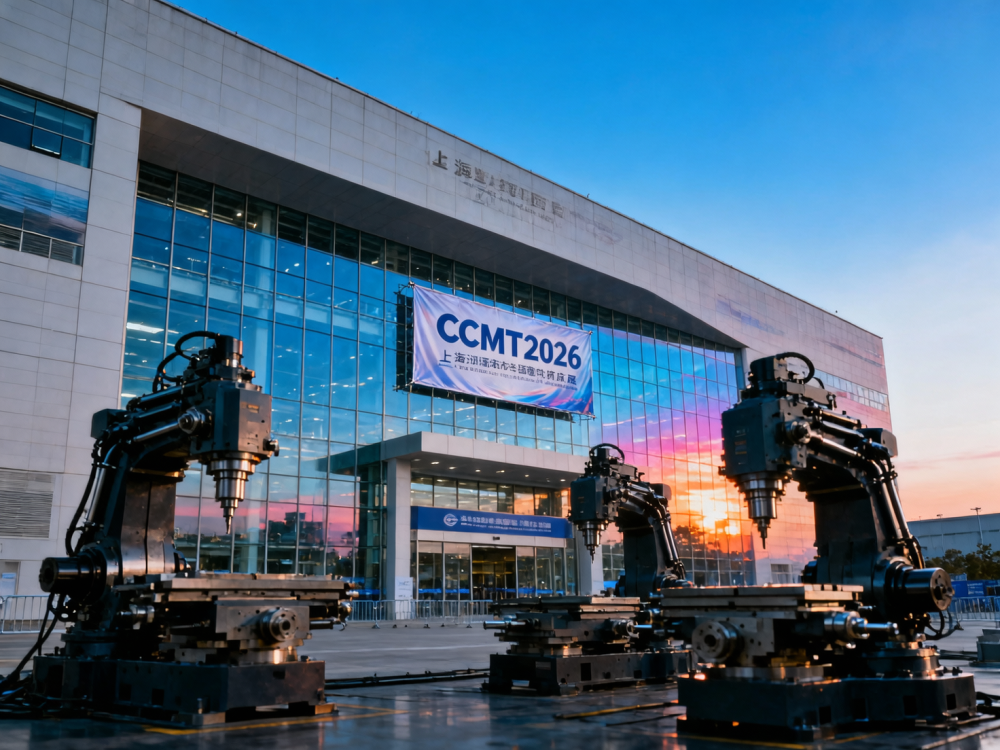
 Mar 28, 2026CCMT2026 to Open in Shanghai on April 21: Asia's Largest Machine Tool Exhibition to Utilize 17 Halls, with Over 30% Overseas ExhibitorsCCMT2026 to Open in Shanghai on April 21: Asia's Largest Machine Tool Exhibition to Utilize 17 Halls, with Over 30% Overseas Exhibitors
 Mar 28, 2026China's Solar Power Capacity Jumps 33.2% YoY by Feb 2026, Strengthening Global Supply StabilityChina's Solar Power Capacity Jumps 33.2% YoY by Feb 2026, Strengthening Global Supply Stability
 Mar 28, 2026Mexico's Tariff Hike on Chinese New Energy Products Deemed Trade Barrier: Industry Impacts and Compliance StrategiesMexico's Tariff Hike on Chinese New Energy Products Deemed Trade Barrier: Industry Impacts and Compliance Strategies
 Mar 28, 20262026’s wave of integrated healthcare IT solutions is quietly sidelining legacy biometric hardware—not because it’s outdated, but because it can’t handle encrypted session handoffs2026’s wave of integrated healthcare IT solutions is quietly sidelining legacy biometric hardware—not because it’s outdated, but because it can’t handle encrypted session handoffs
 Mar 28, 2026Biometric access control for hospitals works reliably on clean skin—but fails unpredictably after hand sanitizer or glove useBiometric access control for hospitals works reliably on clean skin—but fails unpredictably after hand sanitizer or glove use
 Mar 28, 2026Electronic health records software built for scalability often sacrifices audit trail granularity during multi-site rolloutsElectronic health records software built for scalability often sacrifices audit trail granularity during multi-site rollouts
 Mar 28, 2026Medical billing software that syncs with EHRs still creates claim denials when modifier logic doesn’t match payer-specific rulesMedical billing software that syncs with EHRs still creates claim denials when modifier logic doesn’t match payer-specific rules
 Mar 28, 2026AED defibrillators with real-time CPR feedback show inconsistent compression depth accuracy across body mass rangesAED defibrillators with real-time CPR feedback show inconsistent compression depth accuracy across body mass ranges
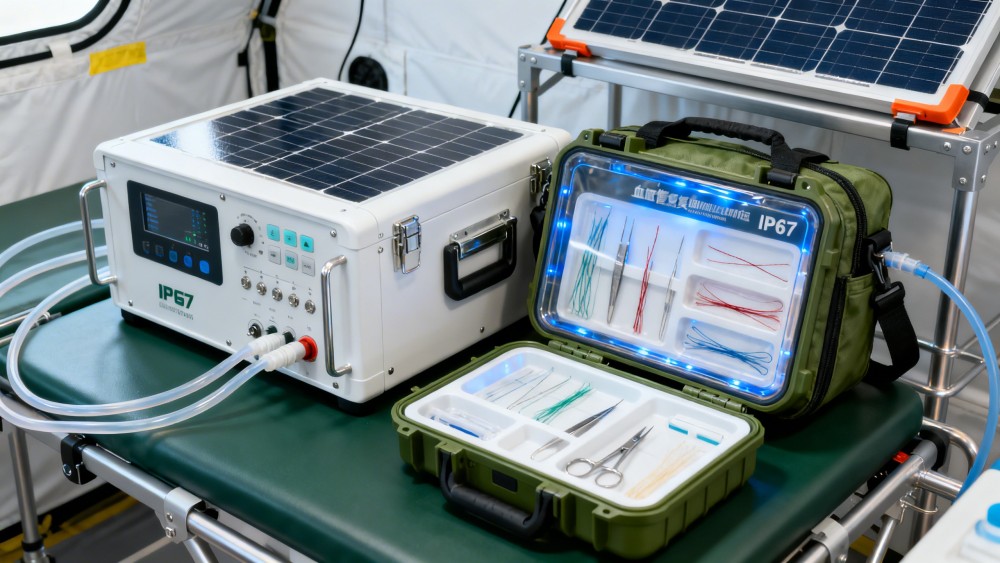
 Mar 28, 2026Emergency medical kits labeled ‘trauma-ready’ rarely include the right suture configurations for field vascular repairEmergency medical kits labeled ‘trauma-ready’ rarely include the right suture configurations for field vascular repair
 Mar 28, 2026Ambulance equipment layouts designed for speed end up slowing down critical interventions—here’s where the bottlenecks hideAmbulance equipment layouts designed for speed end up slowing down critical interventions—here’s where the bottlenecks hide
 Mar 28, 2026Vet ultrasound systems with AI overlays often delay diagnosis when probe pressure isn’t calibrated to tissue densityVet ultrasound systems with AI overlays often delay diagnosis when probe pressure isn’t calibrated to tissue density
 Mar 28, 2026Veterinary hematology analyzers that pass ISO 15189 don’t always deliver consistent CBCs in high-volume clinicsVeterinary hematology analyzers that pass ISO 15189 don’t always deliver consistent CBCs in high-volume clinics
 Mar 28, 2026Why pet grooming tables still tip under wet dogs—and what structural changes actually fix itWhy pet grooming tables still tip under wet dogs—and what structural changes actually fix it
 Mar 28, 2026Smart home devices using NFC stickers often bypass firmware update safeguardsSmart home devices using NFC stickers often bypass firmware update safeguards
 Mar 28, 2026Solar power forecasting errors widen during 2026 monsoon shifts—here’s what changedSolar power forecasting errors widen during 2026 monsoon shifts—here’s what changed
 Mar 28, 2026ERP software built for legacy manufacturing struggles with distributed solar + storage workflowsERP software built for legacy manufacturing struggles with distributed solar + storage workflows
 Mar 28, 2026Digital footprint from solar power monitoring tools is growing faster than security protocolsDigital footprint from solar power monitoring tools is growing faster than security protocols
 Mar 28, 2026TWS earbuds with solar charging: niche novelty or early signal of energy-aware wearables?TWS earbuds with solar charging: niche novelty or early signal of energy-aware wearables?
 Mar 28, 2026Wind farm output variability is now outpacing grid flexibility upgradesWind farm output variability is now outpacing grid flexibility upgrades
 Mar 28, 2026Lifepo4 battery cycle life drops sharply below 10°C—what field data revealsLifepo4 battery cycle life drops sharply below 10°C—what field data reveals