China Launches Hydrogen Pilot with $160M Incentives, Boosting Equipment Exports
On March 20, 2026, China's Ministry of Industry and Information Technology (MIIT) and two other government bodies jointly initiated a hydrogen energy comprehensive application pilot program. The initiative targets city clusters in Beijing-Tianjin-Hebei, Yangtze River Delta, and Pearl River Delta, focusing on green hydrogen production, transportation, refueling, and fuel cell heavy-duty truck operations. With incentives up to 1.6 billion yuan, this policy accelerates domestic hydrogen equipment standardization and creates export opportunities to hydrogen infrastructure pioneers like the UAE, Chile, and Germany.
Event Overview
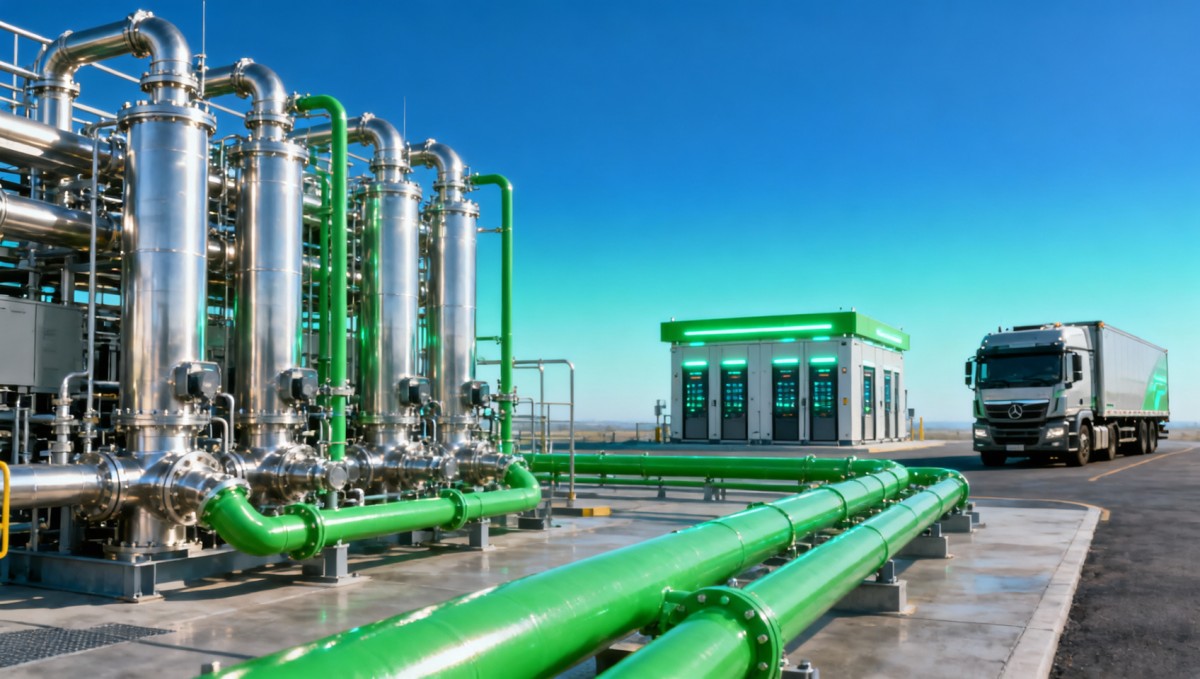
The pilot program prioritizes four key areas: (1) green hydrogen production via electrolysis, (2) hydrogen transportation infrastructure, (3) high-pressure refueling stations (70MPa), and (4) fuel cell truck fleets. Approved projects will receive financial support for equipment procurement and operational subsidies. The policy explicitly encourages technology standardization to align with international markets.
Impact on Key Industries
Hydrogen Equipment Manufacturers
Electrolyzer producers and component suppliers for refueling stations (valves, compressors, 70MPa dispensers) will see immediate demand growth. The policy mandates ISO-compliant certifications, pushing manufacturers to upgrade production lines for export readiness.
Hydrogen Logistics Operators
Transportation companies specializing in cryogenic tankers or pipeline networks gain priority access to pilot zones. The standardization of protocols will reduce cross-regional operational barriers.
Export-Oriented Enterprises
Companies with existing partnerships in target markets (UAE, Germany, Chile) can leverage China's enhanced certification standards to bid for international tenders, particularly in modular refueling station components.
Actionable Insights for Businesses
Monitor Certification Updates
Track upcoming revisions to GB/T standards for electrolyzers and storage systems, expected to align with EU and ISO benchmarks by Q3 2026.
Prioritize Modular Solutions
International buyers increasingly favor containerized hydrogen production/refueling units. Adapt product designs for plug-and-play deployment.
Engage in Pilot Consortia
Joint applications with infrastructure operators and vehicle manufacturers improve approval chances while building supply chain visibility.
Industry Perspective
Analysis suggests this policy serves dual purposes: accelerating domestic hydrogen adoption while positioning China as a cost-competitive equipment exporter. The 70MPa refueling component push indicates strategic focus on heavy transport markets. However, actual export volumes will depend on how quickly Chinese certifications gain international recognition.
Conclusion
This pilot program marks a transitional phase where China's hydrogen industry shifts from policy-driven domestic growth to technology-driven global competition. Businesses should interpret it as both a market expansion signal and a quality upgrade mandate.
Sources
1. MIIT Official Announcement (March 20, 2026)
2. China Hydrogen Alliance Technical Roadmap
*Export market data pending customs statistics updates
Get weekly intelligence in your inbox.
No noise. No sponsored content. Pure intelligence.
 Apr 10, 2026China's New Guidelines Boost Solar Panel Recycling and ExportChina's New Guidelines Boost Solar Panel Recycling and Export
 Apr 10, 2026Yunnan Q1 Green Power Trading Hits 602M kWh, Boosts Localized Green Manufacturing CertificationYunnan Q1 Green Power Trading Hits 602M kWh, Boosts Localized Green Manufacturing Certification
 Apr 10, 2026Beijing Launches 2026 Carbon Allowance Pre-Allocation for Steel, Cement, and Aluminum SectorsBeijing Launches 2026 Carbon Allowance Pre-Allocation for Steel, Cement, and Aluminum Sectors
 Apr 10, 2026China Releases Updated National Greenhouse Gas Emission Factors DatabaseChina Releases Updated National Greenhouse Gas Emission Factors Database
 Apr 10, 2026Shandong's 22 New Energy Policies Raise Technical Barriers for China's Wind Power ExportsShandong's 22 New Energy Policies Raise Technical Barriers for China's Wind Power Exports
 Apr 10, 2026Gansu Launches 'New Energy+' Initiative, Boosting Exports of Solar Mounts and Storage ContainersGansu Launches 'New Energy+' Initiative, Boosting Exports of Solar Mounts and Storage Containers
 Apr 10, 2026China Launches Hydrogen Pilot with $160M Incentives, Boosting Equipment ExportsChina Launches Hydrogen Pilot with $160M Incentives, Boosting Equipment Exports
 Apr 10, 2026China's Rural Wind-Solar Push Sparks Export Demand for Distributed Energy EquipmentChina's Rural Wind-Solar Push Sparks Export Demand for Distributed Energy Equipment
 Apr 10, 2026Zhejiang Gas Power Market Entry: Impacts on China's Turbine Exports & ServicesZhejiang Gas Power Market Entry: Impacts on China's Turbine Exports & Services
 Apr 10, 2026US Expands Export Controls on CNC Systems and High-Precision Castings to ChinaUS Expands Export Controls on CNC Systems and High-Precision Castings to China
 Apr 09, 2026China's 11th Bulk Drug Procurement Covers 55 Chronic Disease MedicinesChina's 11th Bulk Drug Procurement Covers 55 Chronic Disease Medicines
 Apr 09, 2026Hashimoto's Thyroiditis Trend Boosts China's Thyroid Self-Test and Chronic Disease Management ExportsHashimoto's Thyroiditis Trend Boosts China's Thyroid Self-Test and Chronic Disease Management Exports
 Apr 09, 2026Dupilumab Approved in China as First Long-Acting Nasal Polyp Therapy, Impacting Global Prescription Drug ProcurementDupilumab Approved in China as First Long-Acting Nasal Polyp Therapy, Impacting Global Prescription Drug Procurement
 Apr 09, 2026Brazil Proposes Anti-Dumping Duties on Chinese Hydraulic Press ImportsBrazil Proposes Anti-Dumping Duties on Chinese Hydraulic Press Imports
 Apr 09, 2026Japan's New JIS B 6336-2026 Grinding Machine Accuracy Standard Impacts Chinese ManufacturersJapan's New JIS B 6336-2026 Grinding Machine Accuracy Standard Impacts Chinese Manufacturers
 Apr 09, 2026Middle East Construction Boom Drives Surge in Heavy Steel Casting Orders, China's Botou Cluster Extends Delivery to 14 WeeksMiddle East Construction Boom Drives Surge in Heavy Steel Casting Orders, China's Botou Cluster Extends Delivery to 14 Weeks
 Apr 09, 2026Hannover Messe Focuses on China-EU Smart Factory StandardsHannover Messe Focuses on China-EU Smart Factory Standards
 Apr 09, 2026China Customs Launches Smart Clearance Channel for Machinery ExportsChina Customs Launches Smart Clearance Channel for Machinery Exports
 Apr 09, 2026US Expands Export Controls on CNC Systems and High-Precision Castings from ChinaUS Expands Export Controls on CNC Systems and High-Precision Castings from China
 2026/789 Takes Effect: Impact on China's Machine Tool Exports") Apr 09, 2026EU's New Machinery Regulation (EU) 2026/789 Takes Effect: Impact on China's Machine Tool ExportsEU's New Machinery Regulation (EU) 2026/789 Takes Effect: Impact on China's Machine Tool Exports
Apr 09, 2026EU's New Machinery Regulation (EU) 2026/789 Takes Effect: Impact on China's Machine Tool ExportsEU's New Machinery Regulation (EU) 2026/789 Takes Effect: Impact on China's Machine Tool Exports Apr 08, 2026Surgical microscopes with AI-assisted focus drift detection—how reliable are they outside controlled OR environments?Surgical microscopes with AI-assisted focus drift detection—how reliable are they outside controlled OR environments?
 Apr 08, 2026Warehouse management systems claiming ‘plug-and-play’ IoT integration usually require custom firmware updatesWarehouse management systems claiming ‘plug-and-play’ IoT integration usually require custom firmware updates
 Apr 08, 2026Ophthalmic equipment procurement teams keep overlooking sterilization compatibility in surgical microscope specsOphthalmic equipment procurement teams keep overlooking sterilization compatibility in surgical microscope specs
 Apr 08, 2026Transportation management systems with embedded AI scoring—do they improve carrier compliance or just add noise?Transportation management systems with embedded AI scoring—do they improve carrier compliance or just add noise?
 Apr 08, 2026WMS software vendors rarely disclose how much warehouse labor time their automation features really saveWMS software vendors rarely disclose how much warehouse labor time their automation features really save
 Apr 08, 2026TMS software built for multi-modal haulage still struggles with rail carrier schedulingTMS software built for multi-modal haulage still struggles with rail carrier scheduling
 Apr 08, 2026Freight forwarding software that integrates with customs APIs—what’s actually supported in 2026?Freight forwarding software that integrates with customs APIs—what’s actually supported in 2026?