Zhejiang Gas Power Market Entry: Impacts on China's Turbine Exports & Services
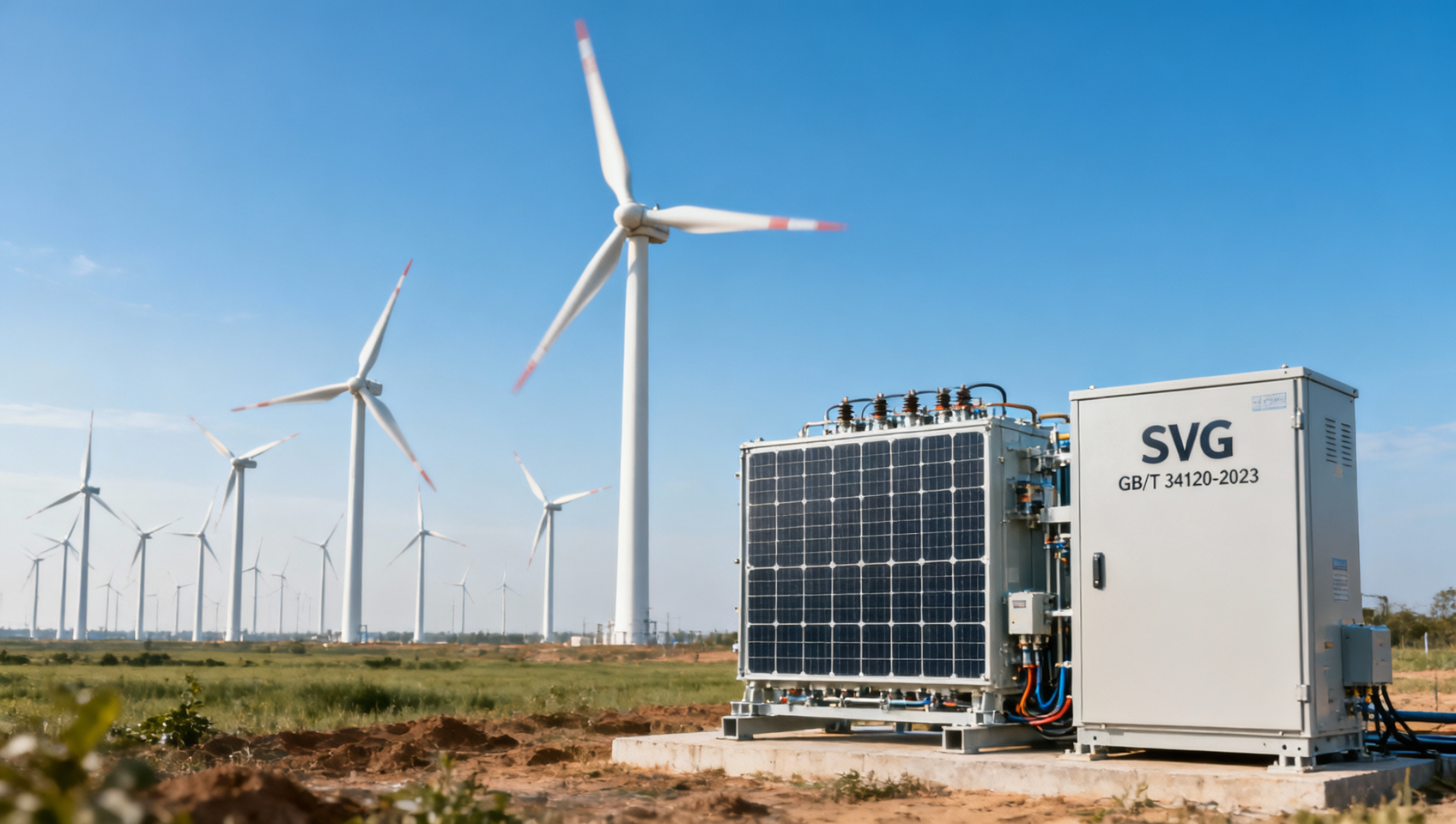
Starting April 1, 2026, Zhejiang Province will implement full market participation for gas-fired power generation, linking electricity prices to natural gas procurement costs (coefficient: 4.85) and mandating ancillary service market integration. This move will reshape China's gas turbine export models and operational service partnerships, particularly in LNG-fired projects.
Event Overview
Confirmed facts: From April 1, 2026, Zhejiang requires all gas-fired generators to adopt gas-electricity price linkage mechanisms (4.85 coefficient) and participate in ancillary service markets. The policy accelerates the shift from standalone equipment exports to integrated "equipment-fuel-peaking service" packages.

Impacted Sub-Sectors
Gas Turbine Manufacturers
Domestic producers must adapt pricing strategies for export contracts, as overseas buyers may now demand bundled fuel-supply agreements mirroring Zhejiang's model. Margin structures will evolve with service components.
O&M Service Providers
Ancillary service mandates create opportunities for Chinese firms to export grid-balancing expertise, but require recalibration of maintenance contracts to include performance-based compensation.
LNG Procurement Networks
Gas suppliers must coordinate with turbine exporters to develop joint bids, as fuel price volatility directly impacts project bankability under the 4.85 linkage framework.
Key Action Points
Monitor Provincial Implementation
Track Zhejiang's market settlement data (Q2 2026 onward) to benchmark realistic service margins for international contracts.
Redesign Contract Frameworks
Develop modular pricing options combining CAPEX with flexible fuel-service components, especially for Southeast Asian and Middle Eastern markets.
Verify Ancillary Service Standards
Assess whether Zhejiang's grid compliance requirements (e.g., response times) align with target export markets' regulations.
Industry Observation
Analysis shows this policy serves as both a market signal and operational prototype. While currently limited to Zhejiang, the 4.85 linkage coefficient may become a reference point for international buyers negotiating with Chinese suppliers. The more significant shift is the institutionalization of lifecycle revenue models—transitioning from one-time equipment sales to 20-year service streams.
Conclusion
Zhejiang's reform demonstrates China's strategic push to export integrated energy solutions rather than isolated hardware. Market participants should view this as a validation case study for bundled service offerings, while remaining cautious about directly replicating the linkage coefficient without local market adaptations.
Sources
• Zhejiang Provincial Development and Reform Commission Notice (March 2026)
• Pending verification: Implementation details of ancillary service market mechanisms
Get weekly intelligence in your inbox.
No noise. No sponsored content. Pure intelligence.
 Apr 10, 2026China's New Guidelines Boost Solar Panel Recycling and ExportChina's New Guidelines Boost Solar Panel Recycling and Export
 Apr 10, 2026Yunnan Q1 Green Power Trading Hits 602M kWh, Boosts Localized Green Manufacturing CertificationYunnan Q1 Green Power Trading Hits 602M kWh, Boosts Localized Green Manufacturing Certification
 Apr 10, 2026Beijing Launches 2026 Carbon Allowance Pre-Allocation for Steel, Cement, and Aluminum SectorsBeijing Launches 2026 Carbon Allowance Pre-Allocation for Steel, Cement, and Aluminum Sectors
 Apr 10, 2026China Releases Updated National Greenhouse Gas Emission Factors DatabaseChina Releases Updated National Greenhouse Gas Emission Factors Database
 Apr 10, 2026Shandong's 22 New Energy Policies Raise Technical Barriers for China's Wind Power ExportsShandong's 22 New Energy Policies Raise Technical Barriers for China's Wind Power Exports
 Apr 10, 2026Gansu Launches 'New Energy+' Initiative, Boosting Exports of Solar Mounts and Storage ContainersGansu Launches 'New Energy+' Initiative, Boosting Exports of Solar Mounts and Storage Containers
 Apr 10, 2026China Launches Hydrogen Pilot with $160M Incentives, Boosting Equipment ExportsChina Launches Hydrogen Pilot with $160M Incentives, Boosting Equipment Exports
 Apr 10, 2026China's Rural Wind-Solar Push Sparks Export Demand for Distributed Energy EquipmentChina's Rural Wind-Solar Push Sparks Export Demand for Distributed Energy Equipment
 Apr 10, 2026Zhejiang Gas Power Market Entry: Impacts on China's Turbine Exports & ServicesZhejiang Gas Power Market Entry: Impacts on China's Turbine Exports & Services
 Apr 10, 2026US Expands Export Controls on CNC Systems and High-Precision Castings to ChinaUS Expands Export Controls on CNC Systems and High-Precision Castings to China
 Apr 09, 2026China's 11th Bulk Drug Procurement Covers 55 Chronic Disease MedicinesChina's 11th Bulk Drug Procurement Covers 55 Chronic Disease Medicines
 Apr 09, 2026Hashimoto's Thyroiditis Trend Boosts China's Thyroid Self-Test and Chronic Disease Management ExportsHashimoto's Thyroiditis Trend Boosts China's Thyroid Self-Test and Chronic Disease Management Exports
 Apr 09, 2026Dupilumab Approved in China as First Long-Acting Nasal Polyp Therapy, Impacting Global Prescription Drug ProcurementDupilumab Approved in China as First Long-Acting Nasal Polyp Therapy, Impacting Global Prescription Drug Procurement
 Apr 09, 2026Brazil Proposes Anti-Dumping Duties on Chinese Hydraulic Press ImportsBrazil Proposes Anti-Dumping Duties on Chinese Hydraulic Press Imports
 Apr 09, 2026Japan's New JIS B 6336-2026 Grinding Machine Accuracy Standard Impacts Chinese ManufacturersJapan's New JIS B 6336-2026 Grinding Machine Accuracy Standard Impacts Chinese Manufacturers
 Apr 09, 2026Middle East Construction Boom Drives Surge in Heavy Steel Casting Orders, China's Botou Cluster Extends Delivery to 14 WeeksMiddle East Construction Boom Drives Surge in Heavy Steel Casting Orders, China's Botou Cluster Extends Delivery to 14 Weeks
 Apr 09, 2026Hannover Messe Focuses on China-EU Smart Factory StandardsHannover Messe Focuses on China-EU Smart Factory Standards
 Apr 09, 2026China Customs Launches Smart Clearance Channel for Machinery ExportsChina Customs Launches Smart Clearance Channel for Machinery Exports
 Apr 09, 2026US Expands Export Controls on CNC Systems and High-Precision Castings from ChinaUS Expands Export Controls on CNC Systems and High-Precision Castings from China
 2026/789 Takes Effect: Impact on China's Machine Tool Exports") Apr 09, 2026EU's New Machinery Regulation (EU) 2026/789 Takes Effect: Impact on China's Machine Tool ExportsEU's New Machinery Regulation (EU) 2026/789 Takes Effect: Impact on China's Machine Tool Exports
Apr 09, 2026EU's New Machinery Regulation (EU) 2026/789 Takes Effect: Impact on China's Machine Tool ExportsEU's New Machinery Regulation (EU) 2026/789 Takes Effect: Impact on China's Machine Tool Exports Apr 08, 2026Surgical microscopes with AI-assisted focus drift detection—how reliable are they outside controlled OR environments?Surgical microscopes with AI-assisted focus drift detection—how reliable are they outside controlled OR environments?
 Apr 08, 2026Warehouse management systems claiming ‘plug-and-play’ IoT integration usually require custom firmware updatesWarehouse management systems claiming ‘plug-and-play’ IoT integration usually require custom firmware updates
 Apr 08, 2026Ophthalmic equipment procurement teams keep overlooking sterilization compatibility in surgical microscope specsOphthalmic equipment procurement teams keep overlooking sterilization compatibility in surgical microscope specs
 Apr 08, 2026Transportation management systems with embedded AI scoring—do they improve carrier compliance or just add noise?Transportation management systems with embedded AI scoring—do they improve carrier compliance or just add noise?
 Apr 08, 2026WMS software vendors rarely disclose how much warehouse labor time their automation features really saveWMS software vendors rarely disclose how much warehouse labor time their automation features really save
 Apr 08, 2026TMS software built for multi-modal haulage still struggles with rail carrier schedulingTMS software built for multi-modal haulage still struggles with rail carrier scheduling
 Apr 08, 2026Freight forwarding software that integrates with customs APIs—what’s actually supported in 2026?Freight forwarding software that integrates with customs APIs—what’s actually supported in 2026?