US Expands Export Controls on CNC Systems and High-Precision Castings to China
On April 4, 2026, the U.S. Bureau of Industry and Security (BIS) issued an interim final rule expanding export controls on advanced CNC systems and high-precision castings to China, specifically targeting 'intelligent machining units' with AI-driven optimization capabilities. This development warrants close attention from industries involved in precision manufacturing, aerospace, and advanced machinery, as it may disrupt supply chains and technological development.
Event Overview
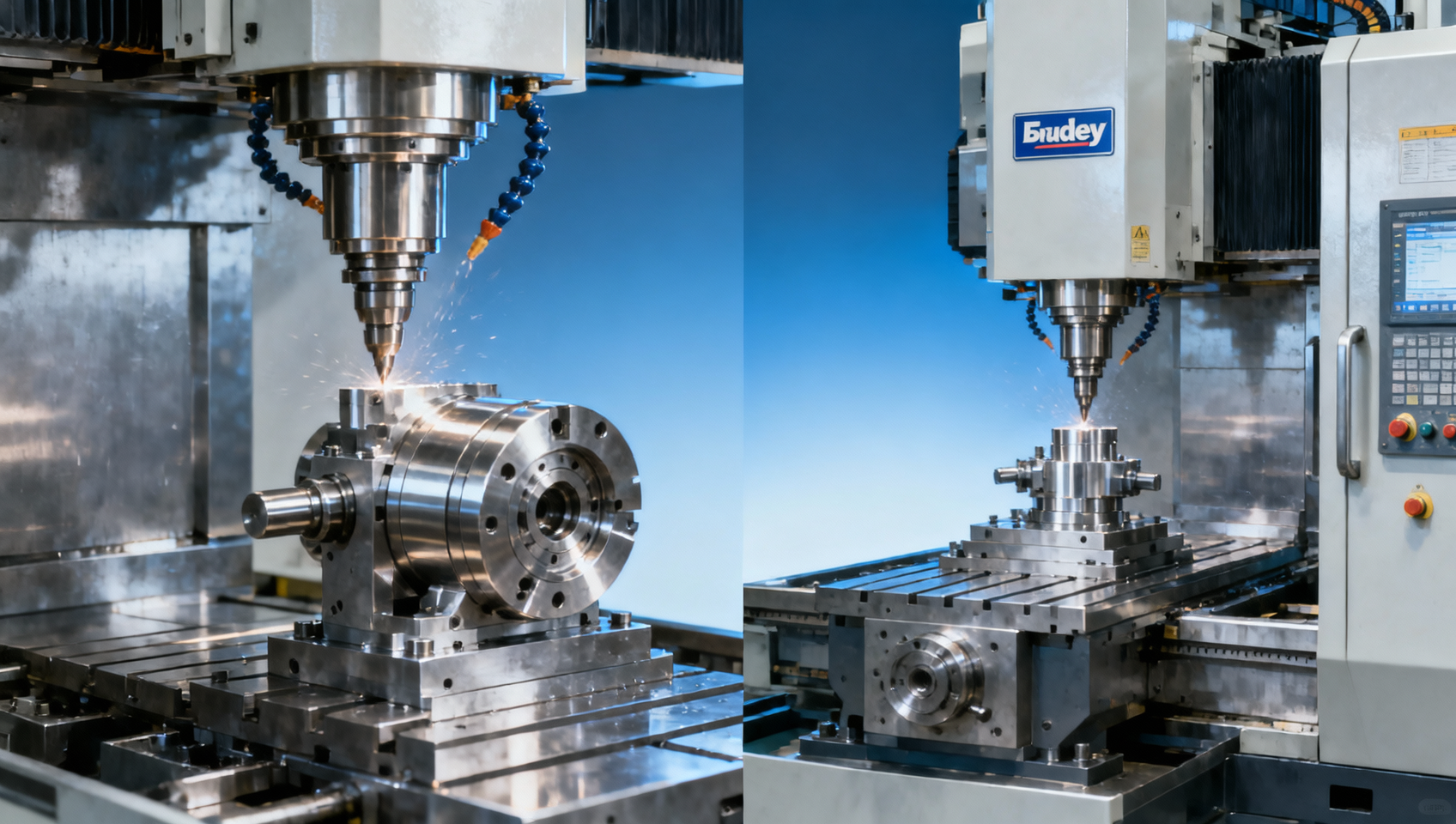
The BIS has added 'intelligent machining units' to the Export Administration Regulations (EAR) Appendix 7, requiring export licenses for shipments to China. The new controls cover CNC controllers, servo drive modules, and high-rigidity spindle housings, particularly those with multi-axis synchronization accuracy of ±0.5μm or better. Some domestically produced five-axis machining systems already fall under these restrictions.
Impact on Key Industries
Precision Manufacturing
Companies relying on high-end CNC systems for aerospace components, medical devices, or automotive parts may face delays due to licensing requirements. Disruptions in the supply of critical components could affect production timelines.
Semiconductor Equipment
Advanced machining systems used in semiconductor manufacturing are now subject to stricter controls. This could slow down the development of next-generation chip fabrication tools in China.
Defense and Aerospace
The restrictions may complicate procurement of precision components for military and aerospace applications, potentially forcing companies to seek alternative suppliers or develop domestic solutions.
Key Considerations for Businesses
Monitor Regulatory Updates
Companies should track further clarifications from BIS regarding license approval criteria and potential exemptions.
Assess Supply Chain Vulnerabilities
Identify alternative suppliers for controlled components and evaluate the feasibility of localizing production for critical parts.
Review Existing Contracts
Examine current agreements with U.S. suppliers to understand potential delivery delays and explore contractual protections.
Industry Perspective
From an industry standpoint, this move appears to target China's advancement in high-precision manufacturing capabilities. While the immediate impact may be limited to specific high-end systems, the broader signal suggests increasing scrutiny of dual-use technologies. The industry should prepare for potential expansion of controlled items in future updates.
Conclusion
This export control update represents a significant development in U.S.-China technology trade restrictions. While the full impact remains to be seen, affected industries should proactively assess their exposure and develop contingency plans. The situation warrants ongoing monitoring as implementation details emerge.
Source
U.S. Bureau of Industry and Security (BIS) Interim Final Rule, April 4, 2026
Get weekly intelligence in your inbox.
No noise. No sponsored content. Pure intelligence.
 Apr 10, 2026China's New Guidelines Boost Solar Panel Recycling and ExportChina's New Guidelines Boost Solar Panel Recycling and Export
 Apr 10, 2026Yunnan Q1 Green Power Trading Hits 602M kWh, Boosts Localized Green Manufacturing CertificationYunnan Q1 Green Power Trading Hits 602M kWh, Boosts Localized Green Manufacturing Certification
 Apr 10, 2026Beijing Launches 2026 Carbon Allowance Pre-Allocation for Steel, Cement, and Aluminum SectorsBeijing Launches 2026 Carbon Allowance Pre-Allocation for Steel, Cement, and Aluminum Sectors
 Apr 10, 2026China Releases Updated National Greenhouse Gas Emission Factors DatabaseChina Releases Updated National Greenhouse Gas Emission Factors Database
 Apr 10, 2026Shandong's 22 New Energy Policies Raise Technical Barriers for China's Wind Power ExportsShandong's 22 New Energy Policies Raise Technical Barriers for China's Wind Power Exports
 Apr 10, 2026Gansu Launches 'New Energy+' Initiative, Boosting Exports of Solar Mounts and Storage ContainersGansu Launches 'New Energy+' Initiative, Boosting Exports of Solar Mounts and Storage Containers
 Apr 10, 2026China Launches Hydrogen Pilot with $160M Incentives, Boosting Equipment ExportsChina Launches Hydrogen Pilot with $160M Incentives, Boosting Equipment Exports
 Apr 10, 2026China's Rural Wind-Solar Push Sparks Export Demand for Distributed Energy EquipmentChina's Rural Wind-Solar Push Sparks Export Demand for Distributed Energy Equipment
 Apr 10, 2026Zhejiang Gas Power Market Entry: Impacts on China's Turbine Exports & ServicesZhejiang Gas Power Market Entry: Impacts on China's Turbine Exports & Services
 Apr 10, 2026US Expands Export Controls on CNC Systems and High-Precision Castings to ChinaUS Expands Export Controls on CNC Systems and High-Precision Castings to China
 Apr 09, 2026China's 11th Bulk Drug Procurement Covers 55 Chronic Disease MedicinesChina's 11th Bulk Drug Procurement Covers 55 Chronic Disease Medicines
 Apr 09, 2026Hashimoto's Thyroiditis Trend Boosts China's Thyroid Self-Test and Chronic Disease Management ExportsHashimoto's Thyroiditis Trend Boosts China's Thyroid Self-Test and Chronic Disease Management Exports
 Apr 09, 2026Dupilumab Approved in China as First Long-Acting Nasal Polyp Therapy, Impacting Global Prescription Drug ProcurementDupilumab Approved in China as First Long-Acting Nasal Polyp Therapy, Impacting Global Prescription Drug Procurement
 Apr 09, 2026Brazil Proposes Anti-Dumping Duties on Chinese Hydraulic Press ImportsBrazil Proposes Anti-Dumping Duties on Chinese Hydraulic Press Imports
 Apr 09, 2026Japan's New JIS B 6336-2026 Grinding Machine Accuracy Standard Impacts Chinese ManufacturersJapan's New JIS B 6336-2026 Grinding Machine Accuracy Standard Impacts Chinese Manufacturers
 Apr 09, 2026Middle East Construction Boom Drives Surge in Heavy Steel Casting Orders, China's Botou Cluster Extends Delivery to 14 WeeksMiddle East Construction Boom Drives Surge in Heavy Steel Casting Orders, China's Botou Cluster Extends Delivery to 14 Weeks
 Apr 09, 2026Hannover Messe Focuses on China-EU Smart Factory StandardsHannover Messe Focuses on China-EU Smart Factory Standards
 Apr 09, 2026China Customs Launches Smart Clearance Channel for Machinery ExportsChina Customs Launches Smart Clearance Channel for Machinery Exports
 Apr 09, 2026US Expands Export Controls on CNC Systems and High-Precision Castings from ChinaUS Expands Export Controls on CNC Systems and High-Precision Castings from China
 2026/789 Takes Effect: Impact on China's Machine Tool Exports") Apr 09, 2026EU's New Machinery Regulation (EU) 2026/789 Takes Effect: Impact on China's Machine Tool ExportsEU's New Machinery Regulation (EU) 2026/789 Takes Effect: Impact on China's Machine Tool Exports
Apr 09, 2026EU's New Machinery Regulation (EU) 2026/789 Takes Effect: Impact on China's Machine Tool ExportsEU's New Machinery Regulation (EU) 2026/789 Takes Effect: Impact on China's Machine Tool Exports Apr 08, 2026Surgical microscopes with AI-assisted focus drift detection—how reliable are they outside controlled OR environments?Surgical microscopes with AI-assisted focus drift detection—how reliable are they outside controlled OR environments?
 Apr 08, 2026Warehouse management systems claiming ‘plug-and-play’ IoT integration usually require custom firmware updatesWarehouse management systems claiming ‘plug-and-play’ IoT integration usually require custom firmware updates
 Apr 08, 2026Ophthalmic equipment procurement teams keep overlooking sterilization compatibility in surgical microscope specsOphthalmic equipment procurement teams keep overlooking sterilization compatibility in surgical microscope specs
 Apr 08, 2026Transportation management systems with embedded AI scoring—do they improve carrier compliance or just add noise?Transportation management systems with embedded AI scoring—do they improve carrier compliance or just add noise?
 Apr 08, 2026WMS software vendors rarely disclose how much warehouse labor time their automation features really saveWMS software vendors rarely disclose how much warehouse labor time their automation features really save
 Apr 08, 2026TMS software built for multi-modal haulage still struggles with rail carrier schedulingTMS software built for multi-modal haulage still struggles with rail carrier scheduling
 Apr 08, 2026Freight forwarding software that integrates with customs APIs—what’s actually supported in 2026?Freight forwarding software that integrates with customs APIs—what’s actually supported in 2026?