Technological Breakthroughs in Factory Automation: Sensors, AI, and ROI
Technological Breakthroughs in factory automation are redefining how enterprises measure productivity, resilience, and return on investment. As advanced sensors, AI-driven analytics, and connected production systems move from pilot projects to core operations, decision-makers face a critical question: which innovations deliver measurable value at scale? This article examines how modern automation technologies are transforming manufacturing performance, reducing downtime, improving quality control, and creating stronger business cases for long-term digital investment.
For enterprise decision-makers, the issue is no longer whether automation matters. The real challenge is selecting systems that connect technical capability with procurement discipline, workforce readiness, cybersecurity, and financial payback within 12–36 months.
Why Sensors Are the Foundation of Measurable Automation
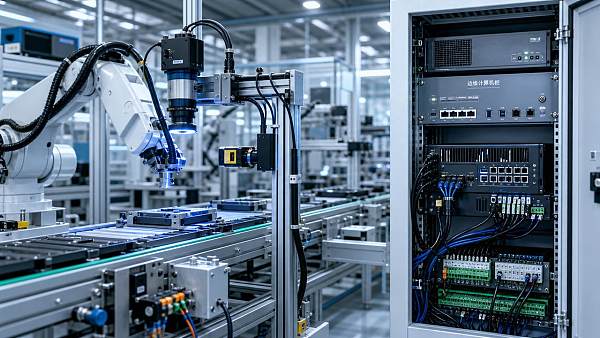
Among today’s most important Technological Breakthroughs, industrial sensors have become the practical starting point for automation at scale. Without reliable data capture, AI models, digital twins, and predictive maintenance platforms operate on weak assumptions.
Modern factories may deploy hundreds or thousands of sensing points across motors, conveyors, robotic cells, cleanrooms, packaging lines, and energy systems. Typical signals include vibration, temperature, pressure, torque, current, humidity, vision, and acoustic patterns.
From basic monitoring to operational intelligence
A basic sensor tells teams that a machine is hot. A connected sensor network shows whether heat is rising 15% faster than baseline, whether the shift pattern changed, and whether spare parts should be ordered within 7–10 days.
This shift matters because downtime costs are rarely limited to one machine. In advanced manufacturing, a single failed station can delay upstream feeding, downstream packaging, quality inspection, and outbound logistics within 30–60 minutes.
Key sensor categories for enterprise buyers
Procurement leaders should evaluate sensors not only by unit price, but by signal accuracy, calibration frequency, interoperability, operating temperature, ingress protection, and expected service life under real factory conditions.
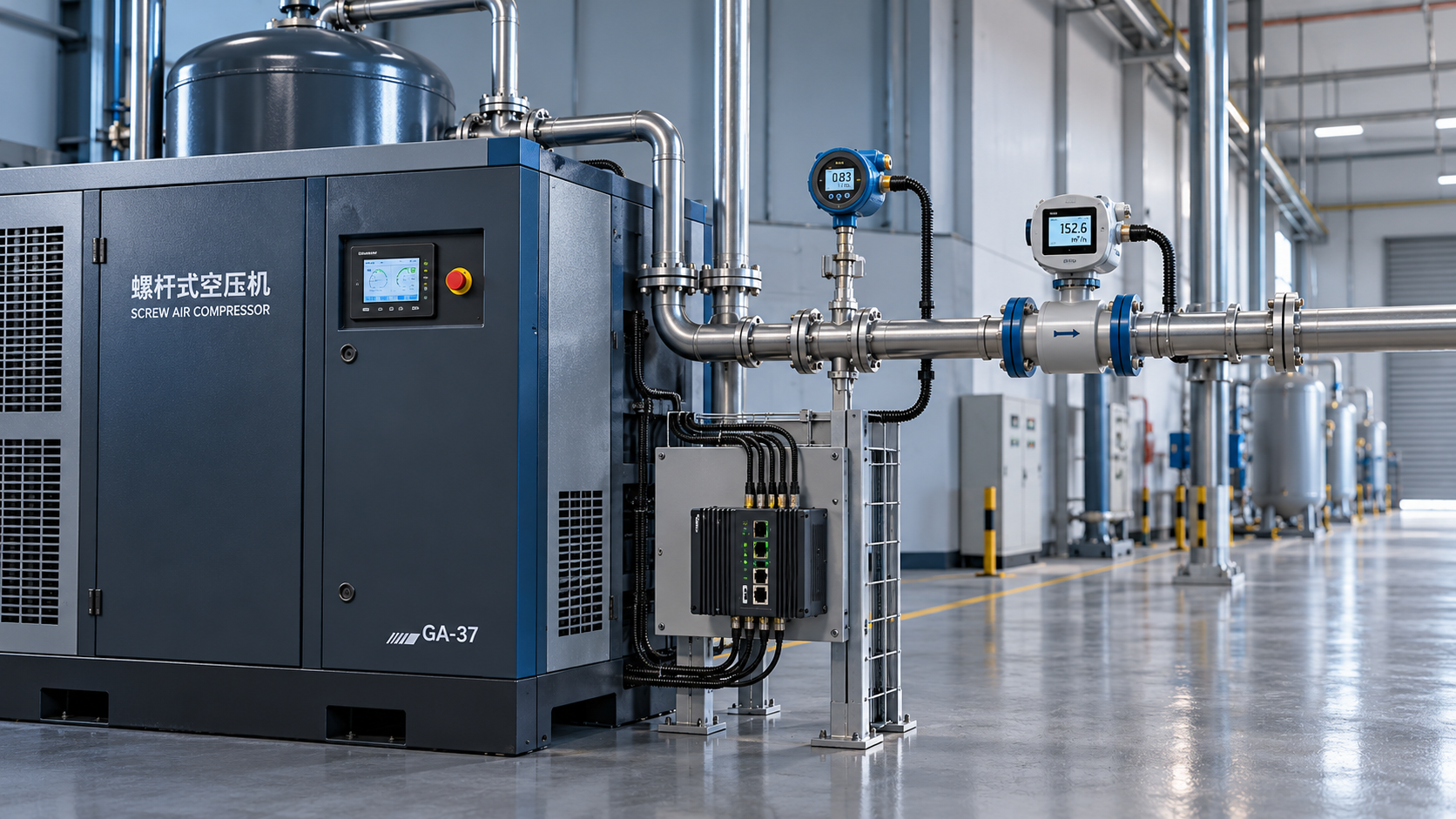
- Condition monitoring sensors for motors, pumps, compressors, and gearboxes.
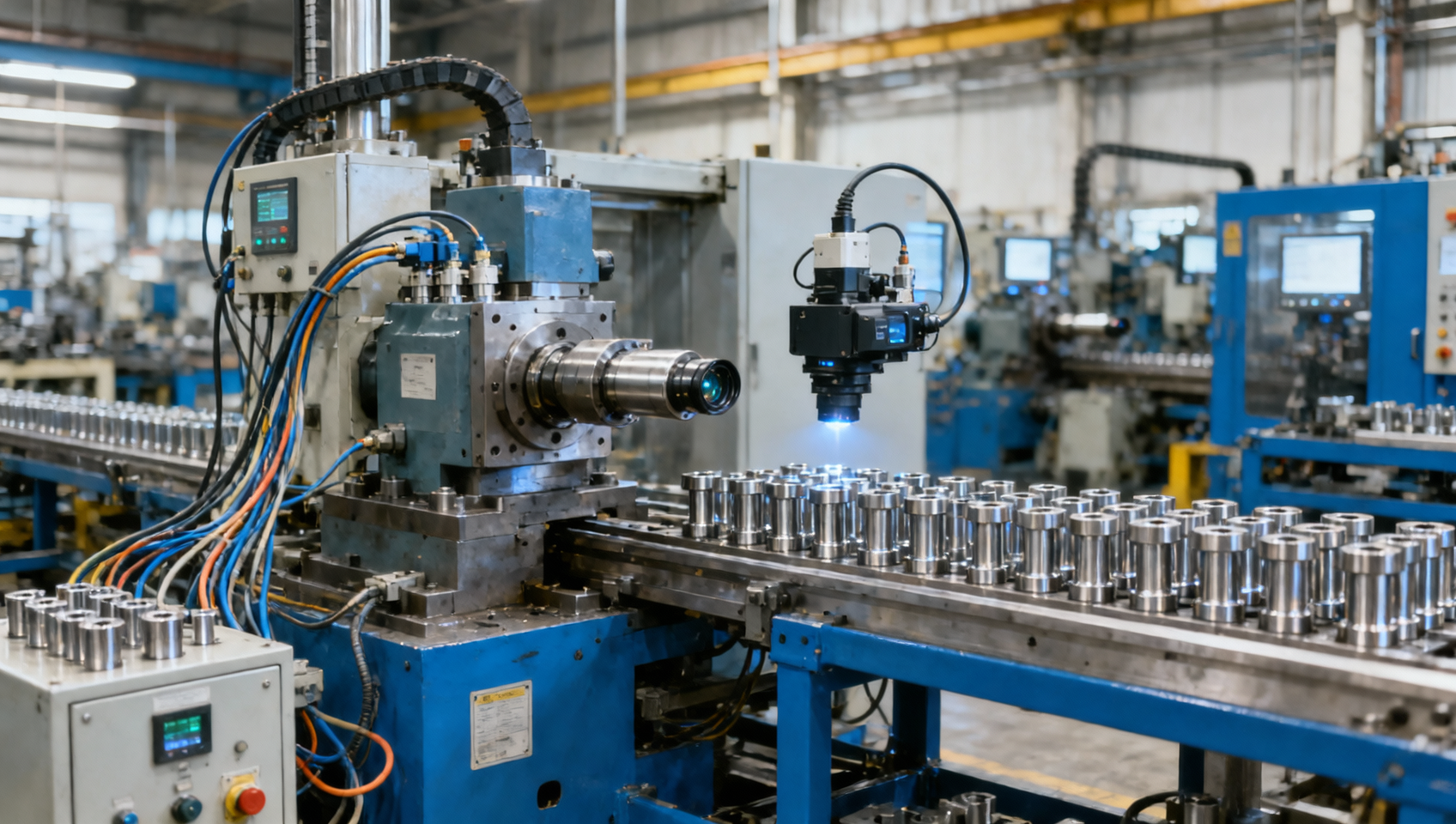
- Machine vision systems for defect detection, positioning, barcode reading, and assembly verification.
- Environmental sensors for humidity, particulates, temperature stability, and clean production zones.
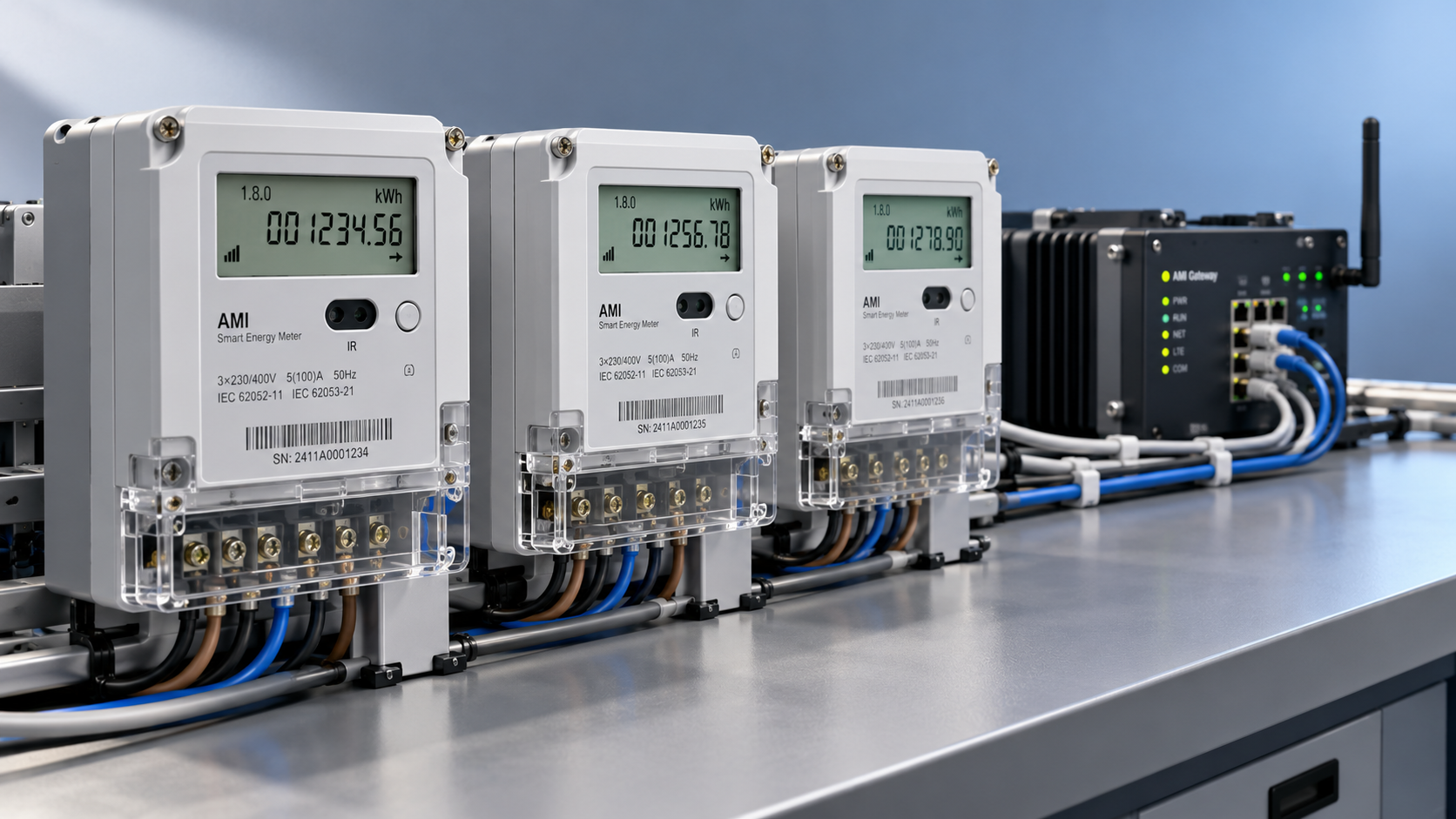
- Energy meters and power analyzers for load balancing, peak demand tracking, and sustainability reporting.
The strongest sensor deployments begin with 3–5 high-impact assets rather than a site-wide rollout. This allows teams to validate data quality, alarm thresholds, maintenance workflows, and operator response before expanding.
AI Analytics: Turning Factory Data into Business Decisions
AI-driven analytics represent another category of Technological Breakthroughs reshaping automation strategy. Their value lies not in replacing managers, but in compressing decision cycles from days to minutes.
In many facilities, production data exists across programmable logic controllers, SCADA systems, MES platforms, ERP records, spreadsheets, and quality databases. AI adds value when these inputs are normalized into actionable signals.
Where AI creates operational leverage
A well-designed AI layer can identify abnormal vibration patterns 2–4 weeks before failure, classify image defects at line speed, or recommend schedule adjustments when material arrival is delayed.
For enterprise buyers, the most attractive use cases usually connect directly to margin: scrap reduction, labor efficiency, changeover speed, energy consumption, machine utilization, warranty exposure, and customer delivery performance.
The table below compares common AI applications in factory automation and the decision factors that should guide investment reviews.
The key conclusion is straightforward: AI succeeds when it is tied to a measurable operational decision. Projects framed only as “innovation initiatives” often underperform because teams cannot verify impact against baseline KPIs.
Avoiding the black-box problem
Decision-makers should ask whether recommendations are explainable. A model that flags bearing failure should identify the contributing signals, such as vibration amplitude, temperature deviation, or rising motor current.
This transparency supports operator trust, maintenance accountability, and audit readiness. In regulated or safety-critical environments, explainability can be as important as prediction accuracy.
Connected Production Systems and the ROI Equation
Technological Breakthroughs deliver lasting value when sensors, machines, software, and people operate as one connected system. Isolated upgrades may improve a station, but integrated workflows improve the enterprise.
For procurement directors and plant executives, ROI should include at least 6 dimensions: uptime, output quality, labor productivity, energy intensity, inventory accuracy, and delivery reliability.
A practical ROI model for automation investments
Automation ROI should be calculated before vendor selection. A practical model compares capital expense, integration cost, training time, maintenance requirements, and expected savings over 24–48 months.
- Define the production constraint, such as bottleneck equipment, defect rate, or labor-intensive inspection.
- Establish baseline metrics for 30–90 days before installation.
- Estimate savings from downtime reduction, scrap reduction, throughput gain, or energy improvement.
- Include integration costs, cybersecurity controls, operator training, and spare parts.
- Review results after 3 months, 6 months, and 12 months to validate assumptions.
Enterprises should be cautious with ROI claims based only on ideal cycle times. Real production includes changeovers, material shortages, minor stops, rework, and operator learning curves.
What connected systems change in daily management
Connected automation allows managers to see live production status, quality alerts, energy anomalies, and maintenance priorities from one operational view. This reduces dependence on end-of-shift reporting.
A plant that once needed 2 hours to consolidate line reports may reduce that process to 10–15 minutes when machine data flows automatically into dashboards.
Integration standards and interoperability
Interoperability is a procurement issue, not only an engineering issue. Decision-makers should confirm whether equipment supports common industrial protocols, secure APIs, structured data export, and long-term software support.
A low-cost device that cannot communicate with existing MES or analytics platforms may create hidden costs. Integration effort can exceed hardware savings when custom connectors require 4–8 weeks of engineering work.
Selection Criteria for Enterprise Automation Buyers
Because Technological Breakthroughs arrive quickly, buyers need a disciplined evaluation framework. The strongest automation proposals are not always the most advanced; they are the most aligned with business constraints.
A good sourcing process compares technical fit, vendor capability, deployment risk, data ownership, maintenance model, and lifecycle cost. Price remains important, but it should not be the only filter.
The following matrix helps enterprise teams compare suppliers and solution architectures before committing to pilot projects or multi-site rollouts.
This matrix shows why automation sourcing requires cross-functional review. Engineering may prioritize performance, finance may focus on payback, while operations needs reliability during 2-shift or 3-shift production.
Procurement red flags to investigate early
Buyers should investigate any proposal that lacks a commissioning schedule, cybersecurity plan, baseline KPI method, spare parts list, or training pathway for operators and maintenance teams.
- Unclear ownership of data generated by machines and AI models.
- No documented response time for critical production incidents.
- ROI assumptions that ignore integration, downtime during installation, or training hours.
- Limited compatibility with existing industrial communication protocols.
A robust automation business case should specify milestones. Common phases include feasibility assessment in 2–4 weeks, pilot deployment in 8–12 weeks, and phased scaling over 6–18 months.
Implementation Roadmap: From Pilot to Scalable Performance
The most successful automation programs treat Technological Breakthroughs as operational transformation, not standalone equipment purchases. They build governance, training, measurement, and supplier accountability into the plan.
A pilot should not be selected because it is easy. It should be selected because it represents a repeatable use case with meaningful impact across multiple lines, plants, or product families.
A 5-step rollout framework
Enterprise teams can reduce deployment risk by separating discovery, design, validation, scaling, and continuous improvement. Each stage should have measurable acceptance criteria.
- Map the value stream and identify 3 priority pain points affecting cost, quality, or delivery.
- Define baseline KPIs, such as OEE, defect rate, energy per unit, or mean time between failures.
- Select sensors, AI tools, and connectivity architecture based on the operating environment.
- Run a controlled pilot with clear success thresholds, typically over 8–12 weeks.
- Scale only after validating ROI, operator adoption, cybersecurity controls, and maintenance procedures.
Workforce readiness and change management
Automation changes job content. Operators may shift from manual checking to exception handling, while maintenance teams may move from reactive repairs to condition-based interventions.
Training should include system navigation, alarm interpretation, basic troubleshooting, safety procedures, and escalation rules. Many plants benefit from short 30–45 minute sessions repeated across shifts.
Cybersecurity and data resilience
As production systems become connected, cybersecurity becomes part of operational continuity. Segmented networks, role-based access, encrypted communication, and patch management should be defined before deployment.
Decision-makers should also verify backup procedures, disaster recovery expectations, and vendor remote access controls. A practical review should include at least 6 checks before production data is connected externally.
Common Questions from Decision-Makers
Automation investment discussions often fail when technical teams and business leaders use different definitions of success. The following questions help align expectations before contracts are signed.
How long does it take to see value?
Simple monitoring projects may show value within 60–90 days. More complex AI or multi-line integration projects often require 6–12 months to demonstrate stable, repeatable financial impact.
Should we automate the worst-performing line first?
Not always. A line with unstable materials, poor maintenance discipline, or incomplete process documentation may create misleading pilot results. Choose a line with clear data and scalable relevance.
Is AI necessary for every automation project?
No. Some problems are solved with better sensing, standard controls, or workflow redesign. AI is most useful when patterns are complex, data volume is high, and decisions must be made quickly.
What role does TradeNexus Pro play?
TradeNexus Pro helps global procurement directors, supply chain managers, and enterprise leaders evaluate market shifts, supplier capabilities, and practical Technological Breakthroughs across advanced manufacturing and connected industries.
By combining sector-focused analysis with strategic B2B visibility, TNP supports enterprises seeking credible insight before they commit capital, assess partners, or expand digital automation programs.
Building a Stronger Business Case for Automation
Factory automation is entering a more disciplined phase. Sensors, AI analytics, and connected systems are no longer experimental accessories; they are operational tools for resilience, productivity, and measurable ROI.
The strongest results come from focused use cases, transparent data, realistic deployment timelines, and supplier evaluation that includes service, integration, security, and lifecycle cost.
For decision-makers, Technological Breakthroughs should be judged by their ability to improve daily operations and support long-term competitiveness. The right investment connects factory data with boardroom priorities.
If your organization is evaluating automation technologies, supplier positioning, or digital manufacturing opportunities, connect with TradeNexus Pro to explore deeper market intelligence, strategic exposure, and tailored B2B insight for your next investment decision.
Get weekly intelligence in your inbox.
No noise. No sponsored content. Pure intelligence.
 Oct 24, 2026Tesla Q3 2026 Storage Deployments Rank Second Highest as Revenue Falls 16%Tesla Q3 2026 Storage Deployments Rank Second Highest as Revenue Falls 16%
 Oct 24, 2026Freight Forwarding Services Pricing: Comparing Quotes Beyond Base RatesFreight Forwarding Services Pricing: Comparing Quotes Beyond Base Rates
 Oct 23, 2026IndexBox Issues Off-Grid Solar Outlook to 2035, Forecasting 8.2% CAGRIndexBox Issues Off-Grid Solar Outlook to 2035, Forecasting 8.2% CAGR
 Oct 23, 2026NSF/ANSI 49 Biosafety Cabinets: Product Certification vs. Field TestingNSF/ANSI 49 Biosafety Cabinets: Product Certification vs. Field Testing
 Oct 22, 2026Mitsubishi Electric Develops Industry-First Humanoid Robot–CNC Machining SystemMitsubishi Electric Develops Industry-First Humanoid Robot–CNC Machining System
 Oct 22, 2026Aerospace Aluminum Machining: How to Control Distortion in Thin-Wall PartsAerospace Aluminum Machining: How to Control Distortion in Thin-Wall Parts
 Oct 21, 2026Genesis Energy commissions 200 MWh battery storage system at HuntlyGenesis Energy commissions 200 MWh battery storage system at Huntly
 Oct 21, 2026Buying AMI Smart Meters Wholesale: Compatibility Checks and Total CostsBuying AMI Smart Meters Wholesale: Compatibility Checks and Total Costs
 Oct 20, 2026Werner Enterprises Issues Q3 Earnings Warning as Costs RiseWerner Enterprises Issues Q3 Earnings Warning as Costs Rise
 Oct 20, 2026Are Digital Twins Viable for SMEs? Costs, Use Cases, and Data RequirementsAre Digital Twins Viable for SMEs? Costs, Use Cases, and Data Requirements
 Oct 19, 2026Choosing a Wholesale Servo Motor Exporter: Traceability and Warranty ChecksChoosing a Wholesale Servo Motor Exporter: Traceability and Warranty Checks
 Oct 18, 2026Syringe Manufacturing Equipment: Evaluating Throughput and Assembly AccuracySyringe Manufacturing Equipment: Evaluating Throughput and Assembly Accuracy
 Oct 17, 2026Air Freight Forwarding Services: How to Compare Quotes for Urgent ShipmentsAir Freight Forwarding Services: How to Compare Quotes for Urgent Shipments
 Oct 16, 2026Wholesale Solar Panels: How to Compare Bulk Quotes by Total Landed CostWholesale Solar Panels: How to Compare Bulk Quotes by Total Landed Cost
 Oct 15, 2026Supply Chain Intelligence for Sourcing: How to Vet New SuppliersSupply Chain Intelligence for Sourcing: How to Vet New Suppliers
 Oct 14, 2026How energy costs shape smart manufacturing investment in EuropeHow energy costs shape smart manufacturing investment in Europe
 Oct 14, 2026How skills shortages slow smart manufacturing in Southeast AsiaHow skills shortages slow smart manufacturing in Southeast Asia
 Oct 14, 2026How CNC wire-cut machining maintains tight tolerances in thick partsHow CNC wire-cut machining maintains tight tolerances in thick parts
 Oct 14, 2026Can automated feeding stabilize metal forming in smart factories?Can automated feeding stabilize metal forming in smart factories?
 Oct 14, 2026Can CT inspection detect internal defects in metal additive parts?Can CT inspection detect internal defects in metal additive parts?
 Oct 14, 2026When does additive manufacturing reduce lead time for spare parts?When does additive manufacturing reduce lead time for spare parts?
 Oct 14, 2026How production volume affects ROI on an automated painting lineHow production volume affects ROI on an automated painting line
 Oct 14, 2026What data does manufacturing bottleneck analysis consulting need?What data does manufacturing bottleneck analysis consulting need?
 Oct 14, 2026When should you hire a consultant for manufacturing bottlenecks?When should you hire a consultant for manufacturing bottlenecks?
 Oct 14, 2026What Are Electronics Exporters' Top Supply Chain Resilience Gaps in 2026?What Are Electronics Exporters' Top Supply Chain Resilience Gaps in 2026?
 Oct 14, 2026How Do You Measure AI Adoption Maturity in a Traditional Factory?How Do You Measure AI Adoption Maturity in a Traditional Factory?
 Oct 14, 2026Are Chinese AI-Assisted Surgical Devices Gaining Global Trust?Are Chinese AI-Assisted Surgical Devices Gaining Global Trust?