Peru's PV Capacity Overtakes Wind Power, Chinese Suppliers Gain Fast-Track Access to 420MW Tenders
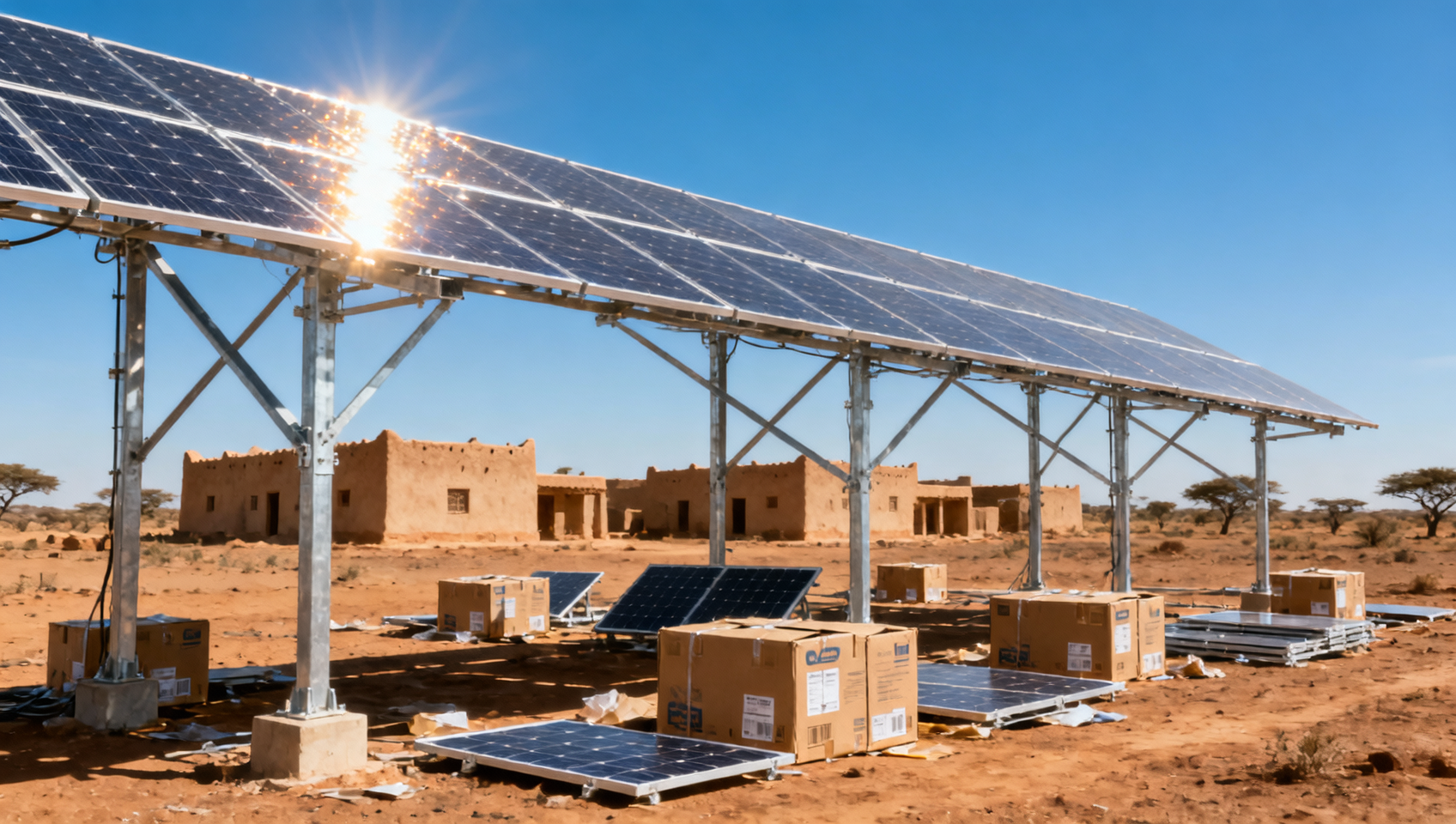
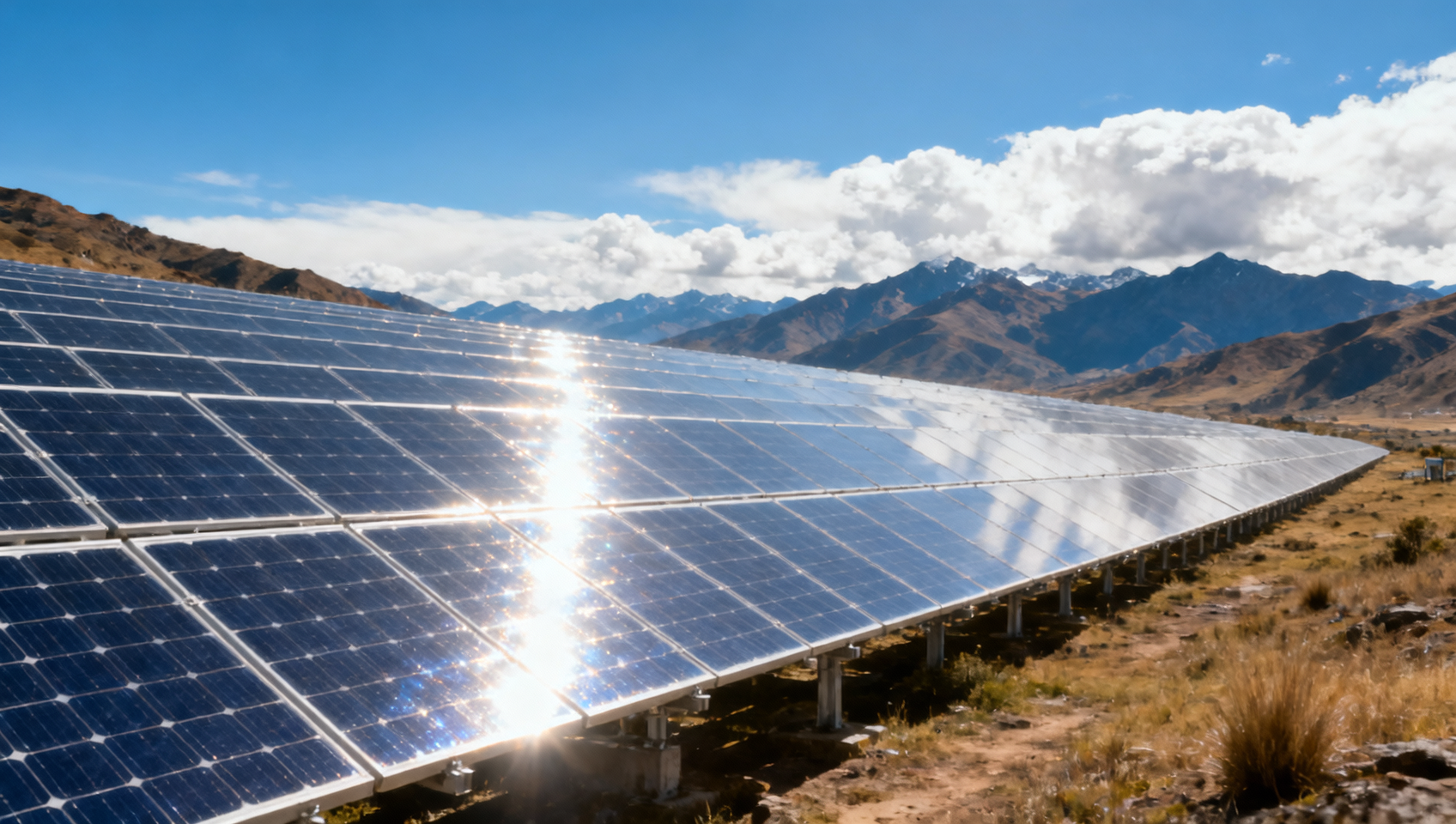
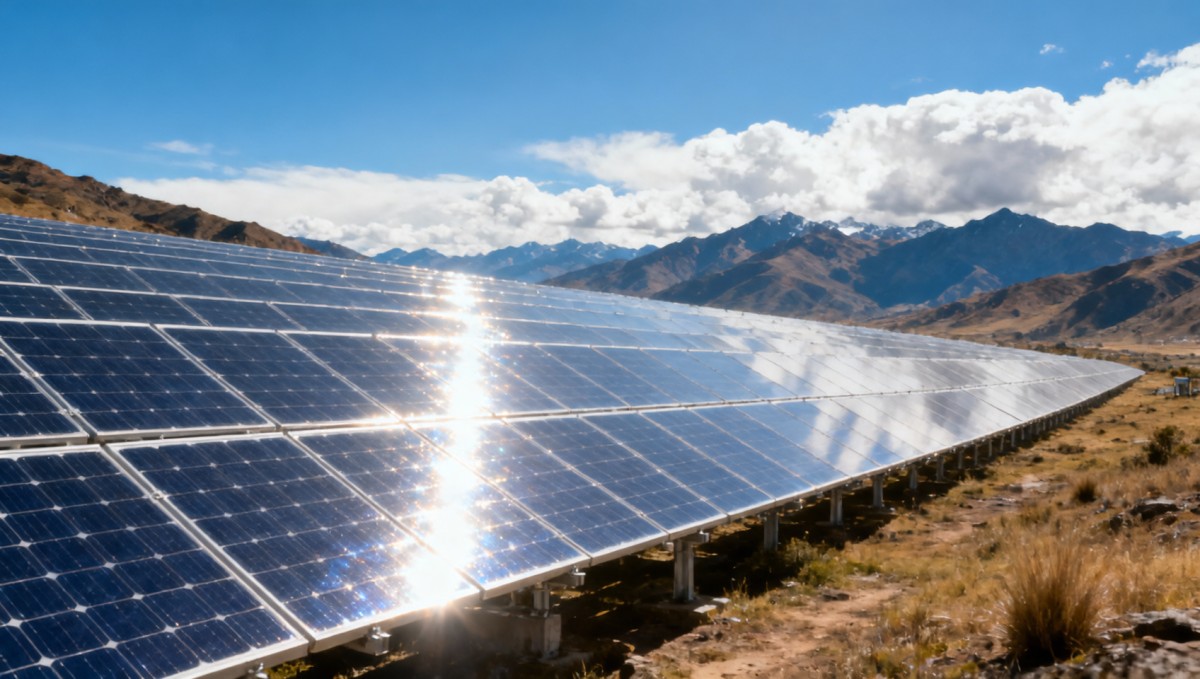
In a landmark shift for Peru's renewable energy sector, solar PV capacity reached 1,127MW by March 2026, surpassing wind power (1,021MW) as the dominant clean energy source. The Energy Ministry's April 9 announcement granting Chinese module manufacturers streamlined bidding access for 420MW of ground-mounted projects signals accelerated market opportunities. This development warrants attention from solar exporters, EPC contractors, and certification service providers navigating Andean markets.
Event Overview
As of Q1 2026, Peru's cumulative solar installations reached 1,127MW, exceeding wind capacity by 106MW. On April 9, the Energy Ministry confirmed eight solar tenders totaling 420MW for Q2 2026 implementation, introducing a 'green channel' for CNAS-certified Chinese manufacturers holding both UL 61215 and IEC 61730 certifications. Qualified suppliers bypass local type testing, reducing market entry timelines from months to under three weeks.
Impact Analysis by Sector
Module Exporters
Chinese Tier-1 manufacturers with dual certifications gain immediate competitive advantage. The exemption eliminates 6-8 weeks of testing costs (estimated $15,000-$25,000 per model) and allows rapid response to tender deadlines. Smaller suppliers lacking IEC/UL marks face exclusion from this procurement round.
EPC Contractors
Project developers must verify bidders' certification compliance upfront. The shortened supplier qualification period may compress procurement schedules, requiring earlier technical due diligence on module specifications and bankability.
Testing Agencies
International certification bodies (TÜV, CSA Group) may see increased demand for accelerated IEC/UL testing services from Chinese factories seeking future eligibility. Local Peruvian labs lose revenue from waived type testing.
Strategic Considerations
Certification Portfolio Review
Chinese manufacturers should audit existing certificates' validity periods and consider expanding UL/IEC coverage to additional product lines. The policy suggests Peru may adopt similar streamlined approaches for future tenders.
Supply Chain Coordination
EPC firms must align engineering teams with procurement to evaluate whether green-channel modules meet project-specific irradiation and altitude requirements (Peru's plants typically operate at 1,500-4,500m elevation).
Policy Monitoring
Stakeholders should track whether the green channel expands to include other components (inverters, trackers) or if local content rules reemerge in later tender phases.
Industry Perspective
This development reflects Peru's pragmatic approach to accelerating renewable deployment while maintaining quality standards. The solar sector's ascendancy over wind—attributed to faster permitting and lower land-use conflicts—appears structurally entrenched. However, the green channel's longevity depends on whether Chinese suppliers maintain rigorous quality control; any significant project failures could trigger policy reversal.
Conclusion
Peru's solar capacity milestone and streamlined procurement process create near-term opportunities for well-prepared international suppliers. While the green channel reduces bureaucratic hurdles, companies must balance speed with thorough technical and commercial evaluations to ensure project viability in Peru's unique operating environment.
Sources
- Peruvian Ministry of Energy and Mines (April 9, 2026 announcement)
- National Superintendency of Electricity (generation capacity data)
- Osinergmin (regulatory updates)
Get weekly intelligence in your inbox.
No noise. No sponsored content. Pure intelligence.
 Apr 11, 2026China's Gold Reserves Rise for 17 Months, Green Bonds & ESG Investments SurgeChina's Gold Reserves Rise for 17 Months, Green Bonds & ESG Investments Surge
 Apr 11, 2026Vietnam to Require QR Codes & Data Integration for Imported Environmental Monitoring EquipmentVietnam to Require QR Codes & Data Integration for Imported Environmental Monitoring Equipment
 Apr 11, 2026U.S.-Iran Talks in Islamabad May Cut Solar Export Costs to Middle East by 15%U.S.-Iran Talks in Islamabad May Cut Solar Export Costs to Middle East by 15%
 Apr 11, 2026Sri Lanka Deports 125 Fraud Suspects, Sparks Demand for Cross-Border Eco-Security TechSri Lanka Deports 125 Fraud Suspects, Sparks Demand for Cross-Border Eco-Security Tech
 Apr 11, 2026Qingshan Paper's Optical Module Business Enters AI Computing ChainQingshan Paper's Optical Module Business Enters AI Computing Chain
 Apr 11, 2026Xiangtan Limits Distributed PV Capacity to 189.3MW in Q2 2026, Chinese Suppliers Shift to South America & AfricaXiangtan Limits Distributed PV Capacity to 189.3MW in Q2 2026, Chinese Suppliers Shift to South America & Africa
 Apr 11, 2026Anhui Distributed PV Grid Limits Trigger OEM Export DelaysAnhui Distributed PV Grid Limits Trigger OEM Export Delays
 Apr 11, 2026Peru's PV Capacity Overtakes Wind Power, Chinese Suppliers Gain Fast-Track Access to 420MW TendersPeru's PV Capacity Overtakes Wind Power, Chinese Suppliers Gain Fast-Track Access to 420MW Tenders
 Apr 11, 2026EU's Ecological Code Impacts China's Environmental Equipment Export to EuropeEU's Ecological Code Impacts China's Environmental Equipment Export to Europe
 Apr 11, 2026China Launches First Global Carbon Accounting Model ‘Panshi-Yuheng’China Launches First Global Carbon Accounting Model ‘Panshi-Yuheng’
 Apr 10, 2026China's New Guidelines Boost Solar Panel Recycling and ExportChina's New Guidelines Boost Solar Panel Recycling and Export
 Apr 10, 2026Yunnan Q1 Green Power Trading Hits 602M kWh, Boosts Localized Green Manufacturing CertificationYunnan Q1 Green Power Trading Hits 602M kWh, Boosts Localized Green Manufacturing Certification
 Apr 10, 2026Beijing Launches 2026 Carbon Allowance Pre-Allocation for Steel, Cement, and Aluminum SectorsBeijing Launches 2026 Carbon Allowance Pre-Allocation for Steel, Cement, and Aluminum Sectors
 Apr 10, 2026China Releases Updated National Greenhouse Gas Emission Factors DatabaseChina Releases Updated National Greenhouse Gas Emission Factors Database
 Apr 10, 2026Shandong's 22 New Energy Policies Raise Technical Barriers for China's Wind Power ExportsShandong's 22 New Energy Policies Raise Technical Barriers for China's Wind Power Exports
 Apr 10, 2026Gansu Launches 'New Energy+' Initiative, Boosting Exports of Solar Mounts and Storage ContainersGansu Launches 'New Energy+' Initiative, Boosting Exports of Solar Mounts and Storage Containers
 Apr 10, 2026China Launches Hydrogen Pilot with $160M Incentives, Boosting Equipment ExportsChina Launches Hydrogen Pilot with $160M Incentives, Boosting Equipment Exports
 Apr 10, 2026China's Rural Wind-Solar Push Sparks Export Demand for Distributed Energy EquipmentChina's Rural Wind-Solar Push Sparks Export Demand for Distributed Energy Equipment
 Apr 10, 2026Zhejiang Gas Power Market Entry: Impacts on China's Turbine Exports & ServicesZhejiang Gas Power Market Entry: Impacts on China's Turbine Exports & Services
 Apr 10, 2026US Expands Export Controls on CNC Systems and High-Precision Castings to ChinaUS Expands Export Controls on CNC Systems and High-Precision Castings to China
 Apr 09, 2026China's 11th Bulk Drug Procurement Covers 55 Chronic Disease MedicinesChina's 11th Bulk Drug Procurement Covers 55 Chronic Disease Medicines
 Apr 09, 2026Hashimoto's Thyroiditis Trend Boosts China's Thyroid Self-Test and Chronic Disease Management ExportsHashimoto's Thyroiditis Trend Boosts China's Thyroid Self-Test and Chronic Disease Management Exports
 Apr 09, 2026Dupilumab Approved in China as First Long-Acting Nasal Polyp Therapy, Impacting Global Prescription Drug ProcurementDupilumab Approved in China as First Long-Acting Nasal Polyp Therapy, Impacting Global Prescription Drug Procurement
 Apr 09, 2026Brazil Proposes Anti-Dumping Duties on Chinese Hydraulic Press ImportsBrazil Proposes Anti-Dumping Duties on Chinese Hydraulic Press Imports
 Apr 09, 2026Japan's New JIS B 6336-2026 Grinding Machine Accuracy Standard Impacts Chinese ManufacturersJapan's New JIS B 6336-2026 Grinding Machine Accuracy Standard Impacts Chinese Manufacturers
 Apr 09, 2026Middle East Construction Boom Drives Surge in Heavy Steel Casting Orders, China's Botou Cluster Extends Delivery to 14 WeeksMiddle East Construction Boom Drives Surge in Heavy Steel Casting Orders, China's Botou Cluster Extends Delivery to 14 Weeks
 Apr 09, 2026Hannover Messe Focuses on China-EU Smart Factory StandardsHannover Messe Focuses on China-EU Smart Factory Standards