EU's Ecological Code Impacts China's Environmental Equipment Export to Europe
EU's Ecological Code Impacts China's Environmental Equipment Export to Europe
Introduction
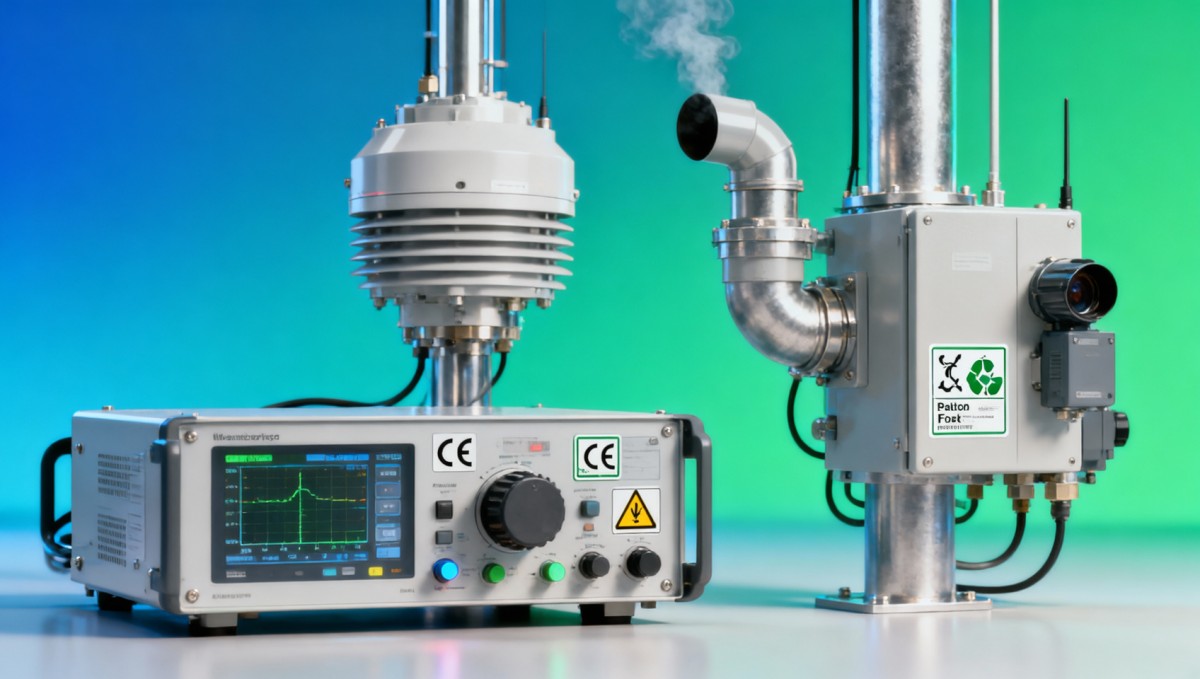
On April 10, 2026, the standalone edition of China's "Ecological Environment Code" was officially published, aligning key provisions such as "eco-design," "environmental information disclosure," and "product carbon footprint labeling" with the EU's Ecodesign for Sustainable Products Regulation (ESPR). This development is particularly significant for Chinese manufacturers of environmental protection equipment, including wastewater treatment modules, flue gas monitoring systems, and solid waste sorting equipment, as it will directly impact CE certification documentation and compliance requirements for exports to the EU.
Event Overview
The "Ecological Environment Code" introduces mandatory compliance measures for Chinese environmental protection equipment exported to the EU. Key provisions include updated eco-design standards, environmental disclosure requirements, and carbon footprint labeling, mirroring the EU's ESPR framework. The code will affect CE certification processes, energy efficiency labeling, and Digital Product Passport (DPP) submissions.
Impacted Sub-Industries
Environmental Equipment Manufacturers
Companies producing wastewater treatment modules, flue gas monitoring systems, and solid waste sorting equipment will need to revise their CE technical documentation and eco-design declarations to comply with the new standards.
Export-Oriented Enterprises
Businesses relying on EU markets must ensure their products meet the updated ecological and carbon footprint requirements to avoid trade barriers.
Supply Chain and Certification Services
Service providers assisting with CE certification and compliance documentation will need to adapt their processes to align with the new regulations.
Key Focus Areas and Recommendations
Update Technical Documentation
Manufacturers should review and revise CE certification documents to include eco-design and carbon footprint data as required by the new code.
Monitor Regulatory Updates
Stay informed about further clarifications or adjustments to the code, especially regarding implementation timelines and enforcement.
Engage with Certification Bodies
Proactively consult with EU-approved certification agencies to ensure compliance and avoid delays in product approvals.
Editor's Perspective
From an industry standpoint, this development signals a tightening of ecological standards for cross-border trade. While the immediate impact is on documentation and labeling, the long-term effect could drive broader adoption of sustainable manufacturing practices among Chinese exporters. Companies should treat this as a compliance milestone rather than a one-time adjustment, as further regulatory refinements are likely.
Conclusion
The publication of China's "Ecological Environment Code" represents a significant step toward aligning with EU sustainability standards. For environmental equipment exporters, this means heightened compliance requirements but also an opportunity to enhance product competitiveness in green markets. The industry should approach this as a strategic shift rather than a mere regulatory hurdle.
Source Information
Primary source: Official publication of the "Ecological Environment Code" (April 10, 2026). Ongoing monitoring of EU ESPR implementation guidelines is recommended.
Get weekly intelligence in your inbox.
No noise. No sponsored content. Pure intelligence.
 Apr 11, 2026China's Gold Reserves Rise for 17 Months, Green Bonds & ESG Investments SurgeChina's Gold Reserves Rise for 17 Months, Green Bonds & ESG Investments Surge
 Apr 11, 2026Vietnam to Require QR Codes & Data Integration for Imported Environmental Monitoring EquipmentVietnam to Require QR Codes & Data Integration for Imported Environmental Monitoring Equipment
 Apr 11, 2026U.S.-Iran Talks in Islamabad May Cut Solar Export Costs to Middle East by 15%U.S.-Iran Talks in Islamabad May Cut Solar Export Costs to Middle East by 15%
 Apr 11, 2026Sri Lanka Deports 125 Fraud Suspects, Sparks Demand for Cross-Border Eco-Security TechSri Lanka Deports 125 Fraud Suspects, Sparks Demand for Cross-Border Eco-Security Tech
 Apr 11, 2026Qingshan Paper's Optical Module Business Enters AI Computing ChainQingshan Paper's Optical Module Business Enters AI Computing Chain
 Apr 11, 2026Xiangtan Limits Distributed PV Capacity to 189.3MW in Q2 2026, Chinese Suppliers Shift to South America & AfricaXiangtan Limits Distributed PV Capacity to 189.3MW in Q2 2026, Chinese Suppliers Shift to South America & Africa
 Apr 11, 2026Anhui Distributed PV Grid Limits Trigger OEM Export DelaysAnhui Distributed PV Grid Limits Trigger OEM Export Delays
 Apr 11, 2026Peru's PV Capacity Overtakes Wind Power, Chinese Suppliers Gain Fast-Track Access to 420MW TendersPeru's PV Capacity Overtakes Wind Power, Chinese Suppliers Gain Fast-Track Access to 420MW Tenders
 Apr 11, 2026EU's Ecological Code Impacts China's Environmental Equipment Export to EuropeEU's Ecological Code Impacts China's Environmental Equipment Export to Europe
 Apr 11, 2026China Launches First Global Carbon Accounting Model ‘Panshi-Yuheng’China Launches First Global Carbon Accounting Model ‘Panshi-Yuheng’
 Apr 10, 2026China's New Guidelines Boost Solar Panel Recycling and ExportChina's New Guidelines Boost Solar Panel Recycling and Export
 Apr 10, 2026Yunnan Q1 Green Power Trading Hits 602M kWh, Boosts Localized Green Manufacturing CertificationYunnan Q1 Green Power Trading Hits 602M kWh, Boosts Localized Green Manufacturing Certification
 Apr 10, 2026Beijing Launches 2026 Carbon Allowance Pre-Allocation for Steel, Cement, and Aluminum SectorsBeijing Launches 2026 Carbon Allowance Pre-Allocation for Steel, Cement, and Aluminum Sectors
 Apr 10, 2026China Releases Updated National Greenhouse Gas Emission Factors DatabaseChina Releases Updated National Greenhouse Gas Emission Factors Database
 Apr 10, 2026Shandong's 22 New Energy Policies Raise Technical Barriers for China's Wind Power ExportsShandong's 22 New Energy Policies Raise Technical Barriers for China's Wind Power Exports
 Apr 10, 2026Gansu Launches 'New Energy+' Initiative, Boosting Exports of Solar Mounts and Storage ContainersGansu Launches 'New Energy+' Initiative, Boosting Exports of Solar Mounts and Storage Containers
 Apr 10, 2026China Launches Hydrogen Pilot with $160M Incentives, Boosting Equipment ExportsChina Launches Hydrogen Pilot with $160M Incentives, Boosting Equipment Exports
 Apr 10, 2026China's Rural Wind-Solar Push Sparks Export Demand for Distributed Energy EquipmentChina's Rural Wind-Solar Push Sparks Export Demand for Distributed Energy Equipment
 Apr 10, 2026Zhejiang Gas Power Market Entry: Impacts on China's Turbine Exports & ServicesZhejiang Gas Power Market Entry: Impacts on China's Turbine Exports & Services
 Apr 10, 2026US Expands Export Controls on CNC Systems and High-Precision Castings to ChinaUS Expands Export Controls on CNC Systems and High-Precision Castings to China
 Apr 09, 2026China's 11th Bulk Drug Procurement Covers 55 Chronic Disease MedicinesChina's 11th Bulk Drug Procurement Covers 55 Chronic Disease Medicines
 Apr 09, 2026Hashimoto's Thyroiditis Trend Boosts China's Thyroid Self-Test and Chronic Disease Management ExportsHashimoto's Thyroiditis Trend Boosts China's Thyroid Self-Test and Chronic Disease Management Exports
 Apr 09, 2026Dupilumab Approved in China as First Long-Acting Nasal Polyp Therapy, Impacting Global Prescription Drug ProcurementDupilumab Approved in China as First Long-Acting Nasal Polyp Therapy, Impacting Global Prescription Drug Procurement
 Apr 09, 2026Brazil Proposes Anti-Dumping Duties on Chinese Hydraulic Press ImportsBrazil Proposes Anti-Dumping Duties on Chinese Hydraulic Press Imports
 Apr 09, 2026Japan's New JIS B 6336-2026 Grinding Machine Accuracy Standard Impacts Chinese ManufacturersJapan's New JIS B 6336-2026 Grinding Machine Accuracy Standard Impacts Chinese Manufacturers
 Apr 09, 2026Middle East Construction Boom Drives Surge in Heavy Steel Casting Orders, China's Botou Cluster Extends Delivery to 14 WeeksMiddle East Construction Boom Drives Surge in Heavy Steel Casting Orders, China's Botou Cluster Extends Delivery to 14 Weeks
 Apr 09, 2026Hannover Messe Focuses on China-EU Smart Factory StandardsHannover Messe Focuses on China-EU Smart Factory Standards