Vietnam to Require QR Codes & Data Integration for Imported Environmental Monitoring Equipment
Vietnam to Require QR Codes & Data Integration for Imported Environmental Monitoring Equipment

Introduction
Vietnam's Ministry of Natural Resources and Environment proposed a draft regulation on April 8, 2026, requiring all imported water and air quality monitoring equipment to integrate with the national environmental data platform by July 2026. This move will particularly impact Chinese manufacturers exporting HJ 212 protocol-compatible devices, potentially increasing production costs by 8-12%. Environmental technology providers and industrial equipment exporters should monitor this development closely as it may reshape compliance requirements in Southeast Asia's growing environmental monitoring market.
Event Overview
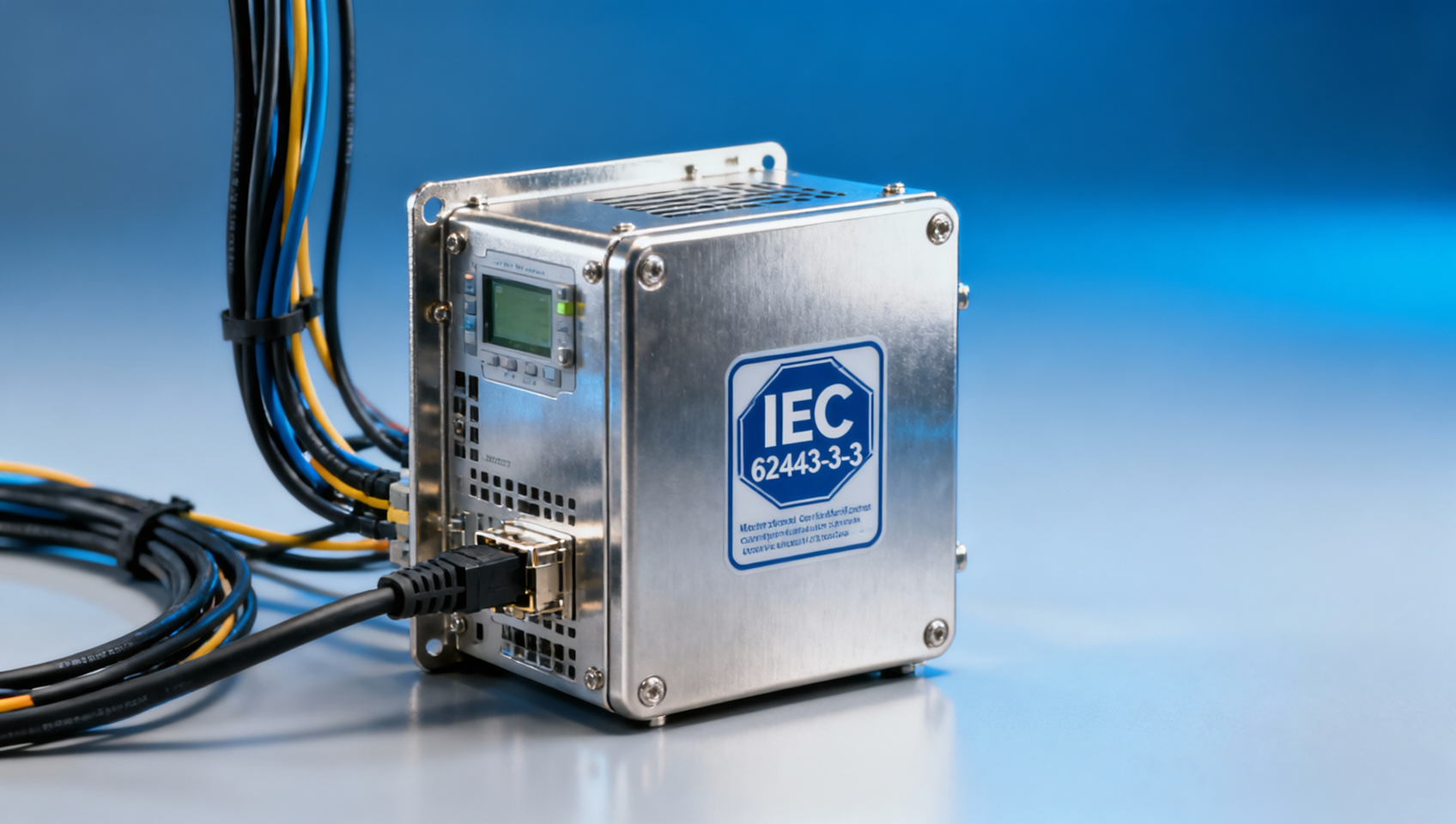
The draft "Management Measures for Environmental Protection Automatic Monitoring Equipment Data Access" mandates three key requirements for imported monitoring devices: 1) Pre-installation of Vietnam's national platform SDK, 2) Affixation of unique QR codes, and 3) Real-time data transmission to government servers. The policy is currently in the public consultation phase with implementation scheduled for July 2026.
Impact on Specific Sectors
Environmental Monitoring Equipment Manufacturers
Chinese producers of HJ 212 protocol devices face immediate technical adaptation challenges. The requirement to replace communication modules and develop Vietnam-specific data middleware will disrupt existing production lines. From an industry perspective, this may accelerate R&D investment in modular architectures that allow easier regional customization.
Industrial Plant Operators in Vietnam
Facilities using imported monitoring systems should prepare for potential service interruptions during equipment upgrades. The 8-12% cost increase per unit could affect total cost of ownership calculations for environmental compliance systems.
Data Platform Providers
Vietnam's push for centralized environmental data creates opportunities for local software developers to offer compatible middleware solutions. International providers may need to establish technical partnerships with Vietnamese firms to navigate the new SDK requirements.
Key Considerations for Businesses
Monitor Technical Specifications
Companies should track the final SDK documentation and QR code implementation guidelines expected in late 2024. Early access to these specifications will be crucial for product adaptation timelines.
Evaluate Supply Chain Adjustments
Manufacturers may need to reassess component sourcing strategies, particularly for communication modules that meet Vietnam's new data transmission standards. Some analysis suggests dual-supplier arrangements could mitigate transition risks.
Engage with Testing Agencies
Pre-certification testing with Vietnamese authorities should begin as early as Q1 2025 to avoid bottlenecks. Historical data shows similar regional compliance programs experience peak demand 12-18 months before deadlines.
Budget for Compliance Costs
The projected 8-12% cost increase should factor into 2025-26 pricing models. Forward-looking companies are already exploring cost-sharing models with Vietnamese distributors to maintain market competitiveness.
Industry Perspective
This regulation appears to be part of Vietnam's broader strategy to modernize environmental governance through data integration. While presenting immediate compliance challenges, it also signals growing sophistication in Vietnam's environmental technology market. The requirement for real-time data transmission suggests future possibilities for AI-driven environmental management systems in the region.
From an industry standpoint, the policy should be viewed as both a technical hurdle and a market signal. Companies that successfully adapt may gain preferential access to Vietnam's expanding industrial environmental monitoring sector, projected to grow 15% annually through 2030.
Conclusion
Vietnam's proposed equipment integration requirements represent a significant shift in environmental technology compliance standards. While increasing short-term adaptation costs, the move aligns with global trends toward transparent environmental data systems. Businesses should approach this as both a regulatory challenge and an opportunity to position themselves in Vietnam's evolving environmental technology landscape.
Source Information
Primary source: Draft regulation published by Vietnam's Ministry of Natural Resources and Environment on April 8, 2026. Cost impact estimates based on preliminary industry assessments. Final implementation details remain subject to change during the consultation period.
Get weekly intelligence in your inbox.
No noise. No sponsored content. Pure intelligence.
 Apr 11, 2026China's Gold Reserves Rise for 17 Months, Green Bonds & ESG Investments SurgeChina's Gold Reserves Rise for 17 Months, Green Bonds & ESG Investments Surge
 Apr 11, 2026Vietnam to Require QR Codes & Data Integration for Imported Environmental Monitoring EquipmentVietnam to Require QR Codes & Data Integration for Imported Environmental Monitoring Equipment
 Apr 11, 2026U.S.-Iran Talks in Islamabad May Cut Solar Export Costs to Middle East by 15%U.S.-Iran Talks in Islamabad May Cut Solar Export Costs to Middle East by 15%
 Apr 11, 2026Sri Lanka Deports 125 Fraud Suspects, Sparks Demand for Cross-Border Eco-Security TechSri Lanka Deports 125 Fraud Suspects, Sparks Demand for Cross-Border Eco-Security Tech
 Apr 11, 2026Qingshan Paper's Optical Module Business Enters AI Computing ChainQingshan Paper's Optical Module Business Enters AI Computing Chain
 Apr 11, 2026Xiangtan Limits Distributed PV Capacity to 189.3MW in Q2 2026, Chinese Suppliers Shift to South America & AfricaXiangtan Limits Distributed PV Capacity to 189.3MW in Q2 2026, Chinese Suppliers Shift to South America & Africa
 Apr 11, 2026Anhui Distributed PV Grid Limits Trigger OEM Export DelaysAnhui Distributed PV Grid Limits Trigger OEM Export Delays
 Apr 11, 2026Peru's PV Capacity Overtakes Wind Power, Chinese Suppliers Gain Fast-Track Access to 420MW TendersPeru's PV Capacity Overtakes Wind Power, Chinese Suppliers Gain Fast-Track Access to 420MW Tenders
 Apr 11, 2026EU's Ecological Code Impacts China's Environmental Equipment Export to EuropeEU's Ecological Code Impacts China's Environmental Equipment Export to Europe
 Apr 11, 2026China Launches First Global Carbon Accounting Model ‘Panshi-Yuheng’China Launches First Global Carbon Accounting Model ‘Panshi-Yuheng’
 Apr 10, 2026China's New Guidelines Boost Solar Panel Recycling and ExportChina's New Guidelines Boost Solar Panel Recycling and Export
 Apr 10, 2026Yunnan Q1 Green Power Trading Hits 602M kWh, Boosts Localized Green Manufacturing CertificationYunnan Q1 Green Power Trading Hits 602M kWh, Boosts Localized Green Manufacturing Certification
 Apr 10, 2026Beijing Launches 2026 Carbon Allowance Pre-Allocation for Steel, Cement, and Aluminum SectorsBeijing Launches 2026 Carbon Allowance Pre-Allocation for Steel, Cement, and Aluminum Sectors
 Apr 10, 2026China Releases Updated National Greenhouse Gas Emission Factors DatabaseChina Releases Updated National Greenhouse Gas Emission Factors Database
 Apr 10, 2026Shandong's 22 New Energy Policies Raise Technical Barriers for China's Wind Power ExportsShandong's 22 New Energy Policies Raise Technical Barriers for China's Wind Power Exports
 Apr 10, 2026Gansu Launches 'New Energy+' Initiative, Boosting Exports of Solar Mounts and Storage ContainersGansu Launches 'New Energy+' Initiative, Boosting Exports of Solar Mounts and Storage Containers
 Apr 10, 2026China Launches Hydrogen Pilot with $160M Incentives, Boosting Equipment ExportsChina Launches Hydrogen Pilot with $160M Incentives, Boosting Equipment Exports
 Apr 10, 2026China's Rural Wind-Solar Push Sparks Export Demand for Distributed Energy EquipmentChina's Rural Wind-Solar Push Sparks Export Demand for Distributed Energy Equipment
 Apr 10, 2026Zhejiang Gas Power Market Entry: Impacts on China's Turbine Exports & ServicesZhejiang Gas Power Market Entry: Impacts on China's Turbine Exports & Services
 Apr 10, 2026US Expands Export Controls on CNC Systems and High-Precision Castings to ChinaUS Expands Export Controls on CNC Systems and High-Precision Castings to China
 Apr 09, 2026China's 11th Bulk Drug Procurement Covers 55 Chronic Disease MedicinesChina's 11th Bulk Drug Procurement Covers 55 Chronic Disease Medicines
 Apr 09, 2026Hashimoto's Thyroiditis Trend Boosts China's Thyroid Self-Test and Chronic Disease Management ExportsHashimoto's Thyroiditis Trend Boosts China's Thyroid Self-Test and Chronic Disease Management Exports
 Apr 09, 2026Dupilumab Approved in China as First Long-Acting Nasal Polyp Therapy, Impacting Global Prescription Drug ProcurementDupilumab Approved in China as First Long-Acting Nasal Polyp Therapy, Impacting Global Prescription Drug Procurement
 Apr 09, 2026Brazil Proposes Anti-Dumping Duties on Chinese Hydraulic Press ImportsBrazil Proposes Anti-Dumping Duties on Chinese Hydraulic Press Imports
 Apr 09, 2026Japan's New JIS B 6336-2026 Grinding Machine Accuracy Standard Impacts Chinese ManufacturersJapan's New JIS B 6336-2026 Grinding Machine Accuracy Standard Impacts Chinese Manufacturers
 Apr 09, 2026Middle East Construction Boom Drives Surge in Heavy Steel Casting Orders, China's Botou Cluster Extends Delivery to 14 WeeksMiddle East Construction Boom Drives Surge in Heavy Steel Casting Orders, China's Botou Cluster Extends Delivery to 14 Weeks
 Apr 09, 2026Hannover Messe Focuses on China-EU Smart Factory StandardsHannover Messe Focuses on China-EU Smart Factory Standards