APEC Suzhou Declaration Advances Cross-Border eBL Interoperability
APEC Trade Ministers adopted the Suzhou Declaration on May 27, 2026, formally prioritizing the establishment of a cross-border electronic bill of lading (eBL) technical interoperability framework across the Asia-Pacific region. This development signals growing policy support for digital trade documentation — with direct implications for freight SaaS providers, international logistics service providers, and exporters/importers engaged in containerized maritime trade.
Event Overview
On May 27, 2026, the APEC Trade Ministers’ Meeting concluded with the adoption of the Suzhou Declaration. The document explicitly identifies ‘establishing an Asia-Pacific cross-border electronic bill of lading (eBL) technical interoperability framework’ as a priority action. It affirms intent to accelerate maritime documentary digitization and provides policy recognition for trade technology solutions aligned with UNCTAD and ICC standards.

Industries Affected
Freight SaaS and Trade Technology Providers
These companies develop or operate cloud-based platforms supporting eBL issuance, verification, transfer, and integration with customs or port systems. The Declaration offers formal regional endorsement of interoperability as a strategic objective — potentially lowering market-entry barriers in APEC economies where regulatory alignment on eBL recognition remains fragmented.
International Freight Forwarders and NVOCCs
Forwarders handling multi-leg shipments across APEC member economies face operational friction when eBL formats or validation protocols differ by jurisdiction. Standardized interoperability would reduce manual reconciliation, paper fallbacks, and delays in cargo release — especially for time-sensitive or high-value consignments.
Export-Oriented Manufacturing and Trading Companies
Manufacturers and traders issuing or receiving eBLs under letters of credit or open-account terms may encounter acceptance gaps across banks or destination ports. Greater interoperability supports smoother financing, faster title transfer, and reduced documentary risk — particularly where local banks lack eBL processing capacity.
What Stakeholders Should Monitor and Do Now
Track official implementation roadmaps from APEC working groups
The Declaration sets direction but does not specify timelines, technical specifications, or governance mechanisms. Stakeholders should monitor outputs from the APEC Electronic Commerce Steering Group (ECSG) and the Joint Working Group on Trade Facilitation for concrete next steps — including pilot jurisdictions or reference architecture drafts.
Assess current eBL integration against UNCTAD/ICC baseline standards
Organizations deploying or procuring eBL solutions should verify whether their systems align with the UNCITRAL Model Law on Electronic Transferable Records (MLETR), ICC’s eBL Rulebook, and UN/CEFACT standards. Alignment now positions them to respond efficiently when national implementations begin.
Distinguish policy signal from near-term operational change
This is a multilateral commitment — not an immediate regulatory mandate. Domestic legal recognition of eBLs, bank acceptance policies, and port system upgrades will proceed at varying paces across APEC members. Companies should avoid assuming uniform readiness across markets like Vietnam, Mexico, or Indonesia in the next 12–18 months.
Review contractual clauses involving electronic documents
Parties using eBLs in sales contracts, charter parties, or financing arrangements should confirm whether governing law clauses and dispute resolution mechanisms accommodate electronic record validity — especially where counterparties operate in jurisdictions without MLETR adoption.
Editorial Observation / Industry Perspective
Observably, the Suzhou Declaration functions primarily as a high-level coordination signal — not an operational standard or binding agreement. Analysis shows it reflects converging interests among APEC economies to reduce documentary friction in maritime trade, but actual interoperability depends on national implementation, technical harmonization, and private-sector adoption incentives. From an industry perspective, this milestone matters less as an immediate trigger and more as a marker of accelerating institutional momentum behind eBL infrastructure. Continued attention is warranted because interoperability frameworks often precede bilateral recognition agreements and shape future public-sector procurement criteria for trade platforms.
Conclusion
The Suzhou Declaration represents a coordinated political acknowledgment of eBL interoperability as a trade facilitation priority — not yet a functional system or guaranteed market access. For stakeholders, it is better understood as an early-stage enabler than a near-term solution. Rational engagement involves monitoring technical workstreams, auditing current eBL compliance posture, and preparing for phased, jurisdiction-specific rollout — rather than expecting broad-based operational change before 2027.
Source Attribution
Main source: Official communiqué of the 2026 APEC Trade Ministers’ Meeting, issued May 27, 2026, in Suzhou, China.
Areas requiring ongoing observation: Technical specifications, national implementation timelines, and pilot program announcements from APEC ECSG and relevant national authorities.
Get weekly intelligence in your inbox.
No noise. No sponsored content. Pure intelligence.
 Oct 24, 2026Tesla Q3 2026 Storage Deployments Rank Second Highest as Revenue Falls 16%Tesla Q3 2026 Storage Deployments Rank Second Highest as Revenue Falls 16%
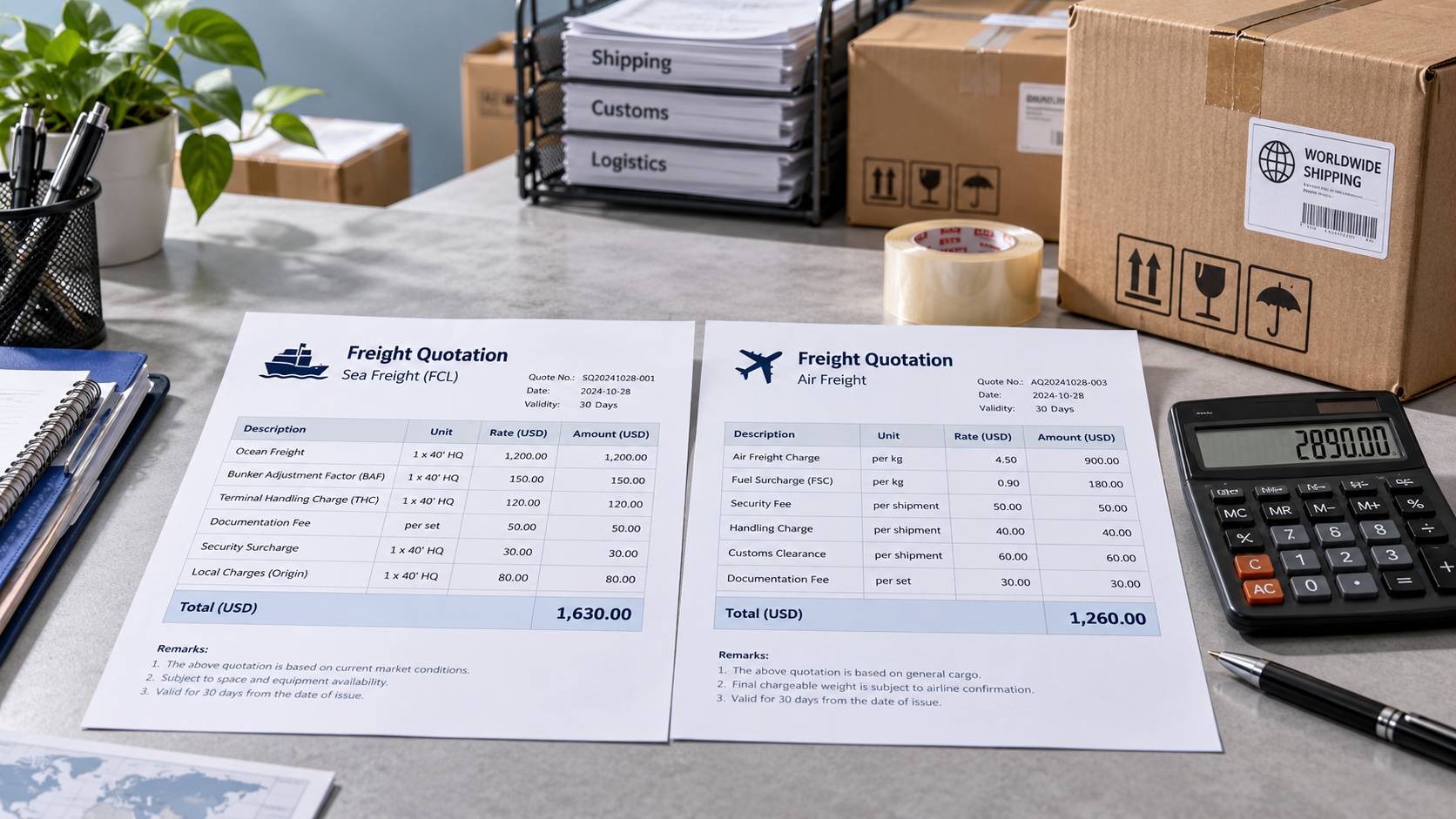
 Oct 24, 2026Freight Forwarding Services Pricing: Comparing Quotes Beyond Base RatesFreight Forwarding Services Pricing: Comparing Quotes Beyond Base Rates
 Oct 23, 2026IndexBox Issues Off-Grid Solar Outlook to 2035, Forecasting 8.2% CAGRIndexBox Issues Off-Grid Solar Outlook to 2035, Forecasting 8.2% CAGR
 Oct 23, 2026NSF/ANSI 49 Biosafety Cabinets: Product Certification vs. Field TestingNSF/ANSI 49 Biosafety Cabinets: Product Certification vs. Field Testing
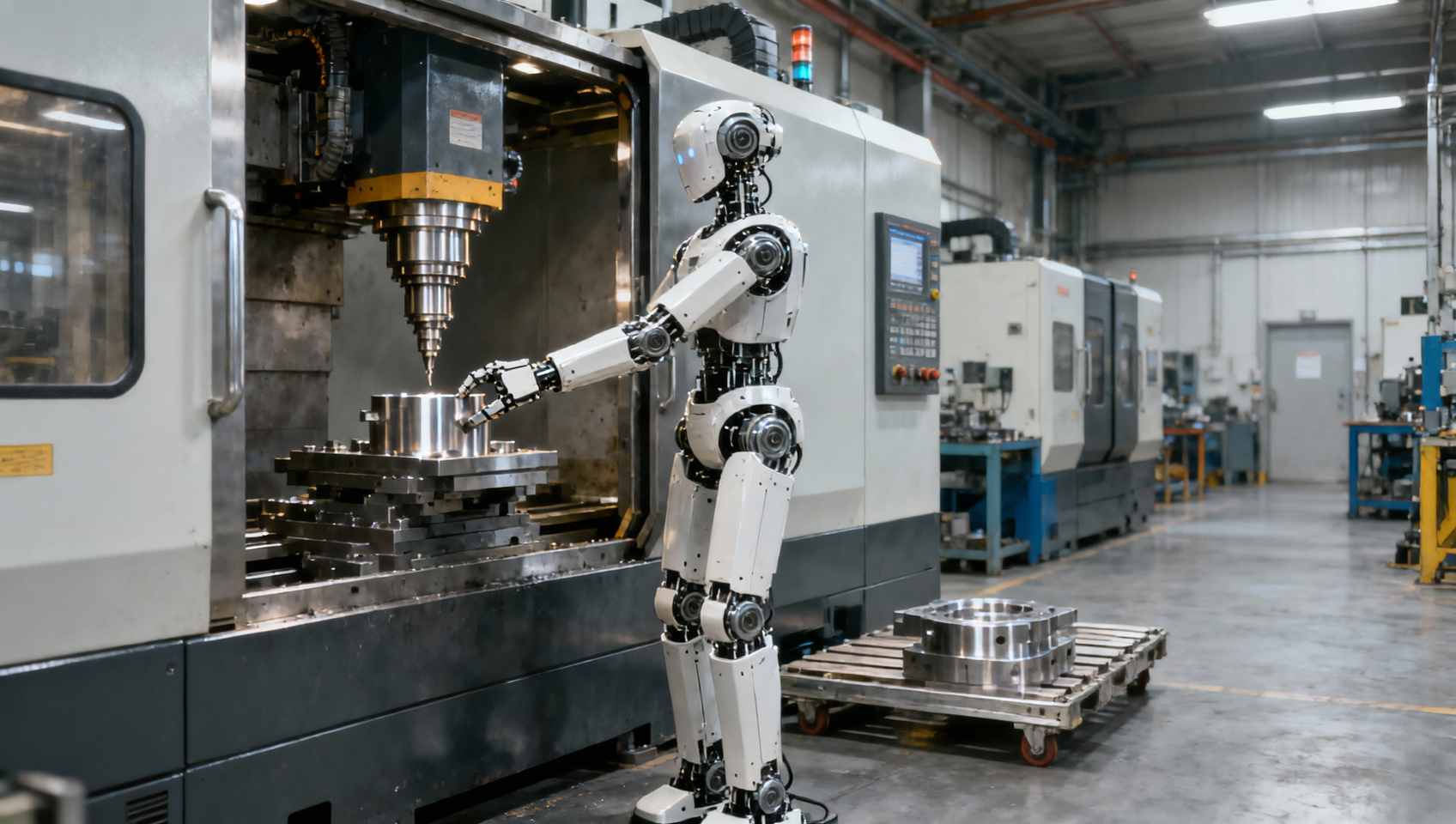
 Oct 22, 2026Mitsubishi Electric Develops Industry-First Humanoid Robot–CNC Machining SystemMitsubishi Electric Develops Industry-First Humanoid Robot–CNC Machining System
 Oct 22, 2026Aerospace Aluminum Machining: How to Control Distortion in Thin-Wall PartsAerospace Aluminum Machining: How to Control Distortion in Thin-Wall Parts
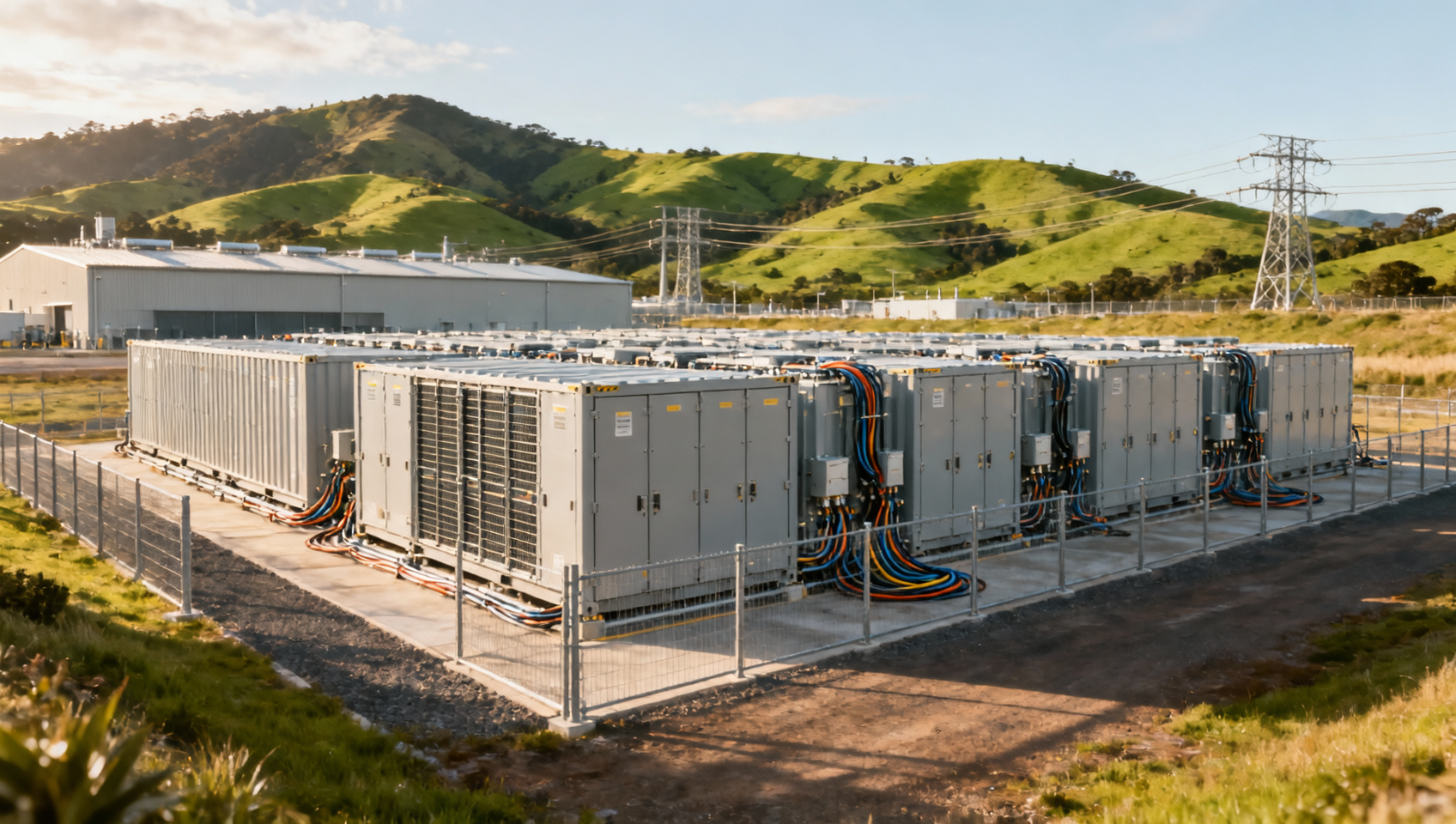
 Oct 21, 2026Genesis Energy commissions 200 MWh battery storage system at HuntlyGenesis Energy commissions 200 MWh battery storage system at Huntly
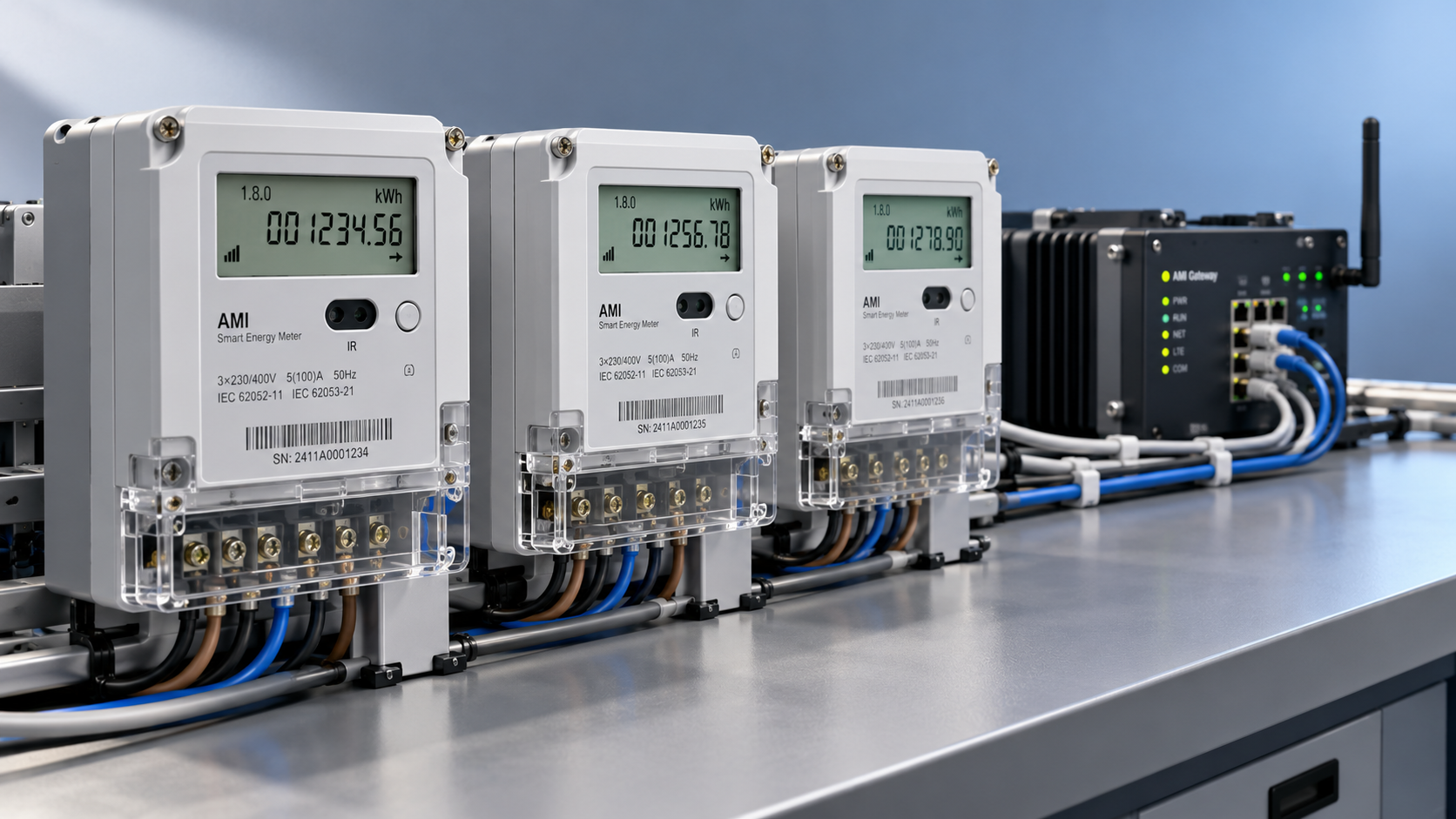
 Oct 21, 2026Buying AMI Smart Meters Wholesale: Compatibility Checks and Total CostsBuying AMI Smart Meters Wholesale: Compatibility Checks and Total Costs
 Oct 20, 2026Werner Enterprises Issues Q3 Earnings Warning as Costs RiseWerner Enterprises Issues Q3 Earnings Warning as Costs Rise
 Oct 20, 2026Are Digital Twins Viable for SMEs? Costs, Use Cases, and Data RequirementsAre Digital Twins Viable for SMEs? Costs, Use Cases, and Data Requirements
 Oct 19, 2026Choosing a Wholesale Servo Motor Exporter: Traceability and Warranty ChecksChoosing a Wholesale Servo Motor Exporter: Traceability and Warranty Checks
 Oct 18, 2026Syringe Manufacturing Equipment: Evaluating Throughput and Assembly AccuracySyringe Manufacturing Equipment: Evaluating Throughput and Assembly Accuracy
 Oct 17, 2026Air Freight Forwarding Services: How to Compare Quotes for Urgent ShipmentsAir Freight Forwarding Services: How to Compare Quotes for Urgent Shipments
 Oct 16, 2026Wholesale Solar Panels: How to Compare Bulk Quotes by Total Landed CostWholesale Solar Panels: How to Compare Bulk Quotes by Total Landed Cost
 Oct 15, 2026Supply Chain Intelligence for Sourcing: How to Vet New SuppliersSupply Chain Intelligence for Sourcing: How to Vet New Suppliers
 Oct 14, 2026How energy costs shape smart manufacturing investment in EuropeHow energy costs shape smart manufacturing investment in Europe
 Oct 14, 2026How skills shortages slow smart manufacturing in Southeast AsiaHow skills shortages slow smart manufacturing in Southeast Asia
 Oct 14, 2026How CNC wire-cut machining maintains tight tolerances in thick partsHow CNC wire-cut machining maintains tight tolerances in thick parts
 Oct 14, 2026Can automated feeding stabilize metal forming in smart factories?Can automated feeding stabilize metal forming in smart factories?
 Oct 14, 2026Can CT inspection detect internal defects in metal additive parts?Can CT inspection detect internal defects in metal additive parts?
 Oct 14, 2026When does additive manufacturing reduce lead time for spare parts?When does additive manufacturing reduce lead time for spare parts?
 Oct 14, 2026How production volume affects ROI on an automated painting lineHow production volume affects ROI on an automated painting line
 Oct 14, 2026What data does manufacturing bottleneck analysis consulting need?What data does manufacturing bottleneck analysis consulting need?
 Oct 14, 2026When should you hire a consultant for manufacturing bottlenecks?When should you hire a consultant for manufacturing bottlenecks?
 Oct 14, 2026What Are Electronics Exporters' Top Supply Chain Resilience Gaps in 2026?What Are Electronics Exporters' Top Supply Chain Resilience Gaps in 2026?
 Oct 14, 2026How Do You Measure AI Adoption Maturity in a Traditional Factory?How Do You Measure AI Adoption Maturity in a Traditional Factory?
 Oct 14, 2026Are Chinese AI-Assisted Surgical Devices Gaining Global Trust?Are Chinese AI-Assisted Surgical Devices Gaining Global Trust?