Loudi, Hunan’s Q1 Outbound Investment Surges 174.9% in New Energy & Smart Warehousing
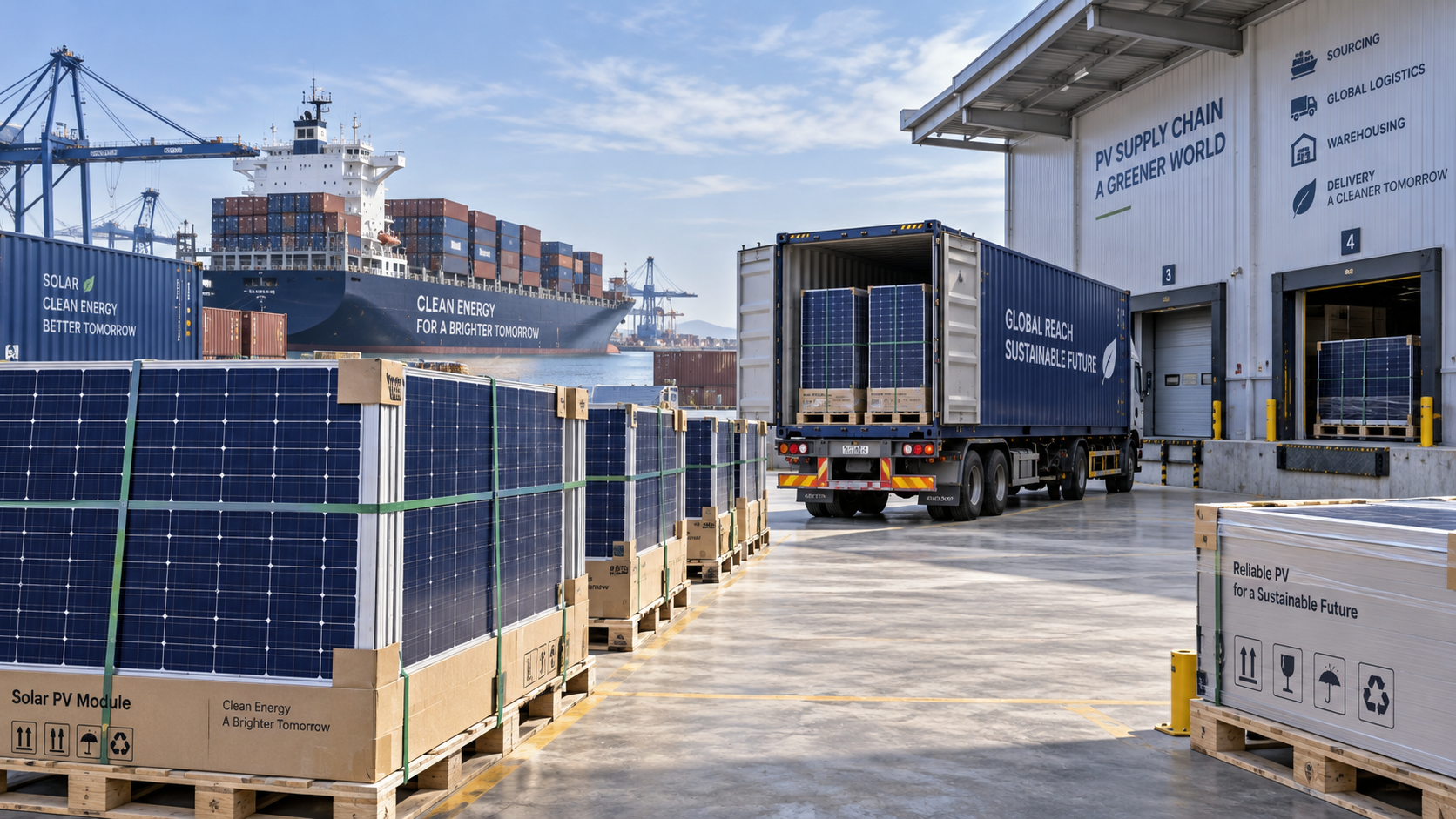
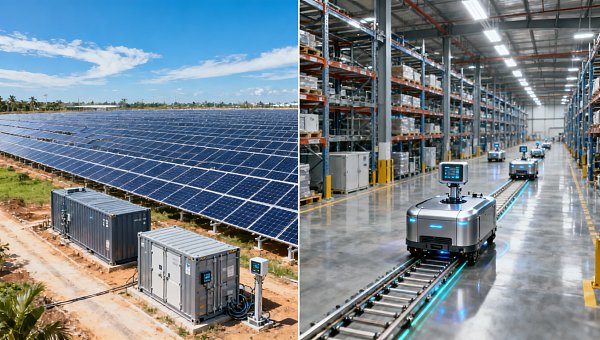
Loudi City in Hunan Province recorded a 174.9% year-on-year increase in actual outbound investment in Q1 2026, with capital primarily directed toward solar PV power plant EPC projects in Southeast Asia and integrated smart warehouse robotics deployments in Mexico. This development signals a notable shift in Chinese manufacturing capital going global — moving beyond equipment exports to delivering end-to-end solutions combining engineering, hardware, and localized operational support. Stakeholders in new energy infrastructure, industrial automation, cross-border engineering services, and supply chain integration should monitor this trend closely, as it reflects evolving expectations for overseas project execution capability.
Event Overview
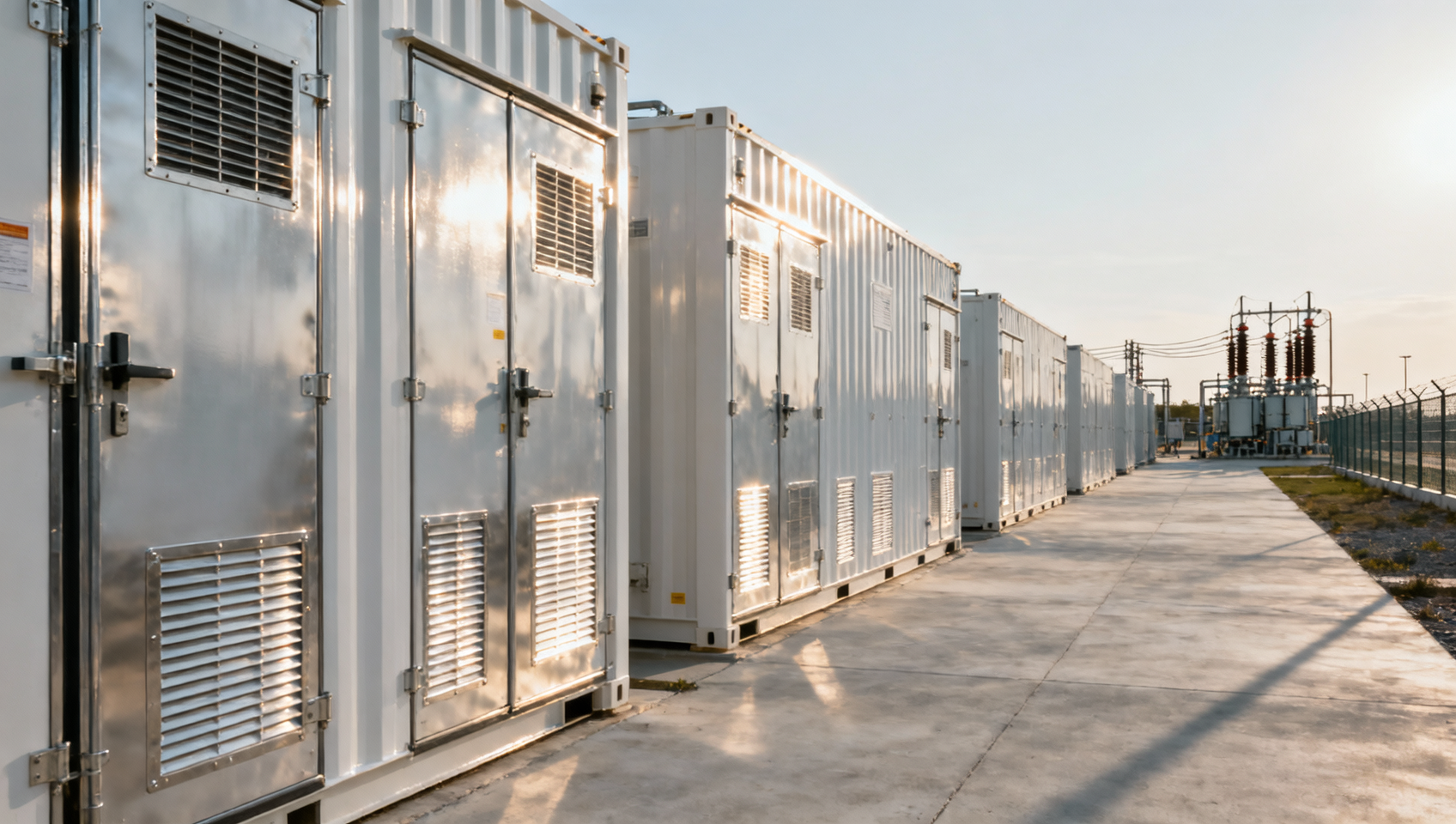
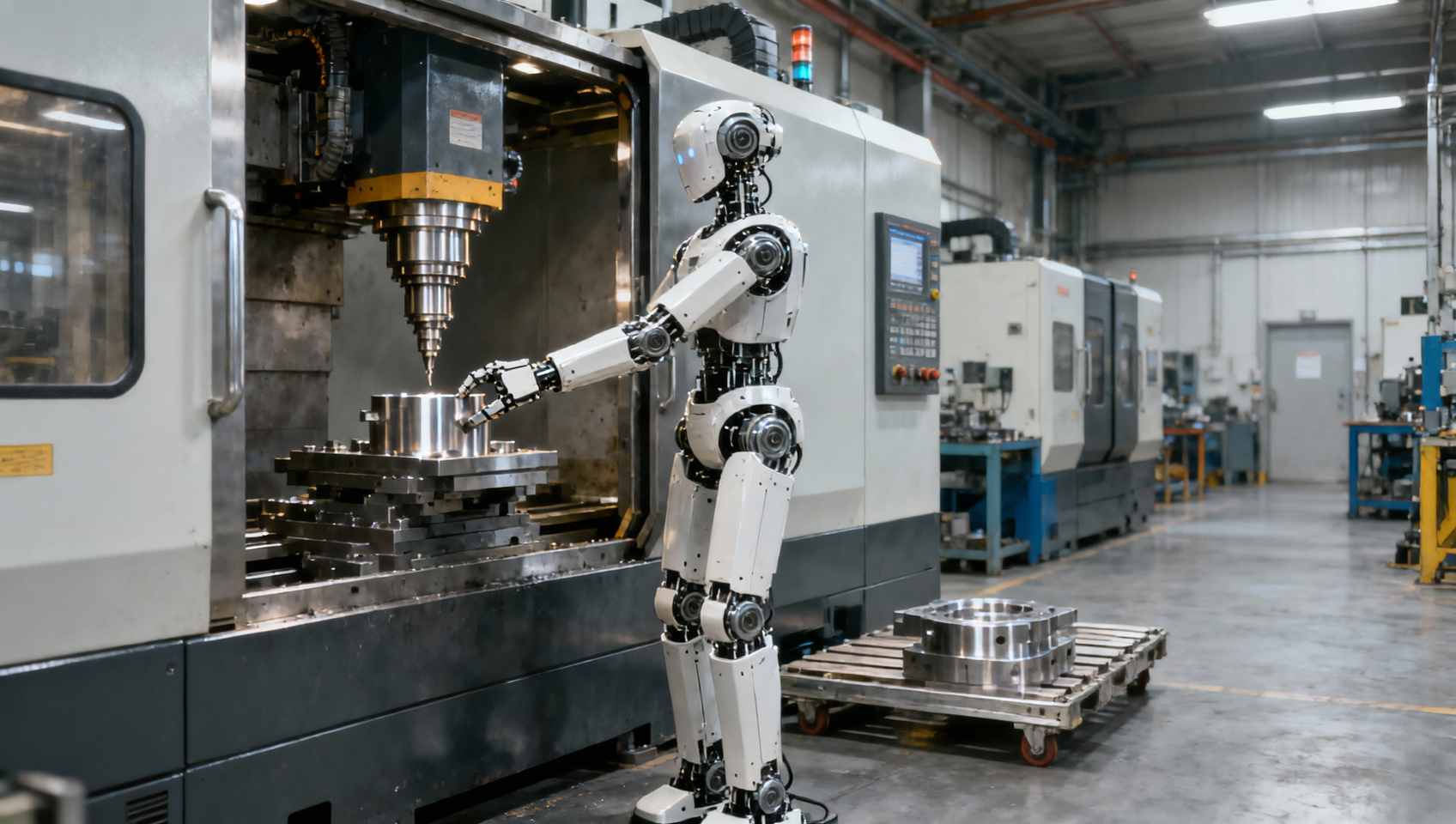
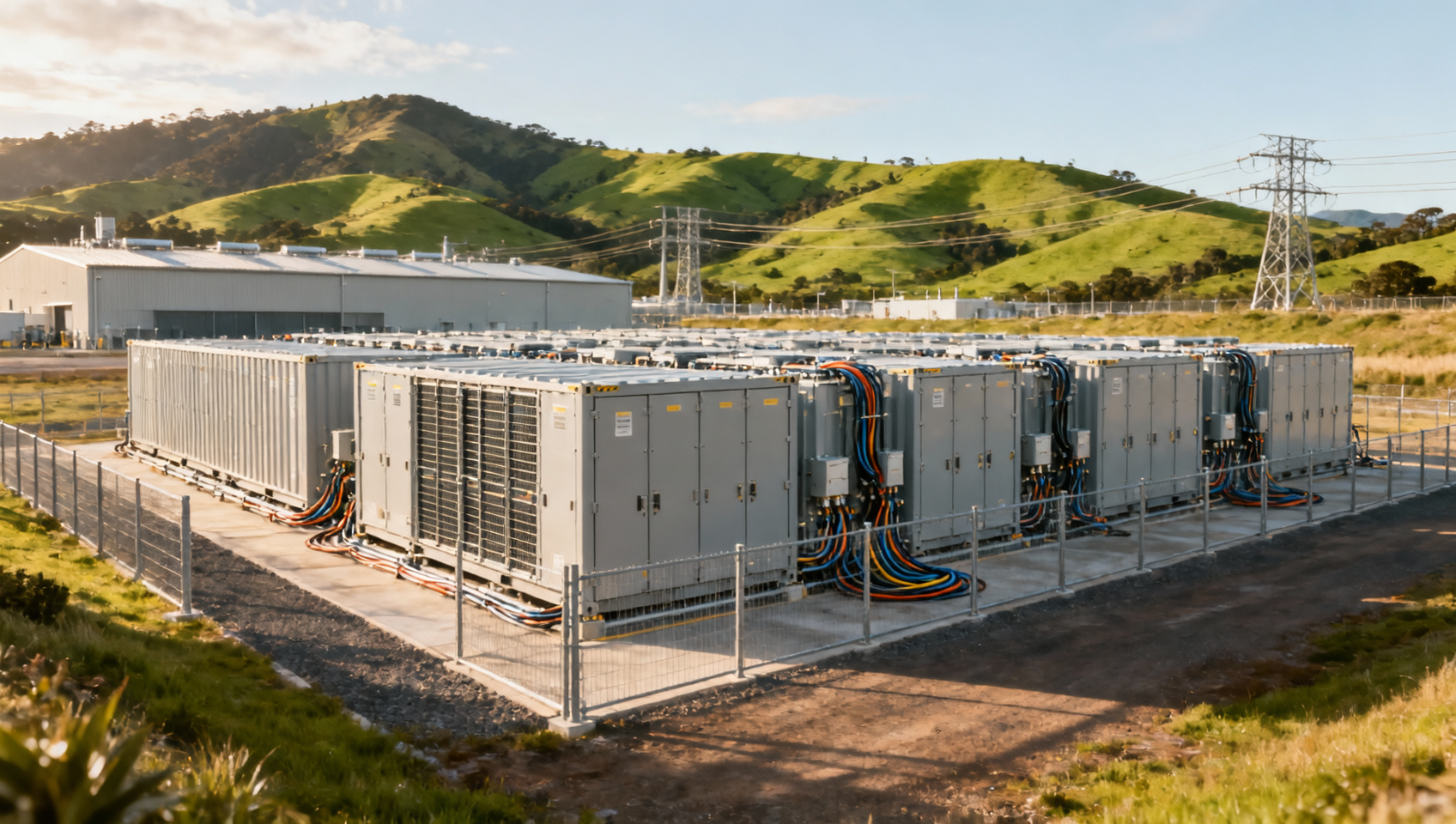
On May 28, 2026, data released by Loudi Municipal Bureau of Commerce confirmed that the city’s actual outbound investment in Q1 2026 rose by 174.9% year-on-year. Key destinations included Southeast Asia (for photovoltaic power station EPC contracts) and Mexico (for intelligent warehouse robotics system integration). The investment model emphasized bundled delivery: from battery energy storage systems to warehouse robotics deployment, supported by on-the-ground service capacity.
Industries Affected
Photovoltaic Engineering & Construction Firms: These firms face intensified competition for overseas EPC tenders requiring integrated battery storage design and local regulatory compliance support. Impact includes rising demand for joint-venture partnerships with local engineering consultancies and expanded scope-of-work expectations beyond pure construction.
Industrial Robotics Integrators: Companies specializing in warehouse automation are seeing increased demand for full-stack integration — not just robot hardware supply, but also WMS interoperability, commissioning, maintenance training, and after-sales localization. Margins may compress unless service bundling is priced separately.
Cross-Border Supply Chain Service Providers: Logistics, customs brokerage, and localization consulting firms are experiencing higher request volumes for market-entry support in emerging logistics hubs like Mexico’s Querétaro or Vietnam’s Bac Ninh. Demand centers on rapid setup of warehousing infrastructure, certification alignment (e.g., NOM-037 for Mexican robotics safety), and bilingual technical documentation.
Domestic Equipment Manufacturers (Battery Storage & AGV/AMR): Export-oriented OEMs must adapt product certifications and technical manuals to regional standards earlier in the sales cycle. Delayed alignment risks disqualification from integrated bids where full-system validation is required pre-contract award.
What Relevant Enterprises or Practitioners Should Monitor and Do Now
Track official policy guidance on outbound investment facilitation
Monitor announcements from China’s Ministry of Commerce and provincial departments regarding updated lists of priority sectors and markets for outbound investment support — especially those referencing ‘integrated smart infrastructure’ or ‘green logistics’. These may signal upcoming preferential financing or risk-sharing mechanisms.
Assess exposure to high-growth target markets in real time
Review current pipeline activity in Southeast Asia (especially Thailand, Vietnam, Malaysia) and Mexico — particularly around industrial park developments with embedded energy storage or automated fulfillment requirements. Prioritize engagement with local partners already active in those zones.
Distinguish between policy signaling and executable business opportunities
While the Loudi data reflects growing institutional confidence in integrated overseas delivery, most such projects remain pilot-scale or government-backed. Avoid overextending commercial commitments until contract-level visibility improves — e.g., signed EPC agreements or MOUs with defined scope, payment terms, and local partner roles.
Prepare modular localization kits for core product lines
Develop standardized technical documentation packages (including bilingual operation manuals, safety compliance summaries, and spare parts catalogs) aligned with key target markets’ regulatory frameworks — especially for battery storage systems (IEC 62619, UL 1973) and robotics (ISO/TS 15066, NOM-037). Pre-approved kits accelerate bid response timelines.
Editorial Observation / Industry Perspective
Observably, this surge is less about volume alone and more about a structural pivot: Chinese capital is increasingly evaluated abroad not by unit cost, but by speed-to-operation and post-deployment reliability. Analysis shows the ‘engineering + equipment + local service’ model is gaining traction where host governments prioritize job creation, skills transfer, and grid stability — factors now baked into tender evaluation criteria across multiple ASEAN and nearshoring markets. From an industry standpoint, this is currently a strong signal — not yet a widespread outcome — suggesting that firms building scalable localization capabilities (not just sales channels) will gain asymmetric advantage in the next 12–24 months. Sustained attention is warranted because execution maturity, not investment volume, will determine long-term market share.
Conclusion: The Loudi Q1 data reflects a measurable acceleration in the sophistication of Chinese outbound industrial investment — shifting from component supply to integrated infrastructure delivery. It does not indicate broad-based market saturation or guaranteed profitability, but rather underscores a growing premium on coordinated, multi-disciplinary execution capability. Currently, this is best understood as an early indicator of capability convergence across energy, automation, and logistics sectors — one that rewards preparedness over scale alone.
Source: Loudi Municipal Bureau of Commerce (official release, May 28, 2026).
Noted for ongoing observation: Actual contract award volumes, payment milestone adherence, and local partner performance metrics in the referenced Southeast Asian and Mexican projects remain unconfirmed and require follow-up reporting.
Get weekly intelligence in your inbox.
No noise. No sponsored content. Pure intelligence.
 Oct 24, 2026Tesla Q3 2026 Storage Deployments Rank Second Highest as Revenue Falls 16%Tesla Q3 2026 Storage Deployments Rank Second Highest as Revenue Falls 16%
 Oct 24, 2026Freight Forwarding Services Pricing: Comparing Quotes Beyond Base RatesFreight Forwarding Services Pricing: Comparing Quotes Beyond Base Rates
 Oct 23, 2026IndexBox Issues Off-Grid Solar Outlook to 2035, Forecasting 8.2% CAGRIndexBox Issues Off-Grid Solar Outlook to 2035, Forecasting 8.2% CAGR
 Oct 23, 2026NSF/ANSI 49 Biosafety Cabinets: Product Certification vs. Field TestingNSF/ANSI 49 Biosafety Cabinets: Product Certification vs. Field Testing
 Oct 22, 2026Mitsubishi Electric Develops Industry-First Humanoid Robot–CNC Machining SystemMitsubishi Electric Develops Industry-First Humanoid Robot–CNC Machining System
 Oct 22, 2026Aerospace Aluminum Machining: How to Control Distortion in Thin-Wall PartsAerospace Aluminum Machining: How to Control Distortion in Thin-Wall Parts
 Oct 21, 2026Genesis Energy commissions 200 MWh battery storage system at HuntlyGenesis Energy commissions 200 MWh battery storage system at Huntly
 Oct 21, 2026Buying AMI Smart Meters Wholesale: Compatibility Checks and Total CostsBuying AMI Smart Meters Wholesale: Compatibility Checks and Total Costs
 Oct 20, 2026Werner Enterprises Issues Q3 Earnings Warning as Costs RiseWerner Enterprises Issues Q3 Earnings Warning as Costs Rise
 Oct 20, 2026Are Digital Twins Viable for SMEs? Costs, Use Cases, and Data RequirementsAre Digital Twins Viable for SMEs? Costs, Use Cases, and Data Requirements
 Oct 19, 2026Choosing a Wholesale Servo Motor Exporter: Traceability and Warranty ChecksChoosing a Wholesale Servo Motor Exporter: Traceability and Warranty Checks
 Oct 18, 2026Syringe Manufacturing Equipment: Evaluating Throughput and Assembly AccuracySyringe Manufacturing Equipment: Evaluating Throughput and Assembly Accuracy
 Oct 17, 2026Air Freight Forwarding Services: How to Compare Quotes for Urgent ShipmentsAir Freight Forwarding Services: How to Compare Quotes for Urgent Shipments
 Oct 16, 2026Wholesale Solar Panels: How to Compare Bulk Quotes by Total Landed CostWholesale Solar Panels: How to Compare Bulk Quotes by Total Landed Cost
 Oct 15, 2026Supply Chain Intelligence for Sourcing: How to Vet New SuppliersSupply Chain Intelligence for Sourcing: How to Vet New Suppliers
 Oct 14, 2026How energy costs shape smart manufacturing investment in EuropeHow energy costs shape smart manufacturing investment in Europe
 Oct 14, 2026How skills shortages slow smart manufacturing in Southeast AsiaHow skills shortages slow smart manufacturing in Southeast Asia
 Oct 14, 2026How CNC wire-cut machining maintains tight tolerances in thick partsHow CNC wire-cut machining maintains tight tolerances in thick parts
 Oct 14, 2026Can automated feeding stabilize metal forming in smart factories?Can automated feeding stabilize metal forming in smart factories?
 Oct 14, 2026Can CT inspection detect internal defects in metal additive parts?Can CT inspection detect internal defects in metal additive parts?
 Oct 14, 2026When does additive manufacturing reduce lead time for spare parts?When does additive manufacturing reduce lead time for spare parts?
 Oct 14, 2026How production volume affects ROI on an automated painting lineHow production volume affects ROI on an automated painting line
 Oct 14, 2026What data does manufacturing bottleneck analysis consulting need?What data does manufacturing bottleneck analysis consulting need?
 Oct 14, 2026When should you hire a consultant for manufacturing bottlenecks?When should you hire a consultant for manufacturing bottlenecks?
 Oct 14, 2026What Are Electronics Exporters' Top Supply Chain Resilience Gaps in 2026?What Are Electronics Exporters' Top Supply Chain Resilience Gaps in 2026?
 Oct 14, 2026How Do You Measure AI Adoption Maturity in a Traditional Factory?How Do You Measure AI Adoption Maturity in a Traditional Factory?
 Oct 14, 2026Are Chinese AI-Assisted Surgical Devices Gaining Global Trust?Are Chinese AI-Assisted Surgical Devices Gaining Global Trust?