What Drives Cost in electronic enclosure fabrication?
For sourcing and engineering functions, understanding what drives cost in electronic enclosure fabrication is essential to controlling budgets, reducing supplier risk, and improving product competitiveness.
Pricing is shaped by material selection, design complexity, tooling, surface finishing, compliance requirements, order volume, and supply chain conditions.
In a market where lead times and customization demands continue to rise, buyers need more than a unit price.
They need visibility into every cost variable behind electronic enclosure fabrication and practical ways to compare suppliers with confidence.
What does electronic enclosure fabrication include?
Electronic enclosure fabrication covers the processes used to create protective housings for electronic assemblies, controls, power systems, sensors, and communication devices.
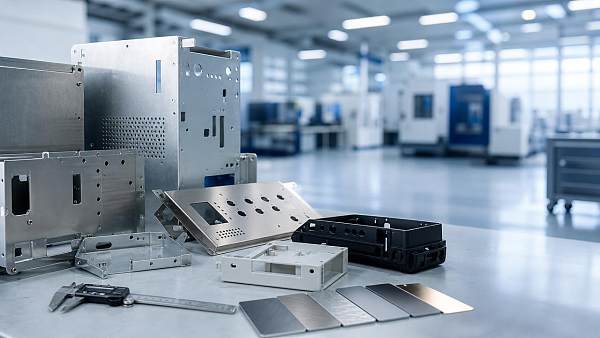
The enclosure may be built from sheet metal, aluminum, stainless steel, plastic, die-cast alloy, or composite materials.
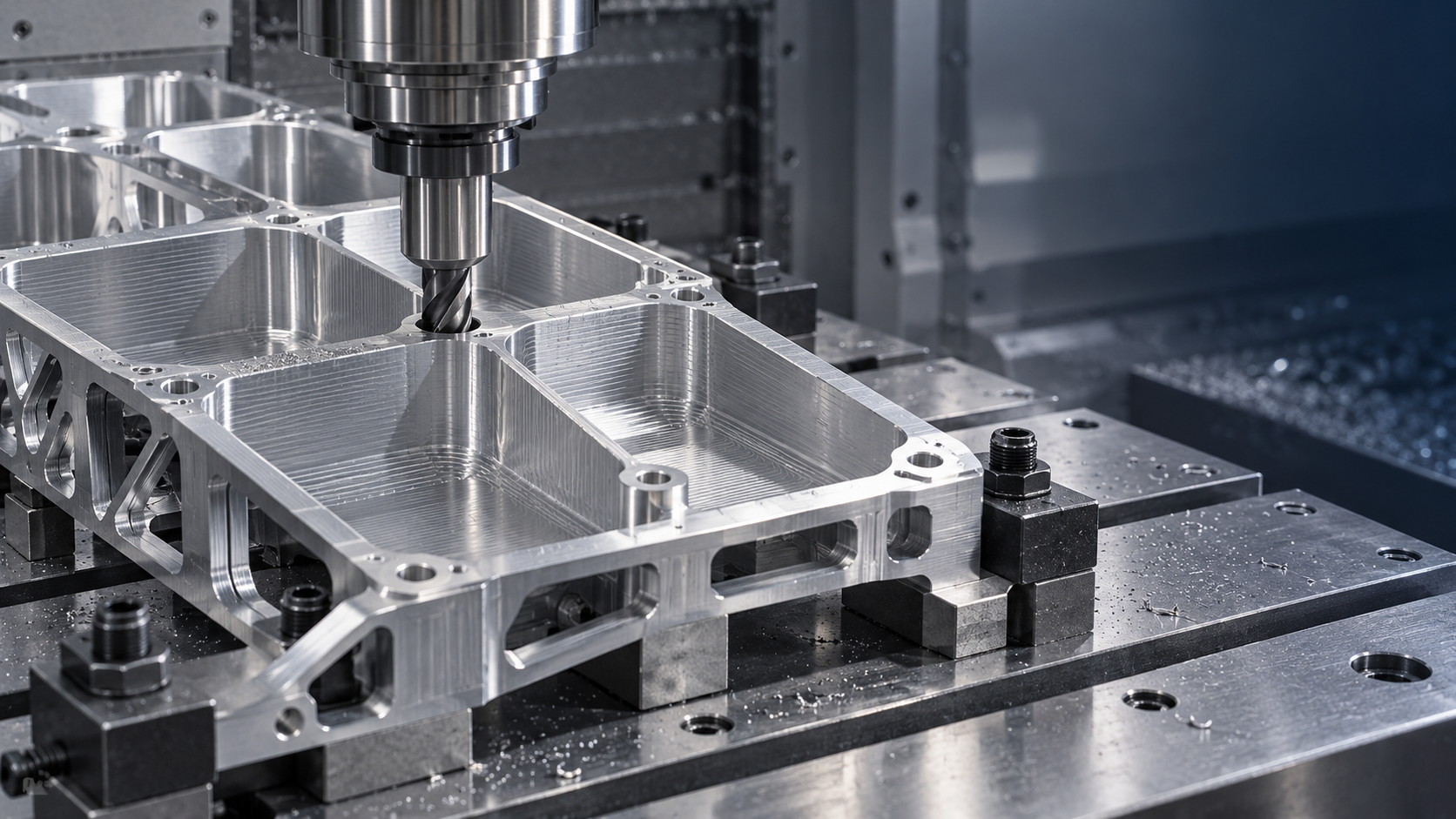
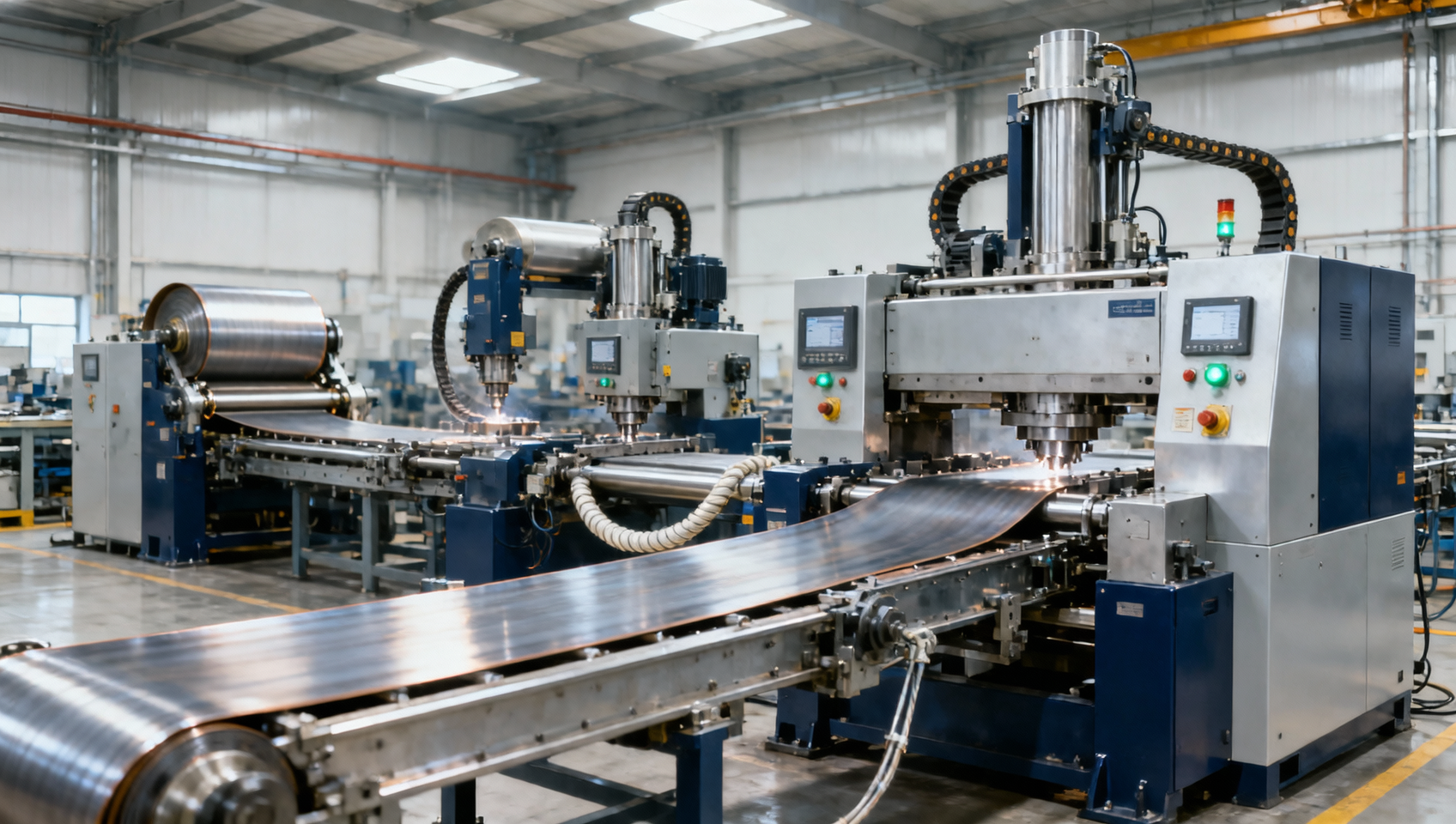
Typical operations include cutting, punching, bending, welding, machining, forming, deburring, finishing, assembly, inspection, and packaging.
The goal is not only to hold electronics. The enclosure must protect against dust, moisture, impact, vibration, heat, and electromagnetic interference.
This is why electronic enclosure fabrication cost is rarely based on size alone. A small enclosure can be expensive if tolerances are tight.
A larger enclosure may cost less per unit when it uses standard bends, common materials, and simple finishing.
Why does the definition matter for cost comparison?
Quotations often look different because suppliers include different scopes. One quote may include hardware, gaskets, labeling, and testing.
Another may only include the fabricated shell. Without scope alignment, electronic enclosure fabrication pricing becomes difficult to compare.
A complete request should define material grade, thickness, finish, drawings, tolerances, assembly requirements, certification needs, and annual volume.
How does material selection affect electronic enclosure fabrication cost?
Material choice is one of the most visible cost drivers in electronic enclosure fabrication. It affects raw cost, processing speed, finish, and durability.
Mild steel is often economical and strong. However, it usually needs powder coating or plating to resist corrosion.
Aluminum is lighter and easier to machine. It also supports anodizing, but material cost is often higher than carbon steel.
Stainless steel offers excellent corrosion resistance. It is common in medical, food, marine, and outdoor environments.
Yet stainless steel can increase electronic enclosure fabrication cost because cutting, bending, and finishing require more care.
Plastic enclosures can reduce weight and support complex shapes. Tooling costs may be high when injection molding is required.
- Choose steel when strength and low material cost matter most.
- Choose aluminum when weight, thermal performance, or appearance is important.
- Choose stainless steel for harsh, hygienic, or corrosive environments.
- Choose plastic when insulation, lightweight design, or molded geometry is required.
Material thickness also matters. Thicker material improves rigidity but increases weight, forming force, cycle time, and shipping cost.
For electronic enclosure fabrication, over-specifying thickness is a common hidden cost. Structural analysis can prevent unnecessary material use.
Why does design complexity change the quoted price?
Design complexity has a direct impact on labor, machine time, tooling, scrap risk, and quality control effort.
More holes, cutouts, louvers, inserts, welds, hinges, brackets, and internal partitions increase electronic enclosure fabrication cost.
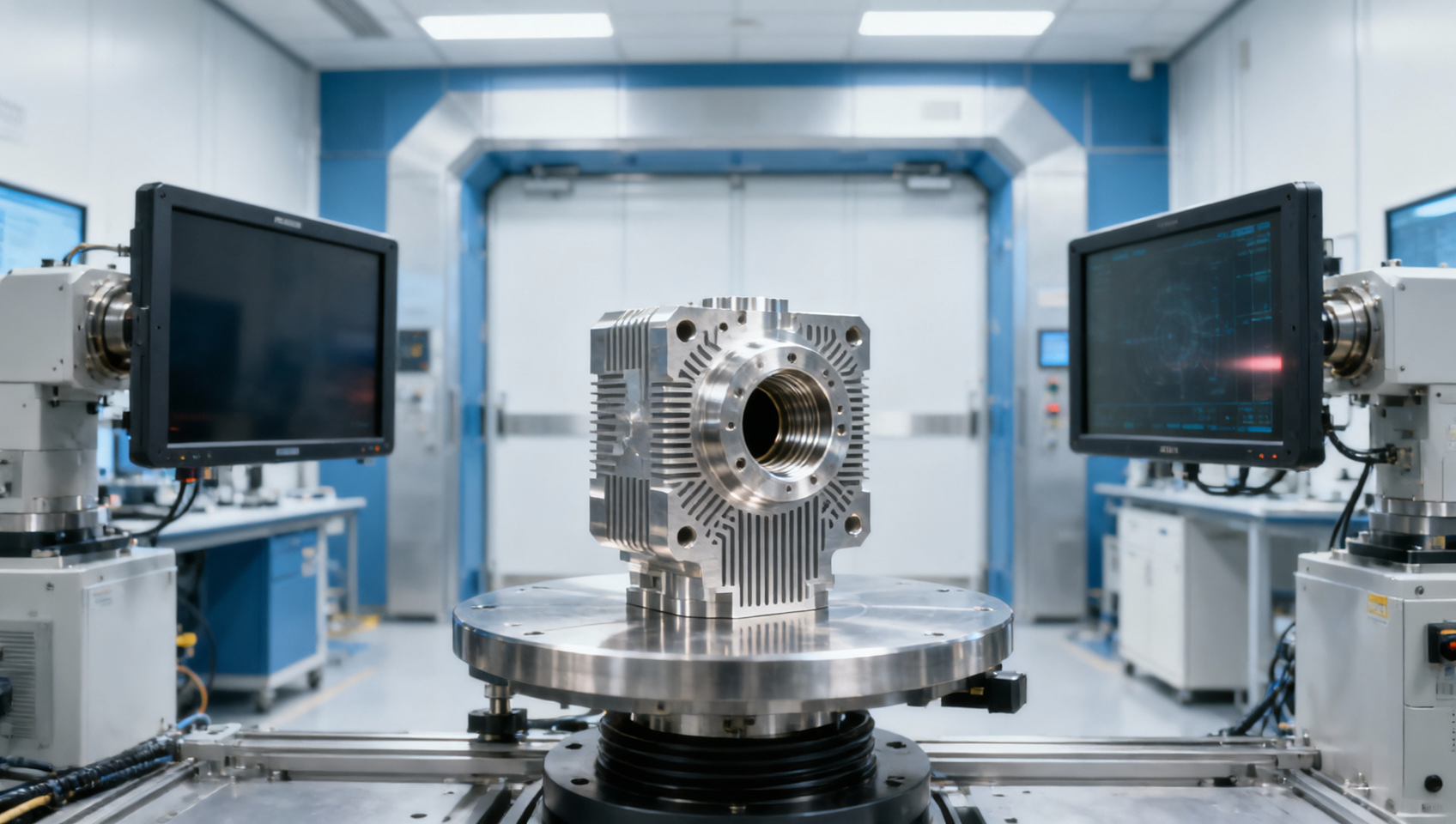
Tight tolerances also add cost. They require slower processing, more inspections, better fixtures, and sometimes secondary machining.
A clean design reduces fabrication steps. Standard bend radii, shared hole sizes, and accessible fasteners simplify production.
Which design details often create hidden cost?
Small details can have a large effect on electronic enclosure fabrication cost, especially when repeated across thousands of units.
- Non-standard hole patterns increase programming and inspection time.
- Deep bends near cutouts can cause distortion or cracking.
- Excessive welding creates heat distortion and finishing work.
- Sharp internal corners may require slower cutting methods.
- Cosmetic surfaces need careful handling and additional packaging.
Design for manufacturability should begin before the quotation stage. Early feedback can reduce revisions, tooling changes, and delays.
In electronic enclosure fabrication, simple geometry is not always the cheapest. The lowest cost comes from balanced performance and manufacturability.
How do tooling, setup, and production volume influence cost?
Tooling and setup costs are fixed or semi-fixed expenses. They become more affordable when spread across larger production runs.
For low-volume electronic enclosure fabrication, CNC punching, laser cutting, and press brake forming are often practical options.
These methods reduce upfront tooling investment and support design flexibility. They are suitable for prototypes, pilots, and customized industrial systems.
For high-volume orders, dedicated tooling can lower per-unit cost. However, it requires stable design, reliable forecasts, and clear lifecycle planning.
Setup includes programming, machine calibration, fixture preparation, first article inspection, and operator scheduling.
When order quantities are small, setup can represent a major share of electronic enclosure fabrication pricing.
What volume strategy helps control unit price?
Batch consolidation can reduce cost. Ordering multiple variants with shared materials, finishes, and hardware can improve production efficiency.
Blanket orders may also help. They give suppliers demand visibility while allowing scheduled releases over time.
For electronic enclosure fabrication, stable volume planning can reduce material waste, expedite charges, and repeated engineering review.
What role do finishing, compliance, and testing play?
Surface finishing protects the enclosure and improves appearance. It can also support branding, safety, conductivity, and environmental resistance.
Common finishing options include powder coating, anodizing, passivation, plating, painting, silk screening, laser marking, and brushing.
Each finish changes electronic enclosure fabrication cost through preparation, masking, curing, inspection, color matching, and handling requirements.
Powder coating is durable and widely used. Custom colors, texture requirements, and high corrosion ratings can increase cost.
Anodizing suits aluminum enclosures. It improves corrosion resistance and appearance, but color consistency can be challenging across batches.
Compliance requirements can be even more important than finishing. They influence design, materials, gaskets, seams, ventilation, and test procedures.
Which standards can affect electronic enclosure fabrication?
The relevant standard depends on application, geography, and operating environment. Common references include IP ratings, NEMA, UL, CE, RoHS, and REACH.
EMI shielding requirements may demand conductive gaskets, plated surfaces, special seams, grounding points, or additional validation.
Outdoor electronic enclosure fabrication may need UV resistance, corrosion testing, water ingress protection, and temperature cycling.
Medical and healthcare technology applications may require cleanable surfaces, traceable materials, and stricter documentation.
The key is to specify only necessary requirements. Over-certification adds cost without improving practical performance.
How should quotes for electronic enclosure fabrication be evaluated?
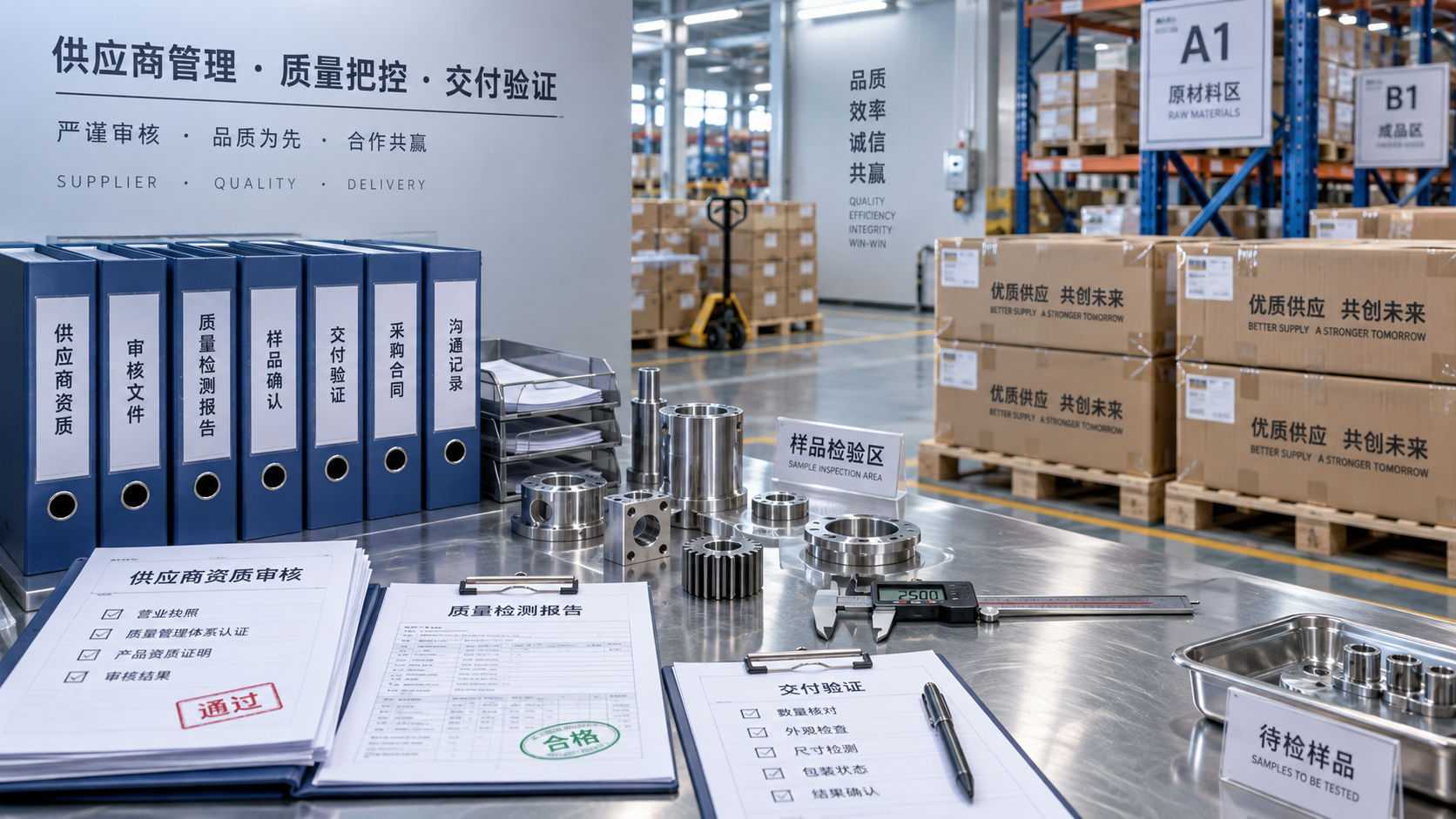
A low quote is not always the lowest total cost. Rework, late delivery, poor finish, and unclear documentation can erase savings.
A strong evaluation compares commercial, technical, and supply chain factors together. Unit price is only one part of the decision.
The best electronic enclosure fabrication quote explains assumptions. It separates material, tooling, finishing, testing, packaging, and logistics when possible.
Quote evaluation should also include lead time. Fast delivery may require overtime, premium material sourcing, or priority finishing slots.
Packaging matters too. Cosmetic enclosures may need protective film, foam inserts, corner guards, and individual cartons.
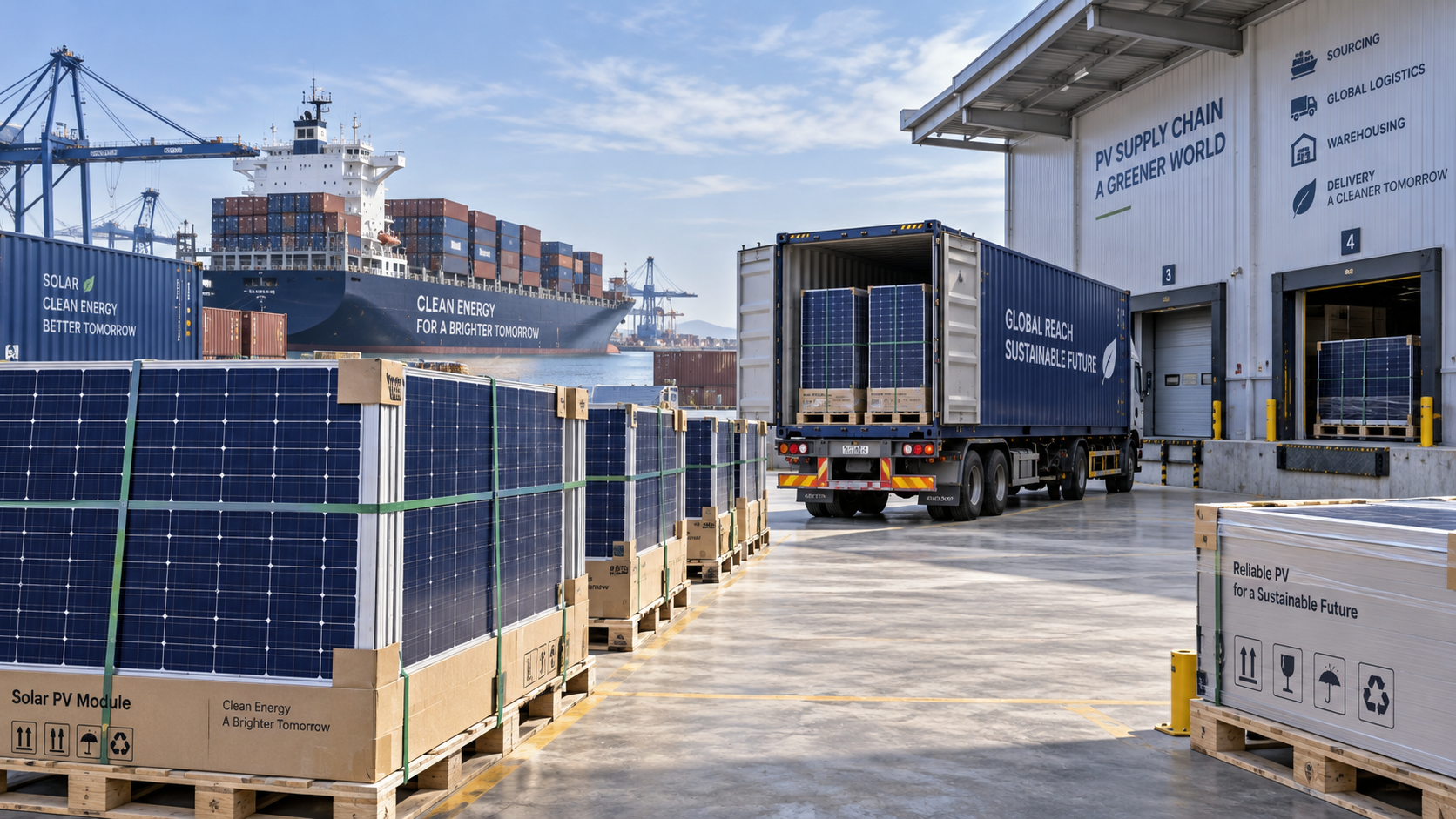
For global supply chains, shipping mode, tariff exposure, currency movement, and inventory buffers can affect landed cost.
What mistakes commonly raise enclosure fabrication costs?
Many cost increases happen before production begins. They often result from incomplete drawings, unclear requirements, or late design changes.
One common mistake is requesting a quote from a 3D model only. Fabrication still needs material, finish, tolerances, and inspection notes.
Another mistake is treating prototypes as production-ready. Prototype methods may not support scalable electronic enclosure fabrication.
Late changes are costly because they can affect tooling, programming, purchased hardware, packaging, and compliance documentation.
- Avoid custom hardware when standard parts can meet function.
- Avoid cosmetic requirements on hidden internal surfaces.
- Avoid tight tolerances across non-critical features.
- Avoid mixed finishes unless there is a clear reason.
- Avoid urgent orders caused by incomplete demand planning.
Cost reduction should not compromise safety or reliability. The objective is removing unnecessary cost, not weakening the enclosure.
How can electronic enclosure fabrication cost be reduced without losing quality?
The most effective savings come from early collaboration. Design, sourcing, quality, and fabrication input should align before specifications freeze.
Standardization is another powerful lever. Shared materials, finishes, fasteners, hinges, locks, vents, and gaskets reduce complexity.
A modular enclosure platform can support product variation while keeping electronic enclosure fabrication predictable and efficient.
Value analysis should review every feature. Each cutout, bracket, weld, and label should have a clear functional purpose.
Digital review also helps. Manufacturability checks, nesting optimization, bend simulation, and tolerance review can reduce scrap and rework.
- Prepare complete drawings and models before requesting final quotes.
- Ask suppliers to identify cost drivers and alternative methods.
- Separate must-have specifications from preferred features.
- Compare landed cost, not only factory unit price.
- Document approved changes to prevent revision confusion.
For strategic sourcing, electronic enclosure fabrication should be managed as a technical cost model, not a simple commodity purchase.
The cost model should include raw material, conversion time, yield, tooling, finishing, testing, logistics, inventory, and supplier capability.
Final takeaway: what is the best next step?
Electronic enclosure fabrication cost is driven by a chain of technical and commercial decisions.
Material, geometry, tooling, finish, compliance, volume, and logistics all influence the final number.
The best next step is to build a clear specification package before comparing offers.
Include drawings, 3D files, material grades, finish requirements, annual demand, testing needs, packaging rules, and target delivery windows.
Then request transparent pricing and manufacturability feedback. This turns electronic enclosure fabrication from a price negotiation into a cost-control process.
TradeNexus Pro supports data-driven evaluation across advanced manufacturing, smart electronics, green energy, healthcare technology, and supply chain SaaS.
For organizations building global supplier networks, structured intelligence helps identify capable partners and reduce avoidable sourcing risk.
Get weekly intelligence in your inbox.
No noise. No sponsored content. Pure intelligence.
 Oct 24, 2026Tesla Q3 2026 Storage Deployments Rank Second Highest as Revenue Falls 16%Tesla Q3 2026 Storage Deployments Rank Second Highest as Revenue Falls 16%
 Oct 24, 2026Freight Forwarding Services Pricing: Comparing Quotes Beyond Base RatesFreight Forwarding Services Pricing: Comparing Quotes Beyond Base Rates
 Oct 23, 2026IndexBox Issues Off-Grid Solar Outlook to 2035, Forecasting 8.2% CAGRIndexBox Issues Off-Grid Solar Outlook to 2035, Forecasting 8.2% CAGR
 Oct 23, 2026NSF/ANSI 49 Biosafety Cabinets: Product Certification vs. Field TestingNSF/ANSI 49 Biosafety Cabinets: Product Certification vs. Field Testing
 Oct 22, 2026Mitsubishi Electric Develops Industry-First Humanoid Robot–CNC Machining SystemMitsubishi Electric Develops Industry-First Humanoid Robot–CNC Machining System
 Oct 22, 2026Aerospace Aluminum Machining: How to Control Distortion in Thin-Wall PartsAerospace Aluminum Machining: How to Control Distortion in Thin-Wall Parts
 Oct 21, 2026Genesis Energy commissions 200 MWh battery storage system at HuntlyGenesis Energy commissions 200 MWh battery storage system at Huntly
 Oct 21, 2026Buying AMI Smart Meters Wholesale: Compatibility Checks and Total CostsBuying AMI Smart Meters Wholesale: Compatibility Checks and Total Costs
 Oct 20, 2026Werner Enterprises Issues Q3 Earnings Warning as Costs RiseWerner Enterprises Issues Q3 Earnings Warning as Costs Rise
 Oct 20, 2026Are Digital Twins Viable for SMEs? Costs, Use Cases, and Data RequirementsAre Digital Twins Viable for SMEs? Costs, Use Cases, and Data Requirements
 Oct 19, 2026Choosing a Wholesale Servo Motor Exporter: Traceability and Warranty ChecksChoosing a Wholesale Servo Motor Exporter: Traceability and Warranty Checks
 Oct 18, 2026Syringe Manufacturing Equipment: Evaluating Throughput and Assembly AccuracySyringe Manufacturing Equipment: Evaluating Throughput and Assembly Accuracy
 Oct 17, 2026Air Freight Forwarding Services: How to Compare Quotes for Urgent ShipmentsAir Freight Forwarding Services: How to Compare Quotes for Urgent Shipments
 Oct 16, 2026Wholesale Solar Panels: How to Compare Bulk Quotes by Total Landed CostWholesale Solar Panels: How to Compare Bulk Quotes by Total Landed Cost
 Oct 15, 2026Supply Chain Intelligence for Sourcing: How to Vet New SuppliersSupply Chain Intelligence for Sourcing: How to Vet New Suppliers
 Oct 14, 2026How energy costs shape smart manufacturing investment in EuropeHow energy costs shape smart manufacturing investment in Europe
 Oct 14, 2026How skills shortages slow smart manufacturing in Southeast AsiaHow skills shortages slow smart manufacturing in Southeast Asia
 Oct 14, 2026How CNC wire-cut machining maintains tight tolerances in thick partsHow CNC wire-cut machining maintains tight tolerances in thick parts
 Oct 14, 2026Can automated feeding stabilize metal forming in smart factories?Can automated feeding stabilize metal forming in smart factories?
 Oct 14, 2026Can CT inspection detect internal defects in metal additive parts?Can CT inspection detect internal defects in metal additive parts?
 Oct 14, 2026When does additive manufacturing reduce lead time for spare parts?When does additive manufacturing reduce lead time for spare parts?
 Oct 14, 2026How production volume affects ROI on an automated painting lineHow production volume affects ROI on an automated painting line
 Oct 14, 2026What data does manufacturing bottleneck analysis consulting need?What data does manufacturing bottleneck analysis consulting need?
 Oct 14, 2026When should you hire a consultant for manufacturing bottlenecks?When should you hire a consultant for manufacturing bottlenecks?
 Oct 14, 2026What Are Electronics Exporters' Top Supply Chain Resilience Gaps in 2026?What Are Electronics Exporters' Top Supply Chain Resilience Gaps in 2026?
 Oct 14, 2026How Do You Measure AI Adoption Maturity in a Traditional Factory?How Do You Measure AI Adoption Maturity in a Traditional Factory?
 Oct 14, 2026Are Chinese AI-Assisted Surgical Devices Gaining Global Trust?Are Chinese AI-Assisted Surgical Devices Gaining Global Trust?