Effective June 3, 2026, Canada has officially removed the additional 100% tariff on China-made electric vehicles, while China has also lowered tariffs on Canadian agricultural products such as canola. The update deserves attention from electric vehicle trade participants, battery module exporters, BMS suppliers, energy storage converter providers, and companies involved in battery storage supply chains, because it points to a clearer window for coordination between green mobility and renewable energy infrastructure.
Event Overview
According to the information currently available, the new rules took effect on June 3, 2026. Canada has formally cancelled the additional 100% tariff previously applied to electric vehicles made in China. At the same time, China has reduced tariffs on certain Canadian agricultural products, including canola.
The public information indicates a mutual easing of trade measures between Canada and China. For the green supply chain, the event is relevant not only to electric vehicle trade, but also to related battery storage products, including battery modules, battery management systems, and energy storage converters.
At this stage, the confirmed information is the tariff adjustment itself and its effective date. Further operational details, including implementation procedures, customs handling, product classification application, and certification coordination, still need to be followed through official and market-level updates.
Which Sub-Sectors May Be Affected
Electric Vehicle Trade Companies
Electric vehicle importers, exporters, and cross-border trade companies are the most directly affected parties because the removed tariff specifically concerns China-made electric vehicles entering the Canadian market. The immediate impact lies in the change to tariff conditions, which may influence transaction planning, quotation review, and market access assessment.
From an industry perspective, companies in this segment should not treat the tariff removal as equal to automatic business expansion. Actual orders will still depend on product compliance, customs procedures, distribution arrangements, and buyer confidence. However, the policy signal may improve the environment for future commercial discussions.
Battery Module Exporters
Battery module suppliers may see indirect opportunities because electric vehicles and battery storage systems share related supply chain capabilities. If Canada’s green infrastructure procurement and new energy project planning become more open to Chinese suppliers, battery module exporters may find more room to participate in supporting projects.
Analysis shows that the main impact for this group is not a guaranteed increase in shipments, but a potentially smoother communication environment for market entry, project matching, and technical documentation review. Exporters should pay close attention to whether downstream Canadian projects link electric mobility infrastructure with stationary battery storage demand.
BMS System Suppliers
Battery management system suppliers are relevant because BMS products are key components in both electric vehicles and battery storage systems. The tariff adjustment may strengthen confidence in cross-border green supply chain cooperation, making it easier for BMS suppliers to discuss compatibility, safety, and system integration with Canadian partners.
Observably, the main area of influence is technical and commercial coordination rather than tariff treatment alone. BMS suppliers should monitor whether Canadian buyers place greater emphasis on certification alignment, documentation completeness, and integration with battery modules and energy storage converters.
Energy Storage Converter and Battery Storage System Providers
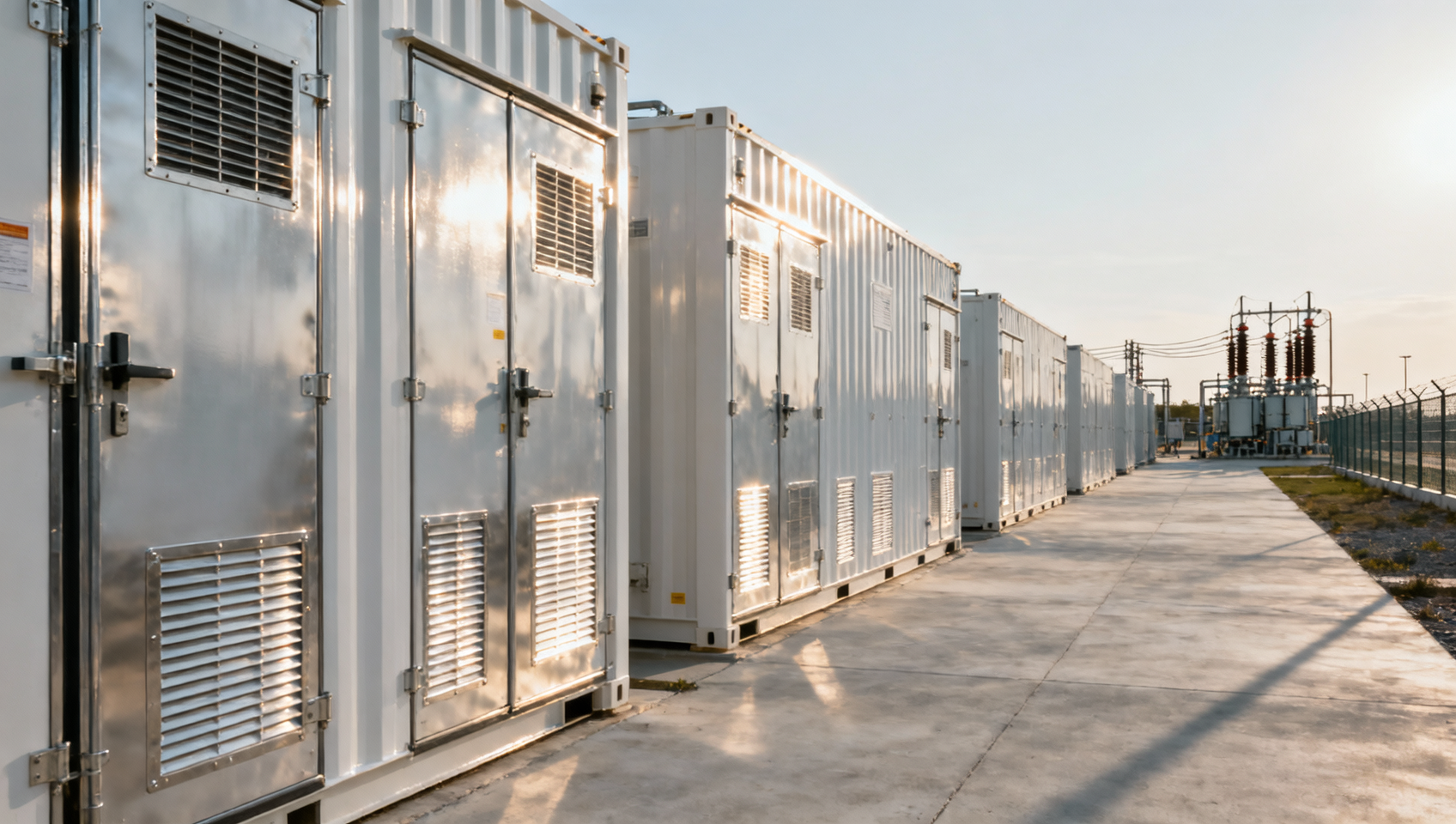
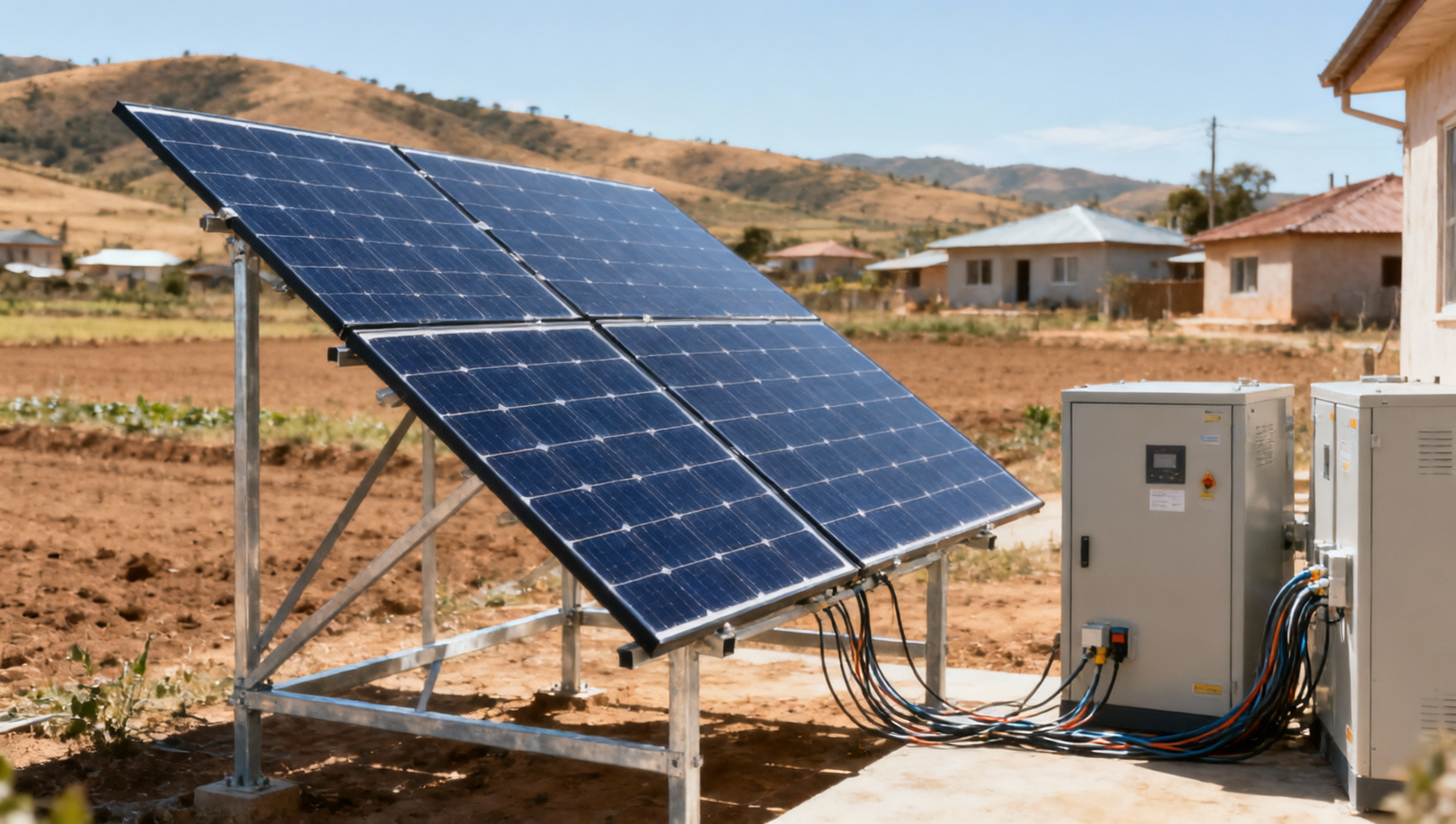
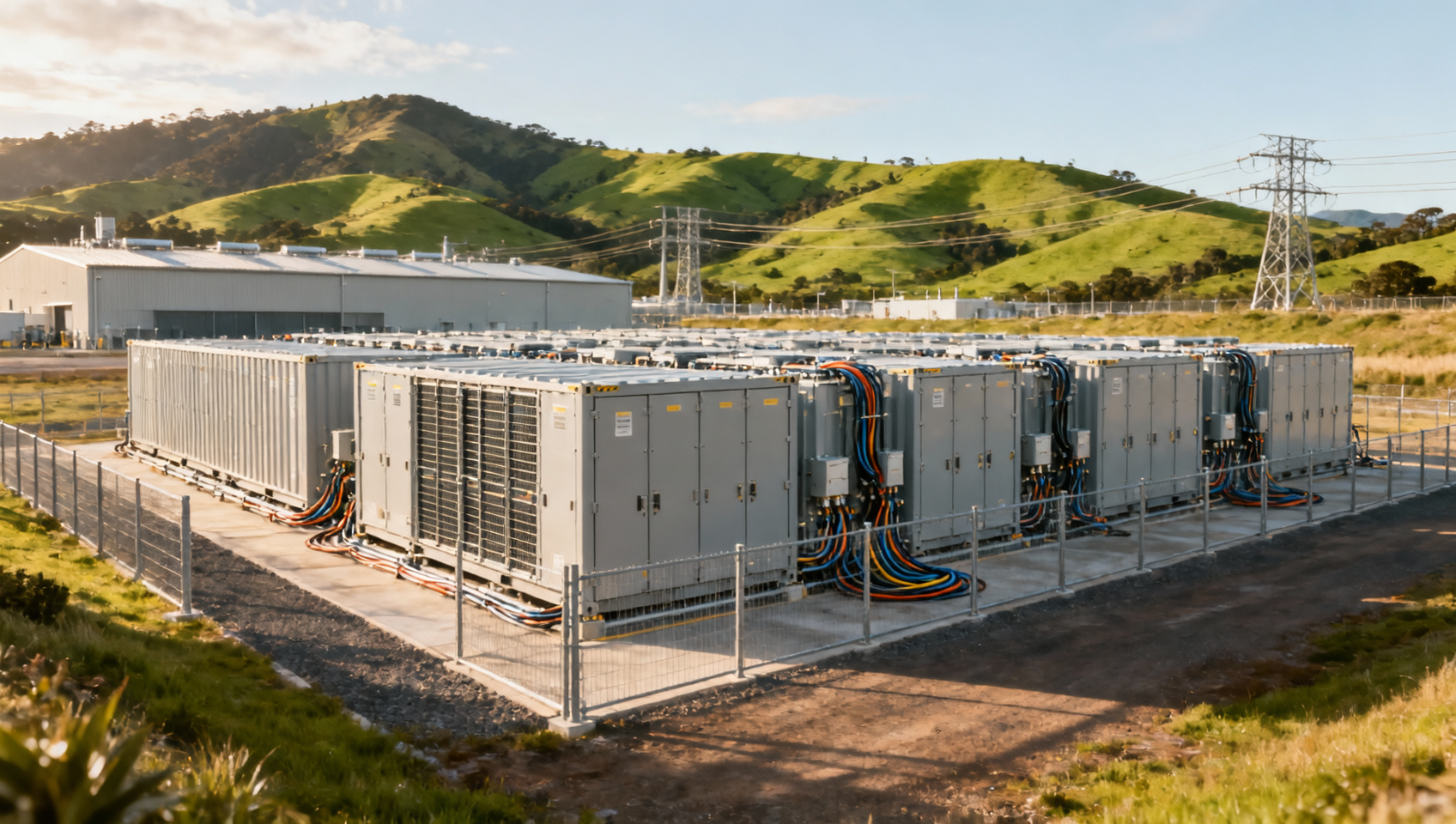
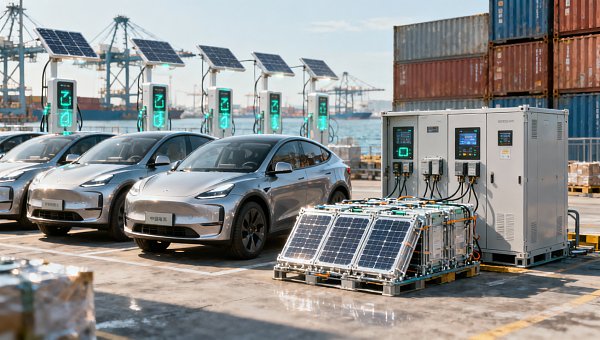
Energy storage converter suppliers and broader battery storage system providers may be affected through the infrastructure side of the market. Electric vehicle adoption is often connected with charging, grid support, and energy storage deployment. The removal of the electric vehicle tariff may therefore create a more favorable context for discussions around supporting battery storage equipment.
It is more appropriate to understand this as a coordination window rather than a completed market outcome. Suppliers of energy storage converters should watch whether Canadian renewable energy infrastructure projects, charging-related facilities, or grid-side storage discussions become more receptive to Chinese component suppliers.
Supply Chain Service Providers
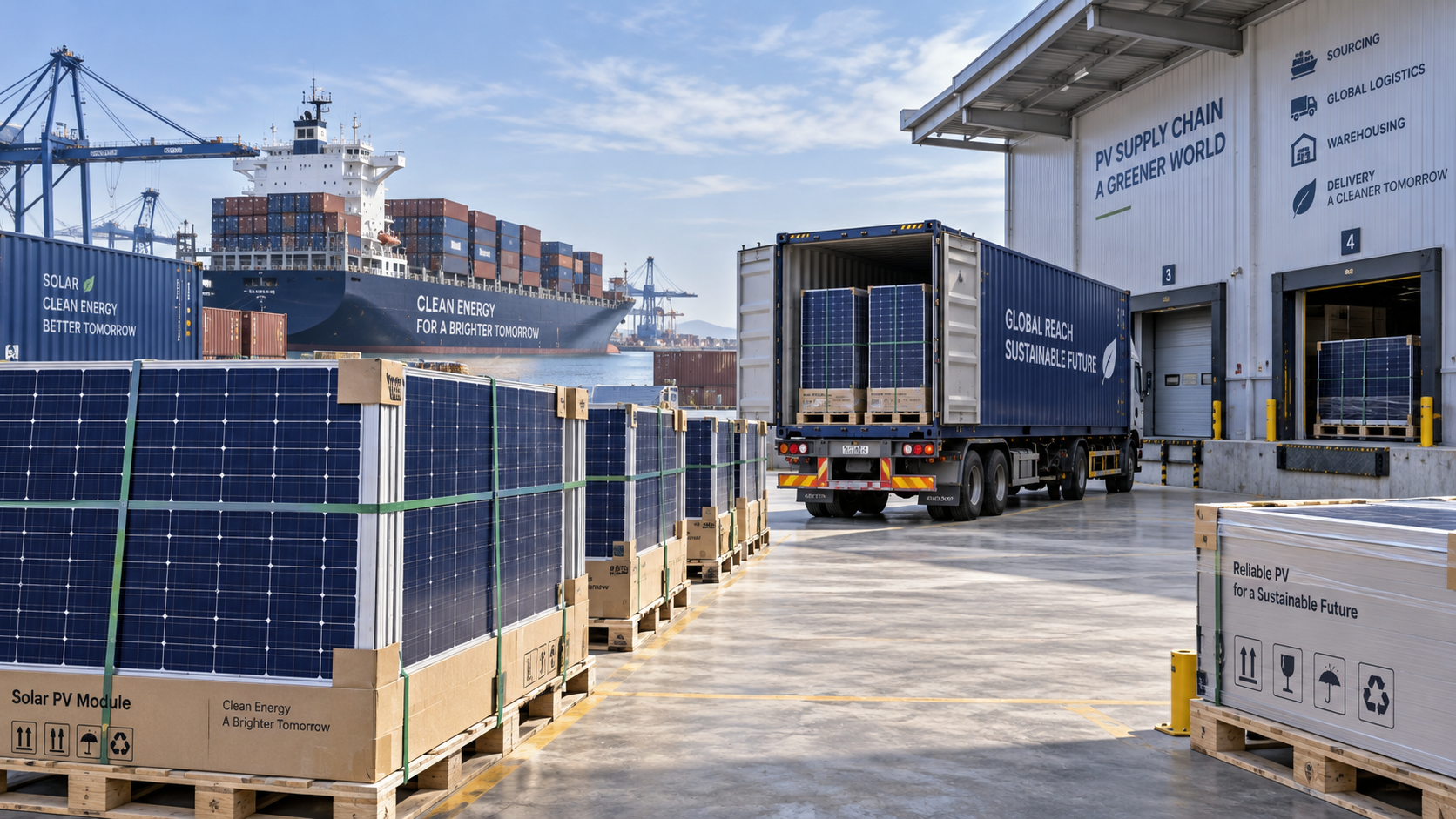
Logistics companies, customs service providers, certification consultants, and cross-border supply chain coordinators may also be affected. When trade conditions change, companies usually need to review documentation, product classification, contract terms, and delivery schedules.
Current attention should be placed on practical execution. Service providers may need to support clients in understanding the new tariff environment, preparing customs materials, and coordinating communication between exporters, Canadian buyers, and relevant compliance parties.
What Companies and Practitioners Should Watch and How to Respond
Follow Further Official Statements and Implementation Details
Companies should continue to monitor official updates related to tariff implementation, product coverage, customs procedures, and any follow-up policy clarification. The announced tariff cancellation is clear, but the practical execution of cross-border trade still depends on how relevant authorities apply the rules in specific cases.
For electric vehicle and battery storage exporters, it is practical to review product codes, export documentation, and contract terms before making pricing or delivery commitments based on the new policy environment.
Focus on Relevant Product Categories and Business Links
Battery modules, BMS products, and energy storage converters are the most relevant battery storage categories mentioned in connection with this development. Companies in these segments should assess whether their existing product lines match Canadian project requirements and whether technical documents are ready for overseas communication.
What deserves closer attention now is the link between electric vehicle market access and supporting new energy infrastructure. Companies should track whether buyers or project owners in Canada show increased interest in integrated solutions involving electric mobility and stationary energy storage.
Separate Policy Signal from Actual Business Landing
The removal of the additional tariff sends a positive signal for green supply chain trust between Canada and China. However, analysis shows that a policy signal does not automatically become purchase orders, project approvals, or certification acceptance.
Companies should avoid overreacting in inventory, production, or market expenditure. A more practical approach is to use the policy change to reopen communication with Canadian customers, review pending inquiries, and confirm whether procurement requirements have changed.
Prepare Documentation, Supply Chain Plans, and Communication Materials
Exporters of battery storage products should prepare updated product specifications, compliance documents, testing records where applicable, and clear descriptions of system compatibility. This is especially relevant for battery modules, BMS systems, and energy storage converters, where technical coordination is central to project evaluation.
Supply chain teams should also review lead times, logistics routes, and quotation validity periods. If Canadian demand becomes more active after the tariff change, companies with clearer documentation and more stable delivery planning may be better positioned in early-stage discussions.
Editorial View / Industry Observation
From an industry perspective, this development is best viewed as a trade-policy signal that may improve the environment for green supply chain cooperation. The direct policy target is China-made electric vehicles, but the broader relevance extends to battery storage products that support electrification and new energy infrastructure.
Analysis shows that the key meaning is not that Chinese battery storage suppliers have already secured greater market share in Canada. Rather, the change may reduce friction in business communication and create a more constructive setting for certification alignment, supply chain coordination, and project-level discussions.
Observably, the industry still needs to watch how the policy is implemented and whether Canadian new energy infrastructure projects respond to the improved trade atmosphere. The practical value of this update will depend on follow-up rules, buyer behavior, and the ability of suppliers to meet technical and compliance requirements.
Conclusion
The cancellation of Canada’s additional 100% tariff on China-made electric vehicles, effective June 3, 2026, is significant for companies involved in electric vehicles, battery modules, BMS systems, energy storage converters, and related supply chain services. It indicates a more positive environment for China-Canada green supply chain interaction.
At the current stage, it is more appropriate to understand this news as a coordination window rather than a completed commercial result. Companies should stay rational, follow implementation details, review product and compliance readiness, and prepare for more targeted communication with Canadian partners.
Source Information
Main sources: publicly available regulatory information effective June 3, 2026; publicly available information on Canada’s cancellation of the additional tariff on China-made electric vehicles; publicly available information on China’s tariff adjustment for Canadian agricultural products including canola.
Items requiring continued observation: detailed implementation procedures, customs execution, product classification application, certification coordination, and actual procurement response from Canadian new energy infrastructure projects.