Sheet Metal Bending for Architectural Applications: Design Limits and Uses
Sheet Metal Bending for Architectural Applications: Design Limits and Uses
Sheet metal bending for architectural applications is where design ambition meets fabrication reality.
The right bend radius, material choice, tolerance plan, and coordination workflow can decide whether a concept installs smoothly or requires costly rework.
This guide explains practical limits, common uses, and sourcing considerations for façade systems, interiors, canopies, and custom metal features.
What does sheet metal bending mean in architectural work?
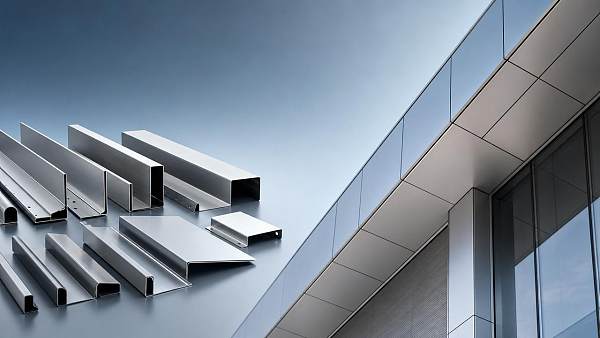
Sheet metal bending is the controlled forming of flat metal into angles, channels, profiles, panels, or custom geometries.
In architecture, bending is not only a fabrication step. It affects appearance, stiffness, drainage, installation, and long-term alignment.
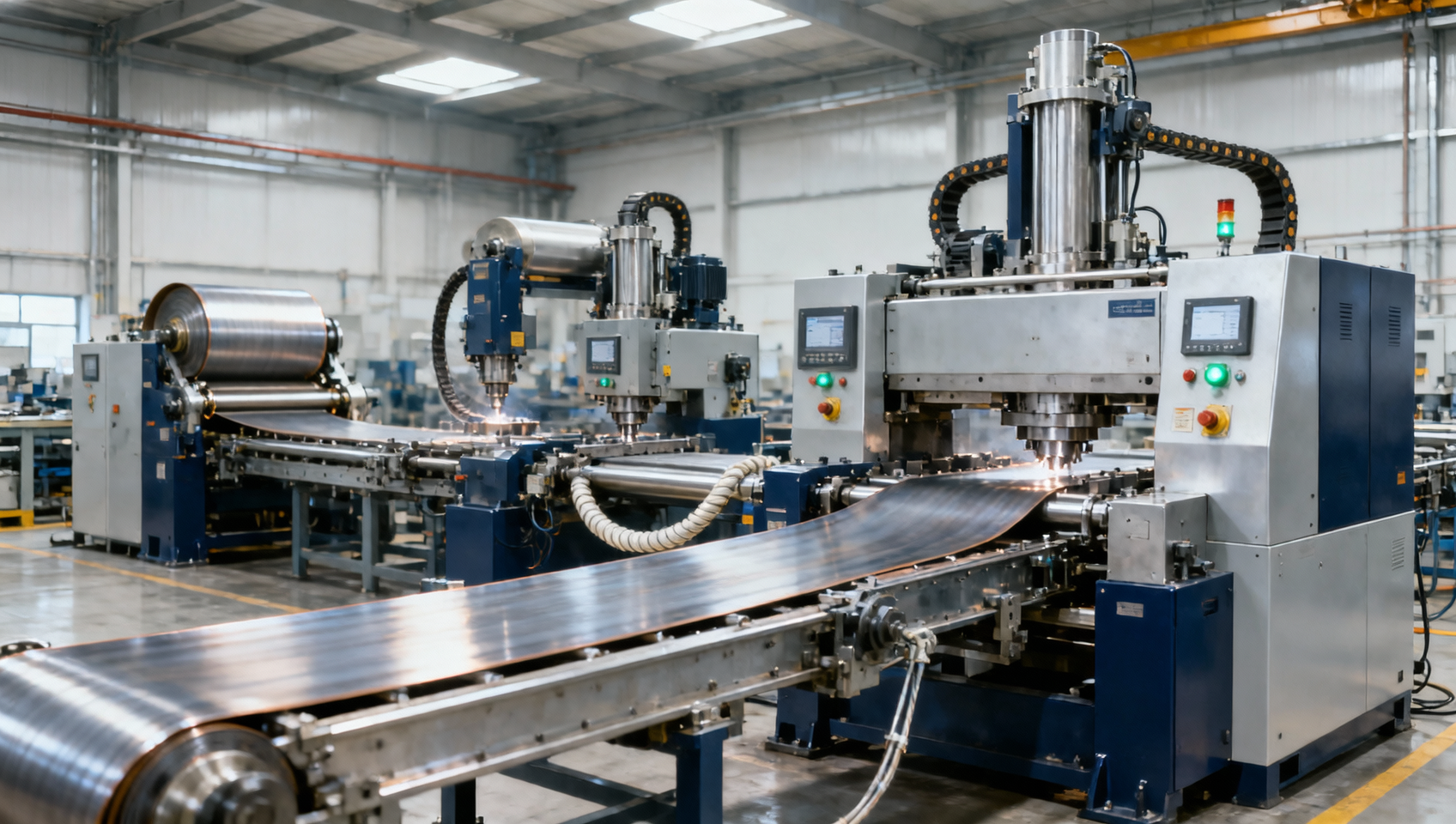
Sheet metal bending for architectural applications often uses press brakes, folding machines, roll bending, or custom tooling.
The selected method depends on material thickness, part length, bend complexity, surface finish, and required repeatability.
A simple 90-degree return on an aluminum coping may need different planning than a stainless steel lobby feature.
Architectural parts are visible, so cosmetic quality matters as much as dimensional accuracy.
Key terms worth aligning early
- Bend radius: the inside curve created during forming.
- K-factor: the neutral axis position used for flat pattern calculation.
- Springback: the material’s tendency to relax after bending.
- Bend allowance: added length needed to form the correct final size.
- Grain direction: rolling direction that can affect cracking and appearance.
These terms shape drawings, quotations, tooling decisions, and quality checks.
Where is sheet metal bending used in buildings?
Sheet metal bending for architectural applications appears across exterior and interior building elements.
It is especially useful where clean edges, lightweight construction, corrosion resistance, and consistent modular geometry are required.
Exterior façade and envelope components
Bent metal is widely used for rainscreen panels, parapet caps, soffits, sunshades, flashings, trims, and column covers.
These parts protect junctions, conceal substructures, manage water, and create crisp façade lines.
For exterior work, design must consider wind loads, thermal movement, coating durability, drainage paths, and fastening access.
Interior architectural metalwork
Interior uses include elevator surrounds, reception desks, wall cladding, ceiling transitions, retail displays, handrail covers, and lighting coves.
Here, sheet metal bending for architectural applications supports sharp detailing without excessive weight.
Fingerprints, scratches, reflected light, and joint visibility can be more important indoors than structural loading.
Canopies, signage, and custom features
Bent metal can create folded planes, shadow gaps, curved edges, and branded architectural forms.
For canopies and signage, coordination with lighting, waterproofing, wiring, brackets, and access panels is essential.
What are the main design limits?
Design limits begin with physics, then move into tooling, handling, finish protection, and installation tolerance.
Ignoring these limits can cause cracking, oil canning, misalignment, coating damage, or rejected parts.
Minimum bend radius
A bend radius that is too tight may crack the outside surface or distort coatings.
Soft aluminum may accept smaller radii than harder stainless steel, but alloy and temper matter greatly.
A practical starting point is one material thickness for many ductile metals, then verify by grade and finish.
Material thickness and part length
Long parts require suitable press brake capacity, accurate back gauges, and careful handling.
Thicker sheet increases stiffness, but it also increases bending force, tool wear, and risk of marking.
For large façade panels, added stiffeners may perform better than simply increasing sheet thickness.
Flange size and bend sequence
Very short flanges may not sit securely in tooling.
Complex profiles can become impossible if one bend blocks the next bend operation.
A fabrication review should confirm bend order before drawings are released for production.
Surface finish and coating risks
Brushed stainless, anodized aluminum, pre-painted sheet, and powder-coated parts each behave differently.
Some finishes should be applied after bending, while others require protective film during forming.
Sheet metal bending for architectural applications should include a finish handling plan, not only a shape drawing.
How should materials be selected?
Material choice affects bendability, cost, corrosion resistance, maintenance, embodied carbon, and visual character.
No single metal is ideal for every architectural condition.
For exterior sheet metal bending for architectural applications, corrosion category and drainage details should guide material selection.
For interiors, touch quality, reflectivity, cleaning requirements, and lighting conditions often drive the final decision.
How do tolerances affect installation and cost?
Tolerances connect drawing intent to field reality.
A part can meet fabrication tolerance but still fail if the supporting structure is out of alignment.
For sheet metal bending for architectural applications, tolerance planning should include fabrication, coating, transport, site measurement, and installation adjustment.
Common tolerance pressure points
- Long panel bow, twist, or diagonal variation.
- Cumulative error across repeated modules.
- Mismatched reveal widths at corners or transitions.
- Hole locations that do not match brackets.
- Coating thickness changing fit at tight joints.
Designs with zero visual tolerance usually create expensive field problems.
Slotted holes, shims, adjustable clips, and planned reveals allow controlled alignment.
Prototype before scaling
A prototype reveals issues that drawings rarely expose.
Check bend marks, corner closure, stiffness, finish reflectivity, edge safety, and installation sequence.
For repeating elements, a mock-up can reduce risk before procurement volume increases.
What procurement details should be confirmed before production?
Clear procurement data reduces quoting ambiguity and manufacturing delays.
Sheet metal bending for architectural applications should be sourced with drawings, specifications, finish standards, and acceptance criteria.
Information that should appear in the package
- Material grade, thickness, temper, and certification needs.
- Inside bend radius and angle tolerance.
- Flat pattern responsibility and revision control.
- Visible faces, grain direction, and protective film requirements.
- Finish type, color reference, gloss level, and sample approval.
- Packaging, labeling, and delivery sequence.
A lower unit price may not be economical if packaging, rework, or late site fixes increase total cost.
Lead time depends on material availability, tooling, coating slots, inspection steps, and transport planning.
FAQ: practical questions and quick guidance
These questions show why sheet metal bending for architectural applications requires both design discipline and production knowledge.
Conclusion: how to move from concept to buildable detail
Successful sheet metal bending for architectural applications begins before fabrication drawings are frozen.
The best outcomes come from aligning material, bend radius, finish, tolerance, packaging, and installation logic early.
Use prototypes for visible or repeated parts. Review corner details, fastening access, and thermal movement before volume production.
For complex global supply decisions, structured technical intelligence helps compare suppliers, processes, and risk factors with greater confidence.
TradeNexus Pro supports evidence-based evaluation across advanced manufacturing, green energy, electronics, healthcare technology, and supply chain SaaS.
The next step is clear: validate the detail, confirm the fabrication route, and specify acceptance standards before procurement begins.
Get weekly intelligence in your inbox.
No noise. No sponsored content. Pure intelligence.
 Oct 24, 2026Tesla Q3 2026 Storage Deployments Rank Second Highest as Revenue Falls 16%Tesla Q3 2026 Storage Deployments Rank Second Highest as Revenue Falls 16%
 Oct 24, 2026Freight Forwarding Services Pricing: Comparing Quotes Beyond Base RatesFreight Forwarding Services Pricing: Comparing Quotes Beyond Base Rates
 Oct 23, 2026IndexBox Issues Off-Grid Solar Outlook to 2035, Forecasting 8.2% CAGRIndexBox Issues Off-Grid Solar Outlook to 2035, Forecasting 8.2% CAGR
 Oct 23, 2026NSF/ANSI 49 Biosafety Cabinets: Product Certification vs. Field TestingNSF/ANSI 49 Biosafety Cabinets: Product Certification vs. Field Testing
 Oct 22, 2026Mitsubishi Electric Develops Industry-First Humanoid Robot–CNC Machining SystemMitsubishi Electric Develops Industry-First Humanoid Robot–CNC Machining System
 Oct 22, 2026Aerospace Aluminum Machining: How to Control Distortion in Thin-Wall PartsAerospace Aluminum Machining: How to Control Distortion in Thin-Wall Parts
 Oct 21, 2026Genesis Energy commissions 200 MWh battery storage system at HuntlyGenesis Energy commissions 200 MWh battery storage system at Huntly
 Oct 21, 2026Buying AMI Smart Meters Wholesale: Compatibility Checks and Total CostsBuying AMI Smart Meters Wholesale: Compatibility Checks and Total Costs
 Oct 20, 2026Werner Enterprises Issues Q3 Earnings Warning as Costs RiseWerner Enterprises Issues Q3 Earnings Warning as Costs Rise
 Oct 20, 2026Are Digital Twins Viable for SMEs? Costs, Use Cases, and Data RequirementsAre Digital Twins Viable for SMEs? Costs, Use Cases, and Data Requirements
 Oct 19, 2026Choosing a Wholesale Servo Motor Exporter: Traceability and Warranty ChecksChoosing a Wholesale Servo Motor Exporter: Traceability and Warranty Checks
 Oct 18, 2026Syringe Manufacturing Equipment: Evaluating Throughput and Assembly AccuracySyringe Manufacturing Equipment: Evaluating Throughput and Assembly Accuracy
 Oct 17, 2026Air Freight Forwarding Services: How to Compare Quotes for Urgent ShipmentsAir Freight Forwarding Services: How to Compare Quotes for Urgent Shipments
 Oct 16, 2026Wholesale Solar Panels: How to Compare Bulk Quotes by Total Landed CostWholesale Solar Panels: How to Compare Bulk Quotes by Total Landed Cost
 Oct 15, 2026Supply Chain Intelligence for Sourcing: How to Vet New SuppliersSupply Chain Intelligence for Sourcing: How to Vet New Suppliers
 Oct 14, 2026How energy costs shape smart manufacturing investment in EuropeHow energy costs shape smart manufacturing investment in Europe
 Oct 14, 2026How skills shortages slow smart manufacturing in Southeast AsiaHow skills shortages slow smart manufacturing in Southeast Asia
 Oct 14, 2026How CNC wire-cut machining maintains tight tolerances in thick partsHow CNC wire-cut machining maintains tight tolerances in thick parts
 Oct 14, 2026Can automated feeding stabilize metal forming in smart factories?Can automated feeding stabilize metal forming in smart factories?
 Oct 14, 2026Can CT inspection detect internal defects in metal additive parts?Can CT inspection detect internal defects in metal additive parts?
 Oct 14, 2026When does additive manufacturing reduce lead time for spare parts?When does additive manufacturing reduce lead time for spare parts?
 Oct 14, 2026How production volume affects ROI on an automated painting lineHow production volume affects ROI on an automated painting line
 Oct 14, 2026What data does manufacturing bottleneck analysis consulting need?What data does manufacturing bottleneck analysis consulting need?
 Oct 14, 2026When should you hire a consultant for manufacturing bottlenecks?When should you hire a consultant for manufacturing bottlenecks?
 Oct 14, 2026What Are Electronics Exporters' Top Supply Chain Resilience Gaps in 2026?What Are Electronics Exporters' Top Supply Chain Resilience Gaps in 2026?
 Oct 14, 2026How Do You Measure AI Adoption Maturity in a Traditional Factory?How Do You Measure AI Adoption Maturity in a Traditional Factory?
 Oct 14, 2026Are Chinese AI-Assisted Surgical Devices Gaining Global Trust?Are Chinese AI-Assisted Surgical Devices Gaining Global Trust?