Titanium Expo Opens June 20 in Yongkang
A titanium industry expo organized by Win-Win Holdings will open in Yongkang, Zhejiang, on June 20, 2026, and run through June 22. The event focuses on expanding titanium alloy applications in aerospace, medical implants, and new energy equipment, while also upgrading global procurement matchmaking for industrial materials. For the industry, the development matters because application expansion, buyer access, brand screening, and cross-border channel building are closely tied to compliance expectations, certification readiness, technical documentation, and supplier qualification rules.
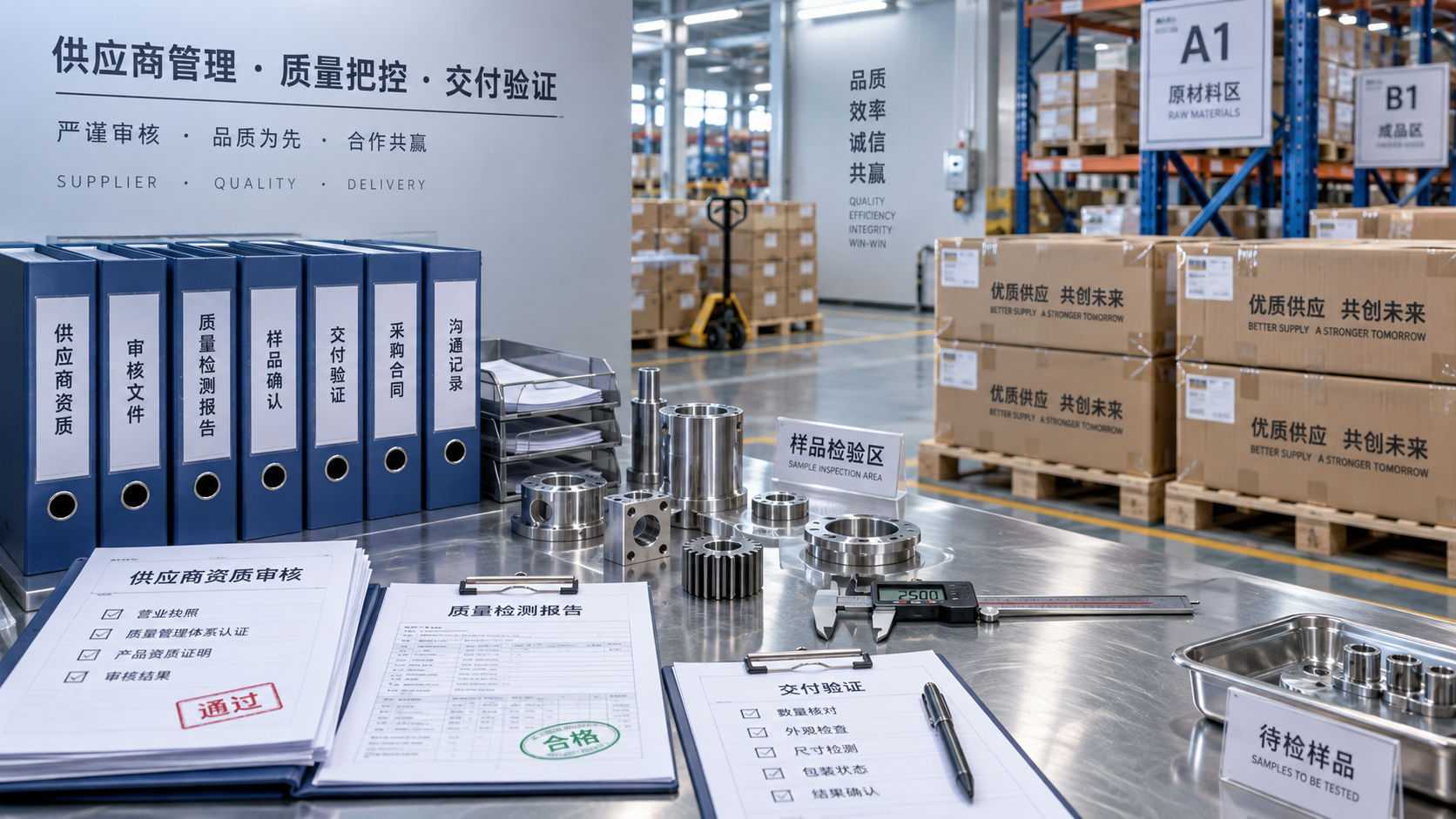
Image placement plan: One image is recommended near the beginning of the article to support the event overview and improve page readability.

Confirmed Event Details
The 2026 Titanium Industry Expo is scheduled for June 20–22 in Yongkang, Zhejiang. It is organized by Win-Win Holdings. According to the provided event summary, the exhibition will center on broader use of titanium alloys in high-end manufacturing fields including aerospace, medical implants, and new energy equipment.
The event will also launch a “Preferred Recommended Brands” selection program. Free registration is open to overseas distributors, medical device importers, and EV infrastructure system integrators. The stated purpose is to strengthen outbound channel development for China’s high-end industrial materials and improve global procurement connection.
How the Event May Affect Market Participants
Trading companies engaged in direct cross-border business
From an industry perspective, direct trading companies may feel the impact first because the event is explicitly linked to overseas buyer access and procurement matchmaking. The influence is likely to appear in customer acquisition, quotation preparation, product positioning, and deal qualification stages. What deserves closer attention is whether buyers increasingly request clearer proof on material consistency, application suitability, product traceability, and export documentation before entering purchasing discussions.
Raw material procurement teams
Analysis shows that procurement companies sourcing upstream materials may need to pay closer attention to demand shifts tied to aerospace, medical, and new energy applications. The impact is likely to show up in material grade selection, supplier screening, order scheduling, and quality document review. They may need to focus more on whether upstream suppliers can support the certificates, testing records, and technical files needed for downstream applications with stricter entry requirements.
Processing and manufacturing enterprises
Manufacturers are likely to be affected because application expansion in higher-end sectors usually raises the importance of specification alignment, process stability, and inspection discipline. The impact may appear in production planning, process verification, drawing review, batch management, and final delivery records. It is more appropriate to understand this as a stronger need to align manufacturing capability with customer-facing compliance expectations rather than as a simple sales opportunity.
Supply chain and service providers
Supply chain service companies, including logistics, documentation, after-sales, and quality support providers, may also be influenced. The effect may emerge in shipment coordination, document retention, customer service response, and traceability support. Observably, as overseas distributors and sector-specific buyers become more involved, service providers may need to prepare for tighter requirements around delivery timing, file completeness, and post-delivery issue handling.
What Companies Should Prepare Now
Review certification and compliance readiness for target applications
Because the event highlights aerospace, medical implants, and new energy equipment, companies should examine whether their current compliance materials are sufficient for these application environments. This includes checking the completeness of qualification files, product test records, quality evidence, and application-related declarations. For firms seeking overseas buyers, preparation quality may affect whether procurement discussions can move forward smoothly.
Strengthen technical file alignment for buyer evaluation
The presence of overseas distributors, medical device importers, and EV infrastructure system integrators suggests that technical review may become more detailed. Companies should organize specifications, inspection reports, material descriptions, and product capability summaries in a form that is easier for international buyers to assess. Where product evaluation depends on use conditions or integration compatibility, clearer technical communication may reduce matching friction.
Check supplier qualification and delivery coordination
The launch of a preferred brand selection activity indicates that supplier credibility and consistency may receive greater attention. Enterprises should reassess upstream qualification management, document validity, and delivery stability. This is especially relevant when product acceptance depends not only on price but also on evidence of repeatability, quality control, and the ability to support customer audits or follow-up verification.
Prepare export support, traceability, and after-sales response
As outbound channels for high-end industrial materials are being emphasized, companies should review export-related internal processes, including traceability files, complaint handling, after-sales response paths, and document retention. Even without any newly announced regulation in the provided information, tighter buyer-side controls can function as practical market rules that shape transaction success.
Industry Observation: Procurement Rules Are Becoming More Structured
Analysis shows that this event is not only a display platform but also a signal of changing market expectations. When procurement connection is upgraded and buyer access becomes more targeted, supplier evaluation often moves beyond product availability toward qualification depth, technical clarity, and service reliability.
From an industry perspective, the combination of application expansion and brand selection suggests that informal selling methods may become less effective in higher-end material transactions. What deserves closer attention is that sectors such as aerospace, medical implants, and new energy equipment usually require a more disciplined approach to testing records, process consistency, and quality traceability, even when no new formal rule has been cited in the event summary.
Observably, free registration for overseas distributors, medical device importers, and EV infrastructure system integrators may lower initial contact barriers, but it can also raise the practical threshold after contact is established. In many industrial purchasing settings, easier access to buyers is often followed by stricter screening of suppliers. It is more appropriate to understand this as a shift in procurement rules at the market level rather than as a guaranteed increase in completed transactions.
Measured Outlook for the Titanium Materials Sector
This event highlights the growing importance of connecting titanium material suppliers with application-driven global buyers. Its significance lies not only in exhibition activity but also in the way it may accelerate attention to qualification, technical matching, buyer screening, and export-facing service capability.
A rational conclusion is that companies participating in or responding to this event should treat it as a practical signal: market access in higher-end industrial materials increasingly depends on a combination of product strength, documentation readiness, supplier credibility, and delivery support. The final impact will still depend on follow-up execution, buyer requirements, and the evolution of procurement standards in the targeted sectors.
Source Note and Items to Watch
This article was generated based on the user-provided news title, event date, and event summary. Specific official source links were not provided in the input and should be verified continuously.
For this type of event, commonly relevant authoritative source categories may include organizer announcements, exhibition notices, buyer registration information, technical standard references, certification guidance materials, and procurement documentation released by participating market actors. Follow-up attention should remain on any detailed implementation rules, certification interpretation practices, changes in tender or specification documents, and industry feedback after the event opens.
Get weekly intelligence in your inbox.
No noise. No sponsored content. Pure intelligence.
 Oct 24, 2026Tesla Q3 2026 Storage Deployments Rank Second Highest as Revenue Falls 16%Tesla Q3 2026 Storage Deployments Rank Second Highest as Revenue Falls 16%
 Oct 24, 2026Freight Forwarding Services Pricing: Comparing Quotes Beyond Base RatesFreight Forwarding Services Pricing: Comparing Quotes Beyond Base Rates
 Oct 23, 2026IndexBox Issues Off-Grid Solar Outlook to 2035, Forecasting 8.2% CAGRIndexBox Issues Off-Grid Solar Outlook to 2035, Forecasting 8.2% CAGR
 Oct 23, 2026NSF/ANSI 49 Biosafety Cabinets: Product Certification vs. Field TestingNSF/ANSI 49 Biosafety Cabinets: Product Certification vs. Field Testing
 Oct 22, 2026Mitsubishi Electric Develops Industry-First Humanoid Robot–CNC Machining SystemMitsubishi Electric Develops Industry-First Humanoid Robot–CNC Machining System
 Oct 22, 2026Aerospace Aluminum Machining: How to Control Distortion in Thin-Wall PartsAerospace Aluminum Machining: How to Control Distortion in Thin-Wall Parts
 Oct 21, 2026Genesis Energy commissions 200 MWh battery storage system at HuntlyGenesis Energy commissions 200 MWh battery storage system at Huntly
 Oct 21, 2026Buying AMI Smart Meters Wholesale: Compatibility Checks and Total CostsBuying AMI Smart Meters Wholesale: Compatibility Checks and Total Costs
 Oct 20, 2026Werner Enterprises Issues Q3 Earnings Warning as Costs RiseWerner Enterprises Issues Q3 Earnings Warning as Costs Rise
 Oct 20, 2026Are Digital Twins Viable for SMEs? Costs, Use Cases, and Data RequirementsAre Digital Twins Viable for SMEs? Costs, Use Cases, and Data Requirements
 Oct 19, 2026Choosing a Wholesale Servo Motor Exporter: Traceability and Warranty ChecksChoosing a Wholesale Servo Motor Exporter: Traceability and Warranty Checks
 Oct 18, 2026Syringe Manufacturing Equipment: Evaluating Throughput and Assembly AccuracySyringe Manufacturing Equipment: Evaluating Throughput and Assembly Accuracy
 Oct 17, 2026Air Freight Forwarding Services: How to Compare Quotes for Urgent ShipmentsAir Freight Forwarding Services: How to Compare Quotes for Urgent Shipments
 Oct 16, 2026Wholesale Solar Panels: How to Compare Bulk Quotes by Total Landed CostWholesale Solar Panels: How to Compare Bulk Quotes by Total Landed Cost
 Oct 15, 2026Supply Chain Intelligence for Sourcing: How to Vet New SuppliersSupply Chain Intelligence for Sourcing: How to Vet New Suppliers
 Oct 14, 2026How energy costs shape smart manufacturing investment in EuropeHow energy costs shape smart manufacturing investment in Europe
 Oct 14, 2026How skills shortages slow smart manufacturing in Southeast AsiaHow skills shortages slow smart manufacturing in Southeast Asia
 Oct 14, 2026How CNC wire-cut machining maintains tight tolerances in thick partsHow CNC wire-cut machining maintains tight tolerances in thick parts
 Oct 14, 2026Can automated feeding stabilize metal forming in smart factories?Can automated feeding stabilize metal forming in smart factories?
 Oct 14, 2026Can CT inspection detect internal defects in metal additive parts?Can CT inspection detect internal defects in metal additive parts?
 Oct 14, 2026When does additive manufacturing reduce lead time for spare parts?When does additive manufacturing reduce lead time for spare parts?
 Oct 14, 2026How production volume affects ROI on an automated painting lineHow production volume affects ROI on an automated painting line
 Oct 14, 2026What data does manufacturing bottleneck analysis consulting need?What data does manufacturing bottleneck analysis consulting need?
 Oct 14, 2026When should you hire a consultant for manufacturing bottlenecks?When should you hire a consultant for manufacturing bottlenecks?
 Oct 14, 2026What Are Electronics Exporters' Top Supply Chain Resilience Gaps in 2026?What Are Electronics Exporters' Top Supply Chain Resilience Gaps in 2026?
 Oct 14, 2026How Do You Measure AI Adoption Maturity in a Traditional Factory?How Do You Measure AI Adoption Maturity in a Traditional Factory?
 Oct 14, 2026Are Chinese AI-Assisted Surgical Devices Gaining Global Trust?Are Chinese AI-Assisted Surgical Devices Gaining Global Trust?