Fuel Price Cut Eases Cross-Border Freight Costs
As of 24:00 on June 4, 2026, the domestic retail ceiling for refined oil products was lowered for the second time this year, with 92-octane gasoline reduced by CNY 0.32 per liter. This adjustment is directly relevant to cross-border logistics, as it eases upward pressure on international freight fuel surcharges such as BAF and supports quote stability for suppliers in CNC machining, industrial materials, and smart home products that depend on sea and road transport exports.
Image placement plan: Place one visual near the opening section to illustrate the connection between fuel price adjustments and cross-border freight cost movements.

Confirmed Developments in the Latest Fuel Price Adjustment
The confirmed information indicates that from 24:00 on June 4, the domestic retail price cap for refined oil products was reduced for the second time this year. The price of 92-octane gasoline fell by CNY 0.32 per liter. The event summary further states that this round of price adjustment directly reduces upward pressure on international freight fuel surcharges, including BAF.
The same information also confirms that suppliers exporting through sea or road transport in categories such as CNC machining, industrial materials, and smart home products may benefit from improved delivery quote stability. In addition, overseas importers may expect cross-border logistics costs to remain temporarily more stable from the end of the second quarter into the beginning of the third quarter.
How Different Market Participants May Be Affected
Export-oriented trading companies
These companies are affected because transport-related pricing is often a visible part of their customer quotations. When fuel-related freight pressure eases, the impact can appear in export offer management, order confirmation, and margin control. What deserves closer attention is whether customers begin to request faster quote updates or more stable short-term landed cost expectations.
Raw material purchasing businesses
Businesses buying materials for export production may be influenced indirectly through inbound and outbound logistics assumptions. The change matters because logistics cost fluctuations can affect procurement timing, replenishment planning, and budget coordination with sales teams. From an industry perspective, these companies should pay attention to whether short-term transport savings improve purchasing flexibility without changing core supply requirements.
Processing and manufacturing suppliers
Manufacturers in CNC machining, industrial materials, and smart home product lines are likely to feel the effect through delivery quotations and shipment scheduling. The relevance is strongest where sea or road transport is a key part of export fulfillment. Observably, the main business links affected are quotation validity, production-release timing, and customer communication around shipment windows. Companies should watch for whether buyers seek firmer pricing for deliveries spanning late Q2 to early Q3.
Supply chain service providers
Freight coordinators, transport arrangers, and related service providers are affected because fuel price movements can influence surcharge expectations and client negotiation patterns. The change may show up in rate communication, booking coordination, and contract interpretation around fuel-linked clauses. It is more appropriate to understand this as a short-term easing factor rather than a structural reset, so service providers should continue monitoring how customers interpret the adjustment in practical pricing discussions.
What Companies Should Prioritize Next
Review fuel-linked terms in freight and trade documents
Companies should recheck freight quotations, booking terms, and trade documents where fuel surcharges or transport adjustment clauses affect final pricing. This is especially relevant for exporters and importers using sea or road transport, because the latest adjustment may influence how short-term shipping charges are presented and accepted.
Coordinate delivery schedules with current quotation validity
Where deliveries are planned around the end of Q2 and the start of Q3, firms should align shipment timing with quotation periods already issued to customers. This helps reduce mismatch between logistics assumptions and confirmed delivery prices, particularly for suppliers seeking to maintain quote stability in competitive export categories.
Strengthen supplier qualification and document consistency
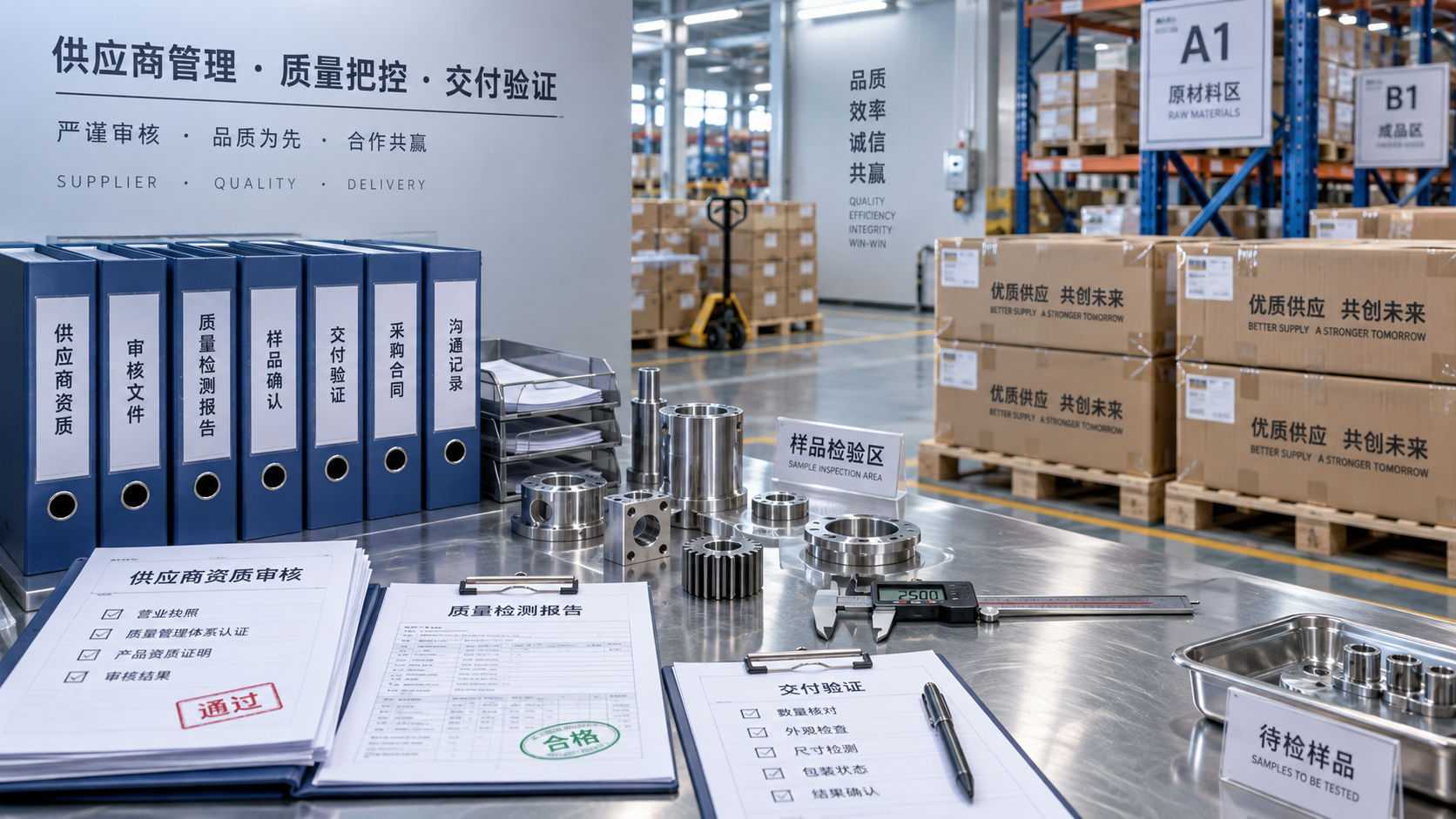
Even when logistics cost pressure eases, buyer expectations on supplier reliability do not disappear. Companies should keep technical files, product documentation, quality traceability records, and supplier qualification materials current so that delivery discussions remain focused on execution rather than avoidable document gaps.
Track trade risk without overstating the benefit
Firms should avoid treating a fuel price reduction as a guarantee of permanently lower cross-border logistics costs. A more practical response is to update internal cost models, review exposure to fuel-related freight adjustments, and maintain clear communication with overseas customers on the temporary nature of current cost stability expectations.
Industry View: A Short-Term Relief Signal, Not a Full Reset
Analysis shows that the latest adjustment is most meaningful as a cost-pressure easing signal for cross-border transport rather than a broad change in trade fundamentals. The direct link highlighted in the event summary is the reduced upward pressure on BAF, which matters most for exporters whose pricing is sensitive to freight volatility.
From an industry perspective, the more important takeaway may be improved quotation discipline. When freight pressure softens, manufacturers and traders gain a narrower fluctuation range for discussing delivery terms with overseas buyers. However, it is more appropriate to understand this as a temporary stabilization window for late Q2 to early Q3, not as proof that logistics costs will remain low over a longer cycle.
What deserves closer attention is how companies use this period. Suppliers that can respond quickly with clear documentation, stable delivery planning, and better coordination between production and logistics may convert short-term cost stability into stronger customer confidence.
Why This Adjustment Matters for the Industry
The latest fuel price cut has practical significance because it eases immediate freight-related cost pressure in cross-border trade and supports more stable delivery quotations for export-dependent sectors. For suppliers in CNC machining, industrial materials, and smart home products, the development may improve near-term pricing coordination with overseas buyers.
At the same time, a rational conclusion is that the benefit should be viewed as limited and time-sensitive. Businesses still need to follow freight surcharge movements, customer procurement behavior, and document consistency across contracts and shipments. Stable execution, rather than optimism alone, will determine who benefits most from this adjustment.
Source Note and Follow-up Points
This article was generated based on the user-provided news title, event time, and event summary. Specific official source links were not provided in the input and should be verified continuously.
For this type of development, commonly relevant source categories may include official price adjustment notices, transport pricing updates, freight surcharge communications, customs and trade execution notices, and market feedback from logistics and export channels. Further observation is still needed regarding detailed implementation in freight charging practice, changes in tender or quotation documents, supplier and importer responses, and broader industry feedback on cost transmission.
Get weekly intelligence in your inbox.
No noise. No sponsored content. Pure intelligence.
 Oct 24, 2026Tesla Q3 2026 Storage Deployments Rank Second Highest as Revenue Falls 16%Tesla Q3 2026 Storage Deployments Rank Second Highest as Revenue Falls 16%
 Oct 24, 2026Freight Forwarding Services Pricing: Comparing Quotes Beyond Base RatesFreight Forwarding Services Pricing: Comparing Quotes Beyond Base Rates
 Oct 23, 2026IndexBox Issues Off-Grid Solar Outlook to 2035, Forecasting 8.2% CAGRIndexBox Issues Off-Grid Solar Outlook to 2035, Forecasting 8.2% CAGR
 Oct 23, 2026NSF/ANSI 49 Biosafety Cabinets: Product Certification vs. Field TestingNSF/ANSI 49 Biosafety Cabinets: Product Certification vs. Field Testing
 Oct 22, 2026Mitsubishi Electric Develops Industry-First Humanoid Robot–CNC Machining SystemMitsubishi Electric Develops Industry-First Humanoid Robot–CNC Machining System
 Oct 22, 2026Aerospace Aluminum Machining: How to Control Distortion in Thin-Wall PartsAerospace Aluminum Machining: How to Control Distortion in Thin-Wall Parts
 Oct 21, 2026Genesis Energy commissions 200 MWh battery storage system at HuntlyGenesis Energy commissions 200 MWh battery storage system at Huntly
 Oct 21, 2026Buying AMI Smart Meters Wholesale: Compatibility Checks and Total CostsBuying AMI Smart Meters Wholesale: Compatibility Checks and Total Costs
 Oct 20, 2026Werner Enterprises Issues Q3 Earnings Warning as Costs RiseWerner Enterprises Issues Q3 Earnings Warning as Costs Rise
 Oct 20, 2026Are Digital Twins Viable for SMEs? Costs, Use Cases, and Data RequirementsAre Digital Twins Viable for SMEs? Costs, Use Cases, and Data Requirements
 Oct 19, 2026Choosing a Wholesale Servo Motor Exporter: Traceability and Warranty ChecksChoosing a Wholesale Servo Motor Exporter: Traceability and Warranty Checks
 Oct 18, 2026Syringe Manufacturing Equipment: Evaluating Throughput and Assembly AccuracySyringe Manufacturing Equipment: Evaluating Throughput and Assembly Accuracy
 Oct 17, 2026Air Freight Forwarding Services: How to Compare Quotes for Urgent ShipmentsAir Freight Forwarding Services: How to Compare Quotes for Urgent Shipments
 Oct 16, 2026Wholesale Solar Panels: How to Compare Bulk Quotes by Total Landed CostWholesale Solar Panels: How to Compare Bulk Quotes by Total Landed Cost
 Oct 15, 2026Supply Chain Intelligence for Sourcing: How to Vet New SuppliersSupply Chain Intelligence for Sourcing: How to Vet New Suppliers
 Oct 14, 2026How energy costs shape smart manufacturing investment in EuropeHow energy costs shape smart manufacturing investment in Europe
 Oct 14, 2026How skills shortages slow smart manufacturing in Southeast AsiaHow skills shortages slow smart manufacturing in Southeast Asia
 Oct 14, 2026How CNC wire-cut machining maintains tight tolerances in thick partsHow CNC wire-cut machining maintains tight tolerances in thick parts
 Oct 14, 2026Can automated feeding stabilize metal forming in smart factories?Can automated feeding stabilize metal forming in smart factories?
 Oct 14, 2026Can CT inspection detect internal defects in metal additive parts?Can CT inspection detect internal defects in metal additive parts?
 Oct 14, 2026When does additive manufacturing reduce lead time for spare parts?When does additive manufacturing reduce lead time for spare parts?
 Oct 14, 2026How production volume affects ROI on an automated painting lineHow production volume affects ROI on an automated painting line
 Oct 14, 2026What data does manufacturing bottleneck analysis consulting need?What data does manufacturing bottleneck analysis consulting need?
 Oct 14, 2026When should you hire a consultant for manufacturing bottlenecks?When should you hire a consultant for manufacturing bottlenecks?
 Oct 14, 2026What Are Electronics Exporters' Top Supply Chain Resilience Gaps in 2026?What Are Electronics Exporters' Top Supply Chain Resilience Gaps in 2026?
 Oct 14, 2026How Do You Measure AI Adoption Maturity in a Traditional Factory?How Do You Measure AI Adoption Maturity in a Traditional Factory?
 Oct 14, 2026Are Chinese AI-Assisted Surgical Devices Gaining Global Trust?Are Chinese AI-Assisted Surgical Devices Gaining Global Trust?