Africa-China Coffee Trade Opens; Smart Home & IoT Export Opportunities Emerge
Effective 20 July 2026, coffee beans from African countries with diplomatic relations with China will be permitted for import into China — a policy announced by China’s Ministry of Commerce on 28 May 2026. This regulatory shift is expected to catalyze investment in local African coffee processing infrastructure, including roasting, packaging, smart warehousing, and IoT-enabled traceability systems — thereby creating new demand for Chinese-made Smart Home and IoT devices across the African supply chain.
Policy Implementation Timeline and Scope
On 28 May 2026, China’s Ministry of Commerce formally announced that, starting 20 July 2026, coffee beans originating from African countries maintaining diplomatic ties with China may be imported into China — provided they meet stipulated phytosanitary, quality, and documentation requirements. No additional policy documents, implementation guidelines, or country-specific eligibility lists were disclosed in the initial announcement.
Impact Across Supply Chain Roles
Direct Trading Enterprises
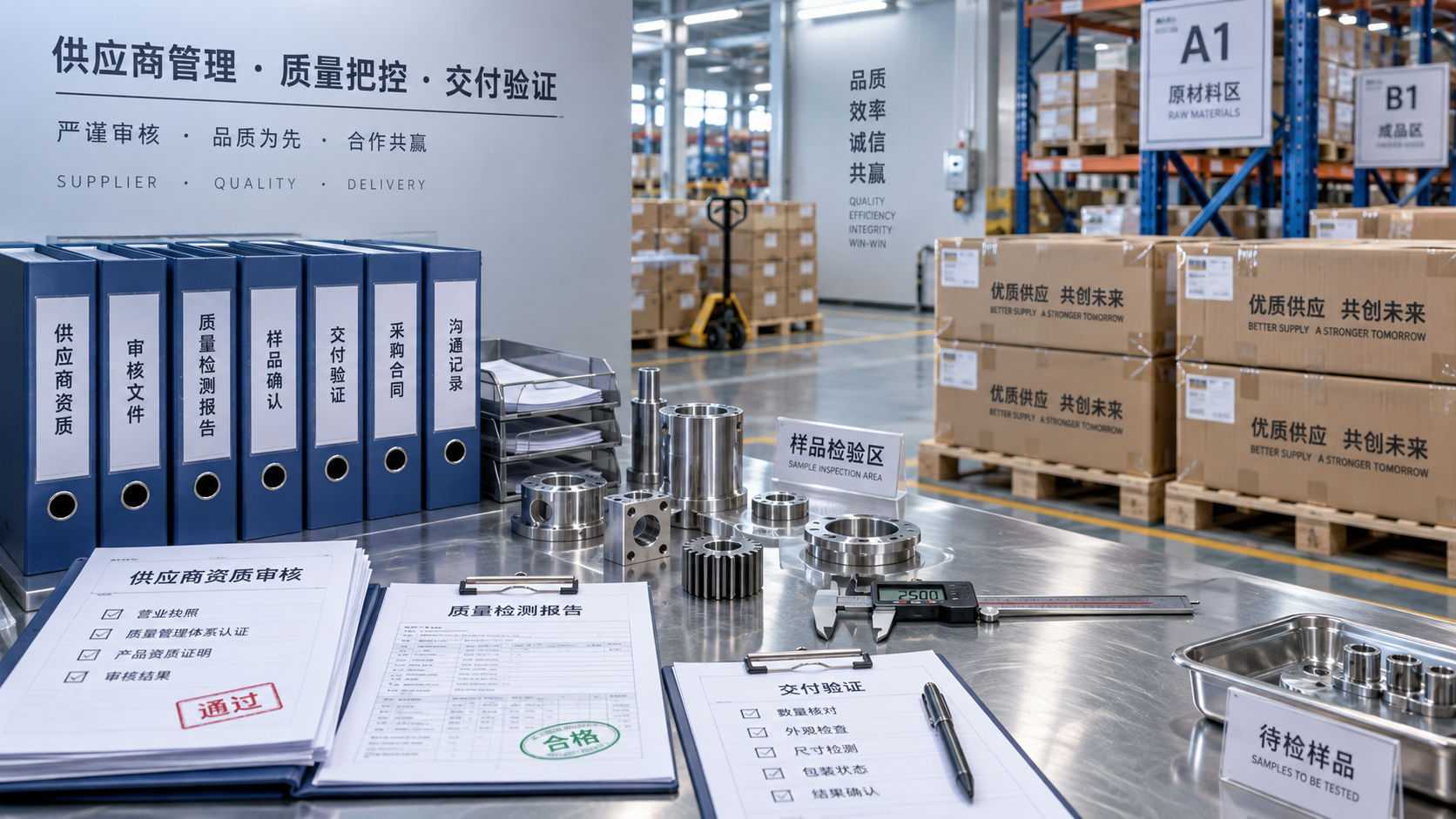
Import-export firms engaged in agricultural commodity trade must now assess eligibility criteria for African-origin coffee, update customs classification codes, and align with newly applicable inspection protocols. The opening introduces both opportunity and complexity — particularly in verifying origin certification, phytosanitary compliance, and batch-level traceability documentation.
Raw Material Procurement Entities
Coffee roasters and beverage manufacturers sourcing green beans will gain access to diversified African origins. However, procurement teams must adapt sourcing strategies to accommodate variable harvest cycles, logistical lead times, and potential volatility in smallholder-supplied volumes — all while ensuring alignment with domestic food safety standards.
Processing and Manufacturing Firms
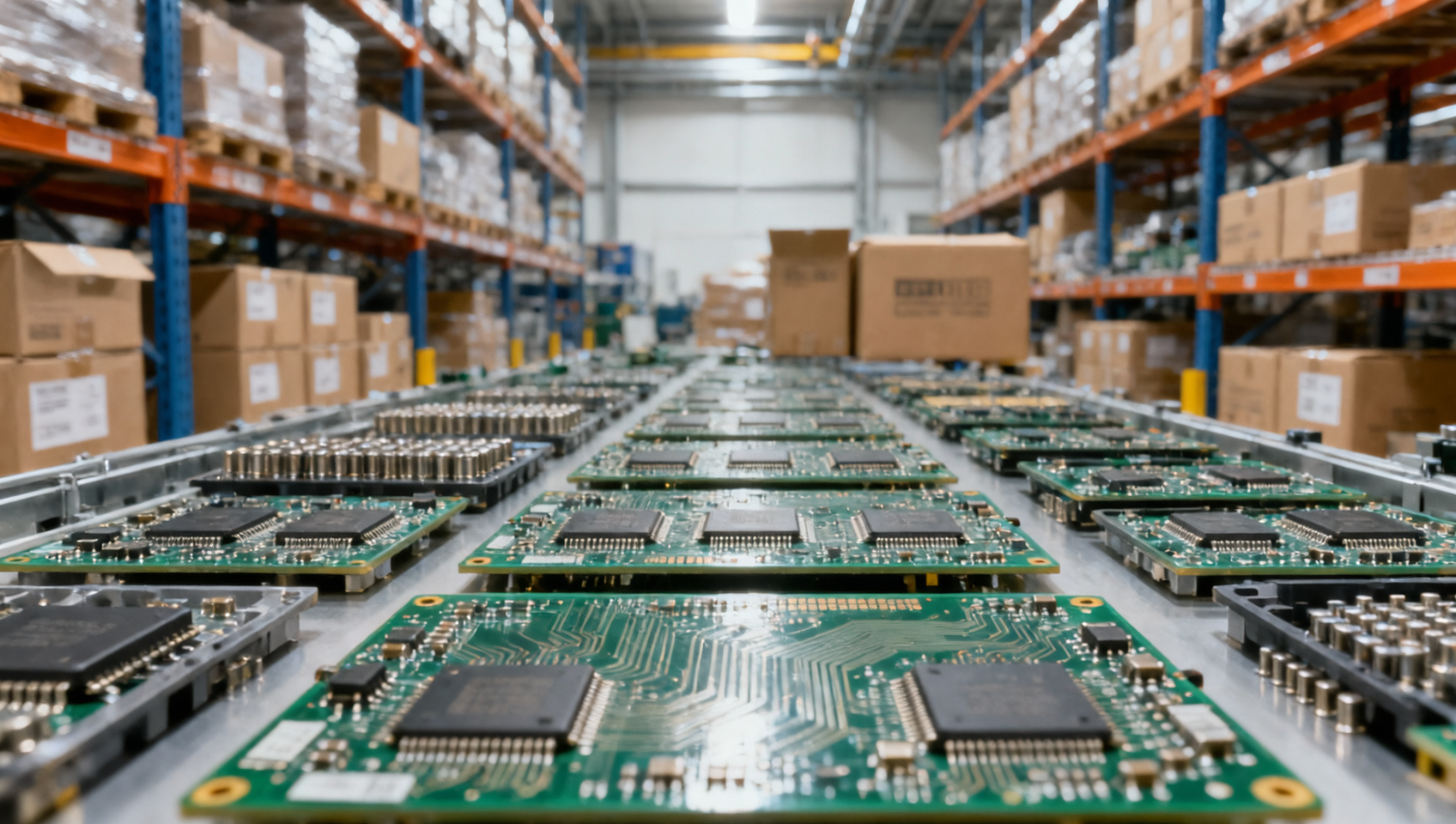
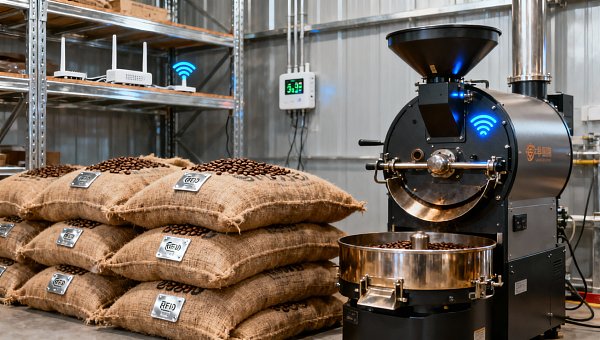
African-based processors — especially those expanding roasting, grinding, and vacuum-packaging capacity — are anticipated to accelerate investments in automation and digital infrastructure. This directly increases demand for Chinese-manufactured smart coffee roasters, RFID label printers, and IoT environmental sensors (e.g., temperature/humidity monitors) compatible with traceability platforms.
Supply Chain Service Providers
Logistics operators, cold-chain solution providers, and digital traceability platform vendors face heightened requirements for interoperable data capture — particularly for real-time monitoring during transit and storage. Integration readiness with African partners’ ERP or WMS systems becomes a competitive differentiator.
Key Considerations for Exporting Manufacturers
Compliance and Certification Alignment
Exporters of Smart Home and IoT Devices targeting African coffee processors must verify whether their products meet regional conformity assessment requirements — including electromagnetic compatibility (EMC), electrical safety, and local data privacy regulations governing sensor-collected information.
Technical Specification Readiness
Device specifications — such as operating temperature ranges suitable for tropical warehouses, dust/water ingress protection (IP rating), and compatibility with common African power grids (e.g., 220–240 V, 50 Hz) — require explicit validation prior to tender submission or distribution agreements.
Documentation and Traceability Integration
Manufacturers should prepare technical dossiers supporting integration with blockchain- or cloud-based traceability systems used by African buyers — including API documentation, firmware update protocols, and calibration certificate templates aligned with ISO/IEC 17025 principles.
Delivery Planning and After-Sales Support
Given extended shipping durations and limited local service networks, exporters must formalize spare parts availability, remote diagnostics capabilities, and multilingual user support — especially for devices deployed in decentralized processing units across rural regions.
Industry Perspective: Beyond Commodity Access
Analysis shows this policy is less about incremental coffee imports and more about enabling a parallel digital infrastructure upgrade across Africa’s agri-processing sector. What deserves closer attention is how rapidly African roasters and cooperatives adopt IoT-enabling hardware — not merely as productivity tools, but as prerequisites for meeting China’s increasingly stringent traceability expectations. From an industry perspective, the timeline between policy launch (28 May 2026) and effective date (20 July 2026) suggests urgency in supplier qualification and system integration — compressing typical procurement cycles for industrial IoT equipment.
Strategic Implications for Technology Exporters
This development marks a structural inflection point: agricultural trade liberalization is now explicitly coupled with demand for embedded intelligence in downstream processing. For Chinese Smart Home and IoT device manufacturers, success hinges not only on product performance but on contextual adaptation — including localized language interfaces, modular design for off-grid operation, and demonstrable ROI in reducing post-harvest loss. It is more appropriate to understand this as a dual-market opportunity: first, in supplying hardware to African enterprises; second, in co-developing certified traceability modules accepted by Chinese customs authorities.
Source Verification Notice
This article was generated exclusively from the user-provided title, event date (2026-07-20), and summary. Specific official source links were not provided in the input and should be verified continuously. Stakeholders are advised to monitor forthcoming announcements from China’s General Administration of Customs, the Ministry of Commerce, and national standardization bodies regarding detailed implementation rules, approved African countries, and technical compliance pathways. Further observation is warranted on how African national regulators interpret and enforce IoT device registration requirements in food-related contexts.
Get weekly intelligence in your inbox.
No noise. No sponsored content. Pure intelligence.
 Oct 24, 2026Tesla Q3 2026 Storage Deployments Rank Second Highest as Revenue Falls 16%Tesla Q3 2026 Storage Deployments Rank Second Highest as Revenue Falls 16%
 Oct 24, 2026Freight Forwarding Services Pricing: Comparing Quotes Beyond Base RatesFreight Forwarding Services Pricing: Comparing Quotes Beyond Base Rates
 Oct 23, 2026IndexBox Issues Off-Grid Solar Outlook to 2035, Forecasting 8.2% CAGRIndexBox Issues Off-Grid Solar Outlook to 2035, Forecasting 8.2% CAGR
 Oct 23, 2026NSF/ANSI 49 Biosafety Cabinets: Product Certification vs. Field TestingNSF/ANSI 49 Biosafety Cabinets: Product Certification vs. Field Testing
 Oct 22, 2026Mitsubishi Electric Develops Industry-First Humanoid Robot–CNC Machining SystemMitsubishi Electric Develops Industry-First Humanoid Robot–CNC Machining System
 Oct 22, 2026Aerospace Aluminum Machining: How to Control Distortion in Thin-Wall PartsAerospace Aluminum Machining: How to Control Distortion in Thin-Wall Parts
 Oct 21, 2026Genesis Energy commissions 200 MWh battery storage system at HuntlyGenesis Energy commissions 200 MWh battery storage system at Huntly
 Oct 21, 2026Buying AMI Smart Meters Wholesale: Compatibility Checks and Total CostsBuying AMI Smart Meters Wholesale: Compatibility Checks and Total Costs
 Oct 20, 2026Werner Enterprises Issues Q3 Earnings Warning as Costs RiseWerner Enterprises Issues Q3 Earnings Warning as Costs Rise
 Oct 20, 2026Are Digital Twins Viable for SMEs? Costs, Use Cases, and Data RequirementsAre Digital Twins Viable for SMEs? Costs, Use Cases, and Data Requirements
 Oct 19, 2026Choosing a Wholesale Servo Motor Exporter: Traceability and Warranty ChecksChoosing a Wholesale Servo Motor Exporter: Traceability and Warranty Checks
 Oct 18, 2026Syringe Manufacturing Equipment: Evaluating Throughput and Assembly AccuracySyringe Manufacturing Equipment: Evaluating Throughput and Assembly Accuracy
 Oct 17, 2026Air Freight Forwarding Services: How to Compare Quotes for Urgent ShipmentsAir Freight Forwarding Services: How to Compare Quotes for Urgent Shipments
 Oct 16, 2026Wholesale Solar Panels: How to Compare Bulk Quotes by Total Landed CostWholesale Solar Panels: How to Compare Bulk Quotes by Total Landed Cost
 Oct 15, 2026Supply Chain Intelligence for Sourcing: How to Vet New SuppliersSupply Chain Intelligence for Sourcing: How to Vet New Suppliers
 Oct 14, 2026How energy costs shape smart manufacturing investment in EuropeHow energy costs shape smart manufacturing investment in Europe
 Oct 14, 2026How skills shortages slow smart manufacturing in Southeast AsiaHow skills shortages slow smart manufacturing in Southeast Asia
 Oct 14, 2026How CNC wire-cut machining maintains tight tolerances in thick partsHow CNC wire-cut machining maintains tight tolerances in thick parts
 Oct 14, 2026Can automated feeding stabilize metal forming in smart factories?Can automated feeding stabilize metal forming in smart factories?
 Oct 14, 2026Can CT inspection detect internal defects in metal additive parts?Can CT inspection detect internal defects in metal additive parts?
 Oct 14, 2026When does additive manufacturing reduce lead time for spare parts?When does additive manufacturing reduce lead time for spare parts?
 Oct 14, 2026How production volume affects ROI on an automated painting lineHow production volume affects ROI on an automated painting line
 Oct 14, 2026What data does manufacturing bottleneck analysis consulting need?What data does manufacturing bottleneck analysis consulting need?
 Oct 14, 2026When should you hire a consultant for manufacturing bottlenecks?When should you hire a consultant for manufacturing bottlenecks?
 Oct 14, 2026What Are Electronics Exporters' Top Supply Chain Resilience Gaps in 2026?What Are Electronics Exporters' Top Supply Chain Resilience Gaps in 2026?
 Oct 14, 2026How Do You Measure AI Adoption Maturity in a Traditional Factory?How Do You Measure AI Adoption Maturity in a Traditional Factory?
 Oct 14, 2026Are Chinese AI-Assisted Surgical Devices Gaining Global Trust?Are Chinese AI-Assisted Surgical Devices Gaining Global Trust?