Smart Grid Explained: How It Balances Load, Integrates Renewables, and Cuts Outages
A smart grid is transforming how modern power systems respond to rising demand, renewable integration, and outage risks. For researchers and decision-makers, understanding how a smart grid balances load, improves grid visibility, and supports cleaner energy is essential to evaluating future energy infrastructure, supplier capabilities, and market opportunities in an increasingly digital and resilient power landscape.
What Is a Smart Grid and Why Does It Matter Now?
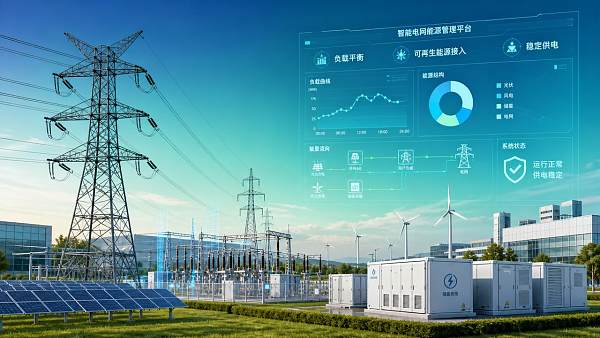
A smart grid is an electricity network enhanced by sensors, communications systems, automation, software, and data analytics. Unlike a conventional grid that mainly pushes power one way from generation to end users, a smart grid can monitor conditions in near real time, respond to fluctuations, and coordinate distributed energy resources.
This matters because power systems now face three simultaneous pressures: rising electricity demand, more variable renewable energy, and greater expectations for reliability. Industrial operators, utilities, investors, and procurement teams increasingly need better tools to manage instability without overbuilding expensive generation or network capacity.
For information researchers, the value of understanding smart grid architecture goes beyond technical curiosity. It directly supports market entry analysis, supplier screening, infrastructure planning, and investment evaluation across green energy, advanced manufacturing, smart electronics, and digital supply chain ecosystems.
- It improves visibility across transmission, distribution, and end-use consumption.
- It enables demand response, automated switching, and better outage management.
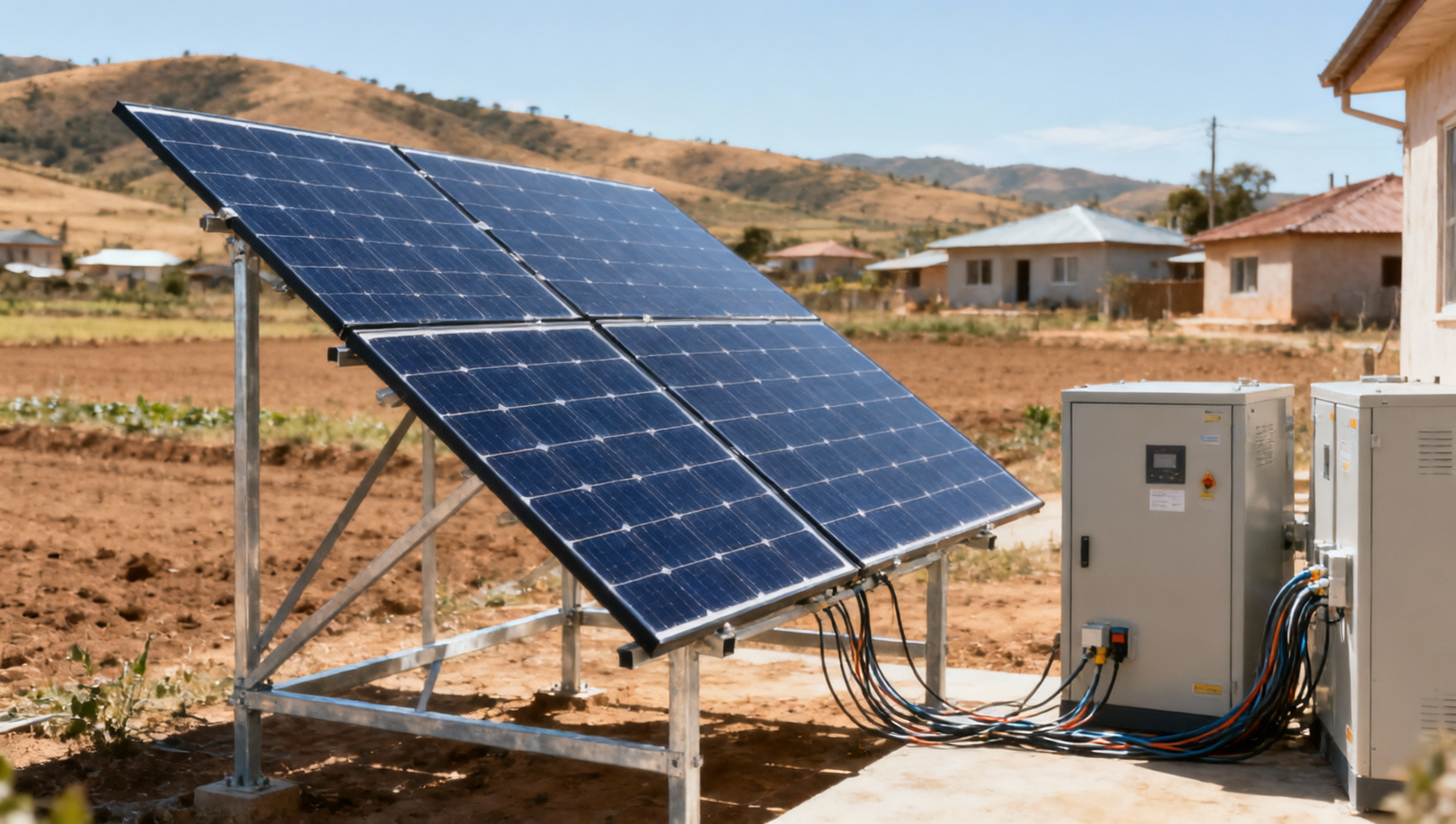
- It supports solar, wind, storage, electric vehicles, and distributed generation with more control.
- It creates decision data for utilities, industrial buyers, equipment vendors, and software providers.
How a Smart Grid Differs from a Traditional Grid
The main difference is intelligence. Traditional grids are built for predictable, centralized generation. A smart grid is built for variability, two-way power flows, and digital coordination. That shift affects infrastructure procurement, cybersecurity strategy, and long-term operating economics.
The table below highlights practical differences between a traditional grid and a smart grid for researchers comparing infrastructure pathways or supplier positioning.
For enterprise readers, this comparison shows that smart grid value is not only about hardware upgrades. It also depends on data integration, software orchestration, and interoperability across assets, vendors, and operational teams.
How Does a Smart Grid Balance Load More Effectively?
Load balancing is one of the most important smart grid functions. Electricity demand changes by hour, season, weather pattern, and industrial activity. If supply and demand fall out of balance, the system faces frequency deviations, congestion, instability, or forced curtailment.
A smart grid improves balancing by collecting field data from meters, substations, transformers, feeders, and distributed energy resources. Operators can then combine this data with forecasting tools, control logic, and automated dispatch decisions.
Core Mechanisms Behind Smart Grid Load Management
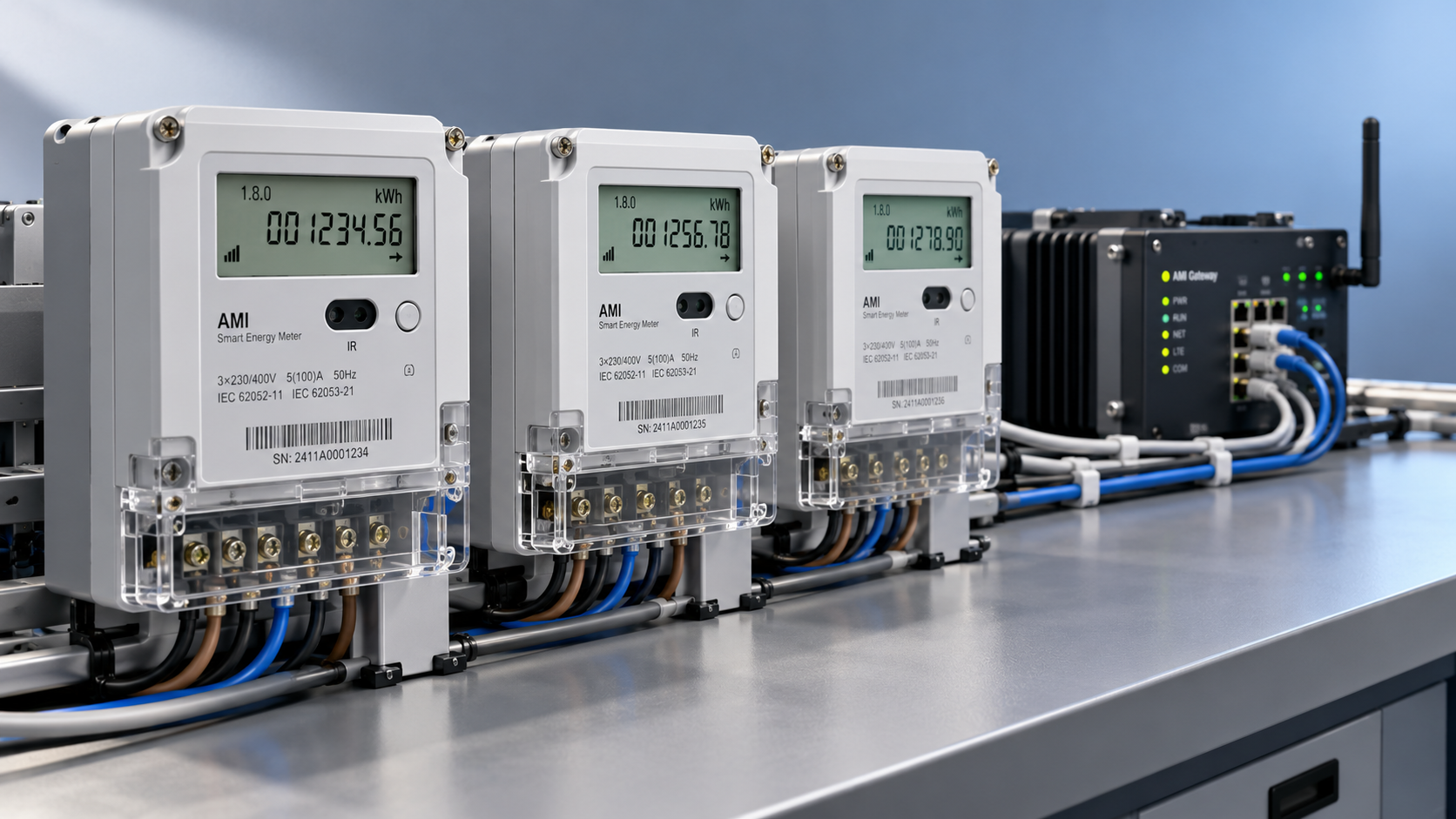
- Advanced metering infrastructure helps reveal demand patterns by location, time, and customer segment.
- Demand response programs shift flexible consumption away from peak hours through pricing signals or direct load control.
- Distribution automation adjusts switching and feeder configuration to relieve stress on overloaded sections.
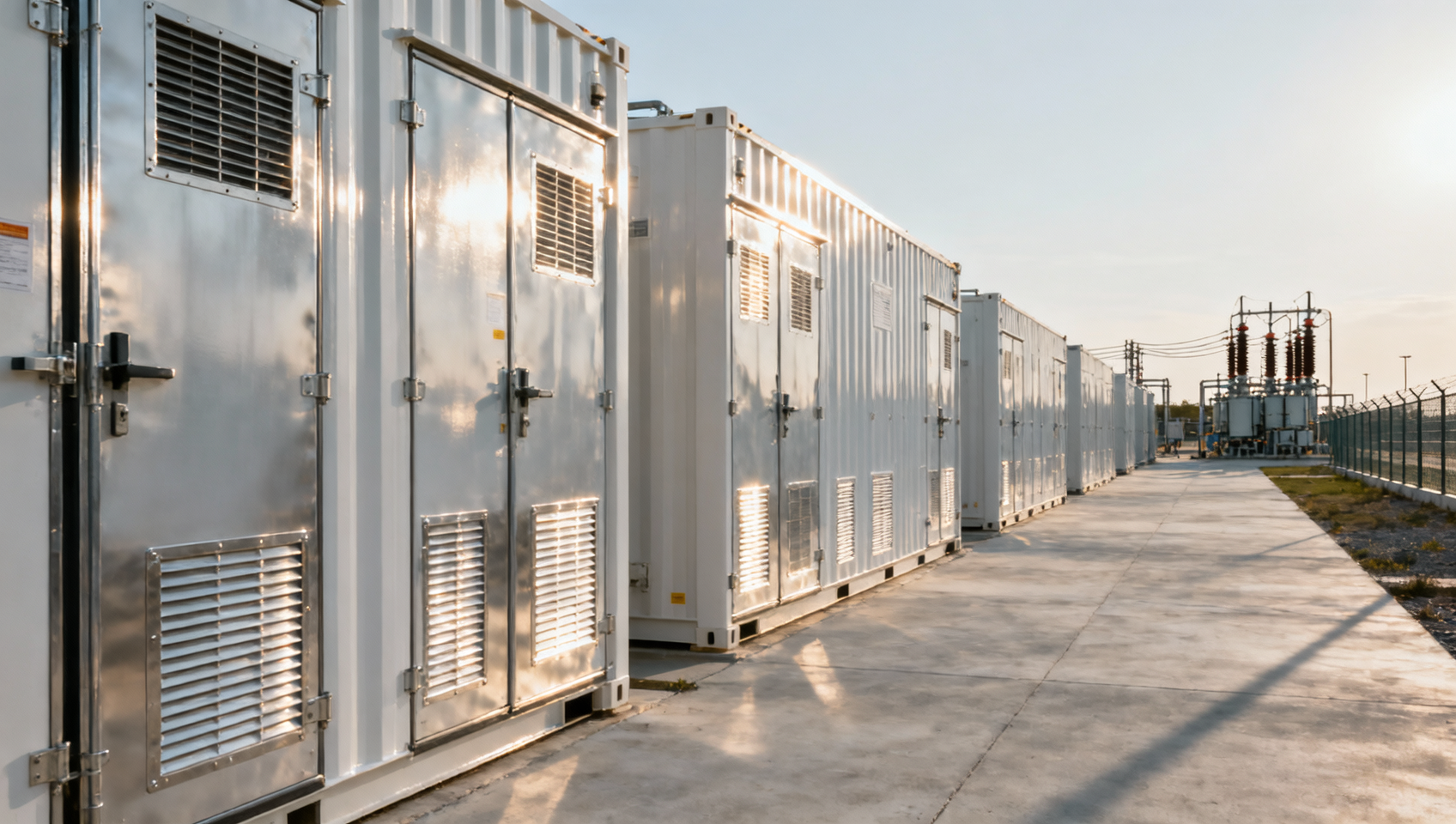
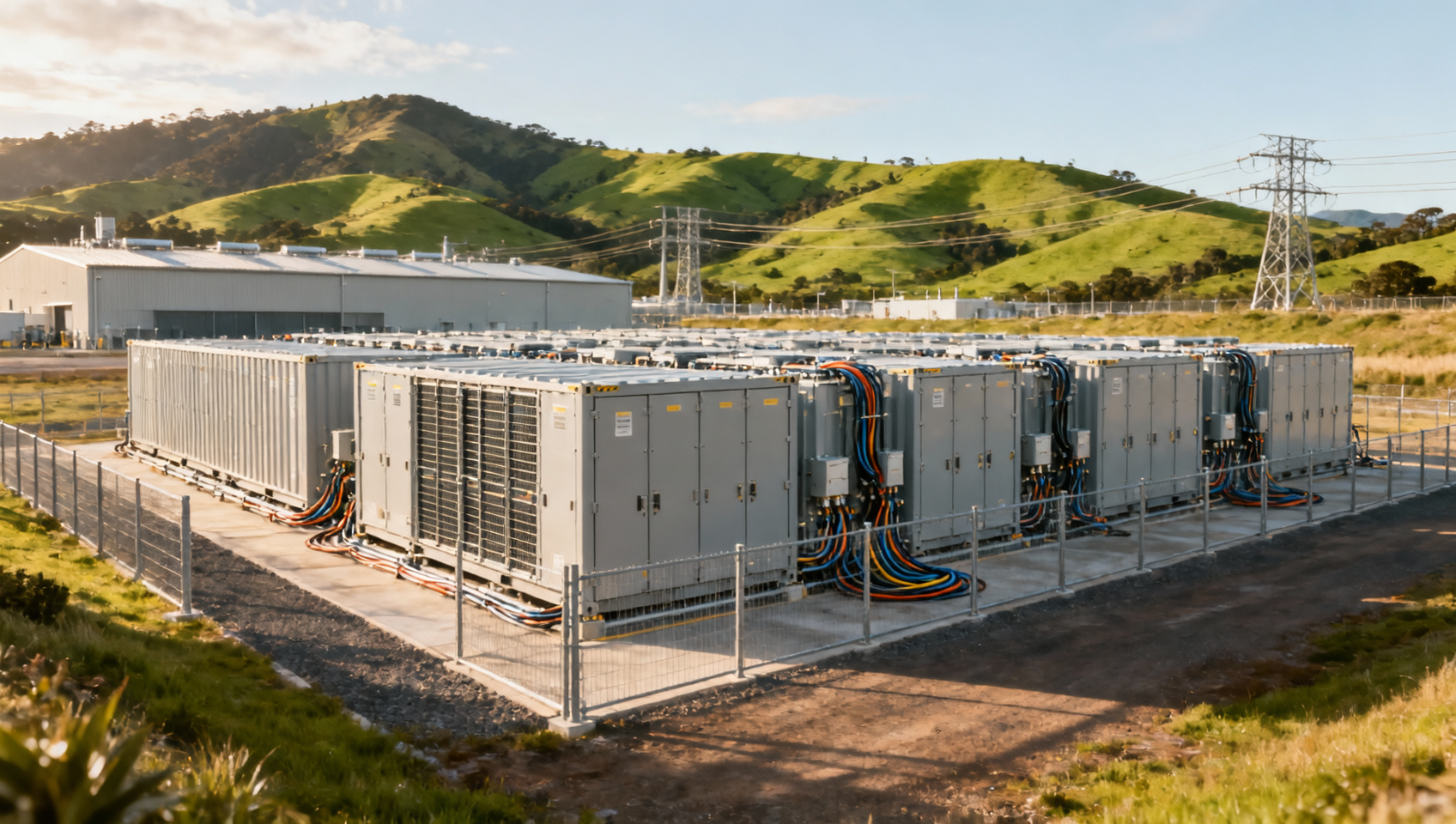
- Battery storage absorbs excess generation and discharges during tight supply windows.
- Forecasting software improves decisions for renewable output, weather impact, and short-term load behavior.
For industrial sites, load balancing also affects tariff exposure, backup generation strategy, and power quality. Researchers comparing smart grid solutions should therefore assess not just grid assets, but also analytics capability, integration depth, and response speed.
What Procurement Teams Should Examine
- Whether the solution supports real-time or near-real-time data collection across multiple asset classes.
- Whether forecasting models can incorporate weather, market prices, and distributed generation inputs.
- Whether the control platform is interoperable with SCADA, EMS, DMS, or third-party energy software.
- Whether cybersecurity controls are built into remote access, firmware updates, and communications architecture.
Why Is a Smart Grid Critical for Renewable Energy Integration?
Renewables add sustainability benefits, but they also introduce operational variability. Solar output changes with cloud cover and daylight cycles. Wind generation can rise or fall sharply in short periods. A smart grid helps manage that variability without sacrificing reliability.
Instead of treating renewable intermittency as an isolated issue, smart grid systems connect forecasting, flexible loads, storage, inverter controls, and grid-edge visibility into a coordinated response. That makes higher renewable penetration more practical in both utility-scale and distributed environments.
Typical Smart Grid Functions That Support Renewables
The table below outlines how a smart grid supports renewable integration across different operational needs and planning priorities.
This is especially relevant for global market researchers tracking green energy supply chains. Smart grid investment often pulls demand for power electronics, sensors, communications modules, automation systems, storage controls, and software platforms across multiple industrial sectors.
How Does a Smart Grid Reduce Outages and Improve Resilience?
Outages are expensive. They interrupt industrial production, damage temperature-sensitive inventory, disrupt hospitals and logistics hubs, and weaken confidence in regional infrastructure. A smart grid reduces outages not by making failures impossible, but by detecting, isolating, and restoring faults faster.
Sensors can identify voltage irregularities, equipment stress, line disturbances, or feeder-level anomalies before full failure occurs. Automated switching can reroute supply. Predictive maintenance tools can prioritize weak assets before they trigger service interruptions.
Resilience Benefits by Use Scenario
- Utilities gain better fault location and restoration sequencing.
- Manufacturers can align on-site backup strategy with grid event data and load priority rules.
- Commercial campuses benefit from faster incident awareness and selective load shedding.
- Critical facilities can integrate microgrids, storage, and distributed generation more effectively.
Common Resilience Limits Researchers Should Not Ignore
A smart grid is not a single product. Results depend on network age, communications quality, utility operating maturity, cybersecurity readiness, and field device compatibility. Some projects underperform because buyers focus on equipment count rather than operational integration and data governance.
Which Components and Technical Layers Deserve the Most Attention?
For supplier evaluation or technology scouting, it helps to break the smart grid into functional layers. This avoids the common mistake of comparing meters, software, storage, and automation devices as if they solve the same problem.
Smart Grid Technology Stack
- Field devices: smart meters, sensors, intelligent electronic devices, relays, and automated switches.
- Communications: fiber, RF mesh, cellular, and utility networking solutions for secure data exchange.
- Control systems: SCADA, distributed management tools, outage management systems, and grid-edge controls.
- Analytics: load forecasting, asset health monitoring, anomaly detection, and DER optimization software.
- Flexible assets: storage, controllable loads, EV charging systems, and microgrid components.
In practical procurement, no single component guarantees smart grid performance. The quality of integration often determines whether the system can actually balance load, absorb renewables, and reduce outages under real operating conditions.
How Should Buyers Compare Smart Grid Solutions and Suppliers?
Information researchers often face fragmented claims from equipment vendors, software providers, integrators, and energy consultants. A better approach is to compare solutions through decision criteria tied to business outcomes, not marketing language alone.
The evaluation table below is useful when screening smart grid partners, cross-border suppliers, or project frameworks across different markets.
This framework is particularly useful in international sourcing, where product specifications may be strong but delivery assumptions, localization ability, or support scope remain unclear until late in the process.
Procurement Questions Worth Asking Early
- What grid problem is the project solving first: peak load, renewable variability, outage response, or energy visibility?
- Which assets must be integrated from day one, and which can wait for phase two?
- What local compliance, utility interface, and communications constraints apply?
- How will performance be measured: curtailment reduction, outage minutes, peak demand savings, or data accuracy?
What About Cost, Standards, and Implementation Risk?
Smart grid cost varies widely because project scope varies widely. Expenses may include meters, sensors, communications infrastructure, substation upgrades, software licenses, cybersecurity controls, integration services, and operator training. The more fragmented the legacy environment, the more important implementation planning becomes.
Researchers should look beyond upfront capital cost. A low-cost component that does not integrate well can create higher lifecycle expense through manual work, limited visibility, or repeated retrofit needs.
Common Standards and Risk Areas
- Grid communications and interoperability standards may influence vendor compatibility and future expansion.
- Electrical safety and power quality requirements remain essential when integrating distributed assets.
- Cybersecurity frameworks should be reviewed for device access, network segmentation, and software maintenance.
- Data ownership and operational responsibility should be clarified in multi-party deployments.
In many markets, implementation risk comes less from technology immaturity and more from coordination failure between utilities, integrators, software providers, and site operators. That is why structured market intelligence is valuable before supplier contact or project commitment.
FAQ: What Do Researchers and Buyers Most Often Ask About Smart Grid Projects?
Is a smart grid only relevant for utilities?
No. Utilities are central users, but manufacturers, logistics parks, airports, hospitals, data centers, commercial campuses, and renewable developers also benefit. Any organization affected by power reliability, energy cost volatility, or distributed asset coordination has a reason to study smart grid capabilities.
Can a smart grid work without large-scale energy storage?
Yes, although storage often strengthens performance. A smart grid can still improve outcomes through forecasting, demand response, voltage control, automation, and better outage management. Storage becomes more valuable as renewable penetration, peak demand pressure, or resilience requirements increase.
What is the biggest mistake in smart grid selection?
A common mistake is buying isolated technologies without a systems view. Smart meters alone do not create a smart grid. Neither do batteries without control logic, or software without reliable field data. The strongest projects define objectives first, then match architecture, devices, and service scope to those objectives.
How long does implementation usually take?
Timelines depend on scope, regulation, and legacy conditions. A targeted pilot or substation automation package may move much faster than a multi-site rollout involving communications upgrades, meter deployment, software integration, and utility coordination. Buyers should ask for phase planning, not just a single completion date.
Why Better Smart Grid Intelligence Leads to Better Business Decisions
A smart grid is no longer a niche concept. It is becoming part of how regions modernize energy infrastructure, absorb renewables, improve resilience, and digitize industrial operations. For decision-makers, the challenge is not finding more claims. It is finding reliable context that links technology choices to commercial outcomes.
TradeNexus Pro supports that need by connecting sector-specific analysis across green energy, smart electronics, advanced manufacturing, healthcare technology, and supply chain software. This cross-sector view is valuable because smart grid decisions increasingly involve hardware, software, compliance, sourcing risk, and market timing at the same time.
Why Choose Us for Smart Grid Market Research and Supplier Discovery?
If you are evaluating a smart grid opportunity, entering a new energy market, or comparing solution partners across borders, TradeNexus Pro can help you move from fragmented information to structured decision support. Our platform is built for professional readers who need practical insight, not generic summaries.
- Request support for smart grid solution comparison across equipment, software, and integration models.
- Discuss supplier screening criteria, including interoperability, service scope, and cross-border delivery considerations.
- Ask about renewable integration pathways, storage coordination logic, and outage resilience priorities.
- Confirm project questions related to technical parameters, implementation stages, certification expectations, and quotation communication.
For teams that need smarter energy infrastructure decisions, clearer supplier visibility, or better market intelligence before investment, procurement, or partnership outreach, TradeNexus Pro provides a more informed starting point for the next conversation.
- smart grid solutions
- supply chain software
- Advanced Manufacturing
- Green Energy
- Smart Electronics
- Healthcare Technology
- renewable energy
- energy storage
- smart grid
- microgrid
- renewable integration
- Decision Support
- Market Intelligence
- Energy Market
- Market Research
- sensors
- predictive maintenance
- smart meters
- power electronics
Get weekly intelligence in your inbox.
No noise. No sponsored content. Pure intelligence.
 Oct 24, 2026Tesla Q3 2026 Storage Deployments Rank Second Highest as Revenue Falls 16%Tesla Q3 2026 Storage Deployments Rank Second Highest as Revenue Falls 16%
 Oct 24, 2026Freight Forwarding Services Pricing: Comparing Quotes Beyond Base RatesFreight Forwarding Services Pricing: Comparing Quotes Beyond Base Rates
 Oct 23, 2026IndexBox Issues Off-Grid Solar Outlook to 2035, Forecasting 8.2% CAGRIndexBox Issues Off-Grid Solar Outlook to 2035, Forecasting 8.2% CAGR
 Oct 23, 2026NSF/ANSI 49 Biosafety Cabinets: Product Certification vs. Field TestingNSF/ANSI 49 Biosafety Cabinets: Product Certification vs. Field Testing
 Oct 22, 2026Mitsubishi Electric Develops Industry-First Humanoid Robot–CNC Machining SystemMitsubishi Electric Develops Industry-First Humanoid Robot–CNC Machining System
 Oct 22, 2026Aerospace Aluminum Machining: How to Control Distortion in Thin-Wall PartsAerospace Aluminum Machining: How to Control Distortion in Thin-Wall Parts
 Oct 21, 2026Genesis Energy commissions 200 MWh battery storage system at HuntlyGenesis Energy commissions 200 MWh battery storage system at Huntly
 Oct 21, 2026Buying AMI Smart Meters Wholesale: Compatibility Checks and Total CostsBuying AMI Smart Meters Wholesale: Compatibility Checks and Total Costs
 Oct 20, 2026Werner Enterprises Issues Q3 Earnings Warning as Costs RiseWerner Enterprises Issues Q3 Earnings Warning as Costs Rise
 Oct 20, 2026Are Digital Twins Viable for SMEs? Costs, Use Cases, and Data RequirementsAre Digital Twins Viable for SMEs? Costs, Use Cases, and Data Requirements
 Oct 19, 2026Choosing a Wholesale Servo Motor Exporter: Traceability and Warranty ChecksChoosing a Wholesale Servo Motor Exporter: Traceability and Warranty Checks
 Oct 18, 2026Syringe Manufacturing Equipment: Evaluating Throughput and Assembly AccuracySyringe Manufacturing Equipment: Evaluating Throughput and Assembly Accuracy
 Oct 17, 2026Air Freight Forwarding Services: How to Compare Quotes for Urgent ShipmentsAir Freight Forwarding Services: How to Compare Quotes for Urgent Shipments
 Oct 16, 2026Wholesale Solar Panels: How to Compare Bulk Quotes by Total Landed CostWholesale Solar Panels: How to Compare Bulk Quotes by Total Landed Cost
 Oct 15, 2026Supply Chain Intelligence for Sourcing: How to Vet New SuppliersSupply Chain Intelligence for Sourcing: How to Vet New Suppliers
 Oct 14, 2026How energy costs shape smart manufacturing investment in EuropeHow energy costs shape smart manufacturing investment in Europe
 Oct 14, 2026How skills shortages slow smart manufacturing in Southeast AsiaHow skills shortages slow smart manufacturing in Southeast Asia
 Oct 14, 2026How CNC wire-cut machining maintains tight tolerances in thick partsHow CNC wire-cut machining maintains tight tolerances in thick parts
 Oct 14, 2026Can automated feeding stabilize metal forming in smart factories?Can automated feeding stabilize metal forming in smart factories?
 Oct 14, 2026Can CT inspection detect internal defects in metal additive parts?Can CT inspection detect internal defects in metal additive parts?
 Oct 14, 2026When does additive manufacturing reduce lead time for spare parts?When does additive manufacturing reduce lead time for spare parts?
 Oct 14, 2026How production volume affects ROI on an automated painting lineHow production volume affects ROI on an automated painting line
 Oct 14, 2026What data does manufacturing bottleneck analysis consulting need?What data does manufacturing bottleneck analysis consulting need?
 Oct 14, 2026When should you hire a consultant for manufacturing bottlenecks?When should you hire a consultant for manufacturing bottlenecks?
 Oct 14, 2026What Are Electronics Exporters' Top Supply Chain Resilience Gaps in 2026?What Are Electronics Exporters' Top Supply Chain Resilience Gaps in 2026?
 Oct 14, 2026How Do You Measure AI Adoption Maturity in a Traditional Factory?How Do You Measure AI Adoption Maturity in a Traditional Factory?
 Oct 14, 2026Are Chinese AI-Assisted Surgical Devices Gaining Global Trust?Are Chinese AI-Assisted Surgical Devices Gaining Global Trust?