Why CNC machining for defense industry demands traceability
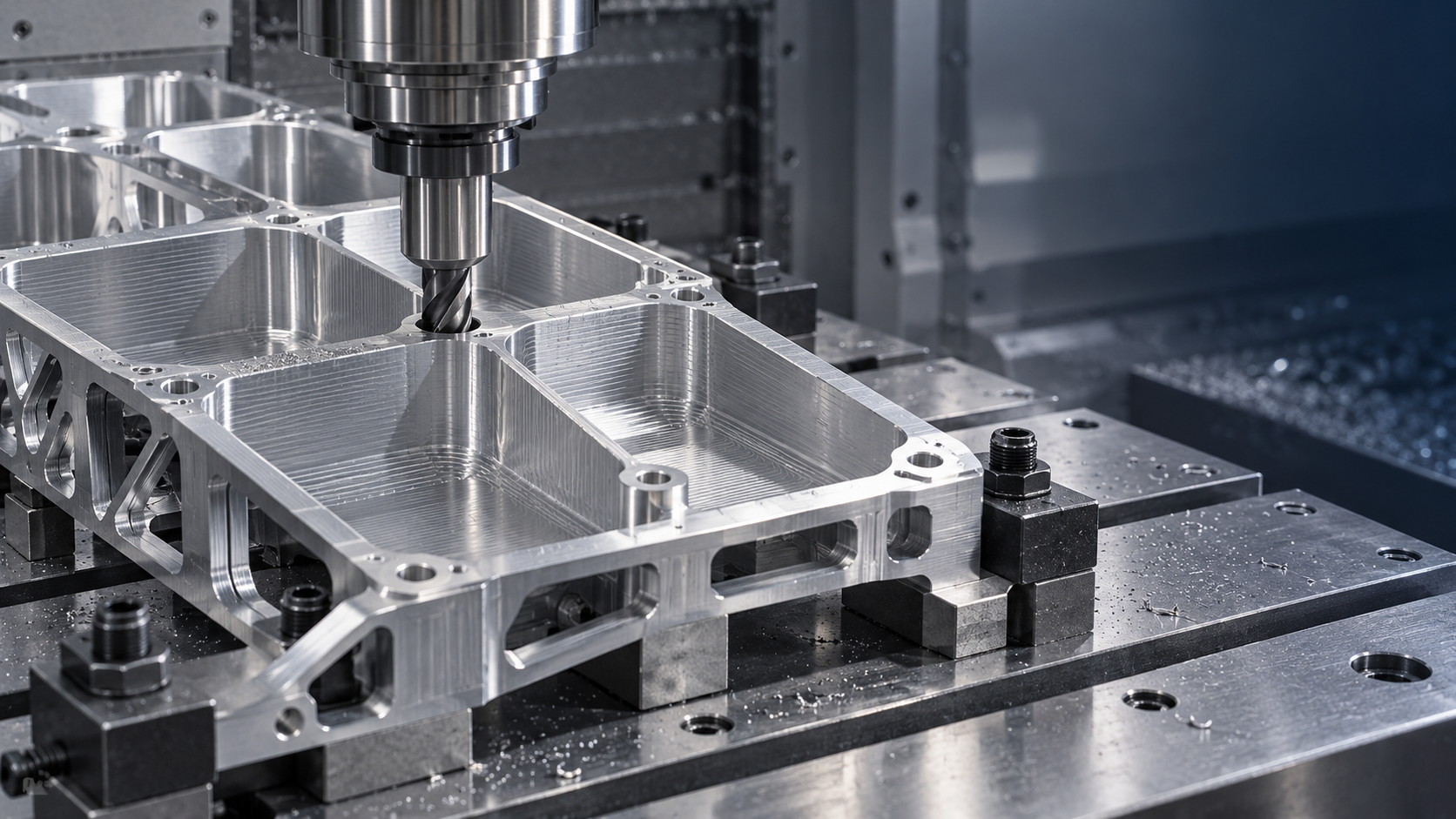
In mission-critical supply chains, CNC machining for defense industry is no longer judged only by precision, tolerance, or delivery speed. For quality control and safety teams, traceability has become a core requirement for proving material origin, process integrity, inspection history, and compliance readiness. As defense programs face tighter audits, stricter risk controls, and rising accountability across global suppliers, the ability to track every part, batch, and machining decision can determine whether a component is approved, rejected, or investigated.
Why traceability changes the approval logic in CNC machining for defense industry
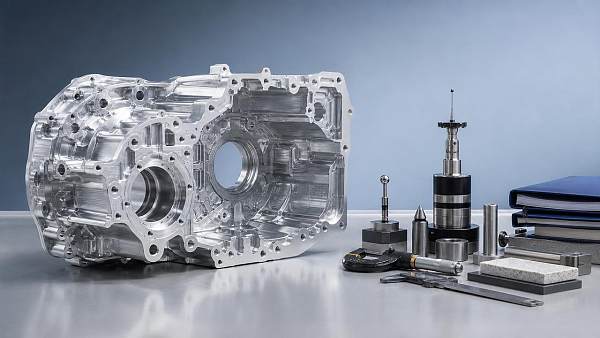
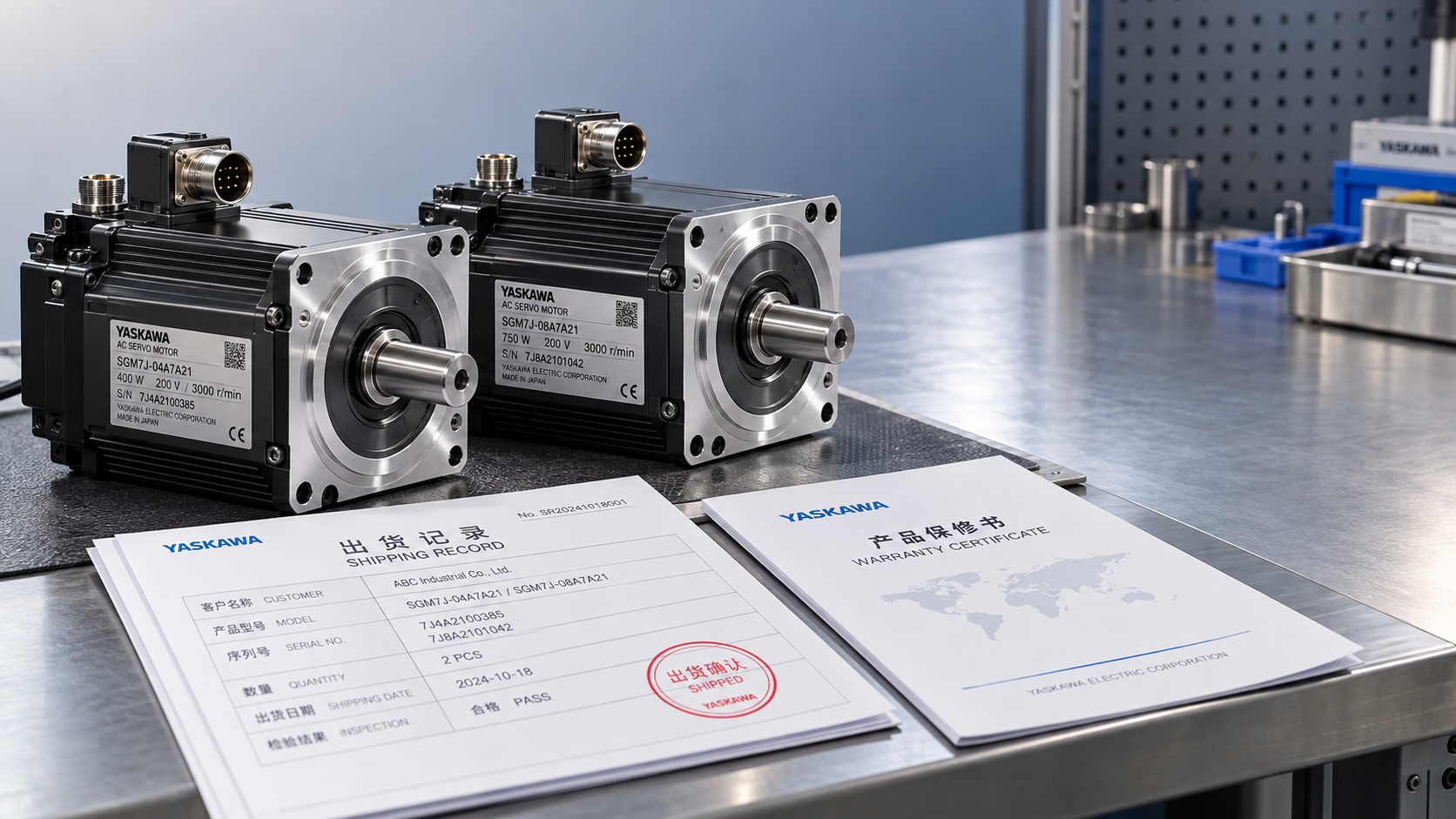
For quality control teams, traceability is not simply a document archive. It is the structured evidence that connects a finished component to raw material, machine settings, operators, inspections, deviations, and shipment records.
In CNC machining for defense industry, a small undocumented substitution can become a serious safety concern. A material heat lot, coating batch, tool change, or inspection method may affect fatigue life, corrosion resistance, or assembly reliability.
Safety managers also need a clear chain of accountability. If a part fails during testing or field use, teams must identify whether the issue came from design, procurement, machining, inspection, packaging, or logistics.
Traceability protects three decision points
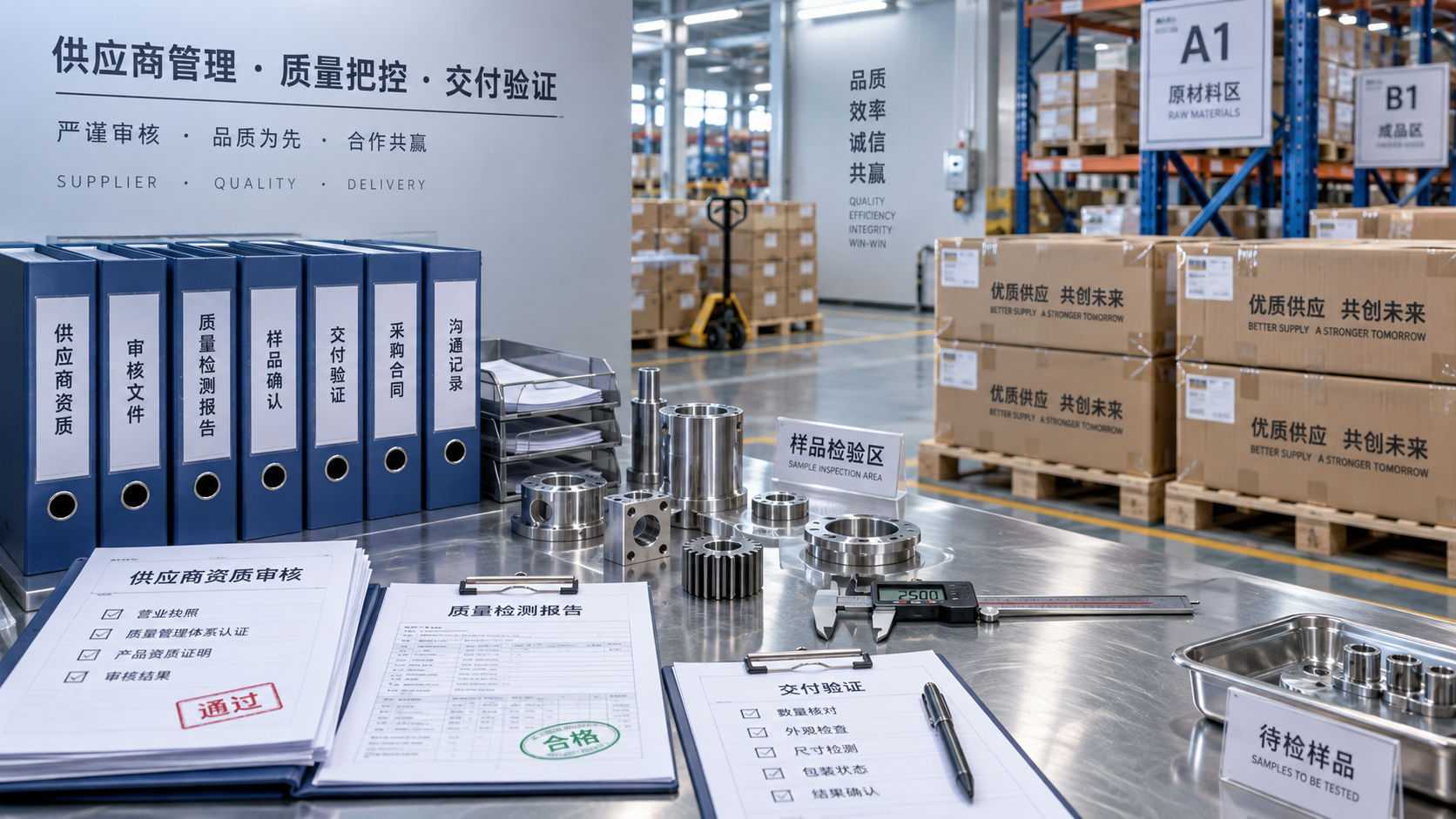
- Incoming approval, where certificates, material identity, and supplier records must match the purchase specification before production begins.
- In-process control, where machining parameters, inspection results, and nonconformance actions are recorded before hidden defects move downstream.
- Final release, where dimensional reports, special process records, packaging controls, and shipment documents support audit readiness.
What should be traceable from material receipt to final shipment?
A reliable traceability system should not overwhelm teams with irrelevant paperwork. It should capture the records that directly affect conformity, safety, and program-level accountability.
The following table outlines practical traceability checkpoints for CNC machining for defense industry, especially when suppliers serve complex assemblies, classified programs, export-controlled projects, or long-lifecycle spare parts.
This structure helps teams distinguish between useful evidence and uncontrolled paperwork. In CNC machining for defense industry, the best traceability record is specific, searchable, revision-controlled, and connected to the part number.
Where quality and safety teams feel the pressure most
The pressure around CNC machining for defense industry often appears before production starts. Buyers may request short lead times, while quality teams must still verify suppliers, drawings, materials, and inspection capability.
Defense-related components may also move through several tiers. A prime contractor, subsystem integrator, machine shop, heat-treatment provider, and logistics partner may all touch the same part history.
Common traceability pain points
- Supplier records are stored in different formats, making it difficult to compare inspection reports, certificates, and corrective actions.
- Material certificates exist, but the link between the certificate, cut stock, work order, and finished component is weak.
- A subcontracted process such as coating or non-destructive testing is not connected to the final quality release package.
- Engineering revisions are updated faster than production records, creating uncertainty about which drawing controlled the batch.
These gaps create real operational cost. They delay first article approval, increase reinspection, complicate containment actions, and weaken the safety case for critical parts.
Manual records versus digital traceability: which model fits defense programs?
Many suppliers still rely on spreadsheets, scanned certificates, and email folders. That may work for low-volume commercial projects, but CNC machining for defense industry usually demands stronger control.
The comparison below helps quality and safety managers judge whether their current approach can support audits, investigations, and long-term lifecycle requirements.
Digital traceability does not remove the need for disciplined quality work. It makes that work verifiable, faster to review, and less dependent on isolated personnel knowledge.
Procurement checklist for traceable CNC machining for defense industry
Procurement teams often focus on price, capacity, and lead time. Quality control and safety managers should add evidence-based questions before approving a machining supplier.
Questions to ask before placing an order
- Can the supplier link each finished part to material heat number, work order, machine, inspection record, and shipment batch?
- How are drawing revisions controlled, and what prevents obsolete specifications from entering production?
- Are calibration records available for gauges, CMM equipment, and test instruments used on critical dimensions?
- How are subcontracted processes such as heat treatment, plating, passivation, or NDT qualified and documented?
- What is the retention period for production and quality records, and how quickly can records be retrieved?
These questions help reveal whether a supplier truly understands CNC machining for defense industry or simply provides precision parts without program-level documentation discipline.
Compliance signals that matter in supplier evaluation
Standards vary by country, program, and customer requirement. Still, several quality and security frameworks commonly influence how traceability is specified and audited.
For CNC machining for defense industry, buyers should verify which standards are contractually required and which are supporting controls rather than formal certifications.
The presence of a certificate is not enough. Quality teams should confirm scope, expiration, applicable processes, customer flow-down requirements, and record retention obligations.
Implementation model: how to build traceability without slowing production
A common concern is that traceability will slow machining operations. In practice, well-designed controls reduce rework by capturing the right evidence at the right production step.
A practical rollout sequence
- Map critical part families and identify where material, process, or inspection records are currently disconnected.
- Define mandatory data fields for CNC machining for defense industry, including lot number, revision, operator, equipment, and inspection status.
- Connect incoming inspection, production travelers, CMM reports, nonconformance records, and final release packages.
- Train operators and inspectors to record deviations immediately instead of reconstructing records after shipment.
- Review traceability samples during internal audits before customer or regulatory audits expose gaps.
The goal is not to digitize every detail. The goal is to make each safety-relevant machining and inspection decision recoverable, defensible, and tied to approved requirements.
Cost, risk, and the hidden price of weak documentation
Traceability has a cost, but poor traceability often costs more. The expensive problems usually appear late, when shipments are blocked or field investigations require missing records.
In CNC machining for defense industry, hidden cost is not limited to scrap. It includes urgent reinspection, supplier containment, engineering reviews, expedited replacement, and lost program confidence.
Risk indicators to monitor
- Repeated requests for missing certificates after production has already been completed.
- Inspection reports that do not identify drawing revision, instrument status, or measured characteristics clearly.
- Subcontracted special process records that are not linked to the original purchase order or part batch.
- Suppliers that can produce parts accurately but cannot explain how process changes are approved and recorded.
When budgets are limited, prioritize traceability for critical dimensions, controlled materials, special processes, serialized components, and parts with direct safety impact.
FAQ: traceability questions from quality and safety managers
How much traceability is enough for CNC machining for defense industry?
The required level depends on contract terms, part criticality, and applicable standards. At minimum, teams should link material, revision, process route, inspection evidence, and final shipment identity.
Is serialization always required?
Not always. Serialization is usually justified for safety-critical parts, high-value assemblies, controlled spares, or components needing lifecycle tracking. Batch-level traceability may be sufficient for lower-risk items.
Can a small machine shop support defense traceability?
Yes, if its processes are disciplined. A smaller supplier can be suitable when it controls documents, calibration, material identity, subcontractors, revisions, and nonconformance records consistently.
What is the most common misconception?
Many teams believe inspection reports alone prove conformity. In reality, CNC machining for defense industry requires connected evidence showing that the correct material, revision, process, and controls were used.
How TradeNexus Pro supports better supplier decisions
TradeNexus Pro helps procurement directors, quality leaders, and safety managers interpret supplier capability beyond surface-level claims. The platform focuses on advanced manufacturing, supply chain intelligence, and verified industrial insight.
For CNC machining for defense industry, this means evaluating not only machining capacity, but also documentation discipline, process maturity, certification relevance, and supply chain resilience.
Why choose us for traceability-focused sourcing intelligence?
- Consult on supplier evaluation criteria, including material control, inspection records, special process documentation, and audit preparation.
- Compare CNC machining for defense industry requirements across advanced manufacturing, smart electronics, healthcare technology, and supply chain SaaS contexts.
- Support decision discussions around delivery cycle, custom requirements, quality documentation, sample review, and certification expectations.
- Help B2B enterprises present technical case studies and process integration stories within a high-authority industrial content environment.
If your team is reviewing CNC machining for defense industry suppliers, TradeNexus Pro can help clarify parameters, documentation expectations, approval risks, and sourcing priorities before cost or schedule pressure narrows your options.
Contact TradeNexus Pro to discuss traceability requirements, supplier comparison, sample support, certification questions, delivery-cycle concerns, and quotation communication for mission-critical machining programs.
Get weekly intelligence in your inbox.
No noise. No sponsored content. Pure intelligence.
 Oct 24, 2026Tesla Q3 2026 Storage Deployments Rank Second Highest as Revenue Falls 16%Tesla Q3 2026 Storage Deployments Rank Second Highest as Revenue Falls 16%
 Oct 24, 2026Freight Forwarding Services Pricing: Comparing Quotes Beyond Base RatesFreight Forwarding Services Pricing: Comparing Quotes Beyond Base Rates
 Oct 23, 2026IndexBox Issues Off-Grid Solar Outlook to 2035, Forecasting 8.2% CAGRIndexBox Issues Off-Grid Solar Outlook to 2035, Forecasting 8.2% CAGR
 Oct 23, 2026NSF/ANSI 49 Biosafety Cabinets: Product Certification vs. Field TestingNSF/ANSI 49 Biosafety Cabinets: Product Certification vs. Field Testing
 Oct 22, 2026Mitsubishi Electric Develops Industry-First Humanoid Robot–CNC Machining SystemMitsubishi Electric Develops Industry-First Humanoid Robot–CNC Machining System
 Oct 22, 2026Aerospace Aluminum Machining: How to Control Distortion in Thin-Wall PartsAerospace Aluminum Machining: How to Control Distortion in Thin-Wall Parts
 Oct 21, 2026Genesis Energy commissions 200 MWh battery storage system at HuntlyGenesis Energy commissions 200 MWh battery storage system at Huntly
 Oct 21, 2026Buying AMI Smart Meters Wholesale: Compatibility Checks and Total CostsBuying AMI Smart Meters Wholesale: Compatibility Checks and Total Costs
 Oct 20, 2026Werner Enterprises Issues Q3 Earnings Warning as Costs RiseWerner Enterprises Issues Q3 Earnings Warning as Costs Rise
 Oct 20, 2026Are Digital Twins Viable for SMEs? Costs, Use Cases, and Data RequirementsAre Digital Twins Viable for SMEs? Costs, Use Cases, and Data Requirements
 Oct 19, 2026Choosing a Wholesale Servo Motor Exporter: Traceability and Warranty ChecksChoosing a Wholesale Servo Motor Exporter: Traceability and Warranty Checks
 Oct 18, 2026Syringe Manufacturing Equipment: Evaluating Throughput and Assembly AccuracySyringe Manufacturing Equipment: Evaluating Throughput and Assembly Accuracy
 Oct 17, 2026Air Freight Forwarding Services: How to Compare Quotes for Urgent ShipmentsAir Freight Forwarding Services: How to Compare Quotes for Urgent Shipments
 Oct 16, 2026Wholesale Solar Panels: How to Compare Bulk Quotes by Total Landed CostWholesale Solar Panels: How to Compare Bulk Quotes by Total Landed Cost
 Oct 15, 2026Supply Chain Intelligence for Sourcing: How to Vet New SuppliersSupply Chain Intelligence for Sourcing: How to Vet New Suppliers
 Oct 14, 2026How energy costs shape smart manufacturing investment in EuropeHow energy costs shape smart manufacturing investment in Europe
 Oct 14, 2026How skills shortages slow smart manufacturing in Southeast AsiaHow skills shortages slow smart manufacturing in Southeast Asia
 Oct 14, 2026How CNC wire-cut machining maintains tight tolerances in thick partsHow CNC wire-cut machining maintains tight tolerances in thick parts
 Oct 14, 2026Can automated feeding stabilize metal forming in smart factories?Can automated feeding stabilize metal forming in smart factories?
 Oct 14, 2026Can CT inspection detect internal defects in metal additive parts?Can CT inspection detect internal defects in metal additive parts?
 Oct 14, 2026When does additive manufacturing reduce lead time for spare parts?When does additive manufacturing reduce lead time for spare parts?
 Oct 14, 2026How production volume affects ROI on an automated painting lineHow production volume affects ROI on an automated painting line
 Oct 14, 2026What data does manufacturing bottleneck analysis consulting need?What data does manufacturing bottleneck analysis consulting need?
 Oct 14, 2026When should you hire a consultant for manufacturing bottlenecks?When should you hire a consultant for manufacturing bottlenecks?
 Oct 14, 2026What Are Electronics Exporters' Top Supply Chain Resilience Gaps in 2026?What Are Electronics Exporters' Top Supply Chain Resilience Gaps in 2026?
 Oct 14, 2026How Do You Measure AI Adoption Maturity in a Traditional Factory?How Do You Measure AI Adoption Maturity in a Traditional Factory?
 Oct 14, 2026Are Chinese AI-Assisted Surgical Devices Gaining Global Trust?Are Chinese AI-Assisted Surgical Devices Gaining Global Trust?