Gansu's Zero-Carbon Zones Boost Solar & Storage Exports to Central Asia
Gansu's Zero-Carbon Zones Boost Solar & Storage Exports to Central Asia
Introduction
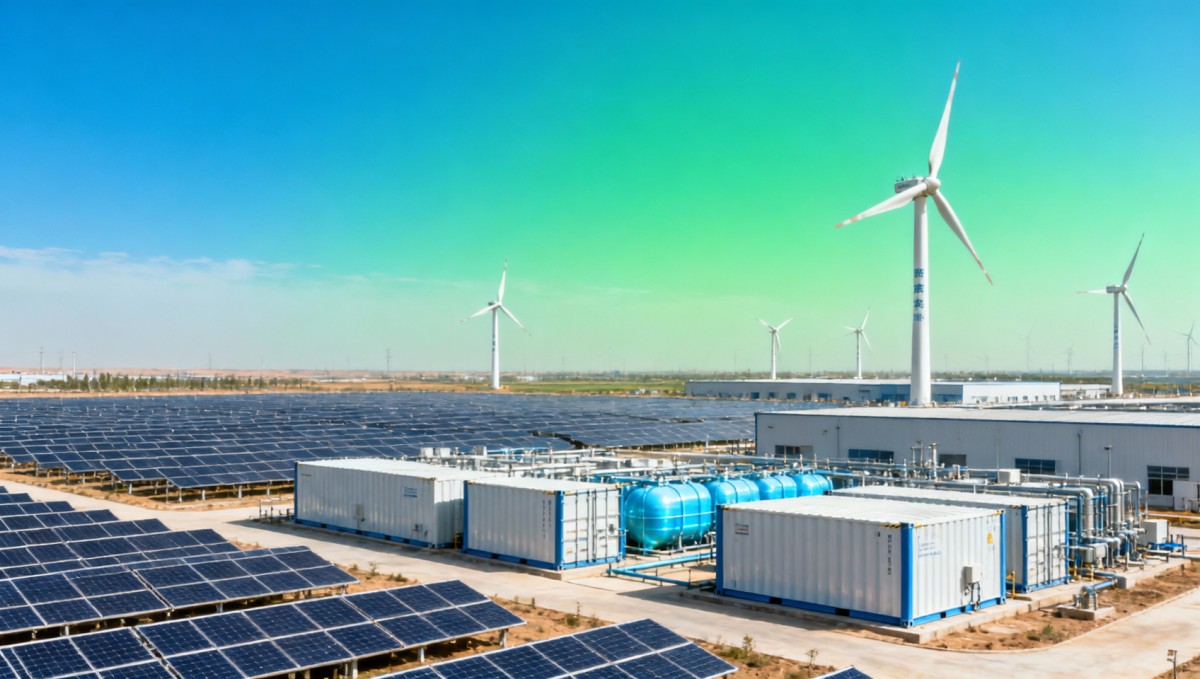
On April 11, 2026, Gansu Province announced its first batch of four provincial zero-carbon industrial parks, with total investments exceeding ¥13 billion. The initiative mandates 100% green electricity usage for new projects and requires distributed PV-storage hybrid systems. This policy has already triggered a surge in export inquiries from Central Asia for Chinese solar mounting structures and liquid-cooled energy storage containers, with some manufacturers fully booked for Q2 production. The development warrants attention from renewable energy equipment suppliers, EPC contractors, and cross-border trade channels targeting Central Asian markets.
Event Overview
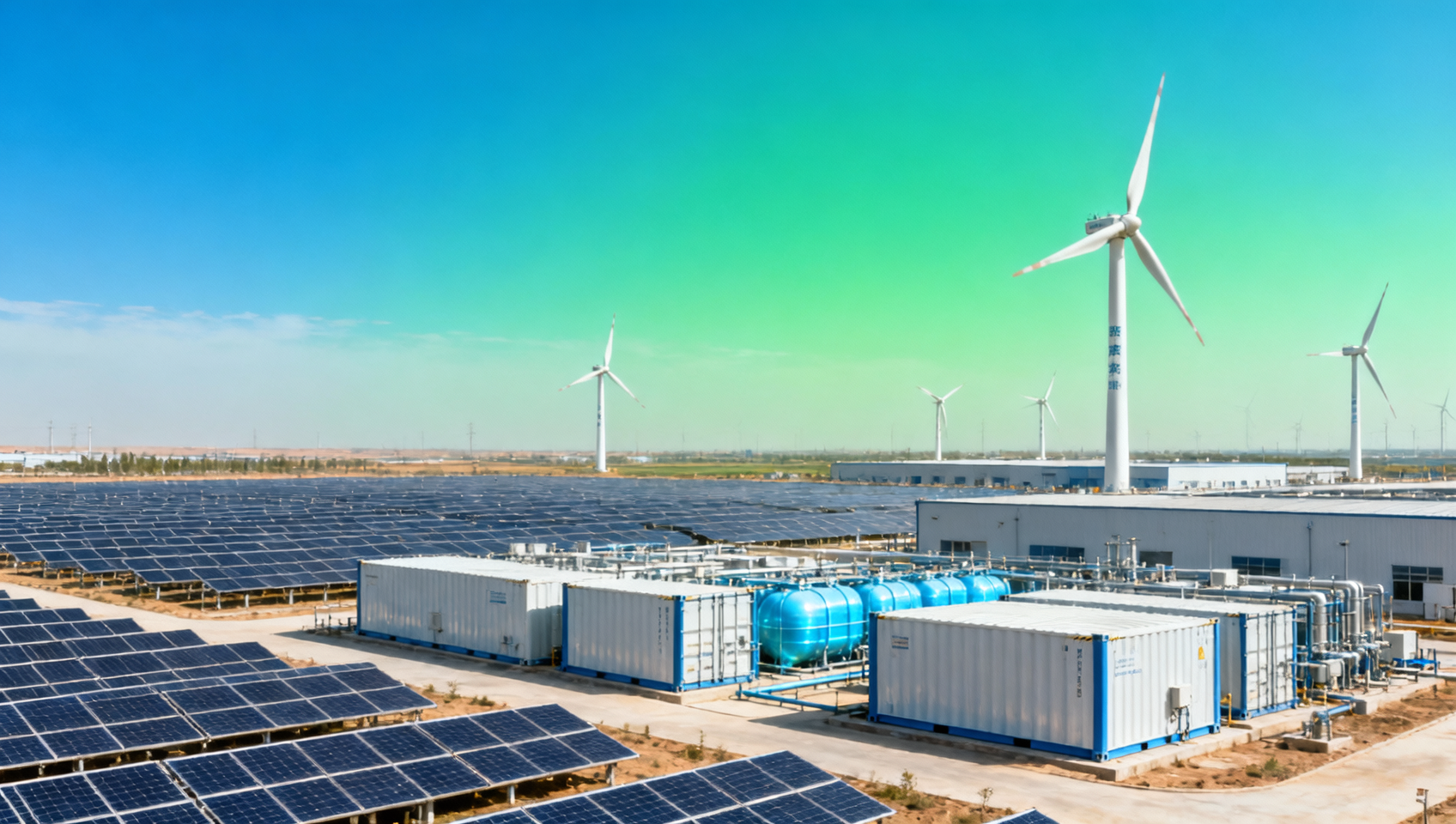
The Gansu Development and Reform Commission confirmed the zero-carbon park list on April 11, 2026, involving four industrial zones in Lanzhou, Jiayuguan, Zhangye, and Jiuquan. Key requirements include compulsory green power procurement and on-site "PV + storage" infrastructure for all new facilities. The ¥13 billion investment will cover smart microgrids, carbon monitoring platforms, and renewable energy upgrades.
Impact on Sub-Sectors
1. Solar Mounting Manufacturers
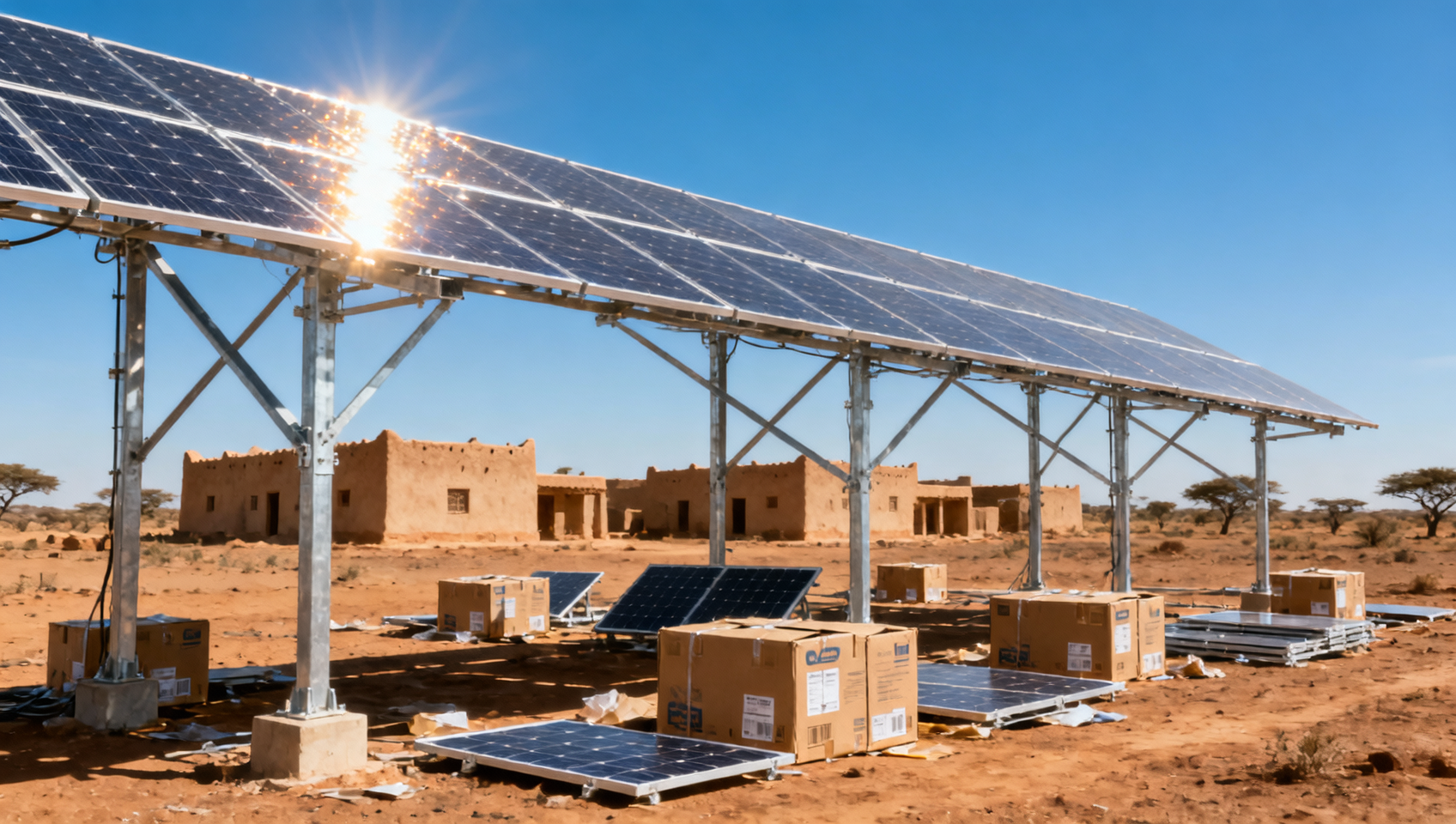
Northwest China-based producers report 40-60% month-on-month growth in Kazakh and Uzbek inquiries since the announcement. The standardized design requirements in zero-carbon parks are driving demand for modular, high-load-bearing ground mount systems.
2. Energy Storage Container Suppliers
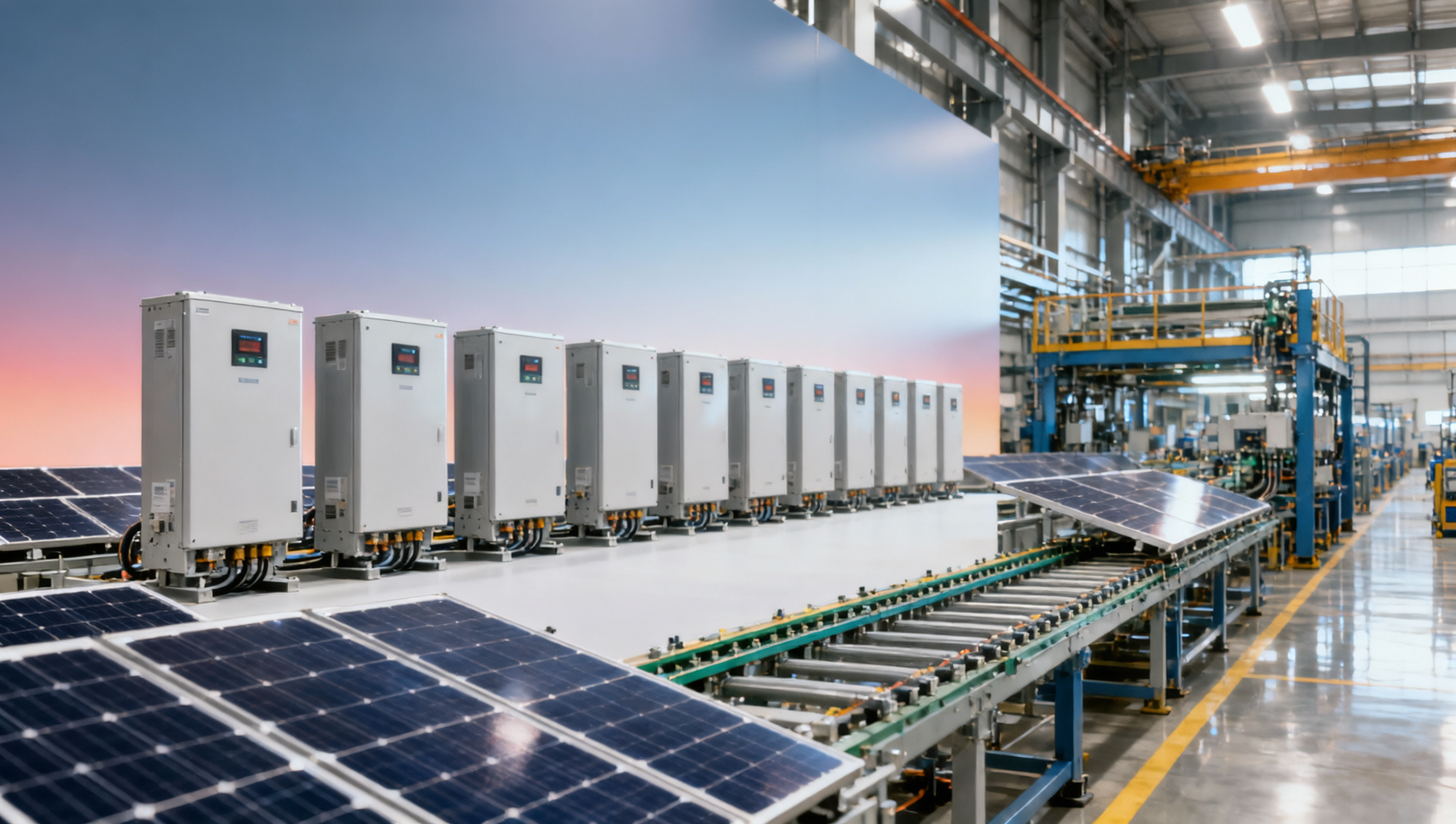
Liquid-cooled container manufacturers note Central Asian buyers now prioritize 20-foot 2.5MWh configurations with -30°C operational tolerance—specs matching Gansu's park standards. This suggests policy spillover effects influencing regional procurement preferences.
3. Cross-Border Trade Intermediaries
Logistics providers and local distributors should prepare for compressed delivery timelines. Multiple manufacturers indicate production slots for Central Asia-bound orders are booked through August 2026.
Actionable Insights
Monitor Policy Replication Risks
Xinjiang and Inner Mongolia may adopt similar zero-carbon park models, potentially diverting some component demand to local suppliers. Non-Northwest manufacturers should assess regional warehouse options.
Prioritize Certification Alignment
Central Asian importers now frequently request Chinese national standards (GB) compliance documents. Suppliers should preemptively obtain IEC/UL equivalents with GB cross-references.
Lock in Q3-Q4 Production Capacity
With current lead times at 14-18 weeks, procurement teams from Kazakhstan and Uzbekistan are expected to place advance orders for September-December deliveries by mid-May.
Industry Perspective
This development appears more substantive than typical policy signaling. The immediate export order surge demonstrates concrete demand linkage between China's decarbonization policies and Central Asia's energy transition. However, the sustainability of this demand wave depends on whether: 1) Gansu's pilot parks achieve promised emissions reductions, and 2) neighboring provinces replicate the model without triggering oversupply.
Conclusion
The Gansu zero-carbon park initiative has unexpectedly accelerated solar and storage exports to Central Asia by creating a replicable technical standard. While the Q2 order surge reflects genuine market response, industry players should track provincial policy diffusion patterns and prepare for potential specification harmonization across Belt and Road energy projects.
Sources
- Gansu Development and Reform Commission Announcement (April 11, 2026)
- Customs export data from Lanzhou and Urumqi offices (Q1 2026)
- Industry interviews with 3 northwest China-based manufacturers (April 15-18, 2026)
Get weekly intelligence in your inbox.
No noise. No sponsored content. Pure intelligence.
 Apr 13, 2026U.S.-Iran Talks in Islamabad May Cut China Solar Glass Shipping Costs by 15%U.S.-Iran Talks in Islamabad May Cut China Solar Glass Shipping Costs by 15%
 Apr 13, 2026Zhejiang Gas Power Fully Enters Market: Gas Units Join Spot Trading from April, Impacting Maintenance & Parts Export PricingZhejiang Gas Power Fully Enters Market: Gas Units Join Spot Trading from April, Impacting Maintenance & Parts Export Pricing
 Apr 13, 2026China Launches World's First Carbon Accounting Model 'Panshi Yuheng'China Launches World's First Carbon Accounting Model 'Panshi Yuheng'
 Apr 13, 2026Yunnan Q1 Green Power Trading Hits 602M kWh, Boosting China's Green Export CertificationYunnan Q1 Green Power Trading Hits 602M kWh, Boosting China's Green Export Certification
 Apr 13, 2026Gansu's Zero-Carbon Zones Boost Solar & Storage Exports to Central AsiaGansu's Zero-Carbon Zones Boost Solar & Storage Exports to Central Asia
 Apr 13, 2026China Releases Updated National Greenhouse Gas Emission Factors DatabaseChina Releases Updated National Greenhouse Gas Emission Factors Database
 Apr 13, 2026Anhui Distributed PV Grid Limits: Impact on Inverter ExportsAnhui Distributed PV Grid Limits: Impact on Inverter Exports
 Apr 13, 2026EU's Environmental Code Update Impacts China's Eco-Equipment ExportEU's Environmental Code Update Impacts China's Eco-Equipment Export
 Apr 13, 2026Guobang TCM Granules Phase II Project Begins Construction, Smart Production Lines Drive Pharmaceutical Machinery Export StandardsGuobang TCM Granules Phase II Project Begins Construction, Smart Production Lines Drive Pharmaceutical Machinery Export Standards
 Apr 13, 2026Central China Aluminum Processing Equipment Conference Highlights Export TrendsCentral China Aluminum Processing Equipment Conference Highlights Export Trends
 Apr 11, 2026China's Gold Reserves Rise for 17 Months, Green Bonds & ESG Investments SurgeChina's Gold Reserves Rise for 17 Months, Green Bonds & ESG Investments Surge
 Apr 11, 2026Vietnam to Require QR Codes & Data Integration for Imported Environmental Monitoring EquipmentVietnam to Require QR Codes & Data Integration for Imported Environmental Monitoring Equipment
 Apr 11, 2026U.S.-Iran Talks in Islamabad May Cut Solar Export Costs to Middle East by 15%U.S.-Iran Talks in Islamabad May Cut Solar Export Costs to Middle East by 15%
 Apr 11, 2026Sri Lanka Deports 125 Fraud Suspects, Sparks Demand for Cross-Border Eco-Security TechSri Lanka Deports 125 Fraud Suspects, Sparks Demand for Cross-Border Eco-Security Tech
 Apr 11, 2026Qingshan Paper's Optical Module Business Enters AI Computing ChainQingshan Paper's Optical Module Business Enters AI Computing Chain
 Apr 11, 2026Xiangtan Limits Distributed PV Capacity to 189.3MW in Q2 2026, Chinese Suppliers Shift to South America & AfricaXiangtan Limits Distributed PV Capacity to 189.3MW in Q2 2026, Chinese Suppliers Shift to South America & Africa
 Apr 11, 2026Anhui Distributed PV Grid Limits Trigger OEM Export DelaysAnhui Distributed PV Grid Limits Trigger OEM Export Delays
 Apr 11, 2026Peru's PV Capacity Overtakes Wind Power, Chinese Suppliers Gain Fast-Track Access to 420MW TendersPeru's PV Capacity Overtakes Wind Power, Chinese Suppliers Gain Fast-Track Access to 420MW Tenders
 Apr 11, 2026EU's Ecological Code Impacts China's Environmental Equipment Export to EuropeEU's Ecological Code Impacts China's Environmental Equipment Export to Europe
 Apr 11, 2026China Launches First Global Carbon Accounting Model ‘Panshi-Yuheng’China Launches First Global Carbon Accounting Model ‘Panshi-Yuheng’
 Apr 10, 2026China's New Guidelines Boost Solar Panel Recycling and ExportChina's New Guidelines Boost Solar Panel Recycling and Export
 Apr 10, 2026Yunnan Q1 Green Power Trading Hits 602M kWh, Boosts Localized Green Manufacturing CertificationYunnan Q1 Green Power Trading Hits 602M kWh, Boosts Localized Green Manufacturing Certification
 Apr 10, 2026Beijing Launches 2026 Carbon Allowance Pre-Allocation for Steel, Cement, and Aluminum SectorsBeijing Launches 2026 Carbon Allowance Pre-Allocation for Steel, Cement, and Aluminum Sectors
 Apr 10, 2026China Releases Updated National Greenhouse Gas Emission Factors DatabaseChina Releases Updated National Greenhouse Gas Emission Factors Database
 Apr 10, 2026Shandong's 22 New Energy Policies Raise Technical Barriers for China's Wind Power ExportsShandong's 22 New Energy Policies Raise Technical Barriers for China's Wind Power Exports
 Apr 10, 2026Gansu Launches 'New Energy+' Initiative, Boosting Exports of Solar Mounts and Storage ContainersGansu Launches 'New Energy+' Initiative, Boosting Exports of Solar Mounts and Storage Containers
 Apr 10, 2026China Launches Hydrogen Pilot with $160M Incentives, Boosting Equipment ExportsChina Launches Hydrogen Pilot with $160M Incentives, Boosting Equipment Exports