U.S.-Iran Talks in Islamabad May Cut China Solar Glass Shipping Costs by 15%
On April 11, 2026, the U.S. and Iran held their first round of talks in Islamabad, focusing on Persian Gulf shipping security and port access facilitation. The solar energy and logistics industries are closely monitoring the potential impact, as a successful agreement could significantly reduce shipping costs and delivery times for high-value Chinese solar exports to the Middle East.
Event Overview
The discussions between the U.S. and Iran in Islamabad on April 11, 2026, centered on improving maritime security and streamlining port operations in the Persian Gulf. While details of the talks remain undisclosed, industry analysts note that any agreement ensuring safer passage through the Strait of Hormuz could enhance shipping route stability between China and the Middle East.

Impact on Key Industries
Solar Component Manufacturers
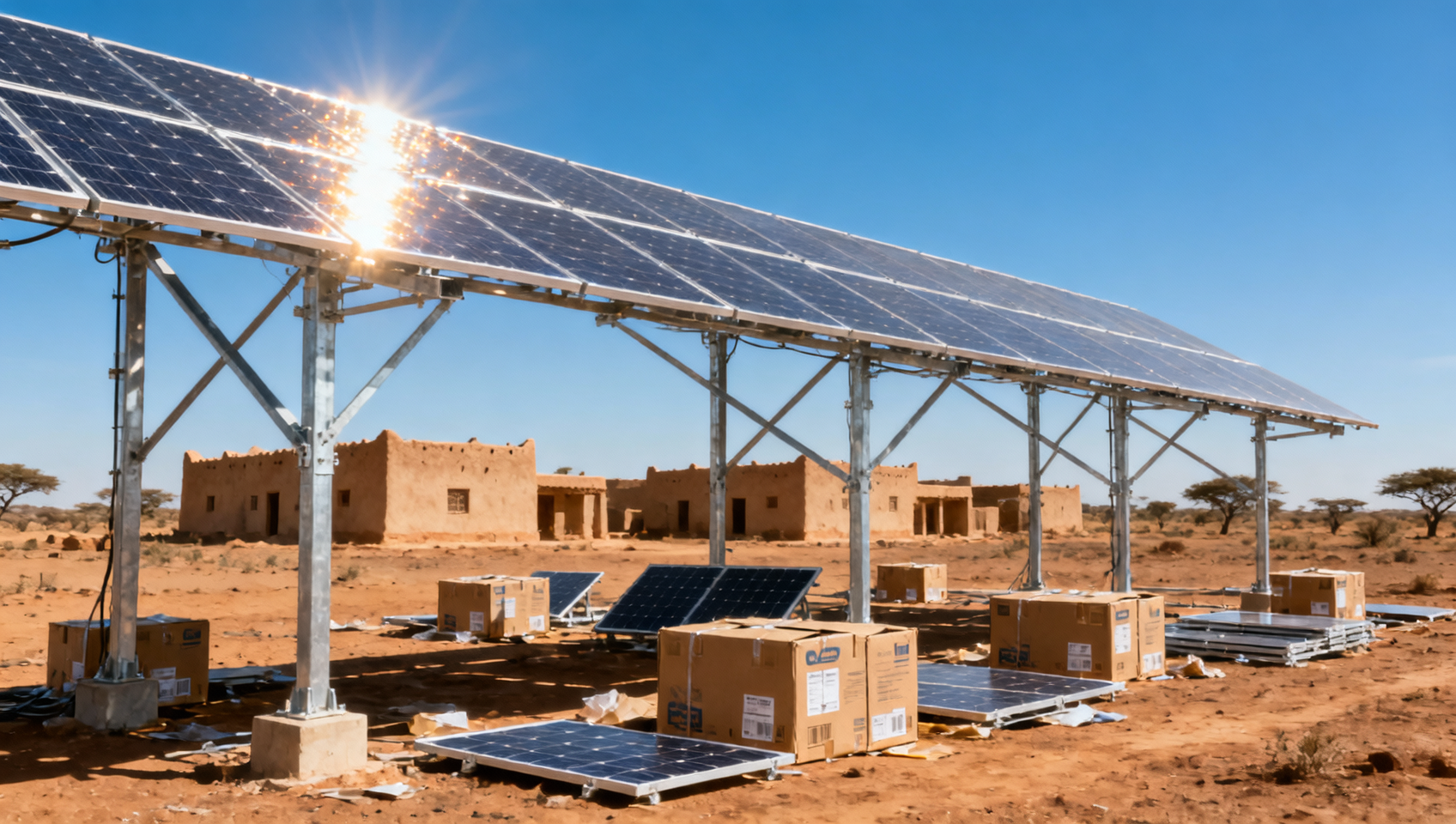
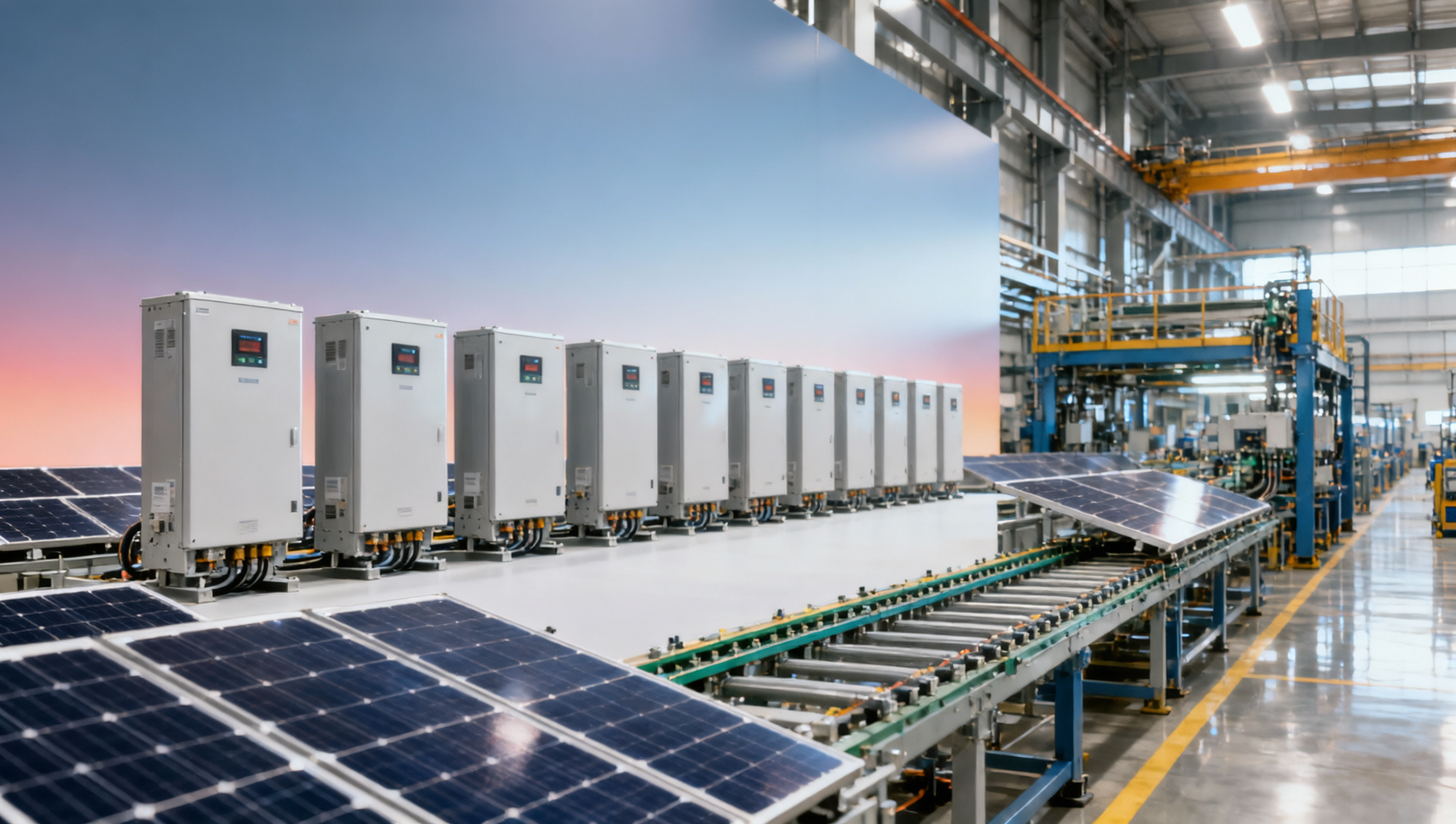
Chinese producers of photovoltaic glass and EVA films stand to benefit most, as these high-value, time-sensitive goods currently face elevated insurance premiums and scheduling uncertainties. A 10-15% reduction in shipping costs would directly improve their competitiveness in Middle Eastern mega-projects like Saudi Arabia's NEOM and the UAE's MBR Solar Park.
Logistics Providers
Shipping companies and freight forwarders may see improved container schedule reliability on China-Middle East routes, potentially reducing blank sailings and enabling more efficient fleet deployment.
EPC Contractors
Engineering firms bidding on Gulf solar projects could leverage lower component delivery costs (3-5 days faster) to submit more aggressive proposals while maintaining margins.
Key Considerations for Businesses
Monitor Agreement Specifics
Companies should track whether final terms include concrete measures like escort convoys or reduced inspection delays at Iranian ports - factors that determine actual shipping cost reductions.
Reevaluate Bidding Strategies
Solar exporters may need to adjust pricing models for Q3-Q4 2026 Middle Eastern tenders, factoring in potential logistics savings while accounting for currency and fuel variables.
Diversify Risk Management
While promising, businesses should maintain alternative routing plans (e.g., via Oman) until sustained improvements in Hormuz transit reliability are demonstrated.
Industry Perspective
Analysis suggests this represents a tentative signal rather than guaranteed change. The solar sector's gains depend entirely on implementation of maritime security measures that remain undefined. Most observers recommend cautious optimism, with any shipping cost reductions unlikely to materialize before Q3 2026 at the earliest.
Conclusion
While the Islamabad talks could eventually streamline China-Middle East solar supply chains, industry participants should treat this as a developing situation requiring verification of operational impacts. The immediate priority remains monitoring official announcements for actionable details on shipping corridor improvements.
Sources
• U.S. State Department briefing notes (April 11, 2026)
• Middle East shipping industry analysts
• Solar Energy Industries Association market reports
Get weekly intelligence in your inbox.
No noise. No sponsored content. Pure intelligence.
 Apr 13, 2026U.S.-Iran Talks in Islamabad May Cut China Solar Glass Shipping Costs by 15%U.S.-Iran Talks in Islamabad May Cut China Solar Glass Shipping Costs by 15%
 Apr 13, 2026Zhejiang Gas Power Fully Enters Market: Gas Units Join Spot Trading from April, Impacting Maintenance & Parts Export PricingZhejiang Gas Power Fully Enters Market: Gas Units Join Spot Trading from April, Impacting Maintenance & Parts Export Pricing
 Apr 13, 2026China Launches World's First Carbon Accounting Model 'Panshi Yuheng'China Launches World's First Carbon Accounting Model 'Panshi Yuheng'
 Apr 13, 2026Yunnan Q1 Green Power Trading Hits 602M kWh, Boosting China's Green Export CertificationYunnan Q1 Green Power Trading Hits 602M kWh, Boosting China's Green Export Certification
 Apr 13, 2026Gansu's Zero-Carbon Zones Boost Solar & Storage Exports to Central AsiaGansu's Zero-Carbon Zones Boost Solar & Storage Exports to Central Asia
 Apr 13, 2026China Releases Updated National Greenhouse Gas Emission Factors DatabaseChina Releases Updated National Greenhouse Gas Emission Factors Database
 Apr 13, 2026Anhui Distributed PV Grid Limits: Impact on Inverter ExportsAnhui Distributed PV Grid Limits: Impact on Inverter Exports
 Apr 13, 2026EU's Environmental Code Update Impacts China's Eco-Equipment ExportEU's Environmental Code Update Impacts China's Eco-Equipment Export
 Apr 13, 2026Guobang TCM Granules Phase II Project Begins Construction, Smart Production Lines Drive Pharmaceutical Machinery Export StandardsGuobang TCM Granules Phase II Project Begins Construction, Smart Production Lines Drive Pharmaceutical Machinery Export Standards
 Apr 13, 2026Central China Aluminum Processing Equipment Conference Highlights Export TrendsCentral China Aluminum Processing Equipment Conference Highlights Export Trends
 Apr 11, 2026China's Gold Reserves Rise for 17 Months, Green Bonds & ESG Investments SurgeChina's Gold Reserves Rise for 17 Months, Green Bonds & ESG Investments Surge
 Apr 11, 2026Vietnam to Require QR Codes & Data Integration for Imported Environmental Monitoring EquipmentVietnam to Require QR Codes & Data Integration for Imported Environmental Monitoring Equipment
 Apr 11, 2026U.S.-Iran Talks in Islamabad May Cut Solar Export Costs to Middle East by 15%U.S.-Iran Talks in Islamabad May Cut Solar Export Costs to Middle East by 15%
 Apr 11, 2026Sri Lanka Deports 125 Fraud Suspects, Sparks Demand for Cross-Border Eco-Security TechSri Lanka Deports 125 Fraud Suspects, Sparks Demand for Cross-Border Eco-Security Tech
 Apr 11, 2026Qingshan Paper's Optical Module Business Enters AI Computing ChainQingshan Paper's Optical Module Business Enters AI Computing Chain
 Apr 11, 2026Xiangtan Limits Distributed PV Capacity to 189.3MW in Q2 2026, Chinese Suppliers Shift to South America & AfricaXiangtan Limits Distributed PV Capacity to 189.3MW in Q2 2026, Chinese Suppliers Shift to South America & Africa
 Apr 11, 2026Anhui Distributed PV Grid Limits Trigger OEM Export DelaysAnhui Distributed PV Grid Limits Trigger OEM Export Delays
 Apr 11, 2026Peru's PV Capacity Overtakes Wind Power, Chinese Suppliers Gain Fast-Track Access to 420MW TendersPeru's PV Capacity Overtakes Wind Power, Chinese Suppliers Gain Fast-Track Access to 420MW Tenders
 Apr 11, 2026EU's Ecological Code Impacts China's Environmental Equipment Export to EuropeEU's Ecological Code Impacts China's Environmental Equipment Export to Europe
 Apr 11, 2026China Launches First Global Carbon Accounting Model ‘Panshi-Yuheng’China Launches First Global Carbon Accounting Model ‘Panshi-Yuheng’
 Apr 10, 2026China's New Guidelines Boost Solar Panel Recycling and ExportChina's New Guidelines Boost Solar Panel Recycling and Export
 Apr 10, 2026Yunnan Q1 Green Power Trading Hits 602M kWh, Boosts Localized Green Manufacturing CertificationYunnan Q1 Green Power Trading Hits 602M kWh, Boosts Localized Green Manufacturing Certification
 Apr 10, 2026Beijing Launches 2026 Carbon Allowance Pre-Allocation for Steel, Cement, and Aluminum SectorsBeijing Launches 2026 Carbon Allowance Pre-Allocation for Steel, Cement, and Aluminum Sectors
 Apr 10, 2026China Releases Updated National Greenhouse Gas Emission Factors DatabaseChina Releases Updated National Greenhouse Gas Emission Factors Database
 Apr 10, 2026Shandong's 22 New Energy Policies Raise Technical Barriers for China's Wind Power ExportsShandong's 22 New Energy Policies Raise Technical Barriers for China's Wind Power Exports
 Apr 10, 2026Gansu Launches 'New Energy+' Initiative, Boosting Exports of Solar Mounts and Storage ContainersGansu Launches 'New Energy+' Initiative, Boosting Exports of Solar Mounts and Storage Containers
 Apr 10, 2026China Launches Hydrogen Pilot with $160M Incentives, Boosting Equipment ExportsChina Launches Hydrogen Pilot with $160M Incentives, Boosting Equipment Exports