China Launches World's First Carbon Accounting Model 'Panshi Yuheng'
Introduction
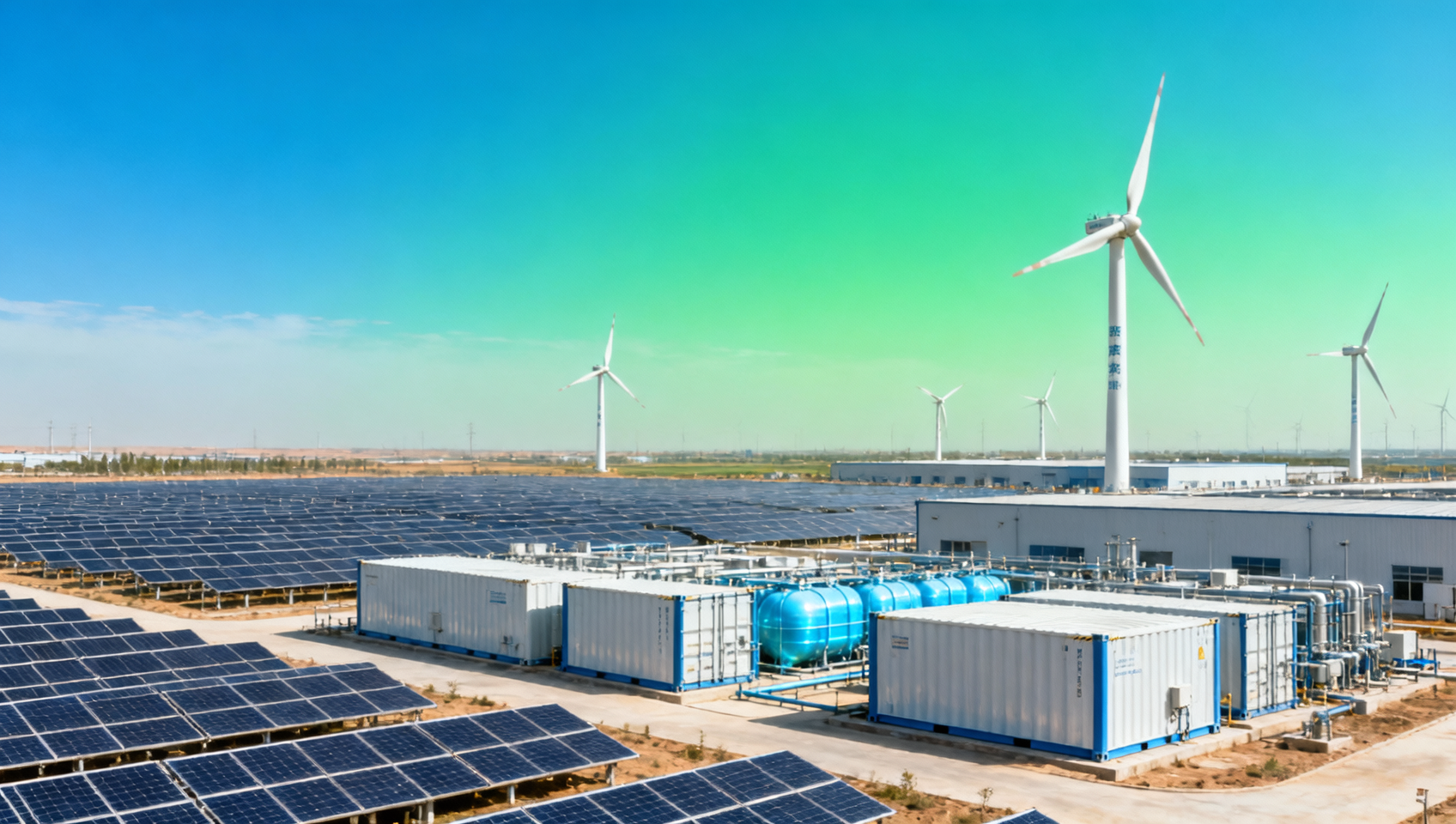
On April 10, 2026, China officially released the 'Panshi Yuheng Carbon Accounting Model' (Version 1.0), the world's first comprehensive carbon accounting tool. This model supports intelligent lifecycle carbon emissions calculations for 32 categories of export products, including photovoltaic modules, lithium battery equipment, and eco-friendly wind turbines. The results are mutually recognized by the UK's Carbon Trust. Industries such as renewable energy, electronics manufacturing, and green supply chain management should pay close attention, as this development significantly enhances carbon compliance for global procurement.
Event Overview
The 'Panshi Yuheng Carbon Accounting Model' was launched on April 10, 2026, by Chinese authorities. It enables automated carbon footprint assessments for 32 product categories, with API integration allowing overseas buyers to embed carbon reports directly into their ERP systems. The model has received mutual recognition from the Carbon Trust, a leading UK-based certification body.
Impact on Key Industries
1. Renewable Energy Equipment Exporters
Manufacturers of solar panels, wind turbines, and energy storage systems will benefit from streamlined carbon reporting, reducing audit costs and improving compliance with EU and UK regulations.
2. Electronics and Battery Suppliers
Lithium battery producers can now provide instant carbon data to automotive and consumer electronics buyers, addressing growing ESG due diligence demands.
3. Supply Chain Service Providers
Third-party logistics and procurement platforms may need to integrate the API to maintain competitiveness in green supply chain solutions.
Key Considerations for Businesses
1. API Integration Readiness
Exporters should assess ERP compatibility with the model's API to enable real-time carbon data sharing with international clients.
2. Certification Strategy
While Carbon Trust recognition covers major Western markets, suppliers should verify acceptance in other regions like Southeast Asia.
3. Data Collection Systems
Upstream suppliers must strengthen raw material carbon data tracking to ensure accurate model outputs.
Industry Observation
From an industry perspective, this represents more than a technical tool—it signals China's proactive stance in global carbon governance. The immediate value lies in reducing repetitive audits, but long-term implications may include standardized carbon pricing mechanisms. Businesses should treat this as both an operational efficiency opportunity and a strategic compliance benchmark.
Conclusion
The Panshi Yuheng model marks a significant step in digitizing carbon accountability for global trade. While its current version focuses on export products, the underlying methodology could influence broader industry standards. Companies should approach this as both a practical compliance aid and a potential precursor to more stringent carbon disclosure requirements.
Sources
1. Official release by Chinese authorities (April 10, 2026)
2. Carbon Trust mutual recognition statement
Note: API technical specifications and regional implementation timelines require ongoing monitoring.
Get weekly intelligence in your inbox.
No noise. No sponsored content. Pure intelligence.
 Apr 13, 2026U.S.-Iran Talks in Islamabad May Cut China Solar Glass Shipping Costs by 15%U.S.-Iran Talks in Islamabad May Cut China Solar Glass Shipping Costs by 15%
 Apr 13, 2026Zhejiang Gas Power Fully Enters Market: Gas Units Join Spot Trading from April, Impacting Maintenance & Parts Export PricingZhejiang Gas Power Fully Enters Market: Gas Units Join Spot Trading from April, Impacting Maintenance & Parts Export Pricing
 Apr 13, 2026China Launches World's First Carbon Accounting Model 'Panshi Yuheng'China Launches World's First Carbon Accounting Model 'Panshi Yuheng'
 Apr 13, 2026Yunnan Q1 Green Power Trading Hits 602M kWh, Boosting China's Green Export CertificationYunnan Q1 Green Power Trading Hits 602M kWh, Boosting China's Green Export Certification
 Apr 13, 2026Gansu's Zero-Carbon Zones Boost Solar & Storage Exports to Central AsiaGansu's Zero-Carbon Zones Boost Solar & Storage Exports to Central Asia
 Apr 13, 2026China Releases Updated National Greenhouse Gas Emission Factors DatabaseChina Releases Updated National Greenhouse Gas Emission Factors Database
 Apr 13, 2026Anhui Distributed PV Grid Limits: Impact on Inverter ExportsAnhui Distributed PV Grid Limits: Impact on Inverter Exports
 Apr 13, 2026EU's Environmental Code Update Impacts China's Eco-Equipment ExportEU's Environmental Code Update Impacts China's Eco-Equipment Export
 Apr 13, 2026Guobang TCM Granules Phase II Project Begins Construction, Smart Production Lines Drive Pharmaceutical Machinery Export StandardsGuobang TCM Granules Phase II Project Begins Construction, Smart Production Lines Drive Pharmaceutical Machinery Export Standards
 Apr 13, 2026Central China Aluminum Processing Equipment Conference Highlights Export TrendsCentral China Aluminum Processing Equipment Conference Highlights Export Trends
 Apr 11, 2026China's Gold Reserves Rise for 17 Months, Green Bonds & ESG Investments SurgeChina's Gold Reserves Rise for 17 Months, Green Bonds & ESG Investments Surge
 Apr 11, 2026Vietnam to Require QR Codes & Data Integration for Imported Environmental Monitoring EquipmentVietnam to Require QR Codes & Data Integration for Imported Environmental Monitoring Equipment
 Apr 11, 2026U.S.-Iran Talks in Islamabad May Cut Solar Export Costs to Middle East by 15%U.S.-Iran Talks in Islamabad May Cut Solar Export Costs to Middle East by 15%
 Apr 11, 2026Sri Lanka Deports 125 Fraud Suspects, Sparks Demand for Cross-Border Eco-Security TechSri Lanka Deports 125 Fraud Suspects, Sparks Demand for Cross-Border Eco-Security Tech
 Apr 11, 2026Qingshan Paper's Optical Module Business Enters AI Computing ChainQingshan Paper's Optical Module Business Enters AI Computing Chain
 Apr 11, 2026Xiangtan Limits Distributed PV Capacity to 189.3MW in Q2 2026, Chinese Suppliers Shift to South America & AfricaXiangtan Limits Distributed PV Capacity to 189.3MW in Q2 2026, Chinese Suppliers Shift to South America & Africa
 Apr 11, 2026Anhui Distributed PV Grid Limits Trigger OEM Export DelaysAnhui Distributed PV Grid Limits Trigger OEM Export Delays
 Apr 11, 2026Peru's PV Capacity Overtakes Wind Power, Chinese Suppliers Gain Fast-Track Access to 420MW TendersPeru's PV Capacity Overtakes Wind Power, Chinese Suppliers Gain Fast-Track Access to 420MW Tenders
 Apr 11, 2026EU's Ecological Code Impacts China's Environmental Equipment Export to EuropeEU's Ecological Code Impacts China's Environmental Equipment Export to Europe
 Apr 11, 2026China Launches First Global Carbon Accounting Model ‘Panshi-Yuheng’China Launches First Global Carbon Accounting Model ‘Panshi-Yuheng’
 Apr 10, 2026China's New Guidelines Boost Solar Panel Recycling and ExportChina's New Guidelines Boost Solar Panel Recycling and Export
 Apr 10, 2026Yunnan Q1 Green Power Trading Hits 602M kWh, Boosts Localized Green Manufacturing CertificationYunnan Q1 Green Power Trading Hits 602M kWh, Boosts Localized Green Manufacturing Certification
 Apr 10, 2026Beijing Launches 2026 Carbon Allowance Pre-Allocation for Steel, Cement, and Aluminum SectorsBeijing Launches 2026 Carbon Allowance Pre-Allocation for Steel, Cement, and Aluminum Sectors
 Apr 10, 2026China Releases Updated National Greenhouse Gas Emission Factors DatabaseChina Releases Updated National Greenhouse Gas Emission Factors Database
 Apr 10, 2026Shandong's 22 New Energy Policies Raise Technical Barriers for China's Wind Power ExportsShandong's 22 New Energy Policies Raise Technical Barriers for China's Wind Power Exports
 Apr 10, 2026Gansu Launches 'New Energy+' Initiative, Boosting Exports of Solar Mounts and Storage ContainersGansu Launches 'New Energy+' Initiative, Boosting Exports of Solar Mounts and Storage Containers
 Apr 10, 2026China Launches Hydrogen Pilot with $160M Incentives, Boosting Equipment ExportsChina Launches Hydrogen Pilot with $160M Incentives, Boosting Equipment Exports