EU's Environmental Code Update Impacts China's Eco-Equipment Export
On April 10, 2026, China's Ministry of Ecology and Environment published a standalone edition of the Environmental Protection Code of the People's Republic of China, revealing its alignment with the EU's revised Environmental Code (2025 edition) in areas such as pollution monitoring, carbon footprint accounting, and recyclable material requirements. This development signals stricter compliance demands for Chinese exporters of environmental equipment to the EU market, particularly for products requiring CE certification.
Event Overview
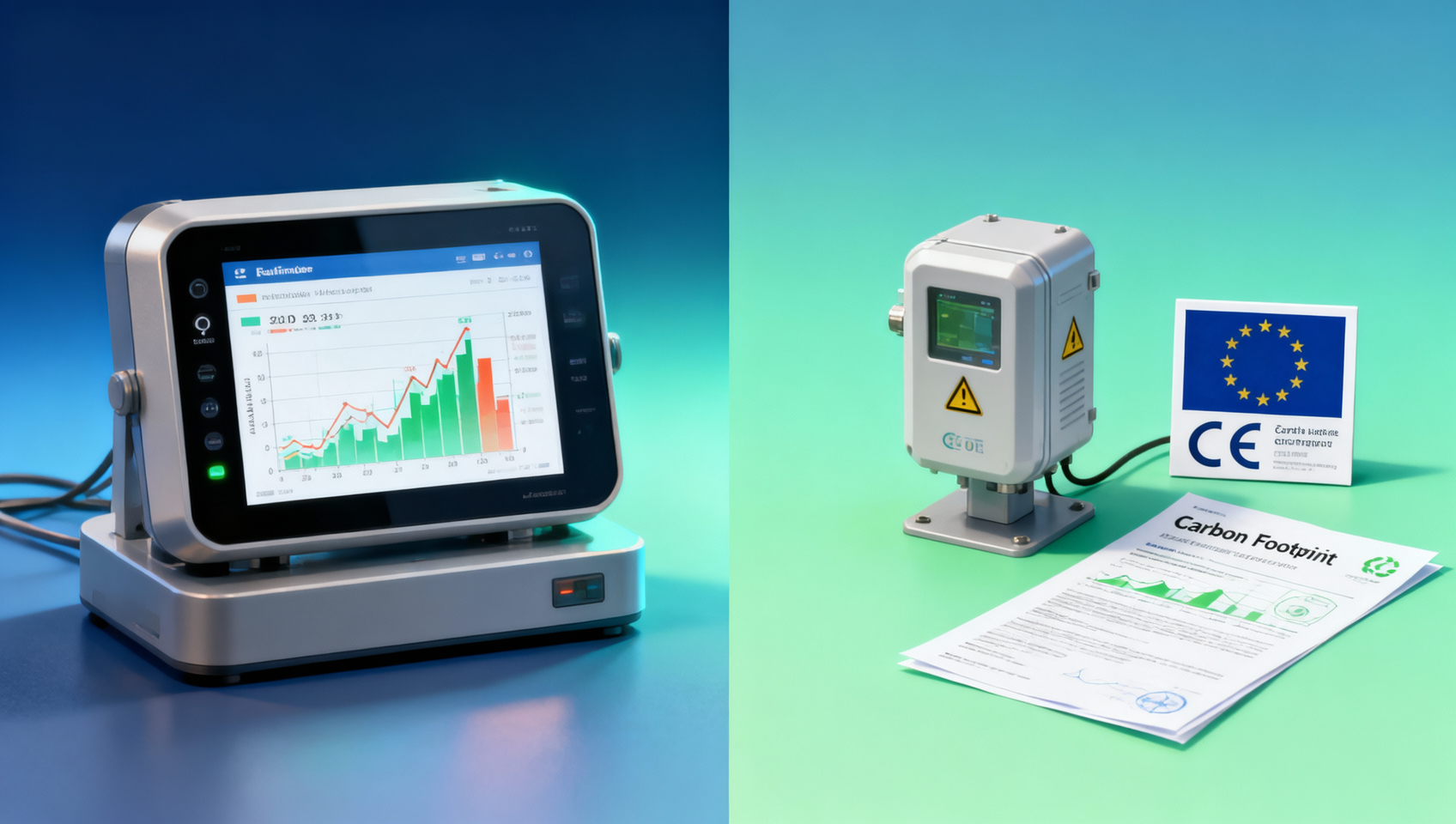
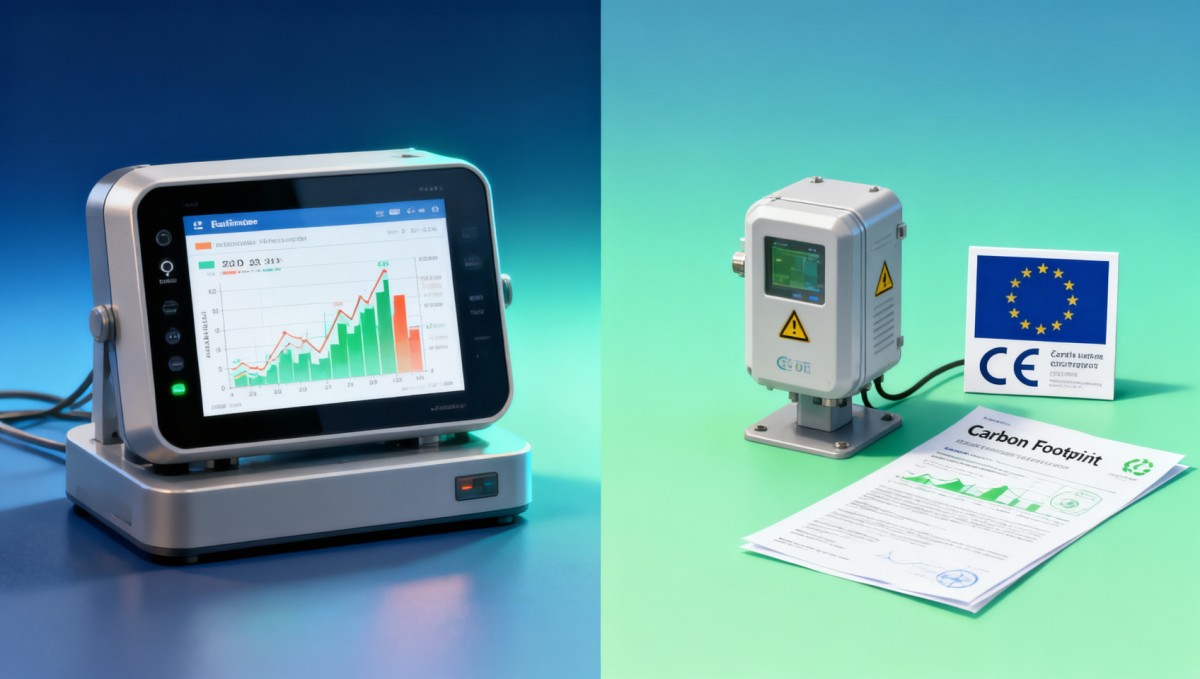
The newly released Chinese Environmental Protection Code explicitly references technical convergence with the EU's 2025 revised standards. Key alignment points include real-time pollution source monitoring protocols, life-cycle carbon footprint verification methods, and minimum thresholds for recyclable material content in manufactured products. Official documentation confirms that exports of continuous emission monitoring systems (CEMS), water quality analyzers, and solid waste treatment equipment to the EU must now include supplementary Ecological Design Statements (EDS) and third-party validated carbon footprint reports to maintain CE mark eligibility.
Impacted Industry Segments
Environmental Monitoring Equipment Manufacturers
Producers of flue gas CEMS and water quality monitoring devices face immediate documentation upgrades. The revised standards require embedded carbon tracking modules in hardware designs and material traceability systems for plastic/rubber components exceeding 500g per unit.
Waste Treatment Technology Providers
Solid waste processing machinery exporters must now demonstrate compliance through redesigned disassembly protocols. The EU code mandates 85% material recoverability for equipment with >10-year operational lifespans, affecting crushers, sorters, and thermal treatment units.
Certification Service Providers
Notified bodies and testing laboratories will see increased demand for Type Examination services under the updated EDS framework. Particularly for small-medium enterprises lacking in-house LCA capabilities, third-party verification of carbon footprint data becomes mandatory.
Key Action Points
Documentation System Overhaul
Exporters should audit existing technical files against Annex III of the EU's 2025 Code, with particular attention to Sections 4.2 (material declarations) and 7.1 (carbon accounting methodologies). Gap analyses must be completed before Q3 2026 to accommodate certification lead times.
Supply Chain Reassessment
Raw material procurement strategies require adjustment to meet recyclability thresholds. Current industry data suggests 60% of Chinese component suppliers lack standardized material passports needed for EDS submissions.
Certification Timeline Planning
Given typical 8-12 month CE recertification cycles, affected enterprises should initiate Notified Body engagements by Q2 2026. Priority should be given to products with existing certificates expiring before 2027-Q2.
Industry Perspective
Analysis suggests this regulatory synchronization represents more than procedural compliance. The technical alignment on carbon accounting methodologies indicates China-EU cooperation on green trade standards, potentially reducing duplicate testing costs long-term. However, immediate challenges exist in implementation consistency across EU member states' market surveillance authorities.
Current industry feedback highlights discrepancies in interpretation of "recyclable material" definitions between German and Italian regulators. Exporters are advised to design compliance strategies based on the strictest national implementation cases.
Conclusion
While presenting near-term compliance burdens, this regulatory harmonization creates opportunities for standardized green technology trade. Enterprises treating this as purely a documentation exercise risk overlooking strategic advantages in early adoption of circular design principles now referenced in both jurisdictions.
Sources
- Ministry of Ecology and Environment, PRC: Official Code Publication Notice (2026-04-10)
- EUR-Lex: Consolidated EU Environmental Code (2025 Edition)
- Ongoing monitoring required for national-level implementation guidelines from EU member states
Get weekly intelligence in your inbox.
No noise. No sponsored content. Pure intelligence.
 Apr 13, 2026U.S.-Iran Talks in Islamabad May Cut China Solar Glass Shipping Costs by 15%U.S.-Iran Talks in Islamabad May Cut China Solar Glass Shipping Costs by 15%
 Apr 13, 2026Zhejiang Gas Power Fully Enters Market: Gas Units Join Spot Trading from April, Impacting Maintenance & Parts Export PricingZhejiang Gas Power Fully Enters Market: Gas Units Join Spot Trading from April, Impacting Maintenance & Parts Export Pricing
 Apr 13, 2026China Launches World's First Carbon Accounting Model 'Panshi Yuheng'China Launches World's First Carbon Accounting Model 'Panshi Yuheng'
 Apr 13, 2026Yunnan Q1 Green Power Trading Hits 602M kWh, Boosting China's Green Export CertificationYunnan Q1 Green Power Trading Hits 602M kWh, Boosting China's Green Export Certification
 Apr 13, 2026Gansu's Zero-Carbon Zones Boost Solar & Storage Exports to Central AsiaGansu's Zero-Carbon Zones Boost Solar & Storage Exports to Central Asia
 Apr 13, 2026China Releases Updated National Greenhouse Gas Emission Factors DatabaseChina Releases Updated National Greenhouse Gas Emission Factors Database
 Apr 13, 2026Anhui Distributed PV Grid Limits: Impact on Inverter ExportsAnhui Distributed PV Grid Limits: Impact on Inverter Exports
 Apr 13, 2026EU's Environmental Code Update Impacts China's Eco-Equipment ExportEU's Environmental Code Update Impacts China's Eco-Equipment Export
 Apr 13, 2026Guobang TCM Granules Phase II Project Begins Construction, Smart Production Lines Drive Pharmaceutical Machinery Export StandardsGuobang TCM Granules Phase II Project Begins Construction, Smart Production Lines Drive Pharmaceutical Machinery Export Standards
 Apr 13, 2026Central China Aluminum Processing Equipment Conference Highlights Export TrendsCentral China Aluminum Processing Equipment Conference Highlights Export Trends
 Apr 11, 2026China's Gold Reserves Rise for 17 Months, Green Bonds & ESG Investments SurgeChina's Gold Reserves Rise for 17 Months, Green Bonds & ESG Investments Surge
 Apr 11, 2026Vietnam to Require QR Codes & Data Integration for Imported Environmental Monitoring EquipmentVietnam to Require QR Codes & Data Integration for Imported Environmental Monitoring Equipment
 Apr 11, 2026U.S.-Iran Talks in Islamabad May Cut Solar Export Costs to Middle East by 15%U.S.-Iran Talks in Islamabad May Cut Solar Export Costs to Middle East by 15%
 Apr 11, 2026Sri Lanka Deports 125 Fraud Suspects, Sparks Demand for Cross-Border Eco-Security TechSri Lanka Deports 125 Fraud Suspects, Sparks Demand for Cross-Border Eco-Security Tech
 Apr 11, 2026Qingshan Paper's Optical Module Business Enters AI Computing ChainQingshan Paper's Optical Module Business Enters AI Computing Chain
 Apr 11, 2026Xiangtan Limits Distributed PV Capacity to 189.3MW in Q2 2026, Chinese Suppliers Shift to South America & AfricaXiangtan Limits Distributed PV Capacity to 189.3MW in Q2 2026, Chinese Suppliers Shift to South America & Africa
 Apr 11, 2026Anhui Distributed PV Grid Limits Trigger OEM Export DelaysAnhui Distributed PV Grid Limits Trigger OEM Export Delays
 Apr 11, 2026Peru's PV Capacity Overtakes Wind Power, Chinese Suppliers Gain Fast-Track Access to 420MW TendersPeru's PV Capacity Overtakes Wind Power, Chinese Suppliers Gain Fast-Track Access to 420MW Tenders
 Apr 11, 2026EU's Ecological Code Impacts China's Environmental Equipment Export to EuropeEU's Ecological Code Impacts China's Environmental Equipment Export to Europe
 Apr 11, 2026China Launches First Global Carbon Accounting Model ‘Panshi-Yuheng’China Launches First Global Carbon Accounting Model ‘Panshi-Yuheng’
 Apr 10, 2026China's New Guidelines Boost Solar Panel Recycling and ExportChina's New Guidelines Boost Solar Panel Recycling and Export
 Apr 10, 2026Yunnan Q1 Green Power Trading Hits 602M kWh, Boosts Localized Green Manufacturing CertificationYunnan Q1 Green Power Trading Hits 602M kWh, Boosts Localized Green Manufacturing Certification
 Apr 10, 2026Beijing Launches 2026 Carbon Allowance Pre-Allocation for Steel, Cement, and Aluminum SectorsBeijing Launches 2026 Carbon Allowance Pre-Allocation for Steel, Cement, and Aluminum Sectors
 Apr 10, 2026China Releases Updated National Greenhouse Gas Emission Factors DatabaseChina Releases Updated National Greenhouse Gas Emission Factors Database
 Apr 10, 2026Shandong's 22 New Energy Policies Raise Technical Barriers for China's Wind Power ExportsShandong's 22 New Energy Policies Raise Technical Barriers for China's Wind Power Exports
 Apr 10, 2026Gansu Launches 'New Energy+' Initiative, Boosting Exports of Solar Mounts and Storage ContainersGansu Launches 'New Energy+' Initiative, Boosting Exports of Solar Mounts and Storage Containers
 Apr 10, 2026China Launches Hydrogen Pilot with $160M Incentives, Boosting Equipment ExportsChina Launches Hydrogen Pilot with $160M Incentives, Boosting Equipment Exports