PV Glass Prices Flat for 9 Weeks Amid Rising Integrated Procurement
Photovoltaic (PV) glass prices for 2mm and 3.2mm thicknesses have remained unchanged for nine consecutive weeks, according to data from the Silicon Industry Branch of the China Nonferrous Metals Industry Association. Though the timing is not explicitly stated in the source, the trend reflects current market conditions in Q2 2024. This prolonged price stability—occurring at a bottom-tier level—is drawing attention from EPC contractors in the Middle East and Latin America, as well as from downstream procurement and supply chain stakeholders across the solar value chain.
Event Overview
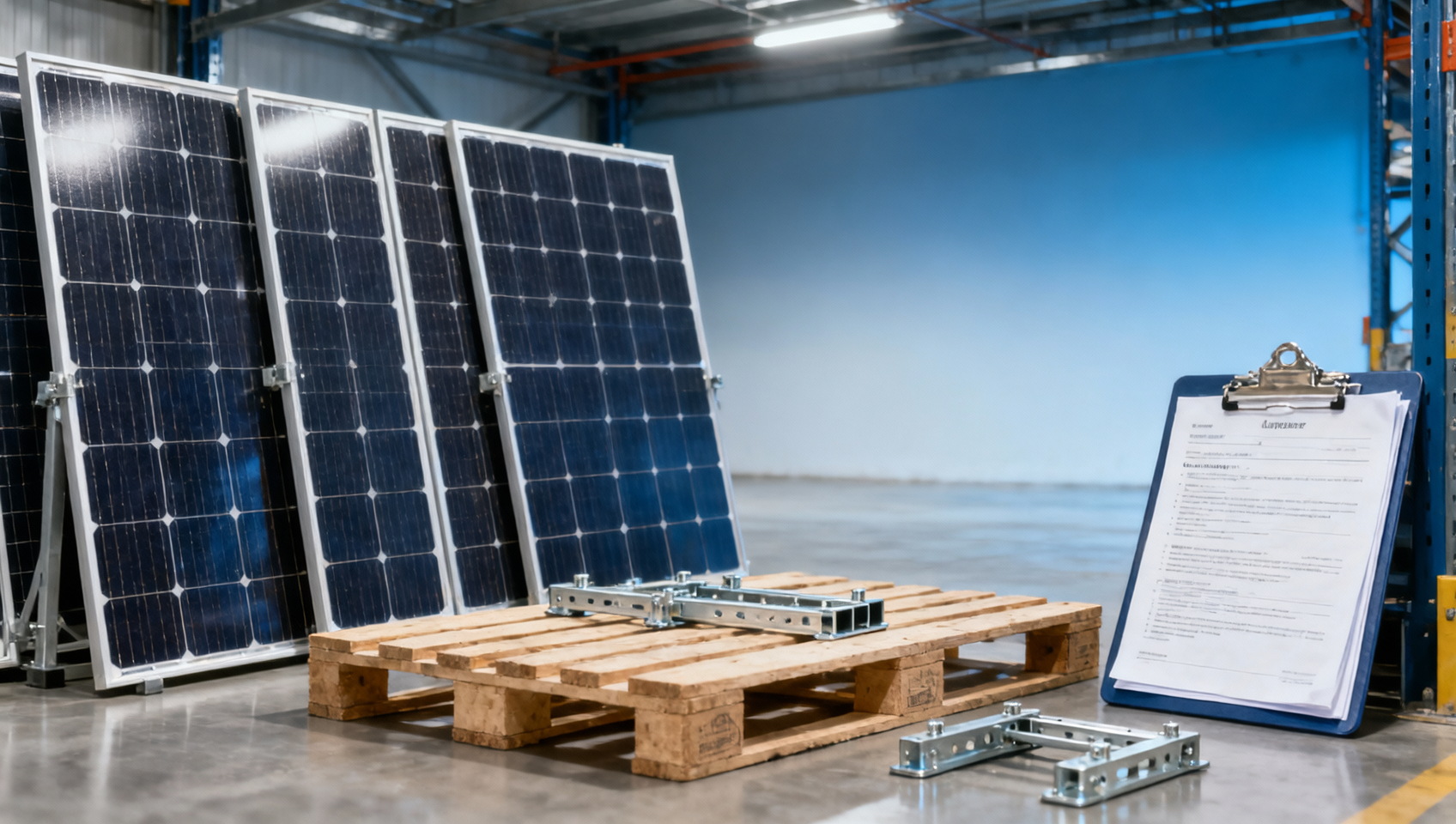
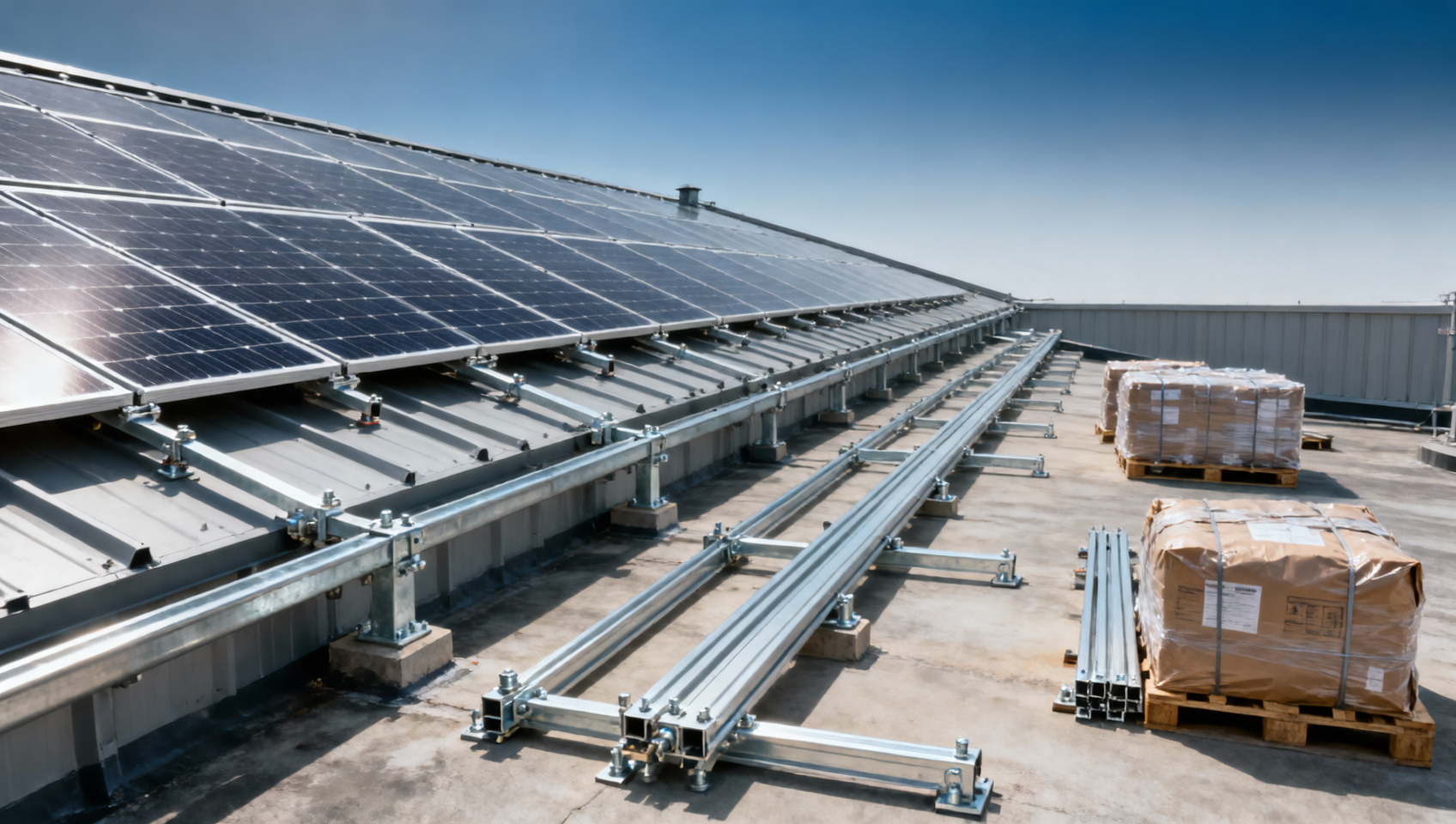
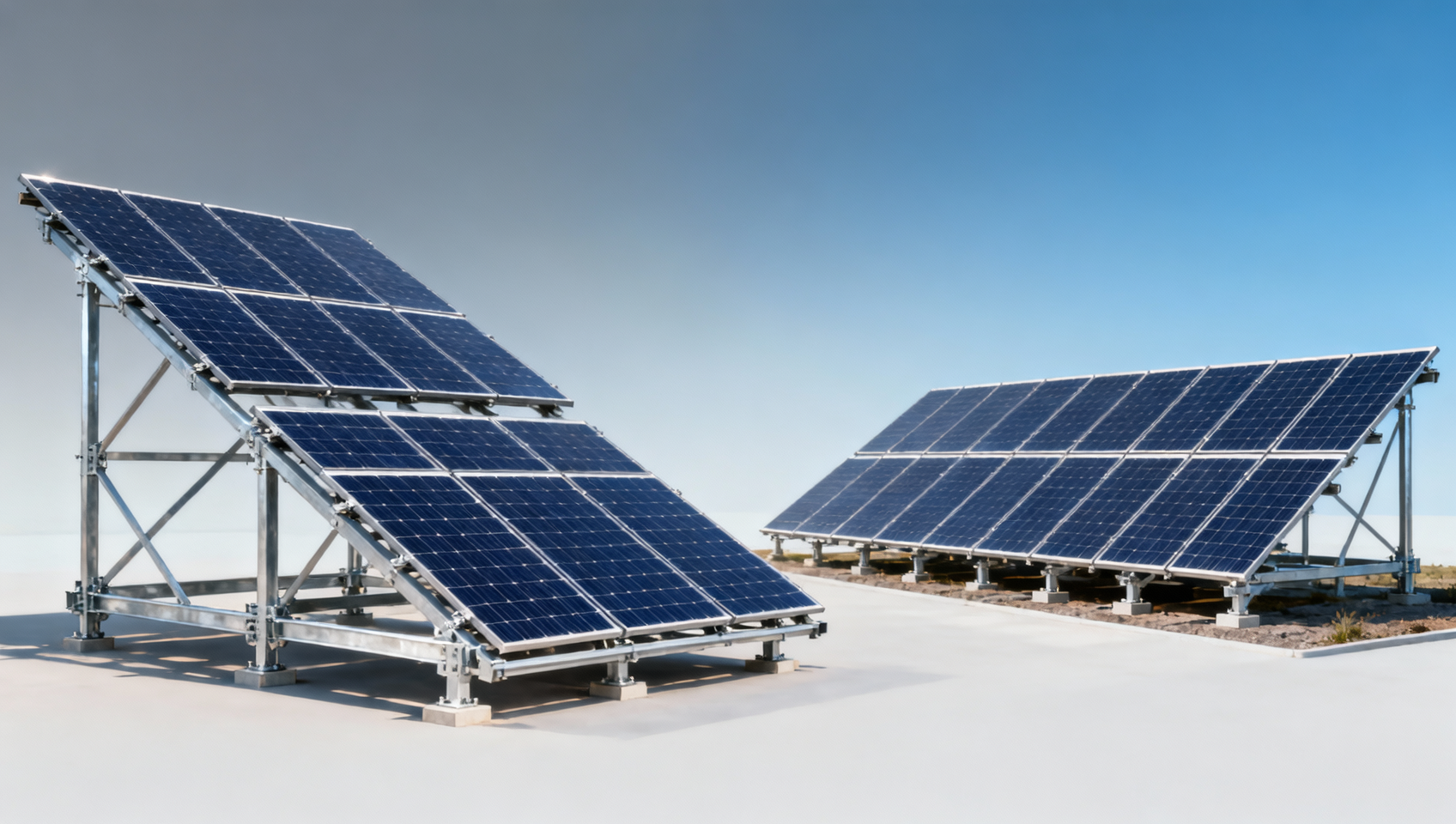
Per the Silicon Industry Branch of the China Nonferrous Metals Industry Association, prices for 2mm and 3.2mm photovoltaic glass have held steady for nine consecutive weeks. The stagnation is attributed to sluggish demand recovery and temporary supply overhang. Concurrently, EPC contractors in the Middle East and Latin America are resuming integrated procurement of Chinese-made PV modules, glass, and mounting structures—aiming to lock in delivery costs for Q2–Q3 2024.
Industries Affected
Direct Trade Enterprises
These firms face compressed margins due to sustained low glass pricing, limiting room for negotiation with overseas buyers. Their exposure increases where contracts are denominated in USD but settled against RMB-denominated production costs—amplifying currency and margin volatility during extended flat-price periods.
Raw Material Procurement Enterprises
Downstream buyers of soda ash, quartz sand, and cullet may see muted order growth or delayed replenishment cycles, as glass producers hold inventory and defer upstream purchases amid weak forward visibility. Procurement planning windows are likely tightening around near-term delivery commitments rather than long-term volume forecasts.
Processing & Manufacturing Enterprises (Glass Producers)
Manufacturers operating near breakeven face pressure to maintain utilization rates despite thin margins. The shift toward integrated module+glass+mounting orders may favor vertically aligned producers with in-house lamination or packaging capacity—but does not automatically translate into higher per-unit glass revenue unless bundled pricing terms are renegotiated.
Supply Chain & Logistics Service Providers
Firms offering cross-border logistics, customs brokerage, or bonded warehousing for PV components may see rising shipment volumes tied to consolidated ‘module + glass + racking’ consignments—especially via sea freight lanes serving GCC and Andean markets. However, consolidation also implies fewer individual SKUs per container, potentially lowering handling frequency per tonne.
What Relevant Enterprises or Practitioners Should Monitor and Act On
Track official pricing updates and production capacity announcements from the Silicon Industry Branch
The nine-week plateau is an observable data point—not a structural inflection. Continued monitoring of weekly reports will help distinguish whether this reflects short-term inventory digestion or signals deeper demand softness requiring strategic recalibration.
Monitor tender activity and procurement language in active EPC bids from MENA and LATAM
Integrated procurement clauses—e.g., ‘single-source supply of certified module-glass-racking kits’—are emerging indicators of shifting buyer behavior. Firms should assess whether their current certifications (IEC 61215, UL 61730, local grid codes) align with regional EPC requirements before engaging in bid preparation.
Distinguish between quoted package pricing and actual glass unit economics
From industry perspective, bundled quotations do not necessarily improve standalone glass profitability. Suppliers should model gross margin impact under different allocation assumptions (e.g., cost-plus vs. fixed-fee bundling) before committing to integrated contracts.
Prepare for tighter lead-time coordination across module, glass, and mounting suppliers
Current more suitable understanding is that Q2–Q3 delivery locking requires synchronized production scheduling—not just commercial agreement. Firms involved in any leg of the bundle should align internal planning cycles (e.g., MRP timelines, raw material PO windows) with shared delivery milestones.
Editorial Observation / Industry Perspective
Analysis来看, the nine-week price freeze is less a sign of market equilibrium and more a symptom of mismatched timing: supply ramp-up outpaced demand normalization post-Q1 seasonality, while global EPC project execution remains subject to permitting, financing, and interconnection delays. The resurgence of integrated procurement is better understood as a risk-mitigation tactic by overseas contractors—not yet evidence of broad-based demand acceleration. From industry angle, this pattern signals growing buyer sophistication in total system cost management, but does not yet imply structural pricing power restoration for glass producers.
Current more suitable interpretation is that this is an operational signal—not a market turnaround. It reflects tactical procurement adaptation under constrained visibility, not a fundamental shift in supply-demand balance. Sustained observation beyond Q3 will be needed to assess whether integrated ordering evolves into a durable channel or remains a transient response to cost uncertainty.
Conclusion
This development underscores how price stagnation at the component level can catalyze downstream behavioral change—specifically, the reconfiguration of procurement architecture across geographies. It does not indicate imminent price recovery for PV glass, nor does it guarantee volume growth for all participants. Rather, it highlights a transitional phase where cost discipline drives bundling decisions, and competitive advantage accrues to those capable of coordinated, compliant, and logistically aligned delivery—not just lowest unit cost.
Information Sources
Main source: Silicon Industry Branch of the China Nonferrous Metals Industry Association. Note: The exact start date of the nine-week period is not specified in the source material and remains subject to ongoing verification through subsequent weekly reports.
Get weekly intelligence in your inbox.
No noise. No sponsored content. Pure intelligence.
 Apr 23, 2026Taobao Factory Spark 3.0 Launches AI Workbench for SME Export FactoriesTaobao Factory Spark 3.0 Launches AI Workbench for SME Export Factories
 Apr 23, 2026TENENG Group Inspects IoT Safety Compliance at Jiangnan ChemicalTENENG Group Inspects IoT Safety Compliance at Jiangnan Chemical
 Apr 23, 2026China Launches First Embodied AI Open Data CommunityChina Launches First Embodied AI Open Data Community
 Apr 23, 2026PV Glass Prices Flat for 9 Weeks Amid Rising Integrated ProcurementPV Glass Prices Flat for 9 Weeks Amid Rising Integrated Procurement
 Apr 23, 20262984 NQI One-Stop Platforms Launched Nationwide2984 NQI One-Stop Platforms Launched Nationwide
 Apr 23, 2026China’s Green Smart Ship Tech Norms Accelerate BMS & Shore Power ExportChina’s Green Smart Ship Tech Norms Accelerate BMS & Shore Power Export
 Apr 23, 2026China Builds World's Largest Agri-Meteorological IoT NetworkChina Builds World's Largest Agri-Meteorological IoT Network
 Apr 23, 2026EU CBAM Carbon Tariff Enters Enforcement on April 1, 2026EU CBAM Carbon Tariff Enters Enforcement on April 1, 2026
 Apr 23, 2026Five Ministries Issue Zero-Carbon Factory Guidance for Export IndustriesFive Ministries Issue Zero-Carbon Factory Guidance for Export Industries
 Apr 23, 2026ISO Releases First Zero-Carbon City Standard — China’s Practices IncludedISO Releases First Zero-Carbon City Standard — China’s Practices Included
 Apr 22, 2026China Leads Global Offshore Wind Installations for 5th YearChina Leads Global Offshore Wind Installations for 5th Year
 Apr 22, 2026China Launches National Mine Safety IoT Monitoring NetworkChina Launches National Mine Safety IoT Monitoring Network
 Apr 22, 2026Yinchuan Boiler Pure Water Solution Certified for Middle East ProjectsYinchuan Boiler Pure Water Solution Certified for Middle East Projects
 Apr 22, 2026China to Enforce Mandatory EV Battery Recycling Standards by 2026China to Enforce Mandatory EV Battery Recycling Standards by 2026
 Apr 22, 2026Vietnam Launches Anti-Circumvention Probe on Electronic ComponentsVietnam Launches Anti-Circumvention Probe on Electronic Components
 Apr 22, 20262026 Shanghai Fastener Show: Robotic Fasteners Drive Overseas Procurement2026 Shanghai Fastener Show: Robotic Fasteners Drive Overseas Procurement
 Apr 22, 2026US BIS Adds EV On-Board Charger Crypto Modules to EAR Appendix 7US BIS Adds EV On-Board Charger Crypto Modules to EAR Appendix 7
 Apr 22, 2026TÜV Rheinland Updates BESS Certification: Propagation Blocking Now MandatoryTÜV Rheinland Updates BESS Certification: Propagation Blocking Now Mandatory
 Apr 22, 2026Red Sea Crisis Escalates: Suez AI Speed Limits & Slot Review from Apr 19Red Sea Crisis Escalates: Suez AI Speed Limits & Slot Review from Apr 19
 Apr 22, 2026EU CBAM Carbon Tariff Takes Effect April 1, 2026EU CBAM Carbon Tariff Takes Effect April 1, 2026
 Apr 21, 2026When to Replace CT Scanner Parts Before Downtime StartsWhen to Replace CT Scanner Parts Before Downtime Starts
 Apr 21, 2026How to Cut Costs in Lathe Turning Without ReworkHow to Cut Costs in Lathe Turning Without Rework
 Apr 21, 2026Lathe Turning Tolerances: What Can You Expect?Lathe Turning Tolerances: What Can You Expect?
 Apr 21, 2026How to Avoid Risks in Solar Panels WholesaleHow to Avoid Risks in Solar Panels Wholesale
 Apr 21, 2026Solar Panels Wholesale: How to Compare SuppliersSolar Panels Wholesale: How to Compare Suppliers
 Apr 21, 2026Solar Mounting Cost Factors You Should KnowSolar Mounting Cost Factors You Should Know
 Apr 21, 2026Solar Mounting Options: Which One Fits Your Project?Solar Mounting Options: Which One Fits Your Project?