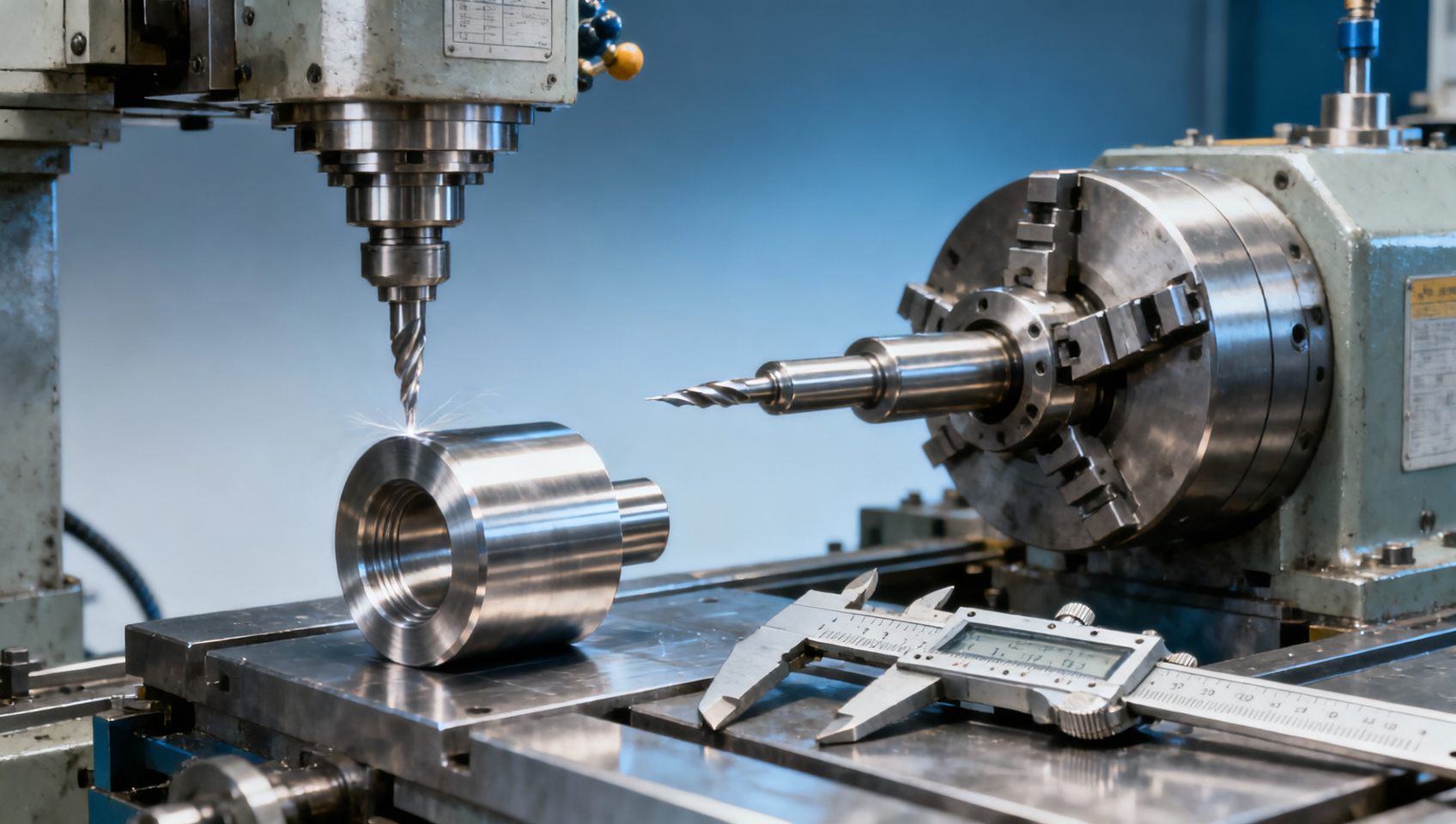
Lathe Turning Tolerances: What Can You Expect?
In precision manufacturing, understanding lathe turning tolerances is essential for balancing part quality, production cost, and application performance. Whether you are comparing suppliers, validating machining capability, or evaluating broader industrial sourcing needs alongside products like dental milling machines, hospital furniture, or solar panels wholesale, knowing what tolerance range to expect helps you make smarter technical and commercial decisions.
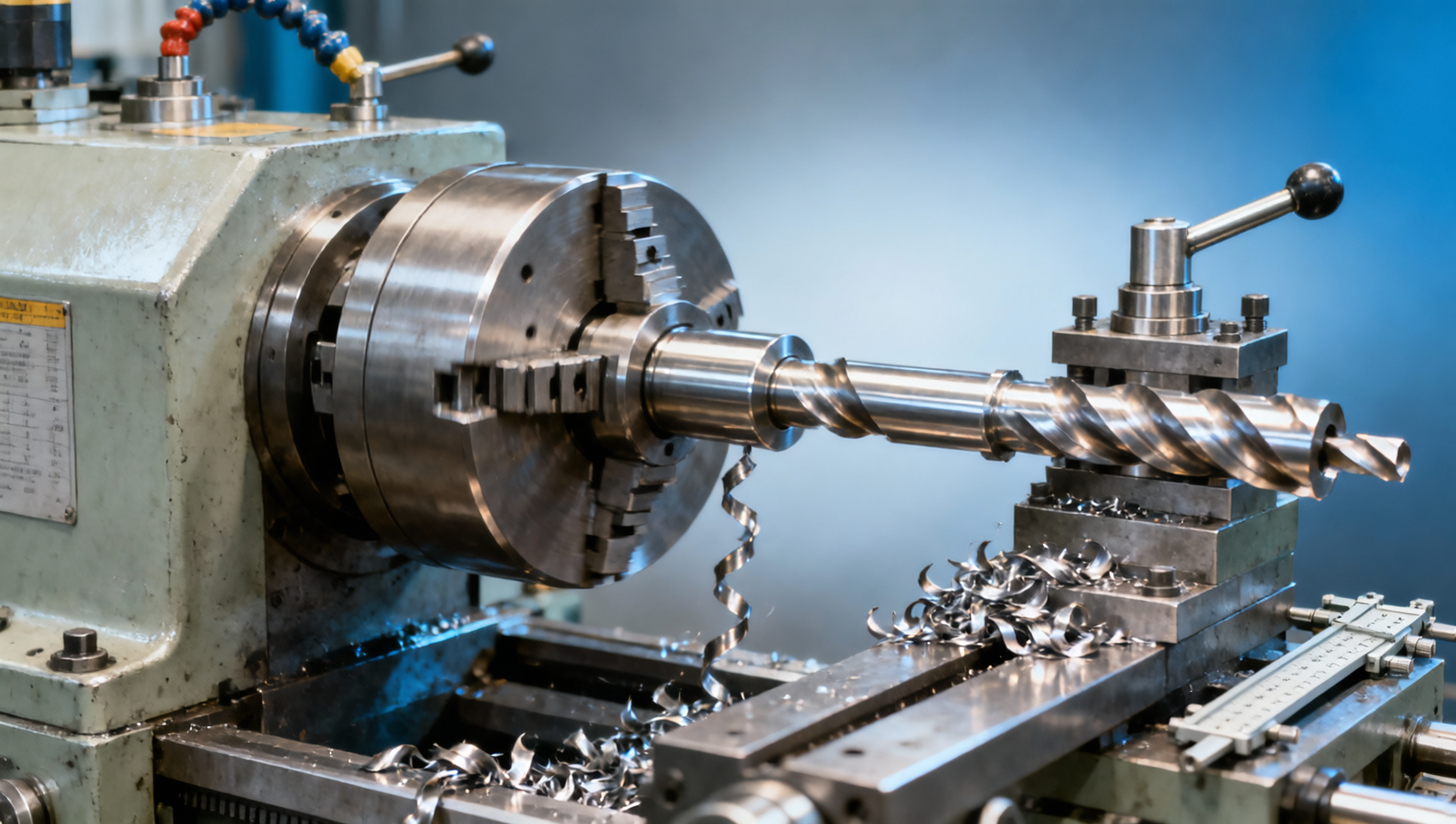
For most standard CNC lathe turning work, a realistic expectation is typically around ±0.005 in. (±0.127 mm) to ±0.001 in. (±0.025 mm), while high-precision turning can often reach ±0.0005 in. (±0.013 mm) or better under controlled conditions. However, the right question is not simply “what is the tightest tolerance possible?” but “what tolerance is repeatable, economical, and fit for the application?” That distinction matters to engineers, buyers, and project managers alike, because tighter tolerances can sharply increase machining time, inspection burden, scrap risk, and supplier cost.
This article explains what lathe turning tolerances you can reasonably expect, what factors affect achievable accuracy, when tighter tolerances are justified, and how to evaluate suppliers without overpaying for unnecessary precision.
What lathe turning tolerances can you realistically expect?
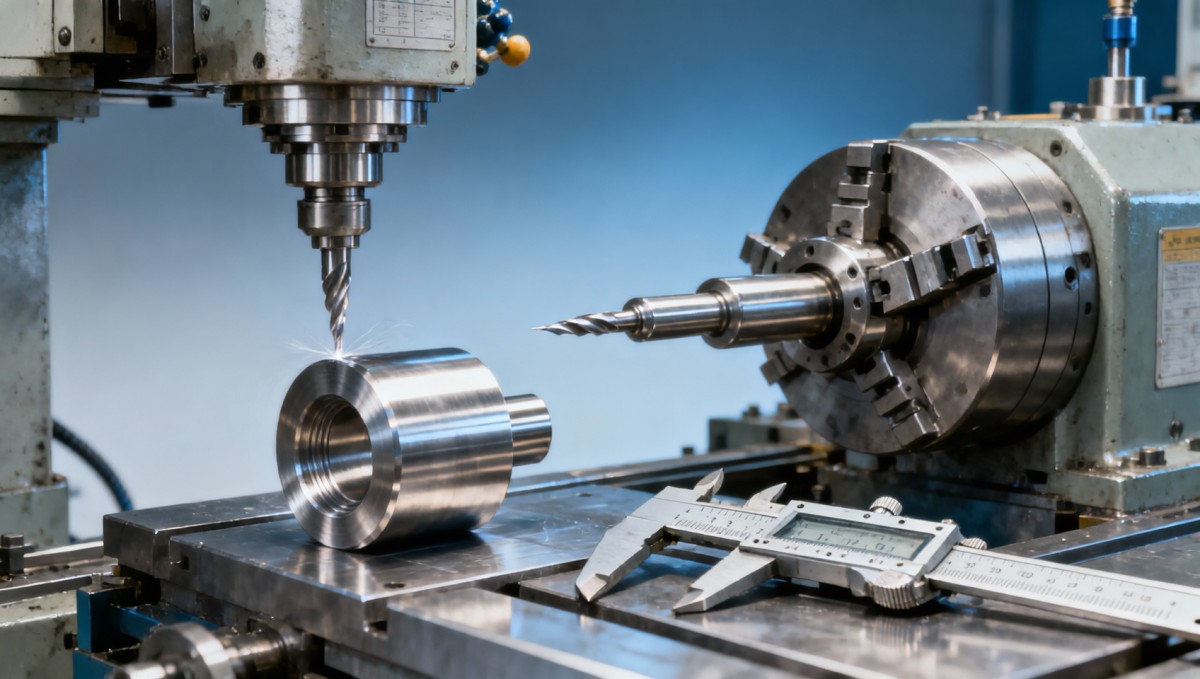
Lathe turning tolerances vary by material, geometry, machine condition, tooling, batch size, and process control. Still, buyers and technical evaluators can use the following practical ranges as a benchmark:
- General commercial turning: about ±0.005 in. to ±0.003 in. (±0.127 mm to ±0.076 mm)
- Typical CNC precision turning: about ±0.002 in. to ±0.001 in. (±0.051 mm to ±0.025 mm)
- High-precision lathe turning: about ±0.0005 in. (±0.013 mm), sometimes tighter
- Ultra-precision or specialty work: below ±0.0005 in., usually only for critical applications with strict process control
These numbers should be treated as practical guidance, not universal guarantees. A simple external diameter on a stable material is much easier to hold tightly than a long, slender shaft, a thin-wall part, or a component with multiple features requiring concentricity, roundness, and surface finish control at the same time.
For procurement teams, the key takeaway is this: standard tolerances are often sufficient for many industrial parts. Requesting unnecessarily tight limits may raise quote prices significantly without improving actual performance in service.
Why achievable tolerance depends on more than the machine specification
Many buyers assume tolerance capability is determined mainly by whether a supplier has CNC lathes. In reality, repeatable tolerance performance depends on the entire manufacturing system.
The main influencing factors include:
- Material behavior: Aluminum, brass, stainless steel, titanium, and engineering plastics all machine differently. Heat generation, springback, hardness variation, and chip control can affect dimensional consistency.
- Part geometry: Long parts may deflect; thin walls may distort; tight grooves, shoulders, and undercuts may be harder to control than basic diameters.
- Tooling condition: Tool wear directly changes cut size. Stable tooling strategy is essential for repeatability in production runs.
- Machine rigidity and condition: A well-maintained machine with strong thermal stability and minimal spindle runout can consistently hold better tolerances.
- Workholding method: Chuck pressure, collet design, support methods, and fixturing all affect part distortion and concentricity.
- Inspection capability: A supplier cannot reliably ship tight-tolerance parts if measurement systems are weaker than the specification itself.
- Production environment: Temperature shifts can influence high-precision machining and measurement results.
This is why two suppliers may both claim they can machine to ±0.001 in., but only one can do it consistently across batch production, documented inspection, and delivery schedules.
Which tolerance-related issues matter most to engineers, buyers, and project leads?
Different decision-makers care about lathe turning tolerances for different reasons, but their concerns often overlap.
For engineers and technical evaluators
The main concern is functional fit. They want to know whether a part will assemble correctly, maintain alignment, support load, seal properly, or achieve the required rotational accuracy. For them, tolerance is not an abstract quality metric; it directly affects performance.
For operators and production users
The focus is often manufacturability and process stability. They need tolerances that can be held without excessive tool changes, repeated offsets, or scrap. If a drawing is tighter than necessary, production efficiency suffers.
For procurement and commercial teams
The core concern is supplier capability versus price. They want to avoid paying premium machining costs for dimensions that do not create business value. They also want to reduce the risk of rejections, delays, and disputes caused by unrealistic specifications.
For financial approvers and management
The question is return on precision. Does tighter tolerance improve product reliability, customer acceptance, or warranty performance enough to justify the additional cost? If not, it may be overengineering.
For project managers
The priority is risk control. Tight tolerances can affect lead times, first article approval, inspection planning, and supplier selection. A tolerance decision made early in design can later influence the entire project schedule.
When should you ask for tighter lathe turning tolerances?
Tighter tolerances should be specified only when they are clearly linked to function, safety, assembly, or regulatory performance. Good reasons include:
- Critical bearing fits or shaft-hub interfaces
- Sealing surfaces where leakage control matters
- Components requiring precise concentricity or runout
- Medical, aerospace, or specialized industrial applications with strict compliance needs
- Parts used in high-speed rotation or precision motion systems
By contrast, tighter tolerances are often unnecessary for non-critical external features, cosmetic dimensions, or parts with generous mating clearances. In many cases, applying general tolerances to non-functional features and tighter controls only to critical dimensions is the smartest approach.
This selective method helps balance quality and cost while making quotations easier to compare across suppliers.
How much do tighter tolerances affect cost, lead time, and sourcing risk?
One of the most important commercial realities in CNC turning is that cost does not increase linearly with precision. Moving from a moderate tolerance to a very tight tolerance may require:
- Slower cutting speeds
- Additional finishing passes
- More frequent tool replacement
- In-process measurement
- Climate-controlled inspection
- Higher operator skill
- Lower yield and more scrap risk
That means a drawing specified at ±0.0005 in. instead of ±0.002 in. may drive a meaningful increase in part price, especially in larger volumes or difficult materials.
Lead time can also expand because suppliers may need more setup validation, sample approval, and quality documentation. If you are sourcing internationally or comparing multiple contract manufacturers, these tighter requirements can narrow the field of qualified suppliers.
For B2B buyers, this becomes a strategic sourcing issue, not just a machining issue. The best supplier is often the one that can hold the required tolerance consistently and economically, not the one advertising the most extreme capability.
How to evaluate a supplier’s real turning tolerance capability
If you are assessing a machining partner, avoid relying only on broad claims such as “high precision” or “tight tolerance machining.” Instead, ask practical qualification questions:
- What tolerance range is typical for similar parts and materials?
- Which dimensions can be held consistently in production, not just in prototypes?
- What inspection equipment is used—micrometers, bore gauges, CMM, optical systems?
- Can the supplier provide capability data, first article reports, or sample inspection records?
- How do they control tool wear and machine offsets during longer runs?
- What is their process for critical dimensions and special characteristics?
- Have they produced comparable parts for similar industries?
It is also useful to share functional intent, not just a drawing. When suppliers understand which dimensions are truly critical, they can recommend a more cost-effective tolerance scheme and flag manufacturability concerns early.
Best practices for specifying lathe turning tolerances without overengineering
To improve both technical outcomes and sourcing efficiency, follow these principles:
- Define critical-to-function dimensions clearly. Not every feature needs the same level of control.
- Use standard tolerances where possible. Reserve tight tolerances for features that affect fit, motion, sealing, or safety.
- Consider GD&T when appropriate. In some cases, geometric controls communicate functional needs better than overly tight linear dimensions.
- Match tolerance to material and geometry. What is easy on a short steel shaft may be difficult on a thin aluminum tube.
- Consult suppliers early. Feedback before release can reduce cost and avoid redesigns.
- Align tolerance with inspection method. If a dimension is critical, measurement capability must support the requirement.
These practices help teams create drawings that are easier to manufacture, easier to quote, and less likely to generate quality disputes later.
Final answer: what should you expect from lathe turning tolerances?
As a practical rule, you can expect standard lathe turning tolerances in the range of about ±0.005 in. to ±0.001 in. for many common applications, with tighter tolerances such as ±0.0005 in. achievable for high-precision work under the right conditions. The exact result depends on part design, material, process control, and supplier capability.
The most important insight is that the best tolerance is not the smallest one possible. It is the one that delivers reliable function, manageable cost, acceptable lead time, and dependable production repeatability. For engineers, sourcing professionals, and business decision-makers, that is the basis for smarter machining decisions and stronger supplier selection.
When evaluating turned components in any industrial sourcing context, focus on application needs, critical dimensions, and evidence of real process capability. That approach will help you avoid over-specifying, control commercial risk, and achieve better value from precision manufacturing partners.
Get weekly intelligence in your inbox.
No noise. No sponsored content. Pure intelligence.
 Apr 22, 2026China Leads Global Offshore Wind Installations for 5th YearChina Leads Global Offshore Wind Installations for 5th Year
 Apr 22, 2026China Launches National Mine Safety IoT Monitoring NetworkChina Launches National Mine Safety IoT Monitoring Network
 Apr 22, 2026Yinchuan Boiler Pure Water Solution Certified for Middle East ProjectsYinchuan Boiler Pure Water Solution Certified for Middle East Projects
 Apr 22, 2026China to Enforce Mandatory EV Battery Recycling Standards by 2026China to Enforce Mandatory EV Battery Recycling Standards by 2026
 Apr 22, 2026Vietnam Launches Anti-Circumvention Probe on Electronic ComponentsVietnam Launches Anti-Circumvention Probe on Electronic Components
 Apr 22, 20262026 Shanghai Fastener Show: Robotic Fasteners Drive Overseas Procurement2026 Shanghai Fastener Show: Robotic Fasteners Drive Overseas Procurement
 Apr 22, 2026US BIS Adds EV On-Board Charger Crypto Modules to EAR Appendix 7US BIS Adds EV On-Board Charger Crypto Modules to EAR Appendix 7
 Apr 22, 2026TÜV Rheinland Updates BESS Certification: Propagation Blocking Now MandatoryTÜV Rheinland Updates BESS Certification: Propagation Blocking Now Mandatory
 Apr 22, 2026Red Sea Crisis Escalates: Suez AI Speed Limits & Slot Review from Apr 19Red Sea Crisis Escalates: Suez AI Speed Limits & Slot Review from Apr 19
 Apr 22, 2026EU CBAM Carbon Tariff Takes Effect April 1, 2026EU CBAM Carbon Tariff Takes Effect April 1, 2026
 Apr 21, 2026When to Replace CT Scanner Parts Before Downtime StartsWhen to Replace CT Scanner Parts Before Downtime Starts
 Apr 21, 2026How to Cut Costs in Lathe Turning Without ReworkHow to Cut Costs in Lathe Turning Without Rework
 Apr 21, 2026Lathe Turning Tolerances: What Can You Expect?Lathe Turning Tolerances: What Can You Expect?
 Apr 21, 2026How to Avoid Risks in Solar Panels WholesaleHow to Avoid Risks in Solar Panels Wholesale
 Apr 21, 2026Solar Panels Wholesale: How to Compare SuppliersSolar Panels Wholesale: How to Compare Suppliers
 Apr 21, 2026Solar Mounting Cost Factors You Should KnowSolar Mounting Cost Factors You Should Know
 Apr 21, 2026Solar Mounting Options: Which One Fits Your Project?Solar Mounting Options: Which One Fits Your Project?
 Apr 21, 2026How to Pick USB C Docking Stations for Dual DisplaysHow to Pick USB C Docking Stations for Dual Displays
 Apr 21, 2026USB C Docking Stations: What Ports Do You Need?USB C Docking Stations: What Ports Do You Need?
 Apr 21, 2026What Affects Dental Milling Machine ROI in 2026?What Affects Dental Milling Machine ROI in 2026?
 Apr 21, 2026Dental Milling Machines: Wet or Dry for Your Lab?Dental Milling Machines: Wet or Dry for Your Lab?
 Apr 21, 2026How to Avoid Common Medical Refrigerator MistakesHow to Avoid Common Medical Refrigerator Mistakes
 Apr 21, 2026Medical Refrigerators: What Specs Matter Most?Medical Refrigerators: What Specs Matter Most?
 Apr 21, 2026Portable or Cart Vet Ultrasound: Which to Buy?Portable or Cart Vet Ultrasound: Which to Buy?
 Apr 21, 2026Vet Ultrasound Buying Guide for Small ClinicsVet Ultrasound Buying Guide for Small Clinics
 Apr 21, 2026Yard Management Systems: Key Features to CompareYard Management Systems: Key Features to Compare
 Apr 21, 2026How Yard Management Systems Improve Dock FlowHow Yard Management Systems Improve Dock Flow