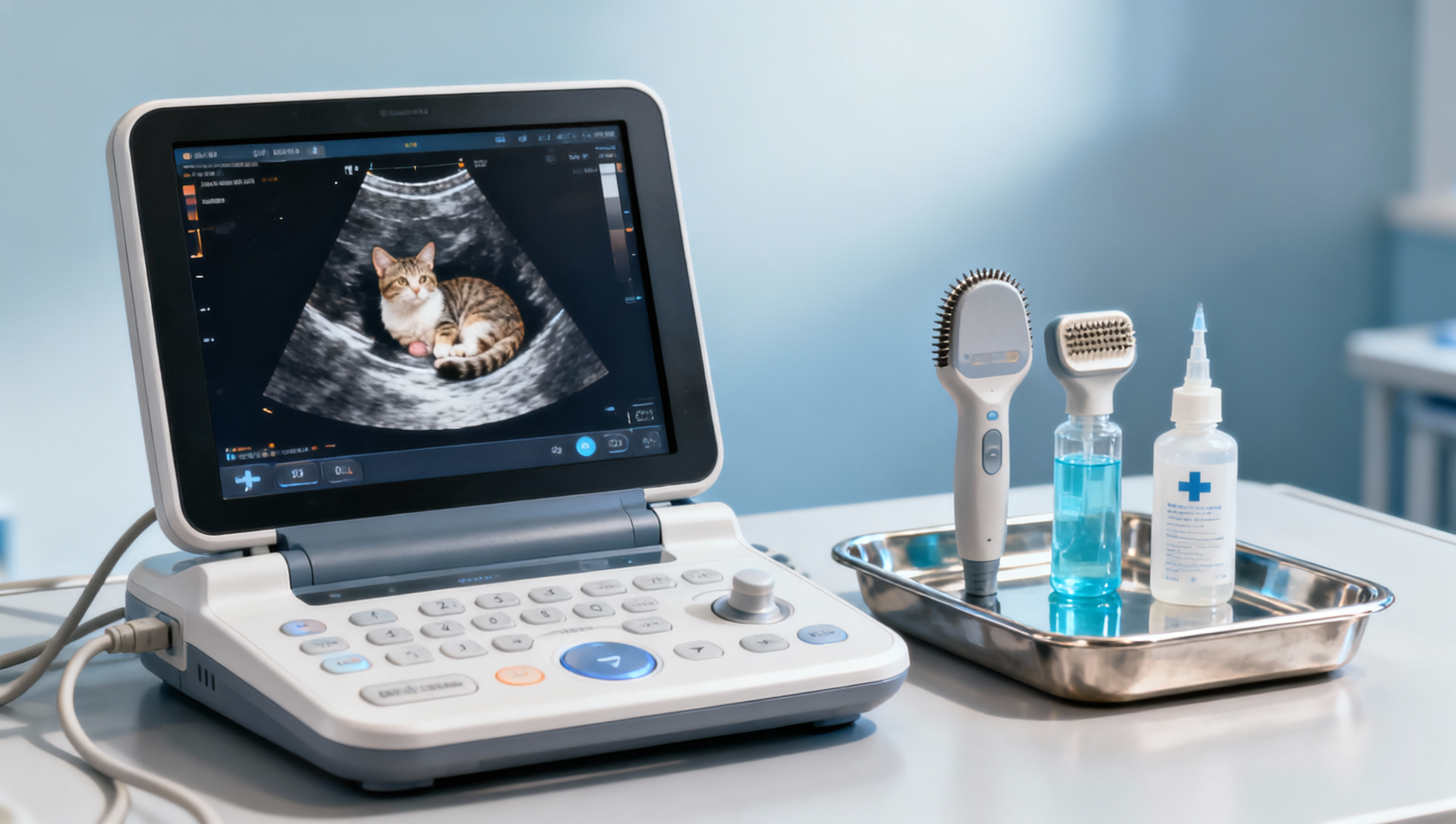
Vet Ultrasound Buying Guide for Small Clinics
Choosing the right vet ultrasound for a small clinic requires balancing image quality, portability, workflow efficiency, and long-term cost. This guide helps researchers, operators, technical evaluators, and business decision-makers compare key features, practical use cases, and budget factors so they can make a confident purchase that supports better diagnostics and sustainable clinic growth.
In small animal practices, mixed veterinary clinics, and satellite branches, the buying process is rarely about choosing the most advanced system on paper. It is about matching clinical demand, staff skill level, room layout, expected case volume, and service support with a practical imaging platform that can perform consistently for 5-7 years.
For procurement teams and clinic owners, a vet ultrasound purchase also affects scheduling, referral rates, and cash flow. A machine that shortens exam time by even 5-10 minutes per patient can change daily throughput, while weak image quality can increase repeat scans, delayed diagnosis, and unnecessary outsourcing.
Understanding what a small clinic really needs
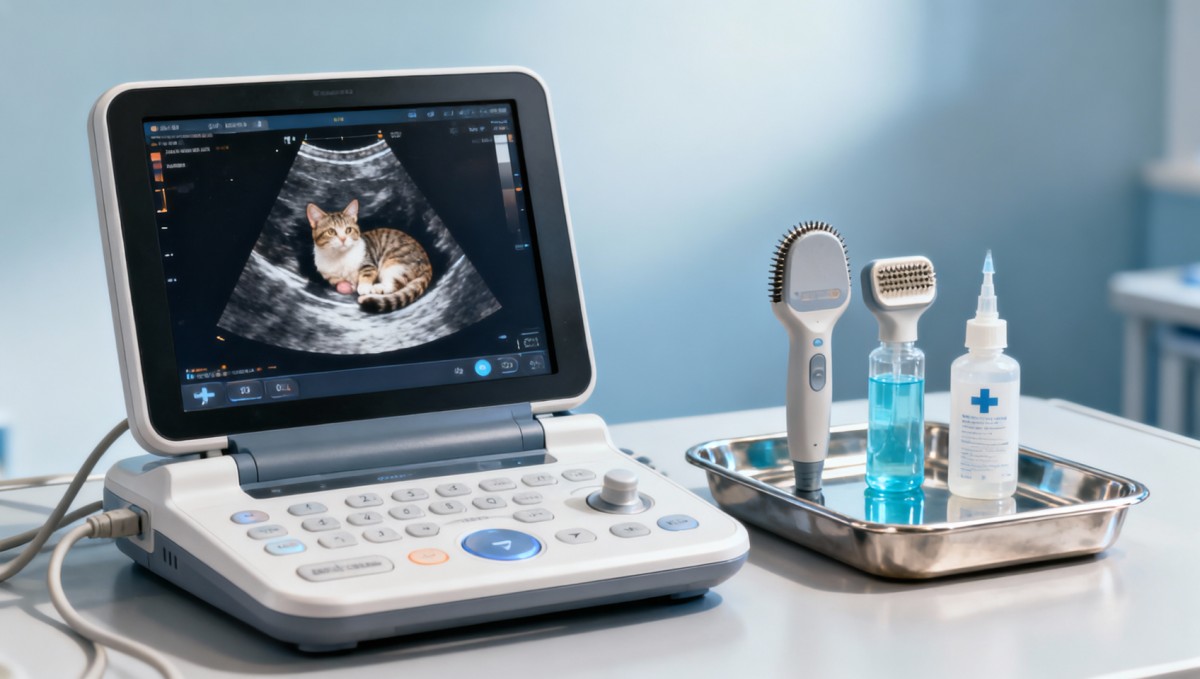
A small clinic usually works under tighter constraints than a specialty hospital. Exam rooms are smaller, staffing is leaner, and the same device may be used for abdominal scans, reproductive checks, FAST exams, and basic cardiac screening within the same day. That makes versatility more valuable than a long list of advanced features that are rarely used.
Most first-time buyers should begin by estimating monthly scan demand. A clinic performing 20-40 scans per month has different needs from one performing 80-120. Low-volume practices can prioritize ease of use, portability, and service access, while higher-volume sites may need faster boot time, better image optimization, and stronger probe durability.
Species mix also matters. Small animal clinics often need reliable imaging for liver, spleen, bladder, pregnancy, and guided aspiration. Equine or farm-oriented branches may need a more portable format, battery support of 1.5-3 hours, and probes that handle field conditions better than cart-only systems designed for static indoor use.
A common mistake is assuming every clinic needs premium Doppler capability from day one. In reality, many small practices gain more value from good B-mode image clarity, quick presets, and simple measurements. If routine cases dominate the workflow, practical usability can outweigh advanced modules that increase acquisition cost by 15%-30%.
Core use cases to define before requesting quotes
- Abdominal diagnostics for cats and dogs, including urinary obstruction, free fluid, organ enlargement, and mass screening.
- Reproductive work such as pregnancy confirmation, fetal viability checks, and breeding management.
- Emergency triage, where a system must power on quickly and support focused scans in less than 3-5 minutes.
- Basic echocardiography or referral-screening work, which may justify color Doppler and higher frame rates.
The table below shows how clinic profile, case mix, and staffing level can guide a more realistic ultrasound specification. This type of planning helps technical evaluators avoid overbuying and gives finance teams a clearer basis for budget approval.
The key takeaway is simple: small clinics should define 3-4 daily use cases first, then choose hardware and software around those tasks. This approach reduces wasted spend and improves operator adoption within the first 30-90 days after installation.
Key technical features that affect diagnostic value
Image quality starts with the right probe and frequency range. For general abdominal imaging in small animals, a convex probe in the 3-8 MHz range often covers routine work. A linear probe can improve detail for superficial structures, tendons, or smaller patients, while a phased array probe becomes relevant when cardiac applications are part of the plan.
Screen resolution, frame rate, and signal processing also matter. A system may advertise many imaging modes, but if the screen is difficult to interpret under clinic lighting or if motion artifacts affect moving structures, the practical value drops. During evaluation, users should compare image depth, near-field detail, and clarity at common operating depths such as 4 cm, 8 cm, and 12 cm.
Workflow functions can be just as important as raw imaging power. Preset libraries, one-touch optimization, quick measurements, image export, and DICOM or network compatibility save time during busy days. In a small clinic, reducing exam documentation by 2-3 minutes per case may create more benefit than adding niche features used only once a week.
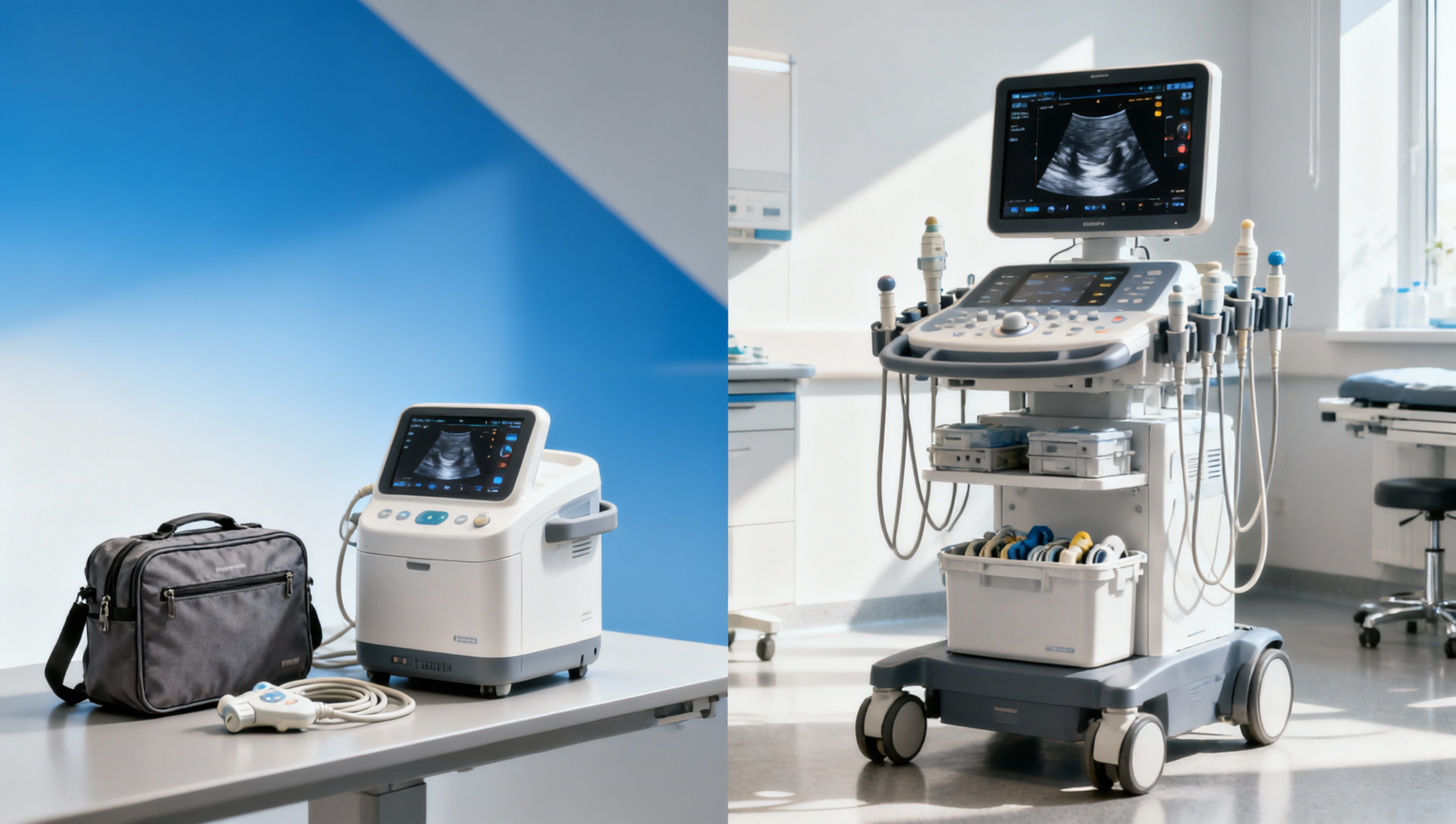
Portability should be judged carefully. Laptop-style systems can work well in clinics with limited space, but they must still offer stable ergonomics, probe storage, and sufficient battery runtime. Cart-based systems are easier for frequent room-to-room movement when equipped with a compact footprint and reliable cable management.
Feature priorities by evaluation role
Different stakeholders judge a vet ultrasound differently. Operators care about image controls and probe handling. Technical teams focus on software stability and serviceability. Financial approvers need a link between feature set and expected return. Aligning these views early can shorten purchasing cycles from 6-8 weeks to 3-5 weeks.
When comparing systems, buyers should request live scans rather than relying only on brochures. A 20-30 minute demonstration with real probe handling reveals more than a feature list. Ask vendors to show image quality on small patients, switching speed between presets, and basic measurement workflow under normal clinic conditions.
Practical technical checklist
- Confirm which probes are included in the base quote and which are optional extras.
- Check whether software upgrades are included for 1 year, 3 years, or billed separately.
- Test image storage, export format, and whether clips can be reviewed easily after the scan.
- Assess cleaning requirements and probe cable protection for daily veterinary use.
Budget planning, total cost of ownership, and ROI
The purchase price of a vet ultrasound is only one part of the investment. Small clinics should evaluate total cost of ownership over 3-5 years, including probes, training, warranty coverage, preventive maintenance, software updates, accessories, and potential downtime. A lower upfront quote may become more expensive if service delays interrupt care for 7-10 business days.
Budgeting should also reflect case capture potential. If a clinic currently refers out 10 abdominal scans per month and can bring even 50%-70% of those cases in-house, the system may improve both revenue retention and clinical responsiveness. The exact financial case varies, but decision-makers should connect expected utilization with financing or purchase timing.
For finance approvers, three questions are critical: how often will the machine be used, what billable services will it support, and what costs may increase after year one. These questions are more useful than chasing the cheapest quote because they reveal whether a system will remain viable under real operating conditions.
Training costs can be underestimated. If staff need 2-4 weeks to reach confidence on a complicated interface, workflow losses may offset the perceived savings of a lower-priced unit. By contrast, a more intuitive platform can shorten ramp-up time and reduce repeat scanning, particularly for operators who are not ultrasound specialists.
A simple ownership framework for small clinics
The table below can be used in procurement meetings to compare not just quote values, but also hidden operational costs. It is especially useful when project managers need to align clinical, financial, and technical stakeholders around one selection model.
A balanced buying decision often favors the system with the best operational fit rather than the lowest invoice value. If one platform reduces outsourcing, improves exam turnaround, and keeps uptime higher over 36 months, it may deliver stronger return even at a modestly higher entry cost.
ROI questions to ask before approval
- How many scans per week are realistic in the first 6 months: 5, 10, or 20?
- Will the clinic bill for focused scans, full abdominal studies, reproductive checks, or all three?
- What is the estimated cost of a probe replacement, and how quickly can service be arranged?
- Can a better system reduce external referrals enough to justify the difference in price?
Implementation, training, and service support after purchase
Buying the right vet ultrasound is only half the project. Small clinics often see the biggest difference during implementation, especially in the first 60 days. Installation, user setup, preset customization, and initial training determine whether the system becomes a daily diagnostic tool or an underused asset sitting in a corner.
A practical rollout should include at least 4 stages: delivery inspection, installation and connectivity, user training, and post-launch review. For clinics with one or two main operators, hands-on scanning support is often more valuable than generic classroom instruction. Even 2 focused sessions can improve confidence faster than a long presentation without real cases.
Service support deserves close review during supplier selection. Ask whether support is local, regional, or remote-only. Clarify target response times, spare probe availability, and whether software issues can be handled online. In many B2B healthcare technology purchases, service quality becomes the deciding factor within the first 12 months.
Maintenance routines should be documented from the beginning. Probe cleaning, cable handling, transport precautions, and periodic inspection can extend equipment life significantly. A clinic that uses the machine across multiple rooms or vehicles should create a written checklist to reduce accidental damage and prevent avoidable downtime.
Recommended rollout process
- Validate delivery contents, included probes, software options, and accessories against the purchase order within 24-48 hours.
- Set up presets for the clinic’s top 3-5 scan types so operators are not starting from factory defaults.
- Train primary users first, then cross-train backup staff to protect continuity during leave or shift changes.
- Review utilization after 30 days and 90 days to identify underused functions, workflow bottlenecks, or extra training needs.
Common implementation mistakes
One frequent mistake is leaving acceptance criteria undefined. Clinics should specify what counts as successful delivery: image quality threshold, connectivity functions, included documentation, and training completion. Another mistake is assigning ownership to no one. A named project lead, even in a small practice, helps keep adoption on schedule.
Another risk is buying a highly capable system without aligning staff competency. If most users need simple abdominal and emergency scans, the clinic should build a standard exam protocol first. This reduces variability, improves documentation quality, and gives management a clearer basis for measuring value over the first quarter.
Common questions and final buying recommendations
The best vet ultrasound for a small clinic is the one that fits real clinical demand, daily workflow, and support capacity. Before signing, buyers should request a detailed quotation, clarify service conditions, and confirm whether the system can scale with future needs such as second probes, added software modules, or another branch location.
How many probes does a small clinic usually need?
Many clinics begin effectively with 1-2 probes. A convex probe often covers general abdominal work, while a linear or phased array probe is added only when case mix justifies it. Buying too many probes at launch can raise costs without improving utilization.
Is a portable ultrasound always better for a small practice?
Not always. Portable systems save space and support mobility, but a compact cart system may offer better ergonomics, easier cable handling, and more comfortable scanning during long days. The decision should reflect room layout, transport frequency, and operator preference.
What should buyers ask about warranty and service?
Ask about warranty duration, turnaround time for repairs, remote troubleshooting, software update policy, and whether a loaner unit is available during major repairs. A 1-year warranty with slow support can be less valuable than a 3-year plan with clear response commitments.
Final checklist before purchase order
- Match the system to the clinic’s top procedures and expected monthly scan volume.
- Evaluate live image quality and ease of use, not just brochure specifications.
- Calculate ownership cost across 3-5 years, including service and training.
- Confirm implementation plan, user training scope, and post-sale support path.
For small clinics, a well-chosen vet ultrasound can improve diagnostic speed, retain more cases in-house, and strengthen long-term operational efficiency. If you are comparing systems, preparing a sourcing shortlist, or building a business case for internal approval, now is the right time to request a tailored recommendation. Contact us to discuss product details, compare suitable configurations, and explore a solution that fits your clinic’s workflow and growth goals.
Get weekly intelligence in your inbox.
No noise. No sponsored content. Pure intelligence.
 Apr 22, 2026China Leads Global Offshore Wind Installations for 5th YearChina Leads Global Offshore Wind Installations for 5th Year
 Apr 22, 2026China Launches National Mine Safety IoT Monitoring NetworkChina Launches National Mine Safety IoT Monitoring Network
 Apr 22, 2026Yinchuan Boiler Pure Water Solution Certified for Middle East ProjectsYinchuan Boiler Pure Water Solution Certified for Middle East Projects
 Apr 22, 2026China to Enforce Mandatory EV Battery Recycling Standards by 2026China to Enforce Mandatory EV Battery Recycling Standards by 2026
 Apr 22, 2026Vietnam Launches Anti-Circumvention Probe on Electronic ComponentsVietnam Launches Anti-Circumvention Probe on Electronic Components
 Apr 22, 20262026 Shanghai Fastener Show: Robotic Fasteners Drive Overseas Procurement2026 Shanghai Fastener Show: Robotic Fasteners Drive Overseas Procurement
 Apr 22, 2026US BIS Adds EV On-Board Charger Crypto Modules to EAR Appendix 7US BIS Adds EV On-Board Charger Crypto Modules to EAR Appendix 7
 Apr 22, 2026TÜV Rheinland Updates BESS Certification: Propagation Blocking Now MandatoryTÜV Rheinland Updates BESS Certification: Propagation Blocking Now Mandatory
 Apr 22, 2026Red Sea Crisis Escalates: Suez AI Speed Limits & Slot Review from Apr 19Red Sea Crisis Escalates: Suez AI Speed Limits & Slot Review from Apr 19
 Apr 22, 2026EU CBAM Carbon Tariff Takes Effect April 1, 2026EU CBAM Carbon Tariff Takes Effect April 1, 2026
 Apr 21, 2026When to Replace CT Scanner Parts Before Downtime StartsWhen to Replace CT Scanner Parts Before Downtime Starts
 Apr 21, 2026How to Cut Costs in Lathe Turning Without ReworkHow to Cut Costs in Lathe Turning Without Rework
 Apr 21, 2026Lathe Turning Tolerances: What Can You Expect?Lathe Turning Tolerances: What Can You Expect?
 Apr 21, 2026How to Avoid Risks in Solar Panels WholesaleHow to Avoid Risks in Solar Panels Wholesale
 Apr 21, 2026Solar Panels Wholesale: How to Compare SuppliersSolar Panels Wholesale: How to Compare Suppliers
 Apr 21, 2026Solar Mounting Cost Factors You Should KnowSolar Mounting Cost Factors You Should Know
 Apr 21, 2026Solar Mounting Options: Which One Fits Your Project?Solar Mounting Options: Which One Fits Your Project?
 Apr 21, 2026How to Pick USB C Docking Stations for Dual DisplaysHow to Pick USB C Docking Stations for Dual Displays
 Apr 21, 2026USB C Docking Stations: What Ports Do You Need?USB C Docking Stations: What Ports Do You Need?
 Apr 21, 2026What Affects Dental Milling Machine ROI in 2026?What Affects Dental Milling Machine ROI in 2026?
 Apr 21, 2026Dental Milling Machines: Wet or Dry for Your Lab?Dental Milling Machines: Wet or Dry for Your Lab?
 Apr 21, 2026How to Avoid Common Medical Refrigerator MistakesHow to Avoid Common Medical Refrigerator Mistakes
 Apr 21, 2026Medical Refrigerators: What Specs Matter Most?Medical Refrigerators: What Specs Matter Most?
 Apr 21, 2026Portable or Cart Vet Ultrasound: Which to Buy?Portable or Cart Vet Ultrasound: Which to Buy?
 Apr 21, 2026Vet Ultrasound Buying Guide for Small ClinicsVet Ultrasound Buying Guide for Small Clinics
 Apr 21, 2026Yard Management Systems: Key Features to CompareYard Management Systems: Key Features to Compare
 Apr 21, 2026How Yard Management Systems Improve Dock FlowHow Yard Management Systems Improve Dock Flow