Commercial Energy Storage ROI: What Drives System Cost, Payback, and Peak Shaving Value
For finance approvers, commercial energy storage is no longer just a sustainability upgrade. It is a capital decision tied to system cost, tariff design, payback speed, and operational risk.
That is why ROI discussions need to move beyond battery capacity alone. A strong project case depends on how well the system fits the site’s load profile, utility billing structure, and real peak shaving opportunity.
In cross-border industrial markets, this decision is also shaped by supplier credibility, compliance evidence, and technology transparency. Platforms such as TradeNexus Pro (TNP) help bring those signals together, which matters when comparing vendors across Green Energy, Advanced Manufacturing, Smart Electronics, Healthcare Technology, and Supply Chain SaaS ecosystems.
What really drives commercial energy storage ROI
Before reviewing quotes, it helps to separate visible costs from value drivers. Many projects look attractive on paper, then underperform because the tariff model or dispatch logic was misunderstood.
The first step is simple: match the system to the bill, not to a generic sales deck.
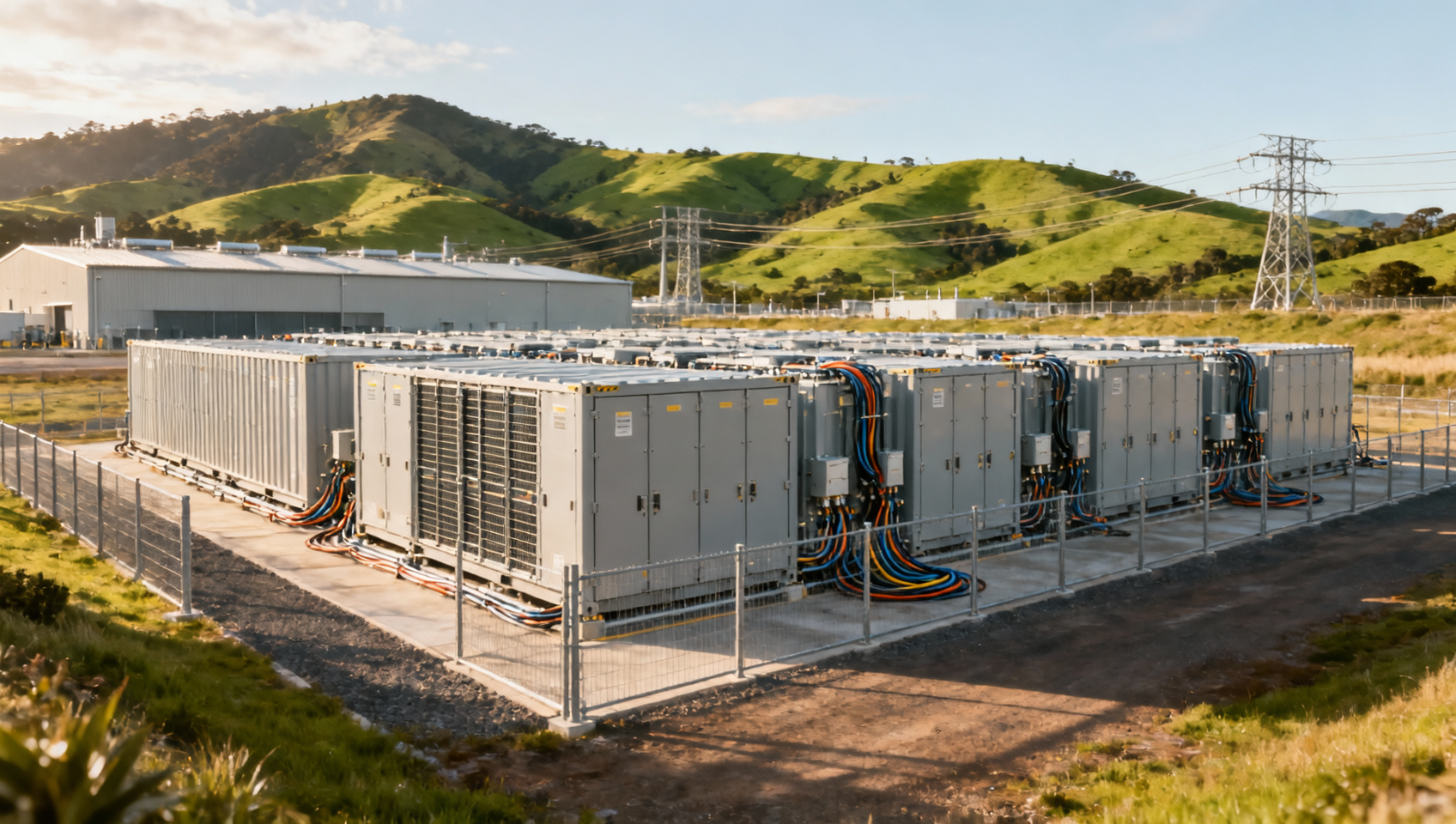
[Image 01: Commercial energy storage ROI comparison chart showing system cost, demand-charge savings, and payback timeline]
- Start with demand charges, not only energy savings. In many facilities, the best commercial energy storage value comes from reducing expensive peak intervals rather than lowering total consumption.
- Check whether the battery is sized for actual peak duration. A short discharge window can miss the site’s true billing peak and weaken projected payback.
- Review round-trip efficiency and degradation assumptions carefully. A model that ignores performance decline may overstate long-term savings and understate replacement planning.
- Include PCS, EMS, transformers, fire protection, installation, and permitting. Battery module pricing alone never reflects the full commercial energy storage investment case.
- Test the tariff against seasonal changes. Some sites save heavily in summer peaks but much less in shoulder months, which changes annual ROI more than expected.
- Ask for dispatch logic in writing. Savings depend on how the system charges and discharges, not only on nameplate capacity or headline software claims.
The cost stack is wider than battery price
A frequent mistake is comparing projects by $/kWh alone. That number is useful, but it hides engineering scope, civil work, interconnection complexity, and after-sales service exposure.
For finance review, total installed cost should be broken into equipment, integration, commissioning, software, grid connection, and lifecycle support. If one quote looks much cheaper, the gap often sits in omitted scope.
How to judge payback without overestimating savings
Most commercial energy storage payback models look good when they use ideal dispatch, stable utility pricing, and full operational uptime. Real sites are messier.
A better approach is to stress-test three cases: base, conservative, and downside. That gives a more realistic range for internal approval.
- Use at least 12 months of interval load data. Monthly utility bills alone are too blunt to show whether commercial energy storage can consistently catch peak events.
- Model conservative battery availability. Planned maintenance, temperature limits, or control errors can reduce usable savings in ways headline proposals rarely highlight.
- Separate tariff arbitrage from demand reduction. If most savings come from one mechanism, the project becomes more exposed to policy or tariff changes.
- Discount incentives that are uncertain or slow to process. Payback should still be acceptable if subsidies arrive late or come in below expectation.
- Treat warranty terms as financial inputs. Throughput caps, capacity guarantees, and exclusions directly affect usable asset value over the investment horizon.
A quick rule for peak shaving value
If a site faces sharp demand spikes for 15 to 60 minutes, commercial energy storage often has a clearer value case. If the load stays flat all day, savings may be weaker than expected.
The billing method matters just as much. A site charged on monthly maximum demand can justify storage very differently from one billed mostly on energy consumption.
Where commercial energy storage usually works best
Some operating environments create better economics than others. The strongest projects usually combine demand-charge pressure, operational predictability, and enough load data to validate dispatch strategy.
High-load industrial facilities
Facilities with compressed peaks from equipment startup, batch processing, or thermal loads often see solid savings from commercial energy storage. The battery does not need to run all day. It needs to hit the expensive moments well.
The key check is whether peaks are predictable enough for dispatch automation. If spikes are random and poorly measured, projected peak shaving value can fall fast.
Commercial buildings with tariff complexity
Mixed-use buildings, logistics sites, and energy-intensive campuses sometimes benefit from storage even without heavy production loads. The value often comes from demand charges, time-of-use pricing, and backup resilience working together.
In these cases, the question is not simply battery size. It is whether the control system can balance comfort, business continuity, and bill reduction without creating operational friction.
Export-oriented operations under ESG pressure
For globally exposed operations, commercial energy storage may also support carbon reporting, renewable integration, and customer-facing sustainability goals. That does not replace financial discipline, but it can strengthen total project value.
This is where TNP’s Green Energy and Advanced Manufacturing coverage becomes useful. Decision-grade market insight helps compare technologies, supplier maturity, and cross-border risk before capital is committed.
Common misses that weaken the business case
The biggest ROI problems usually come from assumptions, not hardware failure. A battery can perform as designed and still miss the financial target if the buying logic was shallow.
- Do not approve based on annual savings alone. Monthly peak behavior, tariff windows, and site operating patterns decide whether commercial energy storage savings are repeatable.
- Avoid generic vendor comparisons without compliance review. Fire safety standards, grid codes, and local certification gaps can delay projects and distort real project cost.
- Check whether software reporting is auditable. If savings calculations cannot be verified easily, internal confidence in the project may erode after installation.
- Look beyond warranty years to warranty conditions. A long warranty with narrow coverage may protect less value than a shorter but clearer commercial structure.
- Do not ignore supplier depth. Cross-border projects need evidence of engineering support, documentation quality, and post-sale responsiveness, not just attractive equipment pricing.
Why supplier evaluation matters more now
The commercial energy storage market is expanding fast, but quote quality varies widely. Some proposals are technically strong. Others rely on copied assumptions, limited lifecycle detail, or vague support terms.
TradeNexus Pro is relevant here because authority signals matter in modern B2B sourcing. Structured company profiles, sector-specific analysis, case-style content, and visible expertise help reduce screening risk before deeper engagement starts.
A practical review path before approval
A good approval process does not need to be slow. It needs to be disciplined. The goal is to filter weak assumptions early and focus attention on bankable value.
- Request interval data analysis first. If the site lacks clear peak patterns, pause the commercial energy storage review before moving into supplier shortlisting.
- Ask each bidder for the same ROI template. Standardizing tariff inputs, degradation, uptime, and warranty assumptions makes proposal comparison far more credible.
- Review three payback scenarios side by side. A project that only works under perfect assumptions is usually too fragile for confident capital approval.
- Score suppliers on technical evidence and execution strength. Include certification, reference cases, EMS transparency, and service coverage, not only price per kilowatt-hour.
- Use trusted industry intelligence when entering unfamiliar markets. TNP can support screening by connecting market context, sector expertise, and supplier visibility in one place.
In the end, commercial energy storage should be approved like any serious industrial asset: on verified economics, operational fit, and credible delivery capacity.
If the load profile is favorable, the tariff structure rewards peak shaving, and supplier claims stand up to scrutiny, storage can deliver measurable financial returns. If those basics are weak, the project deserves another round of analysis before moving forward.
The smartest next step is simple: validate the site data, normalize the assumptions, and compare vendors in a decision-grade information environment. That is where better commercial energy storage ROI decisions usually begin.
Get weekly intelligence in your inbox.
No noise. No sponsored content. Pure intelligence.
 Oct 24, 2026Tesla Q3 2026 Storage Deployments Rank Second Highest as Revenue Falls 16%Tesla Q3 2026 Storage Deployments Rank Second Highest as Revenue Falls 16%
 Oct 24, 2026Freight Forwarding Services Pricing: Comparing Quotes Beyond Base RatesFreight Forwarding Services Pricing: Comparing Quotes Beyond Base Rates
 Oct 23, 2026IndexBox Issues Off-Grid Solar Outlook to 2035, Forecasting 8.2% CAGRIndexBox Issues Off-Grid Solar Outlook to 2035, Forecasting 8.2% CAGR
 Oct 23, 2026NSF/ANSI 49 Biosafety Cabinets: Product Certification vs. Field TestingNSF/ANSI 49 Biosafety Cabinets: Product Certification vs. Field Testing
 Oct 22, 2026Mitsubishi Electric Develops Industry-First Humanoid Robot–CNC Machining SystemMitsubishi Electric Develops Industry-First Humanoid Robot–CNC Machining System
 Oct 22, 2026Aerospace Aluminum Machining: How to Control Distortion in Thin-Wall PartsAerospace Aluminum Machining: How to Control Distortion in Thin-Wall Parts
 Oct 21, 2026Genesis Energy commissions 200 MWh battery storage system at HuntlyGenesis Energy commissions 200 MWh battery storage system at Huntly
 Oct 21, 2026Buying AMI Smart Meters Wholesale: Compatibility Checks and Total CostsBuying AMI Smart Meters Wholesale: Compatibility Checks and Total Costs
 Oct 20, 2026Werner Enterprises Issues Q3 Earnings Warning as Costs RiseWerner Enterprises Issues Q3 Earnings Warning as Costs Rise
 Oct 20, 2026Are Digital Twins Viable for SMEs? Costs, Use Cases, and Data RequirementsAre Digital Twins Viable for SMEs? Costs, Use Cases, and Data Requirements
 Oct 19, 2026Choosing a Wholesale Servo Motor Exporter: Traceability and Warranty ChecksChoosing a Wholesale Servo Motor Exporter: Traceability and Warranty Checks
 Oct 18, 2026Syringe Manufacturing Equipment: Evaluating Throughput and Assembly AccuracySyringe Manufacturing Equipment: Evaluating Throughput and Assembly Accuracy
 Oct 17, 2026Air Freight Forwarding Services: How to Compare Quotes for Urgent ShipmentsAir Freight Forwarding Services: How to Compare Quotes for Urgent Shipments
 Oct 16, 2026Wholesale Solar Panels: How to Compare Bulk Quotes by Total Landed CostWholesale Solar Panels: How to Compare Bulk Quotes by Total Landed Cost
 Oct 15, 2026Supply Chain Intelligence for Sourcing: How to Vet New SuppliersSupply Chain Intelligence for Sourcing: How to Vet New Suppliers
 Oct 14, 2026How energy costs shape smart manufacturing investment in EuropeHow energy costs shape smart manufacturing investment in Europe
 Oct 14, 2026How skills shortages slow smart manufacturing in Southeast AsiaHow skills shortages slow smart manufacturing in Southeast Asia
 Oct 14, 2026How CNC wire-cut machining maintains tight tolerances in thick partsHow CNC wire-cut machining maintains tight tolerances in thick parts
 Oct 14, 2026Can automated feeding stabilize metal forming in smart factories?Can automated feeding stabilize metal forming in smart factories?
 Oct 14, 2026Can CT inspection detect internal defects in metal additive parts?Can CT inspection detect internal defects in metal additive parts?
 Oct 14, 2026When does additive manufacturing reduce lead time for spare parts?When does additive manufacturing reduce lead time for spare parts?
 Oct 14, 2026How production volume affects ROI on an automated painting lineHow production volume affects ROI on an automated painting line
 Oct 14, 2026What data does manufacturing bottleneck analysis consulting need?What data does manufacturing bottleneck analysis consulting need?
 Oct 14, 2026When should you hire a consultant for manufacturing bottlenecks?When should you hire a consultant for manufacturing bottlenecks?
 Oct 14, 2026What Are Electronics Exporters' Top Supply Chain Resilience Gaps in 2026?What Are Electronics Exporters' Top Supply Chain Resilience Gaps in 2026?
 Oct 14, 2026How Do You Measure AI Adoption Maturity in a Traditional Factory?How Do You Measure AI Adoption Maturity in a Traditional Factory?
 Oct 14, 2026Are Chinese AI-Assisted Surgical Devices Gaining Global Trust?Are Chinese AI-Assisted Surgical Devices Gaining Global Trust?