2026 Trade Facilitation Drive Opens Green Lane for Agri-Food Equipment Exports
The timing of the event itself is not explicitly stated in the available information, but from April 2026 China’s General Administration of Customs and 24 departments are set to launch a special cross-border trade facilitation action. The move is worth close attention for exporters of agri-food and smart agriculture equipment, customs-facing teams, and supply chain service providers because it combines pilot green-lane clearance for agricultural exports in inland provinces such as Yunnan and Guangxi with smarter certificate-of-origin processing, a combination that may shorten export lead times for selected equipment categories.

What Has Been Confirmed So Far
According to the provided information, the special cross-border trade facilitation action will begin in April 2026 and is being carried out jointly by the General Administration of Customs and 24 departments. In inland provinces including Yunnan and Guangxi, pilot green lanes for agricultural product exports will be introduced. At the same time, intelligent review and self-service printing of certificates of origin will be promoted.
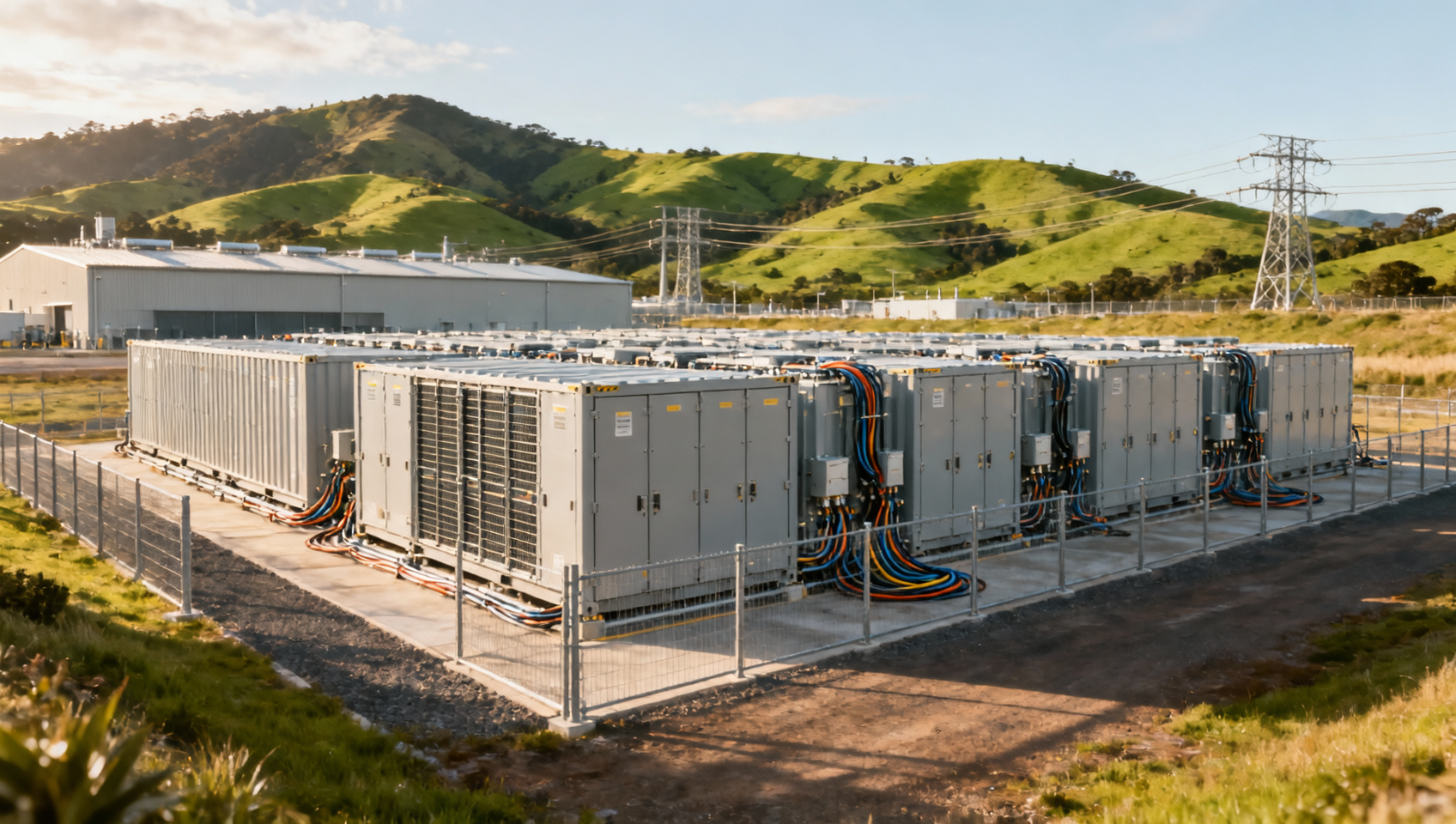
The mechanism is stated to apply to exports of equipment used in agrivoltaic and smart agriculture scenarios, including Solar PV irrigation systems, Battery Storage off-grid power supply equipment, and Warehouse Robotics field sorting systems. The stated effect is a significant reduction in customs clearance time.
Where the Impact May Be Felt First
Exporters handling integrated agri-equipment shipments
From an industry perspective, exporters of irrigation, off-grid power, and field-handling systems may be among the first to feel the operational effect because customs efficiency directly affects delivery scheduling, document preparation, and shipment release. What deserves closer attention is whether their product scope and shipment structure align with the practical conditions of the pilot mechanism.
Manufacturers balancing production and delivery windows
Analysis shows that manufacturers of smart agriculture equipment may see the main impact in order execution and outbound coordination. If clearance time is compressed in practice, factory dispatch planning, packing readiness, and export documentation workflows may need to be adjusted to match faster release cycles rather than traditional buffers.
Logistics and customs service providers managing documentation
Supply chain service providers, especially those involved in customs brokerage, origin documentation, and inland export routing, may be affected through process redesign. The combination of green-lane treatment and intelligent certificate review suggests that document accuracy, filing sequence, and system readiness could become more important than simply reserving extra time for clearance uncertainty.
Overseas buyers focused on delivery reliability
For buyers and project-side procurement teams, the most relevant issue may not be the policy language itself but whether shipment timing becomes more predictable. Observably, any improvement in customs handling can matter most where equipment is tied to agricultural installation schedules, phased deployment, or seasonal use windows.
What Companies Should Track in Practice
Watch the difference between policy direction and operating rules
Analysis shows that companies should distinguish between the announced direction of facilitation and the detailed operating requirements that may follow. The green-lane concept and certificate-of-origin optimization are clear signals, but actual applicability in day-to-day exports will depend on how local implementation is defined and executed.
Review whether product categories fit the intended mechanism
What deserves closer attention is product classification and supporting documentation for equipment linked to agrivoltaic and smart agriculture use cases. Firms exporting Solar PV irrigation systems, Battery Storage off-grid equipment, or Warehouse Robotics sorting systems should pay attention to how their goods are described, documented, and matched to the relevant export process.
Strengthen origin and document-readiness workflows
Because intelligent review and self-service printing of certificates of origin are being promoted, exporters and service providers should focus on internal document consistency, submission timing, and evidence readiness. In operational terms, paperwork quality may become an even more visible factor in whether facilitation benefits are realized smoothly.
Prepare customer communication around lead-time assumptions
Observably, shorter customs handling does not automatically mean every shipment will move at the same speed. Companies may need to update delivery communication carefully, using the policy as a process improvement signal rather than treating it as a blanket guarantee across all orders, routes, or provinces.
How This Signal Should Be Read Now
As an editorial observation, this development is more meaningful as a practical trade-efficiency signal than as a standalone policy headline. It points to a closer link between agricultural export facilitation and equipment categories that support agrivoltaic and smart agriculture applications.
It is more appropriate to understand this as an actionable but still developing industry dynamic. The confirmed information indicates a real administrative push and named application scope, yet the market impact will still depend on implementation consistency, category handling, and how widely the pilot logic translates into routine export operations.
Why the Market Still Needs to Watch It
From an industry perspective, the immediate significance lies in process efficiency rather than in any confirmed expansion of demand. The news suggests that exporters of relevant agri-food equipment may gain a more favorable customs environment, especially where inland export routes and origin documentation are involved.
At the same time, the current information is best read as a near-term operational change with potential longer-term implications, rather than as a fully settled result. The most balanced conclusion is that the measure deserves continued attention because its real value will be determined by implementation detail and execution quality.
Basis of This Article
This article is based on the user-provided news title, event timing note, and event summary. The specific official source link was not provided in the input, so further verification remains necessary.
For this type of industry update, relevant source categories typically include official government notices, company announcements, industry association information, authoritative media reporting, and standard-setting documents. Any follow-up assessment should continue to watch for more detailed official wording, local implementation rules, and practical clarification on eligible export scenarios and documentation requirements.
Get weekly intelligence in your inbox.
No noise. No sponsored content. Pure intelligence.
 Oct 24, 2026Tesla Q3 2026 Storage Deployments Rank Second Highest as Revenue Falls 16%Tesla Q3 2026 Storage Deployments Rank Second Highest as Revenue Falls 16%
 Oct 24, 2026Freight Forwarding Services Pricing: Comparing Quotes Beyond Base RatesFreight Forwarding Services Pricing: Comparing Quotes Beyond Base Rates
 Oct 23, 2026IndexBox Issues Off-Grid Solar Outlook to 2035, Forecasting 8.2% CAGRIndexBox Issues Off-Grid Solar Outlook to 2035, Forecasting 8.2% CAGR
 Oct 23, 2026NSF/ANSI 49 Biosafety Cabinets: Product Certification vs. Field TestingNSF/ANSI 49 Biosafety Cabinets: Product Certification vs. Field Testing
 Oct 22, 2026Mitsubishi Electric Develops Industry-First Humanoid Robot–CNC Machining SystemMitsubishi Electric Develops Industry-First Humanoid Robot–CNC Machining System
 Oct 22, 2026Aerospace Aluminum Machining: How to Control Distortion in Thin-Wall PartsAerospace Aluminum Machining: How to Control Distortion in Thin-Wall Parts
 Oct 21, 2026Genesis Energy commissions 200 MWh battery storage system at HuntlyGenesis Energy commissions 200 MWh battery storage system at Huntly
 Oct 21, 2026Buying AMI Smart Meters Wholesale: Compatibility Checks and Total CostsBuying AMI Smart Meters Wholesale: Compatibility Checks and Total Costs
 Oct 20, 2026Werner Enterprises Issues Q3 Earnings Warning as Costs RiseWerner Enterprises Issues Q3 Earnings Warning as Costs Rise
 Oct 20, 2026Are Digital Twins Viable for SMEs? Costs, Use Cases, and Data RequirementsAre Digital Twins Viable for SMEs? Costs, Use Cases, and Data Requirements
 Oct 19, 2026Choosing a Wholesale Servo Motor Exporter: Traceability and Warranty ChecksChoosing a Wholesale Servo Motor Exporter: Traceability and Warranty Checks
 Oct 18, 2026Syringe Manufacturing Equipment: Evaluating Throughput and Assembly AccuracySyringe Manufacturing Equipment: Evaluating Throughput and Assembly Accuracy
 Oct 17, 2026Air Freight Forwarding Services: How to Compare Quotes for Urgent ShipmentsAir Freight Forwarding Services: How to Compare Quotes for Urgent Shipments
 Oct 16, 2026Wholesale Solar Panels: How to Compare Bulk Quotes by Total Landed CostWholesale Solar Panels: How to Compare Bulk Quotes by Total Landed Cost
 Oct 15, 2026Supply Chain Intelligence for Sourcing: How to Vet New SuppliersSupply Chain Intelligence for Sourcing: How to Vet New Suppliers
 Oct 14, 2026How energy costs shape smart manufacturing investment in EuropeHow energy costs shape smart manufacturing investment in Europe
 Oct 14, 2026How skills shortages slow smart manufacturing in Southeast AsiaHow skills shortages slow smart manufacturing in Southeast Asia
 Oct 14, 2026How CNC wire-cut machining maintains tight tolerances in thick partsHow CNC wire-cut machining maintains tight tolerances in thick parts
 Oct 14, 2026Can automated feeding stabilize metal forming in smart factories?Can automated feeding stabilize metal forming in smart factories?
 Oct 14, 2026Can CT inspection detect internal defects in metal additive parts?Can CT inspection detect internal defects in metal additive parts?
 Oct 14, 2026When does additive manufacturing reduce lead time for spare parts?When does additive manufacturing reduce lead time for spare parts?
 Oct 14, 2026How production volume affects ROI on an automated painting lineHow production volume affects ROI on an automated painting line
 Oct 14, 2026What data does manufacturing bottleneck analysis consulting need?What data does manufacturing bottleneck analysis consulting need?
 Oct 14, 2026When should you hire a consultant for manufacturing bottlenecks?When should you hire a consultant for manufacturing bottlenecks?
 Oct 14, 2026What Are Electronics Exporters' Top Supply Chain Resilience Gaps in 2026?What Are Electronics Exporters' Top Supply Chain Resilience Gaps in 2026?
 Oct 14, 2026How Do You Measure AI Adoption Maturity in a Traditional Factory?How Do You Measure AI Adoption Maturity in a Traditional Factory?
 Oct 14, 2026Are Chinese AI-Assisted Surgical Devices Gaining Global Trust?Are Chinese AI-Assisted Surgical Devices Gaining Global Trust?