New Import Food Rules Extend Scrutiny to Food-Contact Electronics
Effective June 1, 2026, General Administration of Customs Order No. 280 has entered into force, introducing risk-based registration management for overseas manufacturers of imported food and adding food-contact products to the list of key import inspection categories. For the industry, the point of attention is not limited to food producers themselves: exporters involved in smart kitchen appliances, medical diagnostic devices, and related electronic components that use food-grade silicone, PC housings, or temperature control sensors may now face tighter compliance review around supporting documents and the validity of test reports.
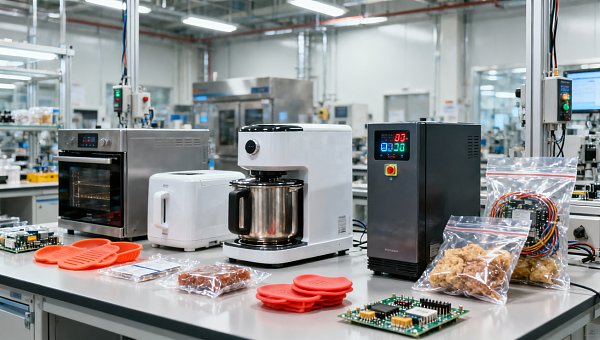
What the new rule formally changes
According to the information provided, the new measure took effect on June 1, 2026 under General Administration of Customs Order No. 280. The rule applies risk-tiered registration management to overseas manufacturers of imported food. At the same time, it adds food-contact products as a key category for import spot checks.
The stated consequence is an indirect strengthening of compliance review for certain electronic components used in applications connected to food contact. The examples explicitly referenced include food-grade silicone or PC housings and temperature control sensors used in smart kitchen appliances and medical diagnostic equipment. The summary also confirms that the change affects supply chain document preparation and the effective validity of testing reports for related exporters.
Where the pressure may appear along the supply chain
Exporters supplying component-based assemblies
From an industry perspective, exporters that ship components rather than finished food products may still need to pay closer attention because the new focus on food-contact products can extend scrutiny to parts used in food-contact scenarios. The most immediate impact may appear in pre-shipment document readiness, technical file consistency, and the ability to demonstrate that materials and components match the claims made in trade and compliance paperwork.
Manufacturers serving smart kitchen equipment
For businesses linked to smart kitchen appliances, the likely pressure point is product-interface compliance. Analysis shows that parts such as food-grade silicone elements, PC outer shells, and temperature-related components may draw more attention where they are connected to food-contact functions. What deserves closer attention is whether current test documentation, material declarations, and supporting files remain usable and aligned with customer or inspection expectations.
Suppliers tied to medical diagnostic devices
For suppliers to medical diagnostic equipment, the issue is not a broad change to all medical devices based on the information provided, but a narrower compliance effect where food-grade materials or food-contact-related component characteristics are involved. Observably, the business risk may concentrate in customer review, document requests, and shipment preparation rather than in a confirmed change to product demand.
Supply chain and documentation service providers
Service providers involved in compliance support, testing coordination, and export documentation may also be affected because the summary specifically points to supply chain file preparation and test report validity. In practice, this means document timing, version control, and matching supplier records to shipment content may become more sensitive operational issues.
What companies should watch now
Track how official wording is applied in practice
The confirmed fact is that food-contact products have been added to a key import inspection category. Analysis shows that companies should distinguish between the formal rule text and how that wording is implemented in actual shipment review, customer requirements, and customs-facing documentation requests.
Review whether key documents still hold up
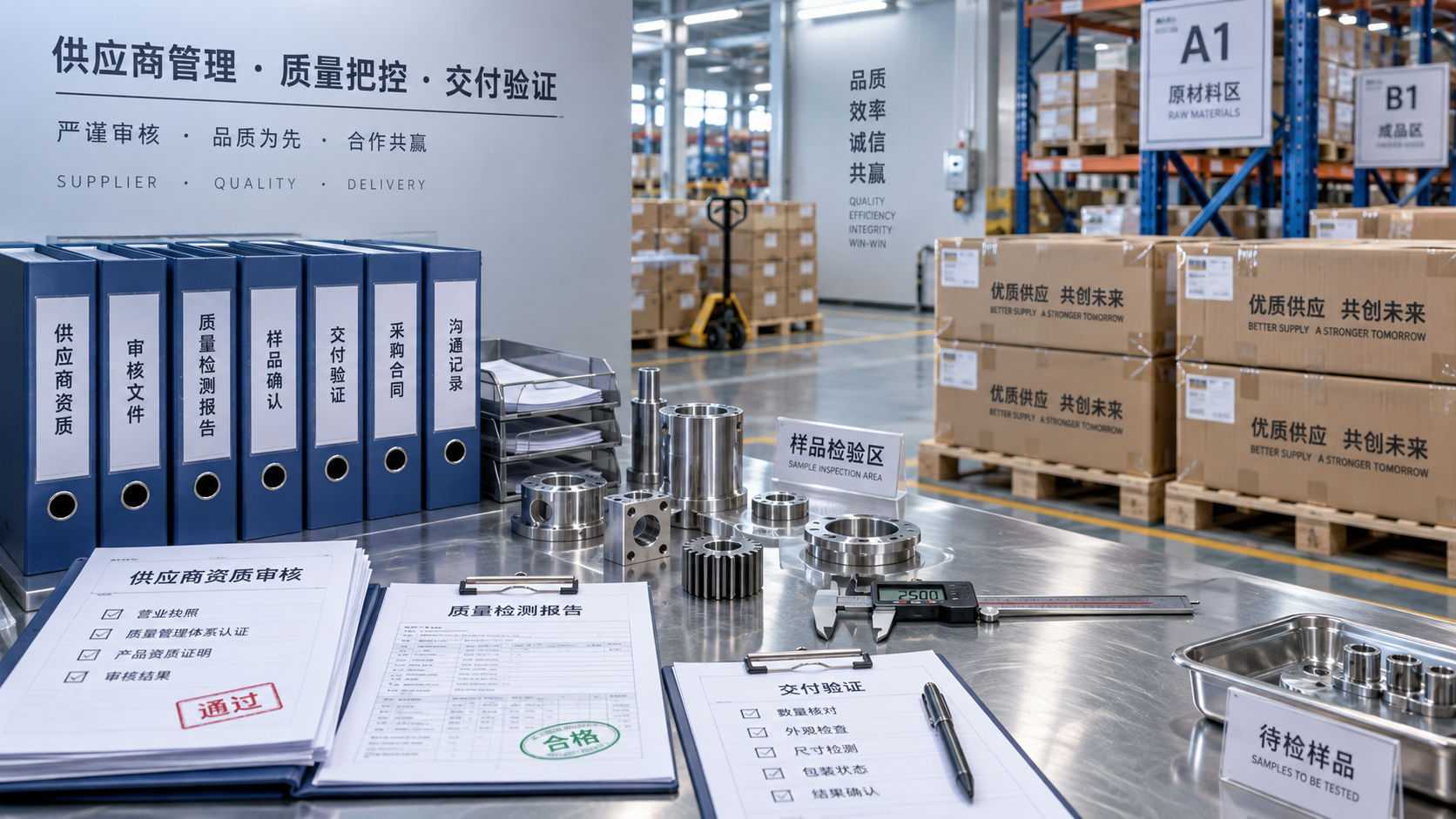
What deserves closer attention is the continued validity of testing reports and related compliance files. The event summary directly indicates that report validity is affected, so companies should focus on whether existing documents remain current, internally consistent, and suitable for the specific components and material claims attached to export orders.
Check high-attention product links first
Based on the information provided, the most relevant areas to review first are smart kitchen appliances, medical diagnostic equipment, and component categories such as food-grade silicone parts, PC housings, and temperature control sensors. This is a practical prioritization issue rather than a statement that all related products will face identical treatment.
Prepare for more detailed customer and supplier coordination
Because the impact described includes supply chain document preparation, companies may need closer communication with upstream suppliers and downstream buyers over material descriptions, test reports, and file completeness. Analysis shows that the operational challenge may lie as much in document coordination and delivery timing as in the underlying product itself.
Why this looks like a compliance signal beyond food alone
Observation: this development is better understood as a compliance signal with cross-sector implications rather than as a narrow update affecting only conventional food exporters. The inclusion of food-contact products in key import checks suggests that components used in food-related end uses can attract more attention even when they sit inside broader equipment categories.
At the same time, it is more appropriate to understand this as an evolving industry dynamic rather than a fully measurable market outcome. The provided information confirms stronger scrutiny and documentation implications, but it does not establish a quantified effect on trade volume, approval times, or shipment outcomes. That is why continued observation remains necessary.
How the market should read this stage
At this stage, the industry significance lies in the shift from general awareness to implementation risk. The rule is already in force, and the immediate implication is a higher need for document discipline around food-contact-related components used in exported equipment. A neutral reading is that this is neither a short-lived procedural detail nor a basis for sweeping conclusions; it is more appropriate to understand it as a concrete compliance change with broader supply-chain relevance that still requires follow-up observation.
Basis of this article and points for continued verification
This article is generated based on the user-provided news title, event date, and event summary. For developments of this kind, commonly relevant source types may include official notices, company statements, industry association updates, authoritative media coverage, and standard-setting documents. No specific official source link was provided in the input, so the precise official link still needs to be continuously verified. Follow-up attention should remain on any further official clarification, implementation wording, and practical inspection expectations affecting food-contact-related electronic components.
Get weekly intelligence in your inbox.
No noise. No sponsored content. Pure intelligence.
 Oct 24, 2026Tesla Q3 2026 Storage Deployments Rank Second Highest as Revenue Falls 16%Tesla Q3 2026 Storage Deployments Rank Second Highest as Revenue Falls 16%
 Oct 24, 2026Freight Forwarding Services Pricing: Comparing Quotes Beyond Base RatesFreight Forwarding Services Pricing: Comparing Quotes Beyond Base Rates
 Oct 23, 2026IndexBox Issues Off-Grid Solar Outlook to 2035, Forecasting 8.2% CAGRIndexBox Issues Off-Grid Solar Outlook to 2035, Forecasting 8.2% CAGR
 Oct 23, 2026NSF/ANSI 49 Biosafety Cabinets: Product Certification vs. Field TestingNSF/ANSI 49 Biosafety Cabinets: Product Certification vs. Field Testing
 Oct 22, 2026Mitsubishi Electric Develops Industry-First Humanoid Robot–CNC Machining SystemMitsubishi Electric Develops Industry-First Humanoid Robot–CNC Machining System
 Oct 22, 2026Aerospace Aluminum Machining: How to Control Distortion in Thin-Wall PartsAerospace Aluminum Machining: How to Control Distortion in Thin-Wall Parts
 Oct 21, 2026Genesis Energy commissions 200 MWh battery storage system at HuntlyGenesis Energy commissions 200 MWh battery storage system at Huntly
 Oct 21, 2026Buying AMI Smart Meters Wholesale: Compatibility Checks and Total CostsBuying AMI Smart Meters Wholesale: Compatibility Checks and Total Costs
 Oct 20, 2026Werner Enterprises Issues Q3 Earnings Warning as Costs RiseWerner Enterprises Issues Q3 Earnings Warning as Costs Rise
 Oct 20, 2026Are Digital Twins Viable for SMEs? Costs, Use Cases, and Data RequirementsAre Digital Twins Viable for SMEs? Costs, Use Cases, and Data Requirements
 Oct 19, 2026Choosing a Wholesale Servo Motor Exporter: Traceability and Warranty ChecksChoosing a Wholesale Servo Motor Exporter: Traceability and Warranty Checks
 Oct 18, 2026Syringe Manufacturing Equipment: Evaluating Throughput and Assembly AccuracySyringe Manufacturing Equipment: Evaluating Throughput and Assembly Accuracy
 Oct 17, 2026Air Freight Forwarding Services: How to Compare Quotes for Urgent ShipmentsAir Freight Forwarding Services: How to Compare Quotes for Urgent Shipments
 Oct 16, 2026Wholesale Solar Panels: How to Compare Bulk Quotes by Total Landed CostWholesale Solar Panels: How to Compare Bulk Quotes by Total Landed Cost
 Oct 15, 2026Supply Chain Intelligence for Sourcing: How to Vet New SuppliersSupply Chain Intelligence for Sourcing: How to Vet New Suppliers
 Oct 14, 2026How energy costs shape smart manufacturing investment in EuropeHow energy costs shape smart manufacturing investment in Europe
 Oct 14, 2026How skills shortages slow smart manufacturing in Southeast AsiaHow skills shortages slow smart manufacturing in Southeast Asia
 Oct 14, 2026How CNC wire-cut machining maintains tight tolerances in thick partsHow CNC wire-cut machining maintains tight tolerances in thick parts
 Oct 14, 2026Can automated feeding stabilize metal forming in smart factories?Can automated feeding stabilize metal forming in smart factories?
 Oct 14, 2026Can CT inspection detect internal defects in metal additive parts?Can CT inspection detect internal defects in metal additive parts?
 Oct 14, 2026When does additive manufacturing reduce lead time for spare parts?When does additive manufacturing reduce lead time for spare parts?
 Oct 14, 2026How production volume affects ROI on an automated painting lineHow production volume affects ROI on an automated painting line
 Oct 14, 2026What data does manufacturing bottleneck analysis consulting need?What data does manufacturing bottleneck analysis consulting need?
 Oct 14, 2026When should you hire a consultant for manufacturing bottlenecks?When should you hire a consultant for manufacturing bottlenecks?
 Oct 14, 2026What Are Electronics Exporters' Top Supply Chain Resilience Gaps in 2026?What Are Electronics Exporters' Top Supply Chain Resilience Gaps in 2026?
 Oct 14, 2026How Do You Measure AI Adoption Maturity in a Traditional Factory?How Do You Measure AI Adoption Maturity in a Traditional Factory?
 Oct 14, 2026Are Chinese AI-Assisted Surgical Devices Gaining Global Trust?Are Chinese AI-Assisted Surgical Devices Gaining Global Trust?