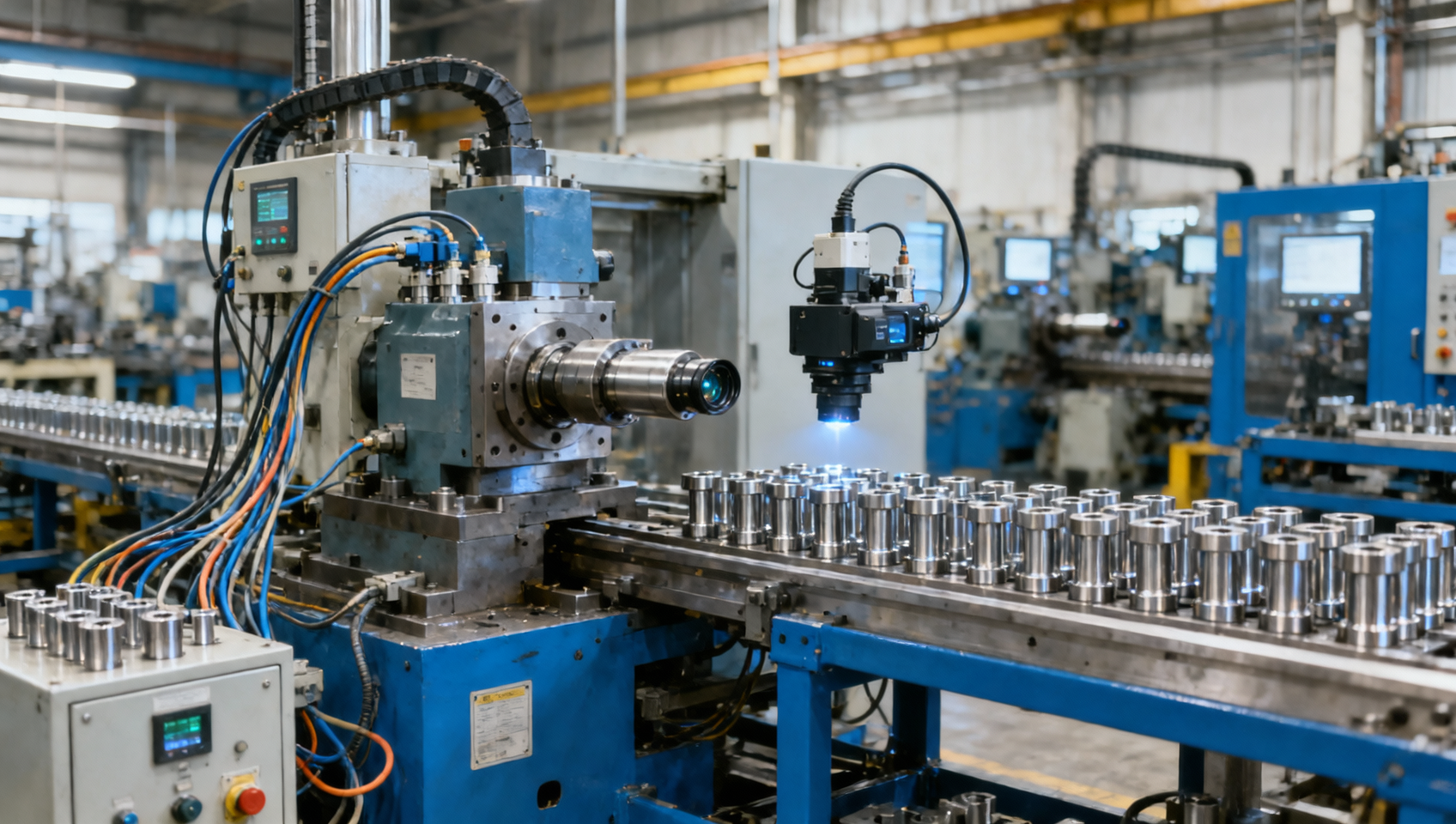
Chinese Automation Suppliers Debut Localized Integration at Turkey Machinery Fair
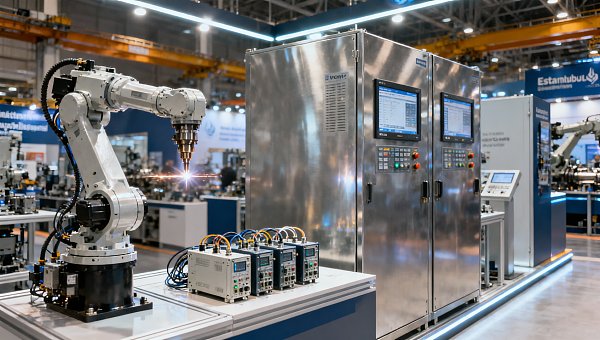
From June 3 to 6, 2026, the 18th International Construction Machinery Fair of Turkey in Istanbul featured multiple Chinese manufacturers showing intelligent welding robots with TurkStat certification interfaces, PLC control systems with local-language user interfaces, and industrial sensor kits compatible with TSE standards. For companies involved in factory automation exports, industrial integration, procurement, and after-sales support, the development is worth watching because it suggests that market entry is being framed less around standalone equipment shipment and more around a combined offering of hardware, locally compliant software, and technical service.
What was shown in Istanbul
According to the provided event information, the exhibition ran in Istanbul from June 3 to 6, 2026, as the 18th International Construction Machinery Fair of Turkey. Multiple Chinese manufacturers presented three clearly described categories of automation-related products: intelligent welding robots supporting TurkStat certification interfaces, PLC control systems with local-language UI, and industrial sensor kits compatible with TSE standards.
The same event summary also indicates a shift in export form for Factory Automation, moving from complete-machine delivery toward an integrated model that combines hardware, local compliance software, and technical services.
Why different parts of the value chain may pay attention
Equipment exporters may need to rethink the offer structure
From an industry perspective, exporters of automation equipment may be affected because the emphasis appears to be moving beyond hardware specifications alone. The business impact would likely center on product packaging, pre-sales communication, and project delivery design, especially where local certification interfaces, local-language operation, and standards compatibility become part of the expected offer. What deserves closer attention is whether future customer discussions increasingly start with integration readiness rather than only machine performance.
System integration and service roles become more visible
Analysis shows that integrators and technical service providers could see their role become more central if export projects are increasingly structured around hardware plus compliant software plus service. The main operational impact would likely fall on software adaptation, interface configuration, commissioning support, and ongoing customer communication. These participants should watch whether localization work shifts from an optional add-on to a more standard part of project execution.
Industrial buyers may focus more on usability and compliance fit
For buyers and end users, the relevance lies in how imported automation products fit local operating environments. The impact may show up in procurement review, implementation planning, and supplier comparison, particularly when local-language UI and standards compatibility reduce friction during deployment. A key point to monitor is whether purchasing decisions place greater weight on documentation, interface readiness, and service responsiveness alongside equipment capability.
What companies should watch next
Separate exhibition signals from confirmed market rules
What deserves closer attention is the distinction between what was displayed at the fair and any later formal requirements in actual projects. Companies should avoid treating exhibition positioning as automatic proof of broad market standardization and should continue checking how compliance-related expectations are expressed in real customer demands and formal documentation.
Review whether localization is built into product design
For suppliers already active in Factory Automation exports, this development raises a practical question: whether local-language UI, certification interfaces, and standards compatibility are built into the product architecture from the start or handled only case by case. This matters for delivery consistency, engineering workload, and customer communication during quoting and implementation.
Prepare documentation and service coordination earlier
Analysis shows that if the integrated export model becomes more common, documentation and service preparation may need to move forward in the sales cycle. Relevant teams should pay attention to technical files, interface descriptions, implementation scope, and the coordination between hardware shipment and service delivery, because these areas often shape execution quality when projects involve localized adaptation.
Track which product categories are becoming localization-sensitive
Based on the event summary, welding robots, PLC systems, and industrial sensor kits are visible categories in this shift. Companies in related segments should monitor whether these product lines increasingly require local compliance alignment and user-facing adaptation before they can compete effectively in project-based sales discussions.
How this signal should be read at this stage
Observably, this is better understood as an industry signal than as a completed market outcome. The confirmed fact is that Chinese manufacturers presented automation products at a Turkish construction machinery fair with features tied to certification interfaces, local-language operation, and standards compatibility. The broader interpretation is analytical: the event points to a maturing export approach in which localized integration capacity is becoming part of the value proposition.
It is more appropriate to understand this as a directional change that deserves continued observation, not as conclusive evidence that all Factory Automation exports have already shifted to the same model. The reason the industry should keep watching is that the practical weight of compliance software and technical service will only become clearer through subsequent project implementation, customer requirements, and formal source materials.
What this development currently suggests
At this point, the most balanced reading is that the Turkey exhibition highlights a more layered overseas strategy for Factory Automation suppliers. Rather than treating export competitiveness as a pure equipment issue, the event suggests that localization, standards alignment, and service coordination are becoming more relevant in how suppliers present and potentially deliver automation solutions.
For industry participants, the value of this update lies less in a single exhibition appearance and more in the operating logic behind it. It is more appropriate to read the news as a medium-term signal about how export offers may be evolving, while keeping conclusions provisional until more project-level and officially documented evidence emerges.
Basis of this article and points for follow-up
This article is generated from the user-provided news title, event date, and event summary. The concrete official source link was not provided in the input, so the specific original source still requires ongoing verification. For this type of industry update, commonly relevant source categories may include official event announcements, company announcements, industry association information, authoritative media reporting, and documents from standards-related organizations.
Follow-up attention should remain on whether later official statements, project documents, customer requirements, or standards-related materials further clarify the role of local compliance software, technical service scope, and localization requirements in Factory Automation exports.
Get weekly intelligence in your inbox.
No noise. No sponsored content. Pure intelligence.
 Oct 24, 2026Tesla Q3 2026 Storage Deployments Rank Second Highest as Revenue Falls 16%Tesla Q3 2026 Storage Deployments Rank Second Highest as Revenue Falls 16%
 Oct 24, 2026Freight Forwarding Services Pricing: Comparing Quotes Beyond Base RatesFreight Forwarding Services Pricing: Comparing Quotes Beyond Base Rates
 Oct 23, 2026IndexBox Issues Off-Grid Solar Outlook to 2035, Forecasting 8.2% CAGRIndexBox Issues Off-Grid Solar Outlook to 2035, Forecasting 8.2% CAGR
 Oct 23, 2026NSF/ANSI 49 Biosafety Cabinets: Product Certification vs. Field TestingNSF/ANSI 49 Biosafety Cabinets: Product Certification vs. Field Testing
 Oct 22, 2026Mitsubishi Electric Develops Industry-First Humanoid Robot–CNC Machining SystemMitsubishi Electric Develops Industry-First Humanoid Robot–CNC Machining System
 Oct 22, 2026Aerospace Aluminum Machining: How to Control Distortion in Thin-Wall PartsAerospace Aluminum Machining: How to Control Distortion in Thin-Wall Parts
 Oct 21, 2026Genesis Energy commissions 200 MWh battery storage system at HuntlyGenesis Energy commissions 200 MWh battery storage system at Huntly
 Oct 21, 2026Buying AMI Smart Meters Wholesale: Compatibility Checks and Total CostsBuying AMI Smart Meters Wholesale: Compatibility Checks and Total Costs
 Oct 20, 2026Werner Enterprises Issues Q3 Earnings Warning as Costs RiseWerner Enterprises Issues Q3 Earnings Warning as Costs Rise
 Oct 20, 2026Are Digital Twins Viable for SMEs? Costs, Use Cases, and Data RequirementsAre Digital Twins Viable for SMEs? Costs, Use Cases, and Data Requirements
 Oct 19, 2026Choosing a Wholesale Servo Motor Exporter: Traceability and Warranty ChecksChoosing a Wholesale Servo Motor Exporter: Traceability and Warranty Checks
 Oct 18, 2026Syringe Manufacturing Equipment: Evaluating Throughput and Assembly AccuracySyringe Manufacturing Equipment: Evaluating Throughput and Assembly Accuracy
 Oct 17, 2026Air Freight Forwarding Services: How to Compare Quotes for Urgent ShipmentsAir Freight Forwarding Services: How to Compare Quotes for Urgent Shipments
 Oct 16, 2026Wholesale Solar Panels: How to Compare Bulk Quotes by Total Landed CostWholesale Solar Panels: How to Compare Bulk Quotes by Total Landed Cost
 Oct 15, 2026Supply Chain Intelligence for Sourcing: How to Vet New SuppliersSupply Chain Intelligence for Sourcing: How to Vet New Suppliers
 Oct 14, 2026How energy costs shape smart manufacturing investment in EuropeHow energy costs shape smart manufacturing investment in Europe
 Oct 14, 2026How skills shortages slow smart manufacturing in Southeast AsiaHow skills shortages slow smart manufacturing in Southeast Asia
 Oct 14, 2026How CNC wire-cut machining maintains tight tolerances in thick partsHow CNC wire-cut machining maintains tight tolerances in thick parts
 Oct 14, 2026Can automated feeding stabilize metal forming in smart factories?Can automated feeding stabilize metal forming in smart factories?
 Oct 14, 2026Can CT inspection detect internal defects in metal additive parts?Can CT inspection detect internal defects in metal additive parts?
 Oct 14, 2026When does additive manufacturing reduce lead time for spare parts?When does additive manufacturing reduce lead time for spare parts?
 Oct 14, 2026How production volume affects ROI on an automated painting lineHow production volume affects ROI on an automated painting line
 Oct 14, 2026What data does manufacturing bottleneck analysis consulting need?What data does manufacturing bottleneck analysis consulting need?
 Oct 14, 2026When should you hire a consultant for manufacturing bottlenecks?When should you hire a consultant for manufacturing bottlenecks?
 Oct 14, 2026What Are Electronics Exporters' Top Supply Chain Resilience Gaps in 2026?What Are Electronics Exporters' Top Supply Chain Resilience Gaps in 2026?
 Oct 14, 2026How Do You Measure AI Adoption Maturity in a Traditional Factory?How Do You Measure AI Adoption Maturity in a Traditional Factory?
 Oct 14, 2026Are Chinese AI-Assisted Surgical Devices Gaining Global Trust?Are Chinese AI-Assisted Surgical Devices Gaining Global Trust?