IoT Sensors in Factory Automation: Which Types Fit Predictive Maintenance and Process Monitoring?
In factory automation, the value of IoTsensors is not in connectivity alone. It comes from choosing the right sensor for the right failure mode, process variable, and operating environment.
That sounds simple, but in real projects, sensor selection often gets rushed. One team wants fast deployment, another wants lower cost, and operations wants fewer false alarms.
The result is familiar: plenty of data, not enough useful insight. Predictive maintenance stalls, process monitoring becomes noisy, and expansion decisions get harder across sites and suppliers.
A better approach is to map IoTsensors to practical outcomes first. Think uptime, quality stability, energy visibility, maintenance planning, and easier root-cause analysis.
This matters across advanced manufacturing, green energy equipment, smart electronics assembly, healthcare technology production, and digitally managed supply chains. It also matters when evaluating suppliers or technologies through intelligence platforms such as TradeNexus Pro, where technical clarity and comparability support better industrial decisions.
Start with the sensor types that solve the biggest factory problems
Before going line by line, it helps to focus on the sensor families that usually deliver the quickest operational value.
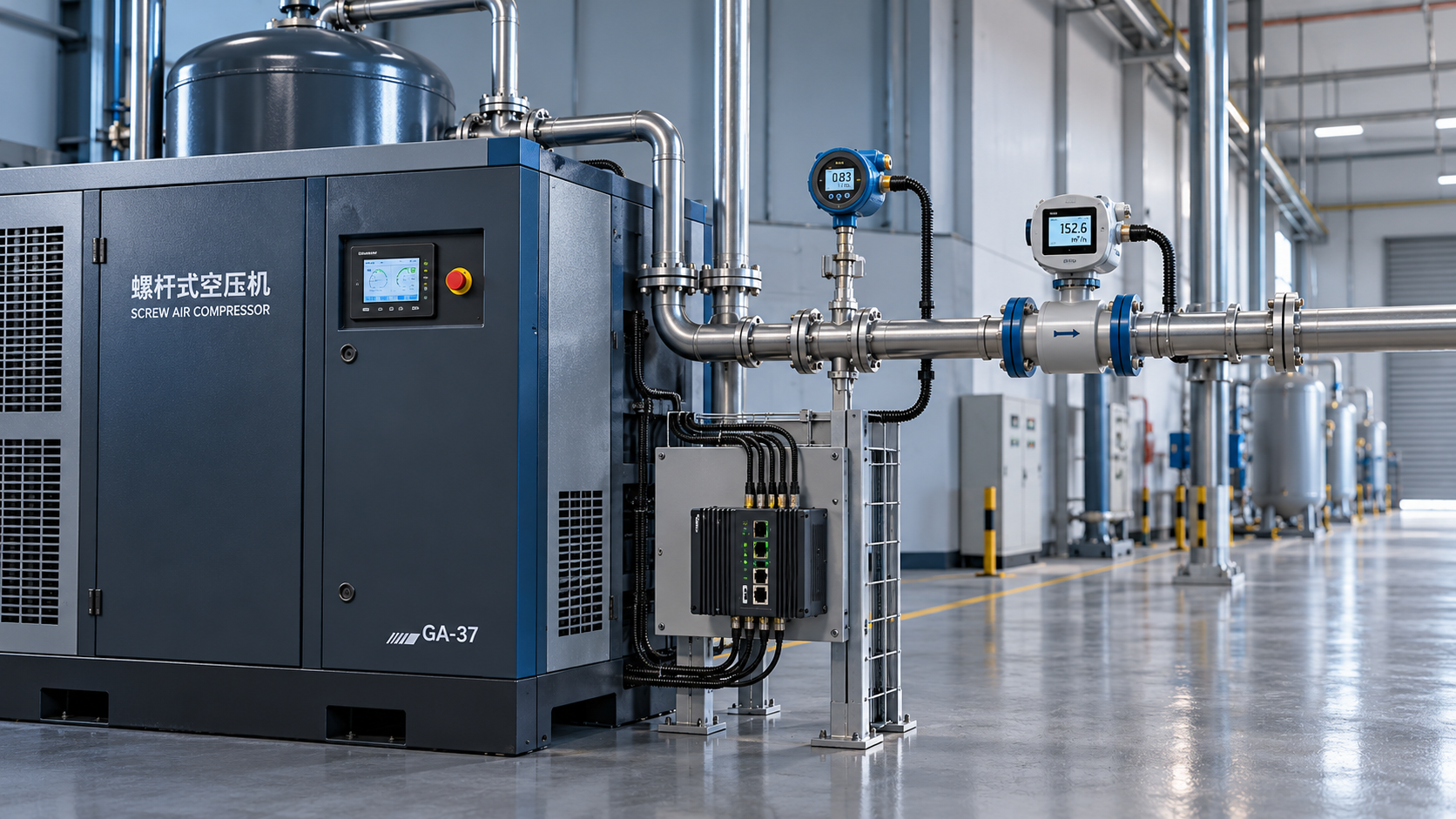
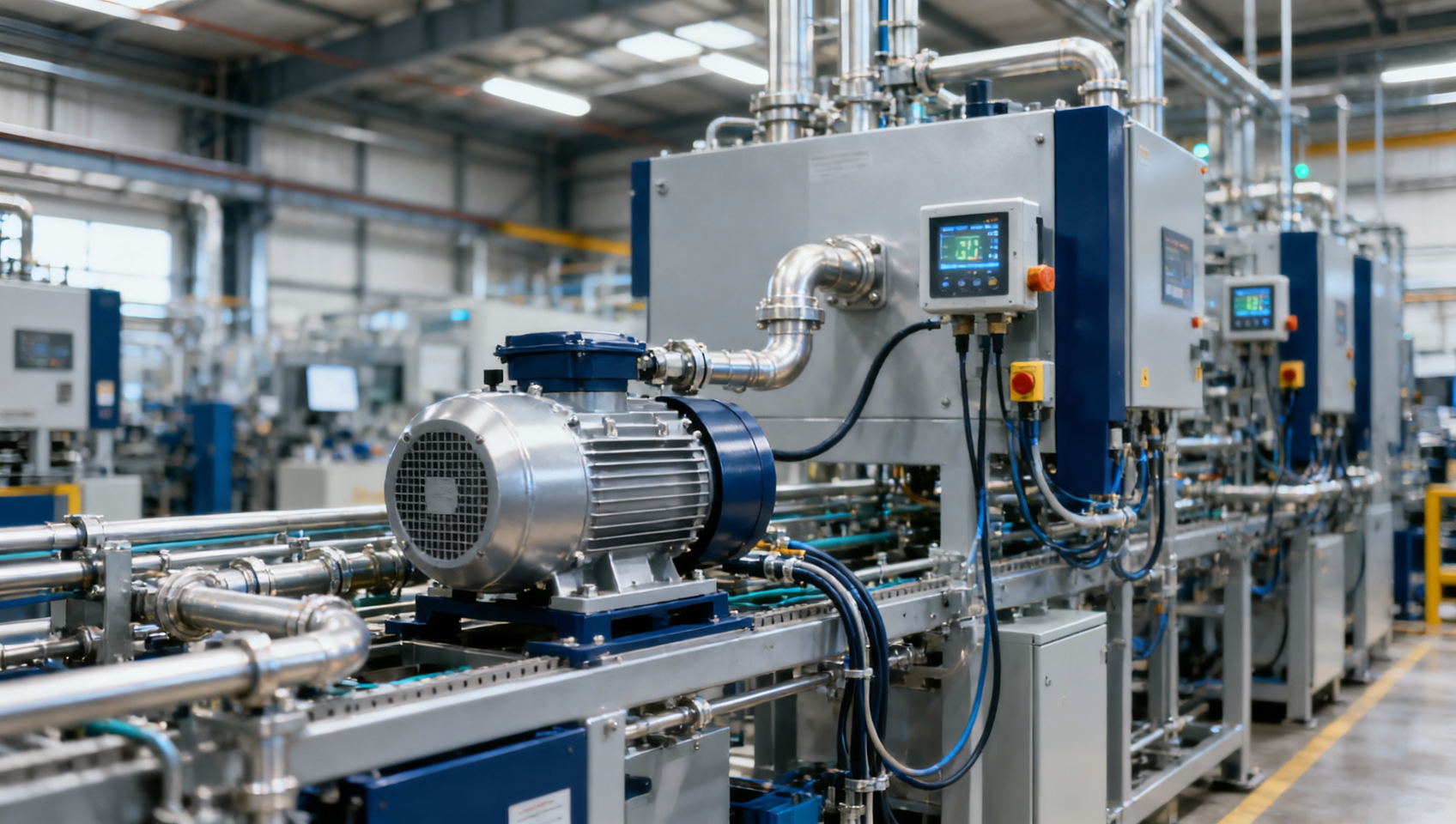
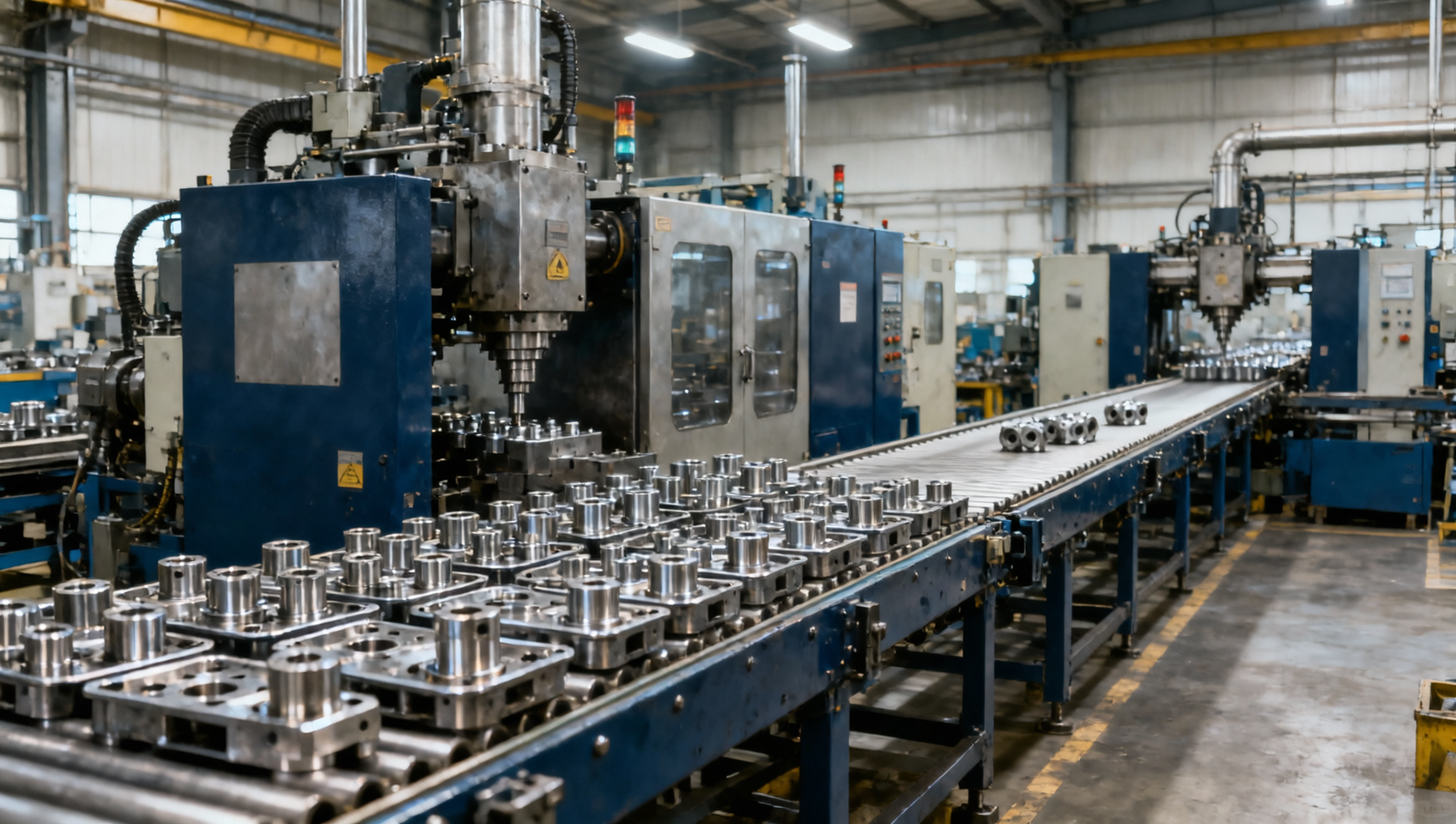
[Image 01: IoTsensors deployed across motors, pumps, conveyors, and process lines in a smart factory]
- Vibration IoTsensors are often the first pick for rotating assets. They catch imbalance, misalignment, looseness, and bearing wear before failure affects output or maintenance schedules.
- Temperature IoTsensors work well for motors, ovens, cabinets, pumps, and electronics. They reveal overheating, friction growth, airflow issues, and unstable process conditions early enough to act.
- Pressure IoTsensors fit compressed air, hydraulics, fluid transfer, and filtration systems. They help detect leaks, blockages, pump strain, and process drift that slowly erodes performance.
- Flow IoTsensors support cooling circuits, chemical dosing, water treatment, and gas distribution. They are especially useful where throughput and quality depend on stable media delivery.
- Current and power IoTsensors are practical when direct machine access is limited. They show abnormal load, idle losses, startup stress, and hidden energy waste without major mechanical changes.
- Humidity and environmental IoTsensors matter more than many teams expect. They protect electronics, coatings, packaging, medical components, and sensitive materials from gradual quality problems.
Why this first pass matters
Early sensor choices shape data architecture, maintenance workload, and return on investment. If the first layer is wrong, adding analytics later will not fix weak signal quality.
That is why many global industrial teams now compare not only specifications, but also deployment fit, supplier reliability, calibration support, and integration pathways. This is also where specialized B2B intelligence platforms add value by making technologies easier to assess in a commercial context.
Match IoTsensors to predictive maintenance, not just machine categories
A common mistake is selecting IoTsensors by equipment label alone. A better method is to ask what kind of failure is most expensive, most frequent, or hardest to detect.
- For motors and gearboxes, combine vibration and temperature IoTsensors. That pairing helps separate normal load changes from developing faults and reduces misleading single-point alerts.
- For pumps and compressors, use pressure, vibration, and power IoTsensors together. This combination reveals cavitation, seal wear, airflow restriction, and inefficient operating behavior faster.
- For conveyors and material handling, current, speed, and proximity IoTsensors usually work best. They show jams, slippage, stop-start stress, and abnormal cycle timing with minimal intrusion.
- For thermal systems, prioritize temperature and flow IoTsensors. They make it easier to catch uneven heating, cooling loss, fouling, or circulation issues before quality suffers.
- For filters and fluid lines, differential pressure IoTsensors provide strong maintenance value. They support service timing based on actual condition instead of fixed, wasteful intervals.
In practice, two or three good signals beat ten weak ones. More data is not better if the data does not help maintenance teams make a clear decision.
One useful rule
If a failure develops mechanically, start with vibration. If it develops thermally, start with temperature. If it affects media movement, start with pressure or flow. Then add one confirming signal.
Use different IoTsensors for process monitoring than for asset protection
Predictive maintenance and process monitoring overlap, but they are not identical. One protects equipment health. The other protects consistency, throughput, and quality.
On an electronics line, machine vibration may matter less than humidity, temperature, and particle-sensitive conditions. In a coating process, pressure stability and flow accuracy may matter more than motor heat.
This distinction becomes important in regulated or export-driven sectors. Healthcare technology production, clean electronics, and energy system manufacturing often need monitoring that proves control, not just equipment health.
Look at deployment conditions before finalizing IoTsensors
Sensor performance on paper is only half the story. Dust, washdown, vibration intensity, cable routing, wireless interference, and maintenance access can completely change what works.
- Choose industrial-grade IoTsensors with protection ratings that match the site. Heat, moisture, chemicals, and metal-heavy environments can quickly shorten sensor life or distort readings.
- Check sampling rate before buying vibration IoTsensors. Low-frequency devices may look affordable, but they can miss useful fault signatures in high-speed equipment.
- Review mounting method early. Poor mounting often causes more trouble than poor analytics, especially for vibration and temperature IoTsensors on rotating machinery.
- Plan connectivity around plant reality. Wireless IoTsensors reduce installation work, but battery strategy, signal stability, and cybersecurity still need practical ownership.
- Confirm calibration and replacement workflow from the start. A sensor network becomes expensive fast if field servicing interrupts production or requires scarce specialist support.
A scenario that comes up often
A packaging line may look like a straightforward predictive maintenance case. Then the team discovers the real losses come from humidity-related material variation, not motor failure.
That changes the sensor mix completely. The best result may come from pairing environmental IoTsensors with a few targeted machine-health points rather than blanketing every asset with the same setup.
Do not ignore data context, supplier quality, and scaling risk
This is where many automation projects lose momentum. The sensor itself works, but the surrounding decisions were never made clearly enough.
Alarm thresholds copied from another site may not fit local loads. Supplier documents may look complete but hide integration limits. Data may arrive, but naming, ownership, and action paths remain vague.
- Avoid deploying IoTsensors without failure history or baseline data. Even a short reference period improves threshold accuracy and makes alerts more meaningful from day one.
- Check supplier support beyond hardware cost. Integration documents, firmware stability, protocol compatibility, and local service responsiveness often matter more over project life.
- Define who acts on each sensor output. If no response owner exists, even the best IoTsensors become passive dashboards instead of operational tools.
- Test scalability early across lines or sites. A pilot that works in one plant may fail elsewhere because network policies, environmental conditions, or equipment standards differ.
This is also why structured market intelligence matters. Platforms such as TradeNexus Pro help compare technologies, supplier positioning, and sector adoption patterns with more depth than broad listings usually provide.
For cross-border sourcing or multi-site expansion, that clarity helps reduce a common risk: buying IoTsensors that meet a catalog specification but do not support long-term industrial use.
A practical way to decide what fits best
If the goal is action, not just installation, keep the selection process simple and disciplined.
- List the top three operational losses first. Then assign IoTsensors to those losses, not to every available machine or line component.
- Pick one primary signal and one confirming signal for each critical asset. This keeps data cleaner and makes maintenance decisions easier to trust.
- Run a short pilot with clear success metrics. Measure downtime reduction, false alarms, maintenance response speed, and process stability before scaling.
- Review supplier credibility alongside technical fit. Sector knowledge, documented use cases, and stable support capability reduce implementation risk significantly.
- Build expansion rules from the pilot. Standard naming, dashboards, alarm logic, and maintenance routines make future IoTsensors rollout much faster.
The best IoTsensors for factory automation are the ones that fit failure behavior, process sensitivity, and plant conditions at the same time.
For predictive maintenance, vibration, temperature, pressure, current, and flow often provide the strongest starting point. For process monitoring, environmental stability, media control, and traceable operating conditions may matter even more.
When the selection process is tied to real operating losses, supplier reliability, and scalable deployment logic, IoTsensors move from simple connected devices to decision tools.
The next step is straightforward: define the failure or process risk that costs the most, choose the smallest useful sensor set, and validate it in the real production environment before expanding further.
Get weekly intelligence in your inbox.
No noise. No sponsored content. Pure intelligence.
 Oct 24, 2026Tesla Q3 2026 Storage Deployments Rank Second Highest as Revenue Falls 16%Tesla Q3 2026 Storage Deployments Rank Second Highest as Revenue Falls 16%
 Oct 24, 2026Freight Forwarding Services Pricing: Comparing Quotes Beyond Base RatesFreight Forwarding Services Pricing: Comparing Quotes Beyond Base Rates
 Oct 23, 2026IndexBox Issues Off-Grid Solar Outlook to 2035, Forecasting 8.2% CAGRIndexBox Issues Off-Grid Solar Outlook to 2035, Forecasting 8.2% CAGR
 Oct 23, 2026NSF/ANSI 49 Biosafety Cabinets: Product Certification vs. Field TestingNSF/ANSI 49 Biosafety Cabinets: Product Certification vs. Field Testing
 Oct 22, 2026Mitsubishi Electric Develops Industry-First Humanoid Robot–CNC Machining SystemMitsubishi Electric Develops Industry-First Humanoid Robot–CNC Machining System
 Oct 22, 2026Aerospace Aluminum Machining: How to Control Distortion in Thin-Wall PartsAerospace Aluminum Machining: How to Control Distortion in Thin-Wall Parts
 Oct 21, 2026Genesis Energy commissions 200 MWh battery storage system at HuntlyGenesis Energy commissions 200 MWh battery storage system at Huntly
 Oct 21, 2026Buying AMI Smart Meters Wholesale: Compatibility Checks and Total CostsBuying AMI Smart Meters Wholesale: Compatibility Checks and Total Costs
 Oct 20, 2026Werner Enterprises Issues Q3 Earnings Warning as Costs RiseWerner Enterprises Issues Q3 Earnings Warning as Costs Rise
 Oct 20, 2026Are Digital Twins Viable for SMEs? Costs, Use Cases, and Data RequirementsAre Digital Twins Viable for SMEs? Costs, Use Cases, and Data Requirements
 Oct 19, 2026Choosing a Wholesale Servo Motor Exporter: Traceability and Warranty ChecksChoosing a Wholesale Servo Motor Exporter: Traceability and Warranty Checks
 Oct 18, 2026Syringe Manufacturing Equipment: Evaluating Throughput and Assembly AccuracySyringe Manufacturing Equipment: Evaluating Throughput and Assembly Accuracy
 Oct 17, 2026Air Freight Forwarding Services: How to Compare Quotes for Urgent ShipmentsAir Freight Forwarding Services: How to Compare Quotes for Urgent Shipments
 Oct 16, 2026Wholesale Solar Panels: How to Compare Bulk Quotes by Total Landed CostWholesale Solar Panels: How to Compare Bulk Quotes by Total Landed Cost
 Oct 15, 2026Supply Chain Intelligence for Sourcing: How to Vet New SuppliersSupply Chain Intelligence for Sourcing: How to Vet New Suppliers
 Oct 14, 2026How energy costs shape smart manufacturing investment in EuropeHow energy costs shape smart manufacturing investment in Europe
 Oct 14, 2026How skills shortages slow smart manufacturing in Southeast AsiaHow skills shortages slow smart manufacturing in Southeast Asia
 Oct 14, 2026How CNC wire-cut machining maintains tight tolerances in thick partsHow CNC wire-cut machining maintains tight tolerances in thick parts
 Oct 14, 2026Can automated feeding stabilize metal forming in smart factories?Can automated feeding stabilize metal forming in smart factories?
 Oct 14, 2026Can CT inspection detect internal defects in metal additive parts?Can CT inspection detect internal defects in metal additive parts?
 Oct 14, 2026When does additive manufacturing reduce lead time for spare parts?When does additive manufacturing reduce lead time for spare parts?
 Oct 14, 2026How production volume affects ROI on an automated painting lineHow production volume affects ROI on an automated painting line
 Oct 14, 2026What data does manufacturing bottleneck analysis consulting need?What data does manufacturing bottleneck analysis consulting need?
 Oct 14, 2026When should you hire a consultant for manufacturing bottlenecks?When should you hire a consultant for manufacturing bottlenecks?
 Oct 14, 2026What Are Electronics Exporters' Top Supply Chain Resilience Gaps in 2026?What Are Electronics Exporters' Top Supply Chain Resilience Gaps in 2026?
 Oct 14, 2026How Do You Measure AI Adoption Maturity in a Traditional Factory?How Do You Measure AI Adoption Maturity in a Traditional Factory?
 Oct 14, 2026Are Chinese AI-Assisted Surgical Devices Gaining Global Trust?Are Chinese AI-Assisted Surgical Devices Gaining Global Trust?