Laser Welding Machines Explained: Power, Speed, and Material Fit for Production Lines
Laser welding machines are moving from niche equipment to core production assets. The reason is simple: they combine tight energy control, fast cycle times, and cleaner weld quality than many traditional joining methods.
For technical evaluation, the real question is not whether laser welding machines look advanced. It is whether power, speed, beam control, and material fit actually match line requirements, quality targets, and downstream cost control.
That matters across advanced manufacturing, green energy, smart electronics, healthcare technology, and even supply chain planning, where process stability increasingly affects sourcing decisions, traceability, and supplier qualification.
TradeNexus Pro follows these shifts closely because equipment selection is no longer just a factory-floor topic. It now influences supplier credibility, automation readiness, and cross-border competitiveness in sectors where precision and repeatability drive business value.
What laser welding machines really need to deliver on a production line
Before comparing models, it helps to focus on a few practical checkpoints. These points usually reveal whether laser welding machines are truly suitable for continuous production or only attractive on paper.
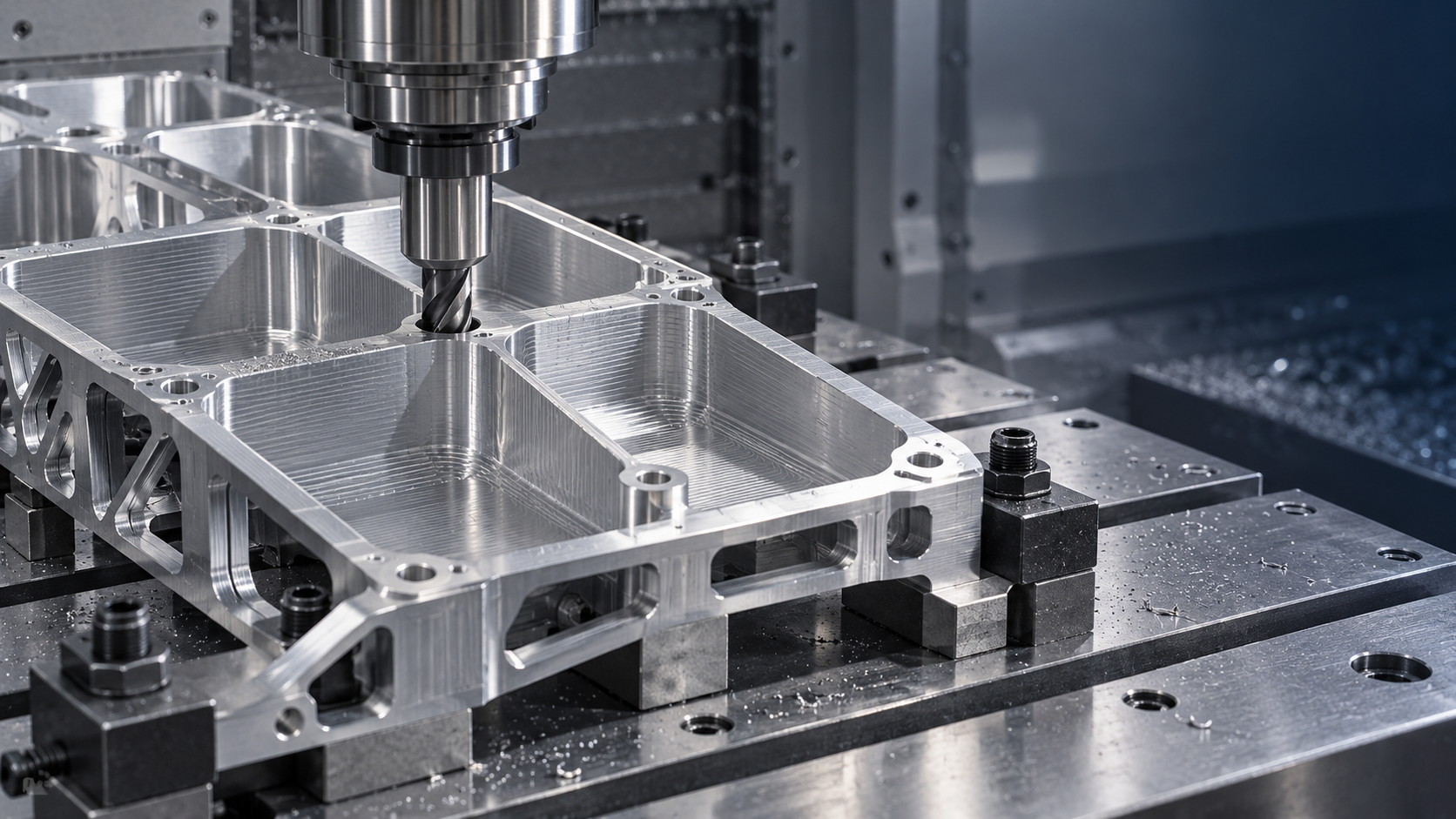
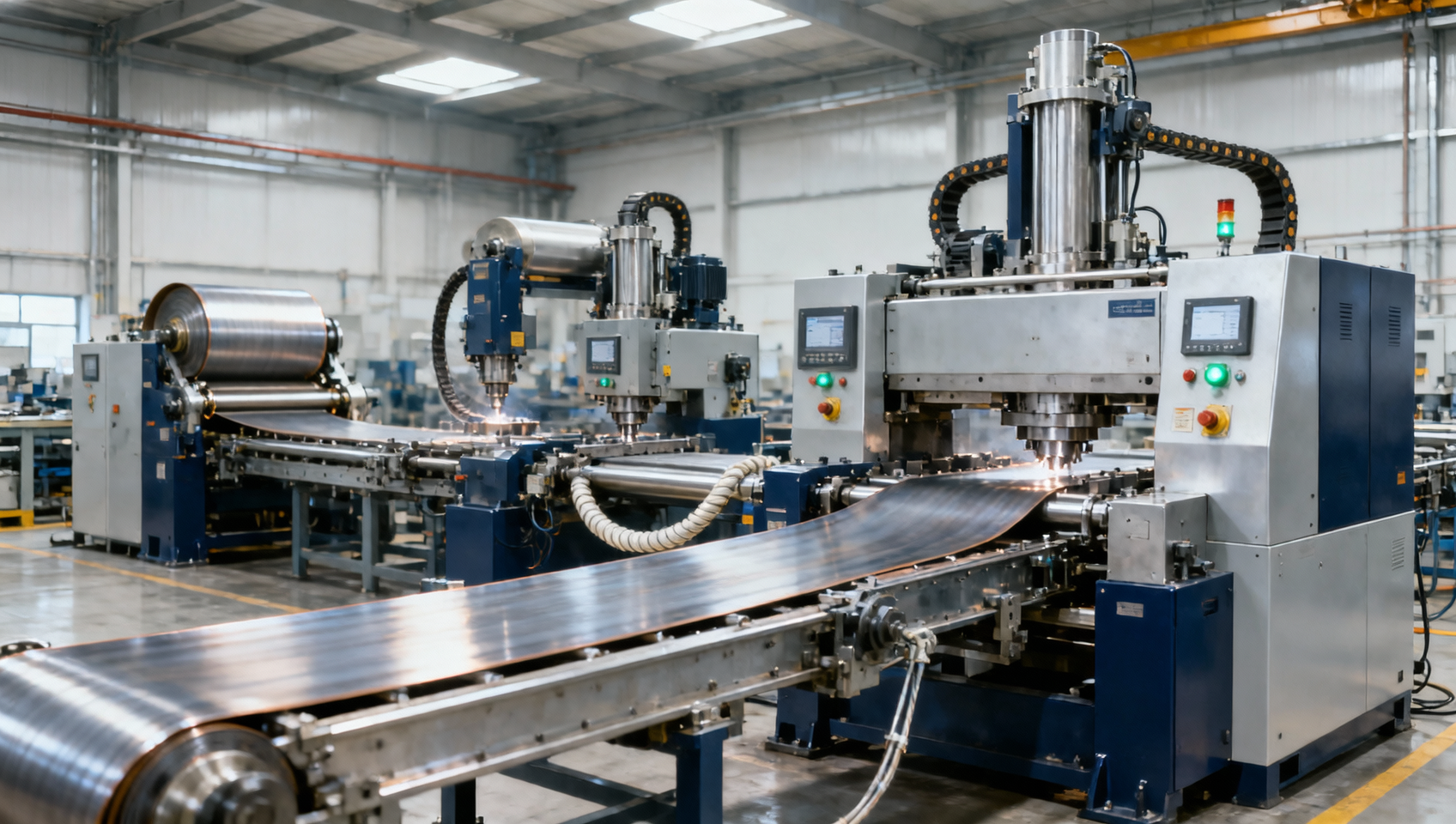
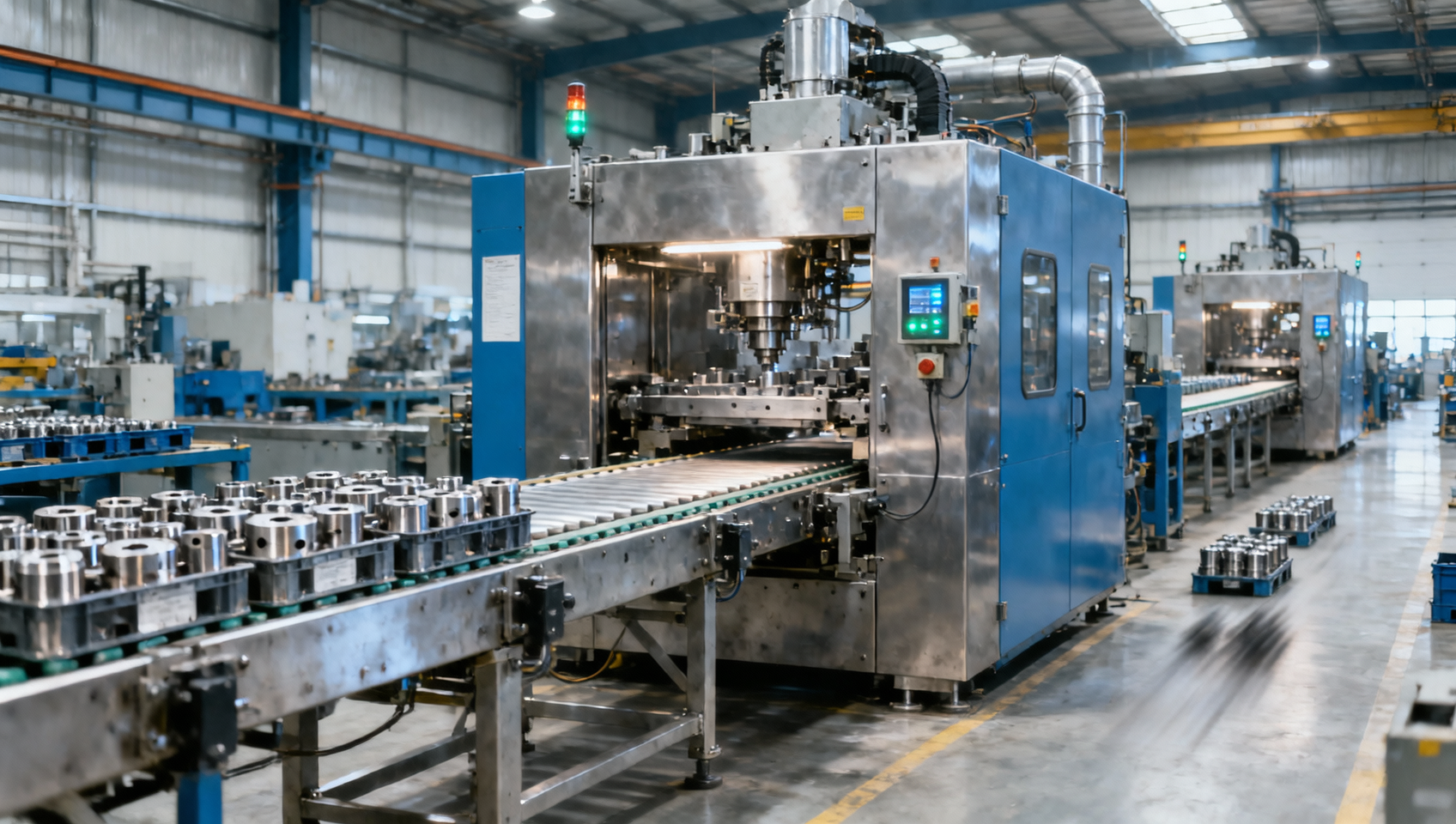
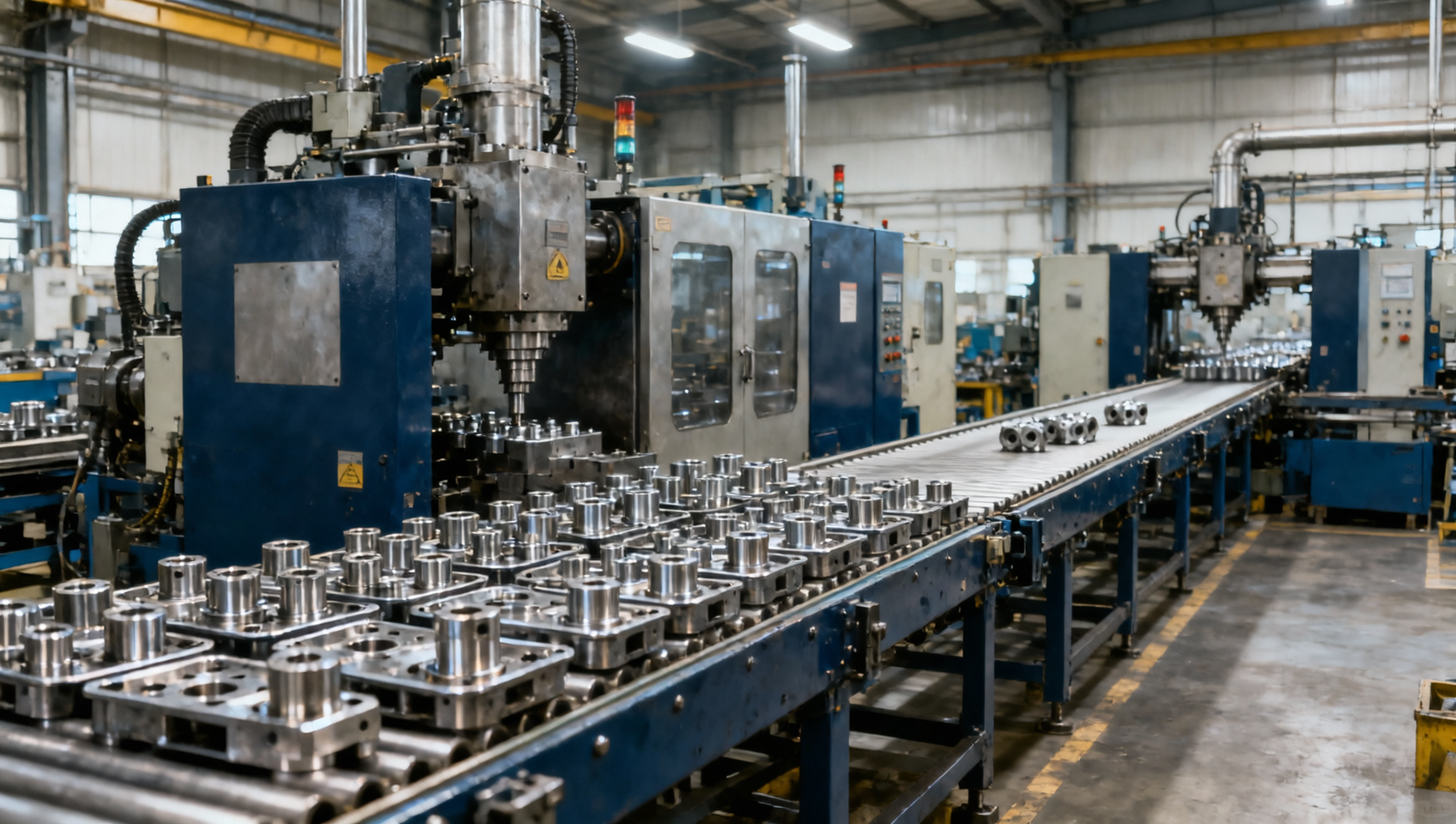
[Image 01: Laser welding machine integration on an automated production line]
- Start with joint geometry, part thickness, and tolerance stack-up. Many laser welding machines perform well in demos but struggle when real fixtures allow gaps, edge variation, or inconsistent part positioning.
- Match laser power to actual penetration needs, not brochure maximums. Oversized systems can increase capital cost, heat input, splash risk, and operating complexity without improving useful weld performance.
- Check welding speed together with quality stability. A fast travel rate only matters when fusion depth, bead consistency, porosity control, and rework rates remain acceptable across full shifts.
- Review automation compatibility early. The best laser welding machines should communicate smoothly with robots, vision systems, MES platforms, and in-line inspection tools already used on site.
- Validate maintenance reality, not only uptime claims. Lens contamination, cooling demands, nozzle wear, and operator setup discipline often determine whether output stays stable after installation.
- Request process data from comparable materials and part designs. Reliable suppliers should show parameter windows, defect rates, and cycle-time evidence rather than general statements about flexibility.
Power range: why more is not always better
Power is usually the first specification people notice. It is important, but it only becomes meaningful when tied to absorptivity, seam type, fit-up condition, and required penetration depth.
Low-to-mid power laser welding machines often suit thin-gauge stainless steel, battery tabs, sensors, housings, and electronic assemblies. High-power systems fit thicker materials, deeper welds, or higher line speeds, but they also tighten process control demands.
A simple way to assess usable power
- Define target penetration, seam width, and cosmetic finish first. This narrows the effective power window faster than starting with generic machine categories or supplier marketing labels.
- Compare continuous wave and pulsed output behavior for the exact application. Some materials need heat control more than raw energy, especially where distortion or discoloration is sensitive.
- Check whether reflectivity changes during welding. Aluminum and copper can behave very differently from steel, so the practical power requirement may shift as the weld pool forms.
One common mistake is selecting based on future expansion alone. Some reserve capacity is smart. Too much reserve can make process tuning harder and ROI weaker, especially for narrow part families.
Speed depends on the whole process, not only the beam
Laser welding machines are often sold on speed. That sounds great, but production speed is always a system result. Part loading, clamping, seam tracking, cooling pauses, inspection, and rework can erase theoretical gains.
In automated lines, real throughput comes from stable repetition. A slightly slower weld that avoids stoppages, burn-through, or post-process cleanup may deliver better output per shift.
This is where better technical documentation adds value. Platforms such as TradeNexus Pro help connect machine claims with industry context, making it easier to compare process capability, application fit, and supplier transparency across markets.
Material fit is often the deciding factor
Not all materials respond equally to laser energy. Laser welding machines may look versatile, but their real performance depends heavily on reflectivity, thermal conductivity, surface condition, coating, and contamination.
Steel and stainless steel
These are usually the easiest materials for laser welding machines to handle. Process windows are often wider, weld appearance is easier to control, and automation is relatively straightforward when fit-up is consistent.
Even so, surface oils, zinc coatings, or inconsistent edge prep can still create porosity and spatter. Stable prep standards matter as much as beam quality.
Aluminum
Aluminum brings speed advantages, but also higher reflectivity and thermal conductivity. That means laser welding machines may need tighter parameter control, cleaner surfaces, and more careful fixture design.
This is especially relevant in green energy and lightweight industrial applications, where battery enclosures, structural frames, and thermal management parts all demand repeatable weld quality.
Copper and copper alloys
Copper is one of the most demanding cases. It reflects energy strongly and removes heat quickly. That combination can narrow the acceptable process window for laser welding machines.
In smart electronics and electrification systems, that makes real-world trials essential. Beam stability, wavelength choice, and monitoring feedback become more important than headline speed.
What to check before approving a system
A strong evaluation process saves time later. The best laser welding machines are not simply powerful or fast. They are predictable inside the exact production environment where they must run.
- Ask for sample welding on production parts, not ideal coupons. Real components expose alignment limits, coating effects, edge gaps, and heat behavior that lab samples often hide.
- Review destructive and non-destructive test methods together. Cross-sections, pull tests, leak tests, and visual standards should match the final product’s actual acceptance risk.
- Confirm fixture repeatability and seam access early. Many laser welding machines fail productivity targets because tooling, not the source itself, cannot maintain stable positioning.
- Check process monitoring options such as vision, pyrometry, back-reflection sensing, or weld trace logging. These tools improve control, especially in regulated or high-precision sectors.
- Map operating cost beyond electricity. Shielding gas, optics replacement, cooling, maintenance labor, and scrap reduction should all be included in the comparison model.
- Evaluate supplier documentation quality. Clear parameter guidance, fault logic, training structure, and response support often matter more than small differences in nominal specifications.
Where application context changes the answer
In advanced manufacturing, laser welding machines are often judged by takt time and integration fit. Robot path stability, part presentation, and inspection feedback usually matter as much as weld penetration.
In green energy, material mix and traceability become more critical. Battery-related parts, busbars, and lightweight assemblies often require narrow thermal control and stronger data capture for quality records.
In smart electronics, the tolerance margin is smaller. Fine features, thin sections, and heat-sensitive components mean laser welding machines must balance micron-level precision with low distortion.
In healthcare technology, validation discipline is harder. Process repeatability, documentation depth, and cleanliness expectations may outweigh raw speed, especially when welded assemblies face strict compliance review.
This wider industry view is exactly why technical selection now overlaps with market intelligence. TradeNexus Pro supports that decision process by connecting sector trends, supplier positioning, and technology context in one place.
Common oversights that raise long-term cost
A system can pass trials and still disappoint later. Usually, the problem comes from overlooked details around upstream variation, operator discipline, or maintenance planning rather than the core laser source.
- Ignoring part cleanliness standards can turn stable laser welding machines into inconsistent ones. Small changes in oil, oxide, or residue levels often create defect patterns that seem random.
- Underestimating training needs creates avoidable downtime. Parameter changes, optics care, and alarm handling require repeatable work instructions, not informal handover between shifts.
- Treating process monitoring as optional can be expensive. As speeds rise, defects appear faster, and without feedback tools they may spread through large batches before detection.
- Focusing only on machine price hides the full business case. Scrap, rework, line stoppage, and validation effort often outweigh small differences in initial equipment cost.
How to move from comparison to decision
If the goal is a smart choice, keep the process simple. Define the material set, target throughput, weld standard, automation interface, and acceptable operating cost first. Then test laser welding machines against that frame.
It also helps to compare suppliers through both technical evidence and market credibility. A strong partner should provide process transparency, sector experience, and documentation that stands up in global evaluation environments.
That is where a specialized intelligence platform becomes useful. TradeNexus Pro, through chinaspecialmetal.com, helps connect technology assessment with broader industry signals, making laser welding machines easier to evaluate in real commercial context.
In practice, the best laser welding machines are the ones that keep quality stable, fit the material honestly, and support reliable output day after day. That is the standard worth using for the next evaluation step.
Get weekly intelligence in your inbox.
No noise. No sponsored content. Pure intelligence.
 Oct 24, 2026Tesla Q3 2026 Storage Deployments Rank Second Highest as Revenue Falls 16%Tesla Q3 2026 Storage Deployments Rank Second Highest as Revenue Falls 16%
 Oct 24, 2026Freight Forwarding Services Pricing: Comparing Quotes Beyond Base RatesFreight Forwarding Services Pricing: Comparing Quotes Beyond Base Rates
 Oct 23, 2026IndexBox Issues Off-Grid Solar Outlook to 2035, Forecasting 8.2% CAGRIndexBox Issues Off-Grid Solar Outlook to 2035, Forecasting 8.2% CAGR
 Oct 23, 2026NSF/ANSI 49 Biosafety Cabinets: Product Certification vs. Field TestingNSF/ANSI 49 Biosafety Cabinets: Product Certification vs. Field Testing
 Oct 22, 2026Mitsubishi Electric Develops Industry-First Humanoid Robot–CNC Machining SystemMitsubishi Electric Develops Industry-First Humanoid Robot–CNC Machining System
 Oct 22, 2026Aerospace Aluminum Machining: How to Control Distortion in Thin-Wall PartsAerospace Aluminum Machining: How to Control Distortion in Thin-Wall Parts
 Oct 21, 2026Genesis Energy commissions 200 MWh battery storage system at HuntlyGenesis Energy commissions 200 MWh battery storage system at Huntly
 Oct 21, 2026Buying AMI Smart Meters Wholesale: Compatibility Checks and Total CostsBuying AMI Smart Meters Wholesale: Compatibility Checks and Total Costs
 Oct 20, 2026Werner Enterprises Issues Q3 Earnings Warning as Costs RiseWerner Enterprises Issues Q3 Earnings Warning as Costs Rise
 Oct 20, 2026Are Digital Twins Viable for SMEs? Costs, Use Cases, and Data RequirementsAre Digital Twins Viable for SMEs? Costs, Use Cases, and Data Requirements
 Oct 19, 2026Choosing a Wholesale Servo Motor Exporter: Traceability and Warranty ChecksChoosing a Wholesale Servo Motor Exporter: Traceability and Warranty Checks
 Oct 18, 2026Syringe Manufacturing Equipment: Evaluating Throughput and Assembly AccuracySyringe Manufacturing Equipment: Evaluating Throughput and Assembly Accuracy
 Oct 17, 2026Air Freight Forwarding Services: How to Compare Quotes for Urgent ShipmentsAir Freight Forwarding Services: How to Compare Quotes for Urgent Shipments
 Oct 16, 2026Wholesale Solar Panels: How to Compare Bulk Quotes by Total Landed CostWholesale Solar Panels: How to Compare Bulk Quotes by Total Landed Cost
 Oct 15, 2026Supply Chain Intelligence for Sourcing: How to Vet New SuppliersSupply Chain Intelligence for Sourcing: How to Vet New Suppliers
 Oct 14, 2026How energy costs shape smart manufacturing investment in EuropeHow energy costs shape smart manufacturing investment in Europe
 Oct 14, 2026How skills shortages slow smart manufacturing in Southeast AsiaHow skills shortages slow smart manufacturing in Southeast Asia
 Oct 14, 2026How CNC wire-cut machining maintains tight tolerances in thick partsHow CNC wire-cut machining maintains tight tolerances in thick parts
 Oct 14, 2026Can automated feeding stabilize metal forming in smart factories?Can automated feeding stabilize metal forming in smart factories?
 Oct 14, 2026Can CT inspection detect internal defects in metal additive parts?Can CT inspection detect internal defects in metal additive parts?
 Oct 14, 2026When does additive manufacturing reduce lead time for spare parts?When does additive manufacturing reduce lead time for spare parts?
 Oct 14, 2026How production volume affects ROI on an automated painting lineHow production volume affects ROI on an automated painting line
 Oct 14, 2026What data does manufacturing bottleneck analysis consulting need?What data does manufacturing bottleneck analysis consulting need?
 Oct 14, 2026When should you hire a consultant for manufacturing bottlenecks?When should you hire a consultant for manufacturing bottlenecks?
 Oct 14, 2026What Are Electronics Exporters' Top Supply Chain Resilience Gaps in 2026?What Are Electronics Exporters' Top Supply Chain Resilience Gaps in 2026?
 Oct 14, 2026How Do You Measure AI Adoption Maturity in a Traditional Factory?How Do You Measure AI Adoption Maturity in a Traditional Factory?
 Oct 14, 2026Are Chinese AI-Assisted Surgical Devices Gaining Global Trust?Are Chinese AI-Assisted Surgical Devices Gaining Global Trust?