How to Source Die Casting Parts for Industrial Machinery: Quality Checks, Lead Times, and MOQ
Sourcing die casting parts for industrial machinery is not just about getting the lowest quote. A cheap unit price can quickly turn expensive when defects, tooling delays, or unstable deliveries start affecting production.
A better approach is to compare suppliers through a few practical filters: process control, machining accuracy, tooling readiness, MOQ flexibility, and lead-time reliability. When these basics are checked early, total landed cost usually looks much healthier.
That matters across advanced manufacturing, smart electronics equipment, healthcare systems, green energy assemblies, and supply chain automation hardware. In all of these areas, industrial components need repeatability, not just availability.
TradeNexus Pro, through chinaspecialmetal.com, follows these decision points closely because supplier selection today depends on more than a catalog page. Buyers need clear signals on quality, capacity, credibility, and market fit before committing.
Start with part fit, process match, and tooling reality
Before requesting quotes for die casting parts for industrial machinery, confirm whether the part truly suits die casting. Some designs look simple on paper but become risky when wall thickness, undercuts, porosity limits, or secondary machining are considered.
This first step saves time. It also prevents suppliers from pricing different assumptions, which is one of the most common reasons quotes vary so widely.
A quick technical review should cover alloy choice, tolerances, pressure-tightness needs, cosmetic expectations, and post-casting operations. If those are vague, lead times and MOQ discussions usually become messy later.
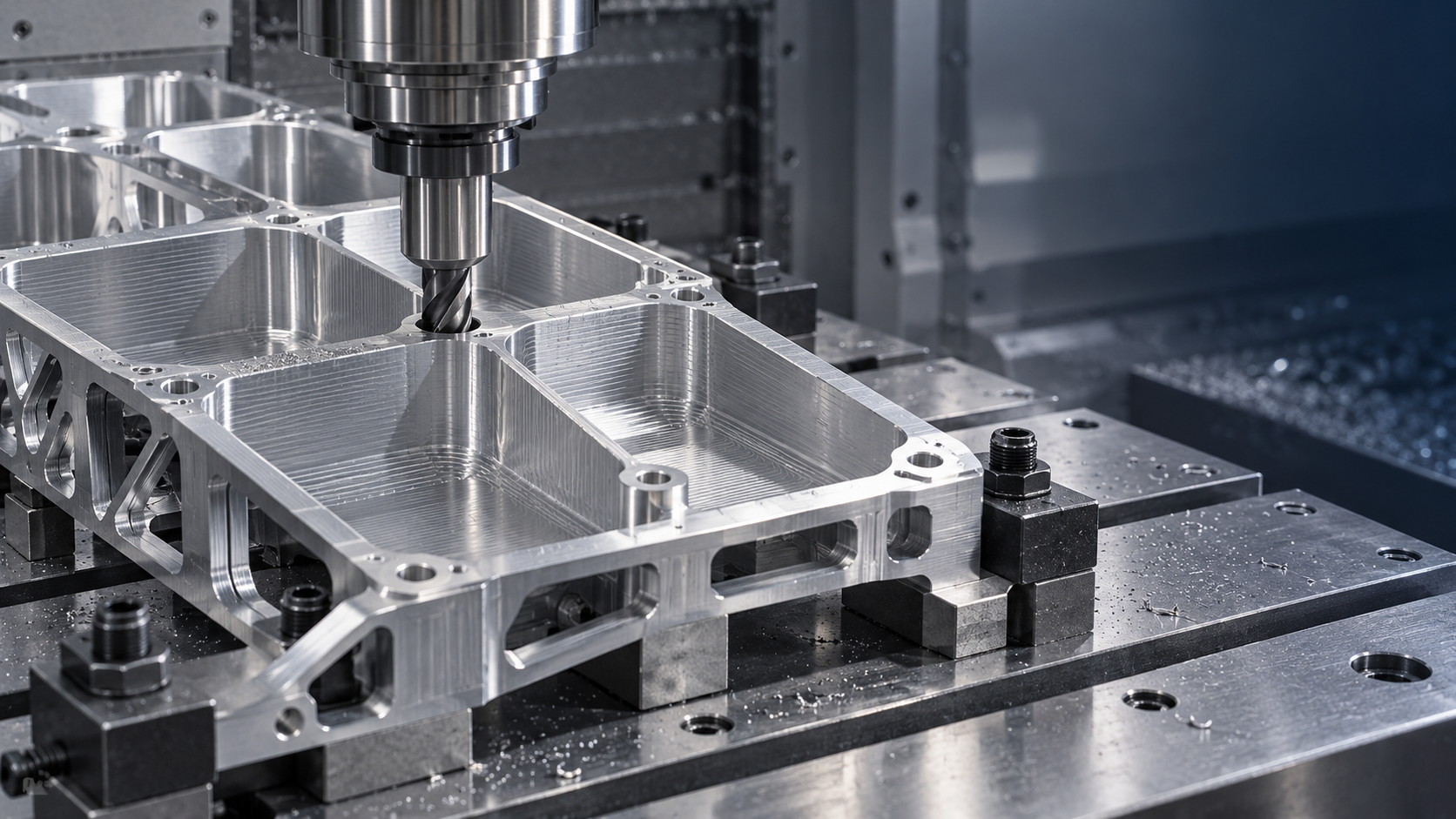
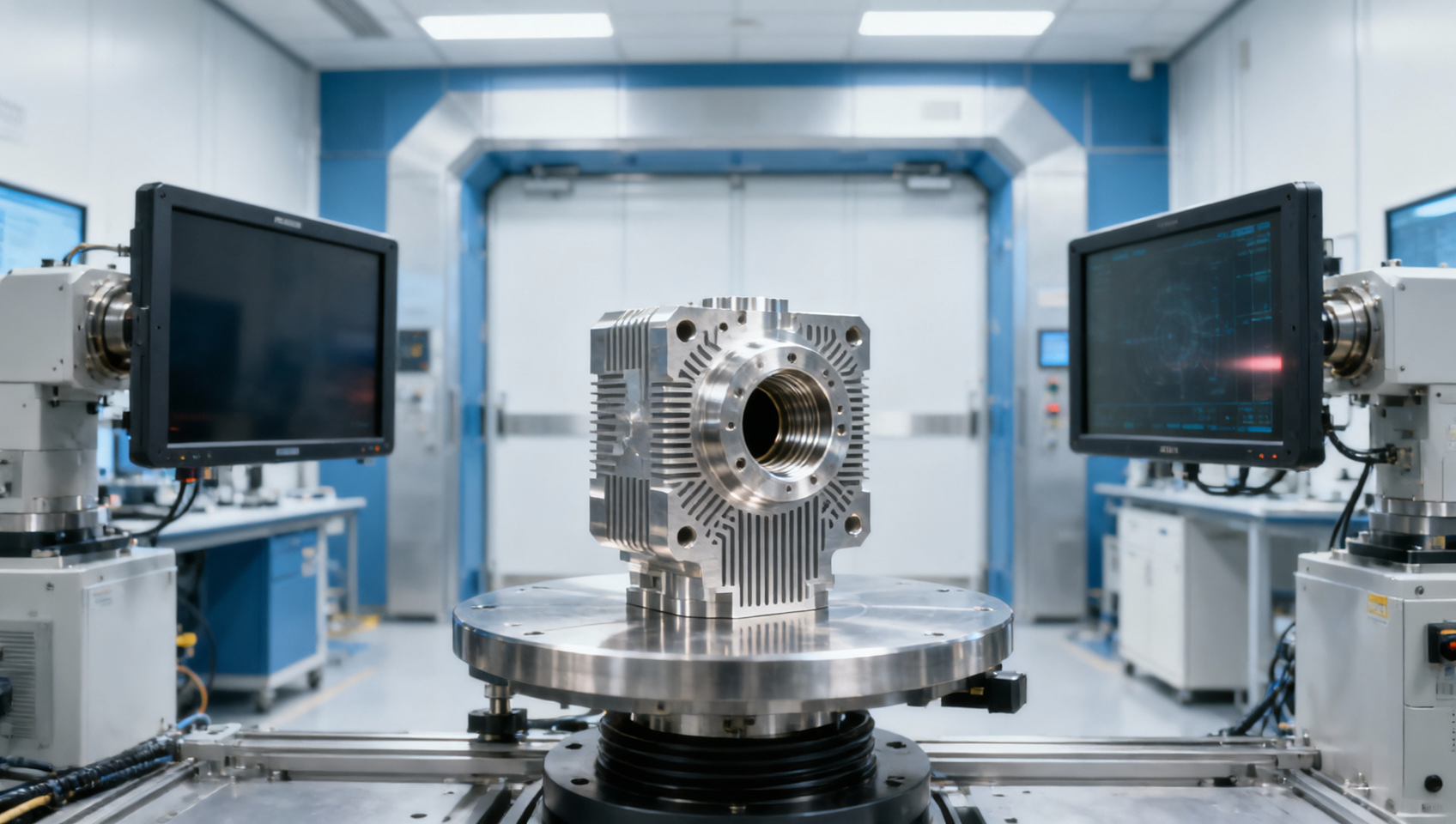
[Image 01: Engineering review of die casting parts for industrial machinery, including drawing checks, tooling discussion, and quality planning]
- Check whether the part is suitable for aluminum, zinc, or magnesium die casting, and confirm if strength, corrosion resistance, and dimensional stability match the machinery application.
- Ask for a DFM review before quoting. It should flag sharp corners, uneven wall thickness, trapped air zones, and areas likely to need extra machining.
- Verify tooling ownership, cavity count, expected mold life, and maintenance responsibility. Tooling terms affect both MOQ and future replacement cost more than many expect.
- Define which dimensions are critical and which are reference only. Without that split, suppliers may overbuild the part or under-control the wrong features.
Why this early check matters
For equipment frames, housings, brackets, pump bodies, and motor covers, small design choices influence yield rate. A part that needs leak resistance or fine-machined interfaces should never be quoted as a standard casting.
This is where decision-grade sourcing insight helps. Platforms such as TradeNexus Pro are useful because they frame supplier selection around technical and commercial reality, not just a list of names.
Quality checks that actually predict performance
When buying die casting parts for industrial machinery, quality control should be tied to failure risk. General statements like “100% inspected” sound reassuring, but they rarely explain what is measured, how often, and with which records.
A stronger supplier will show process discipline from raw material through trimming, machining, finishing, packing, and traceability. That is what reduces surprises after the first delivery.
- Request inspection plans covering incoming alloy verification, in-process dimensional checks, final appearance standards, and defect criteria for porosity, flash, warpage, and surface damage.
- Ask for PPAP-style documents or equivalent samples when the part is complex. First article data, control plans, and capability records reveal whether the process is repeatable.
- Confirm the inspection tools used for critical features, such as CMM, calipers, gauges, leak testing, or X-ray. The method should match the risk, not just the drawing note.
- Check traceability rules for batches, tooling revision, alloy lots, and machining operations. If a problem appears later, traceability is what keeps the issue contained.
Commonly missed quality risks
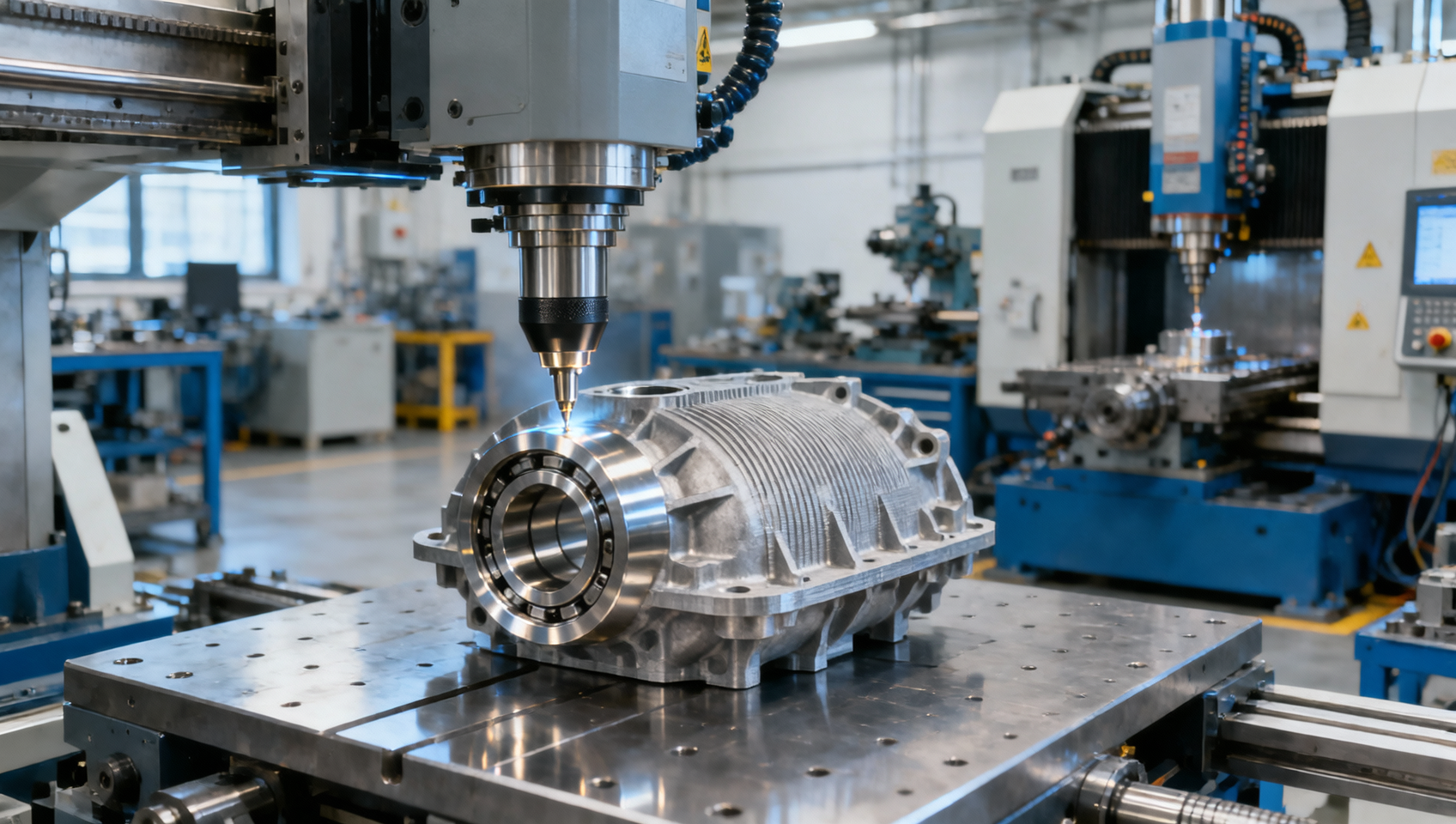
Secondary machining is often where hidden variation shows up. A casting may look acceptable, but poor fixture control can shift hole positions or sealing surfaces. That risk grows when different subcontractors handle machining and finishing.
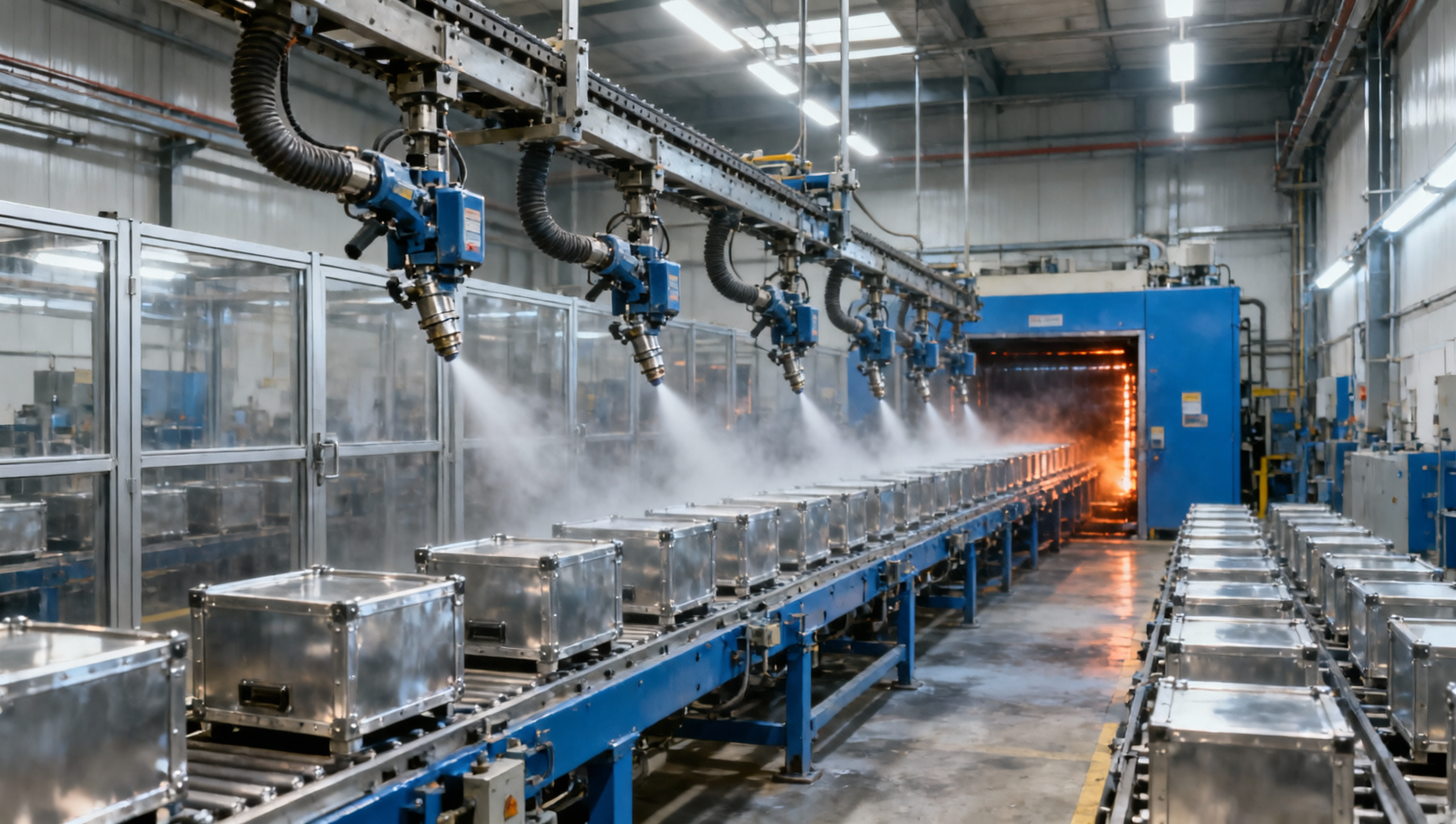
Surface treatment is another blind spot. Powder coating, anodizing, or plating can change tolerance stack-up, reveal porosity, or reduce thread quality if masking is not controlled properly.
Lead times: break them down before they break your schedule
Lead time for die casting parts for industrial machinery is rarely one number. It is usually a chain: DFM review, mold design, tooling build, sampling, corrections, production, machining, finishing, and shipping.
If one step is vague, the full schedule becomes unreliable. That is why a detailed timeline is more useful than a short promise.
- Separate development lead time from repeat-order lead time. Tooling and first sample approval can take weeks, while repeat production may move much faster.
- Ask what parts of production are in-house and what is outsourced. Outsourced machining, coating, or testing often causes the most unpredictable delay.
- Request a milestone schedule with dates for mold completion, T1 samples, corrections, final approval, and mass production start. Verbal estimates are not enough.
- Confirm buffer capacity for urgent orders. A supplier with no spare machine time may quote a good lead time but fail during seasonal demand spikes.
A practical sourcing situation
A motor housing for automated handling equipment may have a simple casting body but tight bearing seats after machining. In that case, casting output is not the bottleneck. Machining capacity is.
For a heat-dissipation enclosure in smart electronics equipment, coating and cosmetic checks may add more time than casting itself. The right supplier conversation changes depending on the part’s real constraint.
MOQ should support cost control, not create dead stock
MOQ discussions for die casting parts for industrial machinery are often misunderstood. A supplier may quote a low piece price but require order volumes that tie up cash, increase inventory, or lock in the wrong design too early.
The better question is not only “What is the MOQ?” but also “What cost driver is behind it?” That answer opens room for negotiation.
- Ask whether MOQ is driven by alloy melting economics, machine setup time, tooling amortization, finishing batches, or packaging constraints. Each cause has different flexibility.
- Discuss staged orders when launching a new part. A smaller first run with a reviewed reorder plan can reduce risk without forcing a full-volume commitment.
- Compare annual volume commitment against shipment lot size. Sometimes the supplier accepts lower monthly deliveries if annual demand looks stable enough.
- Check whether inventory can be held under a release schedule. This can balance production efficiency and working capital if the agreement is clearly documented.
Where MOQ problems usually appear
New machinery programs change quickly. Mounting points shift, coatings change, or downstream assemblies get redesigned. A large MOQ before final validation can leave costly obsolete stock on the shelf.
This is especially relevant in sectors followed by TradeNexus Pro, where technology cycles move fast and procurement choices are shaped by compliance, market demand, and cross-border supply risk at the same time.
Supplier comparison should go beyond the quotation sheet
When comparing sources for die casting parts for industrial machinery, a tidy quotation does not always mean a capable operation. Good sourcing decisions come from matching paperwork with evidence.
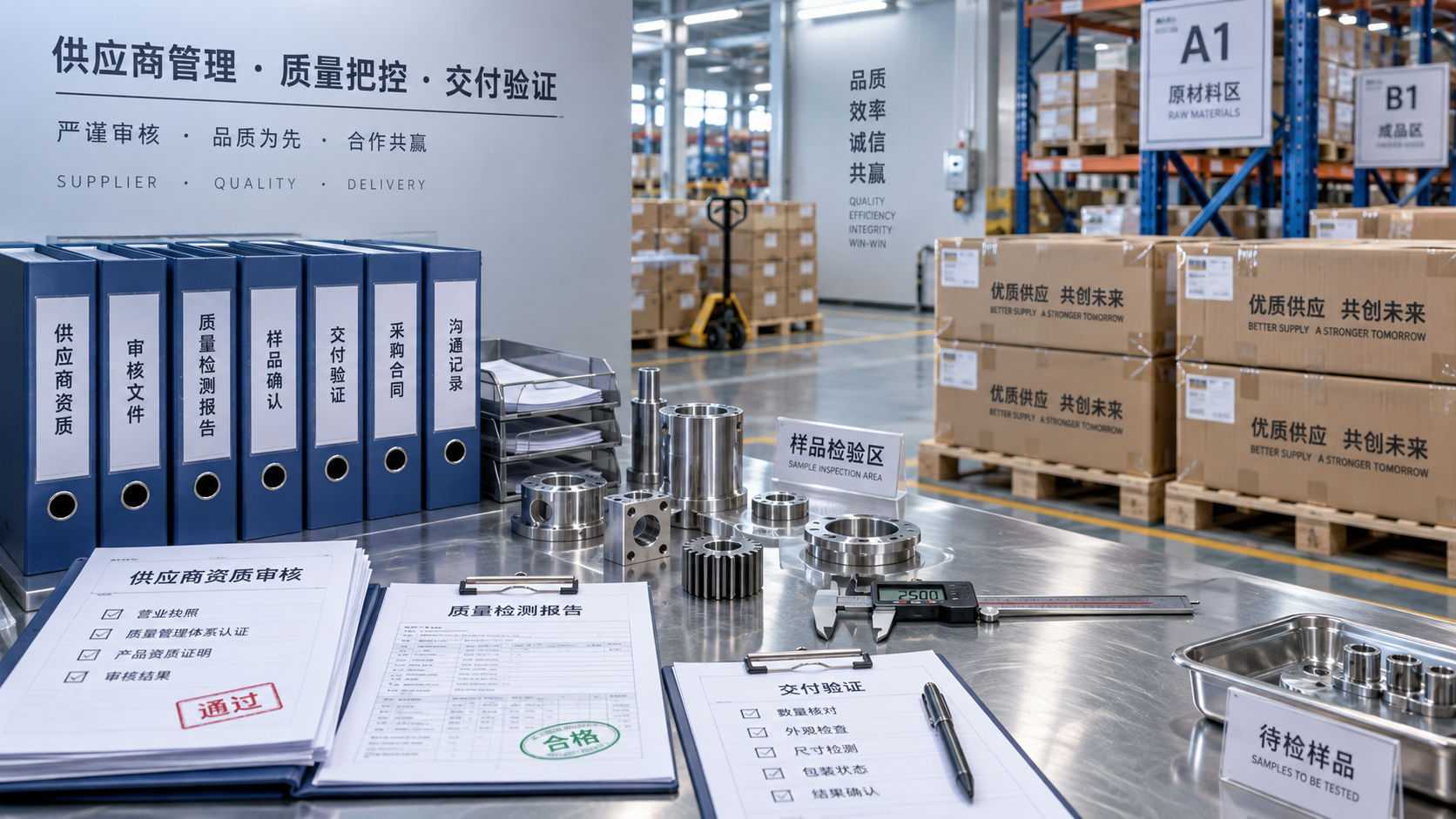
That evidence can include factory process photos, tooling references, sample inspection reports, audit summaries, and responsiveness during engineering discussions. The way a supplier handles detail early often predicts later performance.
- Review similar project experience in industrial equipment, not just general metal parts. Process familiarity shortens troubleshooting and usually improves communication quality.
- Compare total cost, including scrap risk, machining, finish, packaging, and freight. The cheapest casting price may not be the cheapest delivered part.
- Pay attention to engineering response speed and clarity. Slow or vague answers during quotation often become bigger problems after tooling starts.
- Use credible market intelligence when screening unfamiliar suppliers. A specialized source like TradeNexus Pro can help validate positioning, sector relevance, and trust signals.
A simple way to move forward
A strong buying process for die casting parts for industrial machinery usually starts with three documents: a clear drawing pack, a critical-quality checklist, and a realistic demand forecast. Those three items make supplier replies far more useful.
Then compare offers in sequence. First, confirm process fit. Second, validate quality controls. Third, test lead-time logic. Fourth, challenge MOQ assumptions. Only after that should unit price become the deciding factor.
If the supply market is new or fragmented, using a platform with sector-focused business intelligence can reduce guesswork. TradeNexus Pro is built for that kind of decision environment, where credibility and execution matter as much as cost.
In practice, the best source is usually not the one with the lowest opening quote. It is the one that can prove control, explain risk, and deliver die casting parts for industrial machinery consistently over time.
Start with a small technical review, ask sharper questions, and let evidence shape the shortlist. That approach is slower for a day, but usually faster for the entire project.
Get weekly intelligence in your inbox.
No noise. No sponsored content. Pure intelligence.
 Oct 24, 2026Tesla Q3 2026 Storage Deployments Rank Second Highest as Revenue Falls 16%Tesla Q3 2026 Storage Deployments Rank Second Highest as Revenue Falls 16%
 Oct 24, 2026Freight Forwarding Services Pricing: Comparing Quotes Beyond Base RatesFreight Forwarding Services Pricing: Comparing Quotes Beyond Base Rates
 Oct 23, 2026IndexBox Issues Off-Grid Solar Outlook to 2035, Forecasting 8.2% CAGRIndexBox Issues Off-Grid Solar Outlook to 2035, Forecasting 8.2% CAGR
 Oct 23, 2026NSF/ANSI 49 Biosafety Cabinets: Product Certification vs. Field TestingNSF/ANSI 49 Biosafety Cabinets: Product Certification vs. Field Testing
 Oct 22, 2026Mitsubishi Electric Develops Industry-First Humanoid Robot–CNC Machining SystemMitsubishi Electric Develops Industry-First Humanoid Robot–CNC Machining System
 Oct 22, 2026Aerospace Aluminum Machining: How to Control Distortion in Thin-Wall PartsAerospace Aluminum Machining: How to Control Distortion in Thin-Wall Parts
 Oct 21, 2026Genesis Energy commissions 200 MWh battery storage system at HuntlyGenesis Energy commissions 200 MWh battery storage system at Huntly
 Oct 21, 2026Buying AMI Smart Meters Wholesale: Compatibility Checks and Total CostsBuying AMI Smart Meters Wholesale: Compatibility Checks and Total Costs
 Oct 20, 2026Werner Enterprises Issues Q3 Earnings Warning as Costs RiseWerner Enterprises Issues Q3 Earnings Warning as Costs Rise
 Oct 20, 2026Are Digital Twins Viable for SMEs? Costs, Use Cases, and Data RequirementsAre Digital Twins Viable for SMEs? Costs, Use Cases, and Data Requirements
 Oct 19, 2026Choosing a Wholesale Servo Motor Exporter: Traceability and Warranty ChecksChoosing a Wholesale Servo Motor Exporter: Traceability and Warranty Checks
 Oct 18, 2026Syringe Manufacturing Equipment: Evaluating Throughput and Assembly AccuracySyringe Manufacturing Equipment: Evaluating Throughput and Assembly Accuracy
 Oct 17, 2026Air Freight Forwarding Services: How to Compare Quotes for Urgent ShipmentsAir Freight Forwarding Services: How to Compare Quotes for Urgent Shipments
 Oct 16, 2026Wholesale Solar Panels: How to Compare Bulk Quotes by Total Landed CostWholesale Solar Panels: How to Compare Bulk Quotes by Total Landed Cost
 Oct 15, 2026Supply Chain Intelligence for Sourcing: How to Vet New SuppliersSupply Chain Intelligence for Sourcing: How to Vet New Suppliers
 Oct 14, 2026How energy costs shape smart manufacturing investment in EuropeHow energy costs shape smart manufacturing investment in Europe
 Oct 14, 2026How skills shortages slow smart manufacturing in Southeast AsiaHow skills shortages slow smart manufacturing in Southeast Asia
 Oct 14, 2026How CNC wire-cut machining maintains tight tolerances in thick partsHow CNC wire-cut machining maintains tight tolerances in thick parts
 Oct 14, 2026Can automated feeding stabilize metal forming in smart factories?Can automated feeding stabilize metal forming in smart factories?
 Oct 14, 2026Can CT inspection detect internal defects in metal additive parts?Can CT inspection detect internal defects in metal additive parts?
 Oct 14, 2026When does additive manufacturing reduce lead time for spare parts?When does additive manufacturing reduce lead time for spare parts?
 Oct 14, 2026How production volume affects ROI on an automated painting lineHow production volume affects ROI on an automated painting line
 Oct 14, 2026What data does manufacturing bottleneck analysis consulting need?What data does manufacturing bottleneck analysis consulting need?
 Oct 14, 2026When should you hire a consultant for manufacturing bottlenecks?When should you hire a consultant for manufacturing bottlenecks?
 Oct 14, 2026What Are Electronics Exporters' Top Supply Chain Resilience Gaps in 2026?What Are Electronics Exporters' Top Supply Chain Resilience Gaps in 2026?
 Oct 14, 2026How Do You Measure AI Adoption Maturity in a Traditional Factory?How Do You Measure AI Adoption Maturity in a Traditional Factory?
 Oct 14, 2026Are Chinese AI-Assisted Surgical Devices Gaining Global Trust?Are Chinese AI-Assisted Surgical Devices Gaining Global Trust?