
Brazil Plans Anti-Dumping Duties on Chinese Hydraulic Presses
Brazil Plans Anti-Dumping Duties on Chinese Hydraulic Presses
Introduction: On April 4, 2026, Brazil's Ministry of Development, Industry, and Foreign Trade (MDIC) announced preliminary anti-dumping duties ranging from 18.3% to 34.7% on certain Chinese-made hydraulic presses with rated pressure ≥16MPa. This move directly impacts manufacturers and traders in the automotive parts and metal stamping sectors, requiring urgent attention due to the May 15 deadline for submitting defense materials.
Event Overview
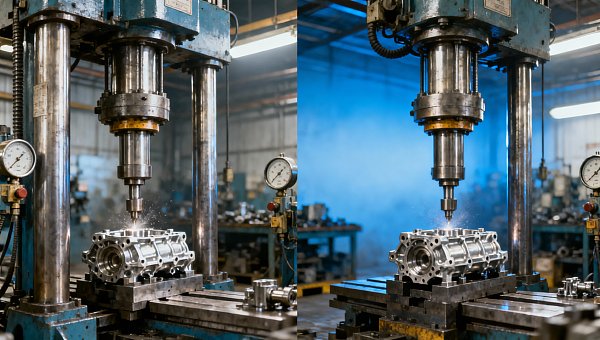
The MDIC's investigation targets four-column/frame-type hydraulic presses primarily used in automotive component assembly and metal forming. The provisional duties apply to imports from China, with final rates to be determined after the review period. Key dates include the May 15 deadline for exporter responses and the expected final ruling within 12 months per standard WTO procedures.
Impact on Sub-Sectors
Direct Exporters
Chinese manufacturers of medium-high pressure hydraulic equipment face immediate cost disadvantages, potentially losing price competitiveness in the Brazilian market. Smaller exporters with thin profit margins may need to reassess market viability.
Brazilian Industrial Users
Automotive part producers and metal stamping companies relying on cost-efficient Chinese machinery could encounter supply chain disruptions. The duties may force reevaluation of capital expenditure plans for production line upgrades.
Supply Chain Service Providers
Logistics firms and trade finance institutions servicing China-Brazil hydraulic equipment trade must prepare for volume fluctuations and potential shifts to alternative sourcing markets.
Key Action Points
Monitor Regulatory Developments
Track updates from Brazil's Foreign Trade Secretariat (SECEX) regarding hearing schedules and final determination timelines. The preliminary nature of these duties leaves room for adjustment.
Evaluate Cost Scenarios
Conduct break-even analyses comparing absorbed duties versus alternative sourcing options from non-Chinese manufacturers in India or Europe, factoring in potential quality and lead time differences.
Prepare Documentation
Exporters should compile production cost records, sales data, and evidence of non-injurious pricing to strengthen anti-dumping questionnaire responses before the May 15 cutoff.
Industry Perspective
This case reflects growing scrutiny of industrial machinery trade flows amid global supply chain realignments. While the preliminary duties signal protectionist tendencies, their actual impact depends on whether Brazilian manufacturers can provide comparable technical specifications at competitive prices. The automotive sector's just-in-time production requirements may limit immediate substitution possibilities.
Conclusion
The anti-dumping investigation represents a calculated trade policy move rather than an outright import ban. Stakeholders should approach this as a cost recalibration challenge, with opportunities for both Chinese exporters to demonstrate value beyond pricing and Brazilian users to negotiate long-term supply agreements before final duties take effect.
Source: Brazil MDIC Notice No. 15/2026 (April 4, 2026). Final determination timeline remains subject to official updates.
Get weekly intelligence in your inbox.
No noise. No sponsored content. Pure intelligence.
 Oct 08, 2026How Digital Health Improves Diagnostic Accuracy and Workflow in Clinical LabsHow Digital Health Improves Diagnostic Accuracy and Workflow in Clinical Labs
 Oct 07, 2026Selecting Voice Picking Systems for German Warehouses: Integration, Languages and ROISelecting Voice Picking Systems for German Warehouses: Integration, Languages and ROI
 Oct 06, 2026How to Choose Last Mile Dispatch Software for On-Time Delivery at ScaleHow to Choose Last Mile Dispatch Software for On-Time Delivery at Scale
 Oct 05, 2026Vietnam’s Consumer Electronics Market: Demand Shifts and Sourcing OpportunitiesVietnam’s Consumer Electronics Market: Demand Shifts and Sourcing Opportunities
 Oct 04, 2026Digital Health Investment Priorities for Providers: Improving Access, Outcomes, and EfficiencyDigital Health Investment Priorities for Providers: Improving Access, Outcomes, and Efficiency
 Oct 03, 2026How to Specify an FR4 Custom PCB Board for High-Voltage and High-Heat DesignsHow to Specify an FR4 Custom PCB Board for High-Voltage and High-Heat Designs
 Oct 02, 2026ERP Software Market Intelligence: Adoption, Pricing, and Vendor Signals to WatchERP Software Market Intelligence: Adoption, Pricing, and Vendor Signals to Watch
 Oct 01, 2026How to Select Calibrated Temperature Data Loggers for GMP Cold Storage MonitoringHow to Select Calibrated Temperature Data Loggers for GMP Cold Storage Monitoring
 Sep 30, 2026Custom Molded Rubber Pricing: What Drives Unit Cost and Tooling Fees?Custom Molded Rubber Pricing: What Drives Unit Cost and Tooling Fees?
 Sep 29, 2026How to Evaluate Energy Management Software Vendors for Multi-Site OperationsHow to Evaluate Energy Management Software Vendors for Multi-Site Operations
 Sep 28, 2026How to Select a DIN Rail Smart Meter for Multi-Circuit Energy MonitoringHow to Select a DIN Rail Smart Meter for Multi-Circuit Energy Monitoring
 Sep 27, 2026TWS Earbuds in Vietnam: Demand Drivers, Price Tiers, and Retail Channel OpportunitiesTWS Earbuds in Vietnam: Demand Drivers, Price Tiers, and Retail Channel Opportunities
 Sep 26, 2026How UAE Clinics Can Qualify a Smart Glucometer Supplier for Accuracy and ComplianceHow UAE Clinics Can Qualify a Smart Glucometer Supplier for Accuracy and Compliance
 Sep 25, 2026Buying Aesthetic Lasers in the USA: FDA Status, Wavelengths, and Service SupportBuying Aesthetic Lasers in the USA: FDA Status, Wavelengths, and Service Support
 Sep 24, 2026Laser Cutting Brass Sheet: How to Prevent Burrs and Heat Marks on Thin PartsLaser Cutting Brass Sheet: How to Prevent Burrs and Heat Marks on Thin Parts
 Sep 23, 2026How to Choose Lightweight ANC Headphones for Comfortable All-Day TravelHow to Choose Lightweight ANC Headphones for Comfortable All-Day Travel
 Sep 22, 2026IPX5 TWS Bluetooth Earbuds: What Protection Do They Offer for Workouts?IPX5 TWS Bluetooth Earbuds: What Protection Do They Offer for Workouts?
 Sep 21, 2026What to Look for in a Grid Integration Company for Utility-Scale Solar ProjectsWhat to Look for in a Grid Integration Company for Utility-Scale Solar Projects
 Sep 20, 2026Microgrid Controller Pricing: What Drives Cost in Commercial Energy Projects?Microgrid Controller Pricing: What Drives Cost in Commercial Energy Projects?
 Sep 19, 2026How to Choose a GaN Charger for Laptops Without Compromising Power or PortabilityHow to Choose a GaN Charger for Laptops Without Compromising Power or Portability
 Sep 18, 2026Floating Solar Farm Costs: CAPEX, OPEX, and the Site Factors That Shape ROIFloating Solar Farm Costs: CAPEX, OPEX, and the Site Factors That Shape ROI
 Sep 17, 2026Drone Delivery Solutions for Last-Mile Routes: Site, Payload, and Range PlanningDrone Delivery Solutions for Last-Mile Routes: Site, Payload, and Range Planning
 Sep 16, 2026When Low-Volume Electronics Manufacturing Makes More Sense Than Mass ProductionWhen Low-Volume Electronics Manufacturing Makes More Sense Than Mass Production
 Sep 15, 2026Wholesale WiFi Smart Switches: What Buyers Should Verify Before OrderingWholesale WiFi Smart Switches: What Buyers Should Verify Before Ordering
 Sep 14, 2026How to Select IoT Sensors for Reliable Monitoring in Harsh Industrial EnvironmentsHow to Select IoT Sensors for Reliable Monitoring in Harsh Industrial Environments
 Sep 13, 2026How Procurement Teams Can Improve Supplier Reliability With Supply Chain VisibilityHow Procurement Teams Can Improve Supplier Reliability With Supply Chain Visibility
 Sep 12, 2026Smart Manufacturing Trends 2026: What Leaders Should Prioritize for ROISmart Manufacturing Trends 2026: What Leaders Should Prioritize for ROI



























