Supply Chain Software Selection Guide: Key Features, ERP Integration, and Total Cost Factors
Selecting supply chain software is no longer a narrow IT decision. It shapes sourcing speed, supplier transparency, inventory control, compliance tracking, and how smoothly data moves across finance, logistics, and operations.
That matters across advanced manufacturing, green energy, smart electronics, healthcare technology, and cross-border trade, where supplier risk and market shifts can change procurement priorities quickly.
A practical evaluation therefore goes beyond feature lists. It should connect daily workflows, ERP integration quality, and total cost realities before a platform is shortlisted.
Why supply chain software is under closer scrutiny
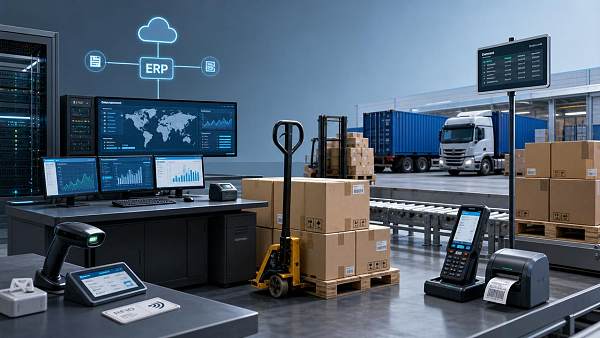
Global procurement environments are less predictable than they were a few years ago. Lead times fluctuate, ESG reporting expands, and regional sourcing strategies are becoming more common.
In that setting, supply chain software becomes a decision support layer. It helps teams compare suppliers, monitor purchase commitments, trace shipments, and respond faster when plans change.
The strongest platforms do not simply digitize paperwork. They create a shared operational view that links supplier information, purchasing activity, inventory movement, and performance signals.
This is one reason specialized intelligence platforms such as TradeNexus Pro attract attention. Decision-making increasingly depends on reliable market context, not only on software screens or vendor promises.
What supply chain software should really cover
The term covers several categories. Some tools focus on procurement execution. Others emphasize planning, supplier collaboration, logistics visibility, traceability, or multi-site inventory coordination.
For most organizations, useful supply chain software sits between strategy and execution. It turns operational data into actions that can reduce delays, improve buying discipline, and support better supplier choices.
This is especially relevant when sourcing spans different countries, compliance regimes, or technical product categories. A generic workflow tool may look efficient, yet still miss critical industry-specific needs.
Core functions worth validating early
- Supplier master data management with clear version control and document traceability.
- Purchase order workflows, approval routing, and contract-linked buying rules.
- Inventory, shipment, and order status visibility across multiple locations.
- Analytics for lead times, spend concentration, supplier performance, and exception alerts.
- Audit support for certifications, quality records, sustainability data, and regulatory evidence.
A platform does not need to be strongest in every area. It does need to fit the actual pressure points of the business model.
Key features that affect procurement outcomes
Feature selection is often where evaluations become too broad. A more useful method is to ask which capabilities improve control, speed, and decision quality in everyday purchasing work.
Supplier visibility and risk signals
Supplier records should go beyond contact details. Good supply chain software captures delivery history, quality incidents, contract status, certifications, capacity notes, and dependency exposure.
For international sourcing, the ability to layer market intelligence onto supplier evaluation is increasingly valuable. That is where external industry insight can strengthen software-based judgment.
Workflow discipline without unnecessary friction
Approvals should be structured, but not slow. The right platform allows routing by spend level, commodity, site, or risk profile while keeping exceptions visible.
Usability matters here. If requestors bypass the system because it feels heavy, data quality drops and reporting becomes less trustworthy.
Reporting that supports decisions
Dashboards should answer operational questions, not just display charts. Which suppliers are late? Which items drive emergency buying? Where is spend fragmented? Which contracts are underused?
That level of visibility often separates routine automation from real supply chain software value.
ERP integration is where many projects succeed or fail
ERP integration is often described as a technical requirement, yet its impact is operational. Weak integration creates duplicate records, delayed updates, manual reconciliations, and inconsistent supplier information.
Strong integration lets supply chain software exchange clean data with finance, inventory, production planning, and accounts payable. That reduces handoffs and improves trust in the system.
Questions that reveal integration quality
It is also useful to test integration against real scenarios, such as supplier changes, partial receipts, rush orders, and invoice mismatches, rather than ideal process maps only.
Total cost goes far beyond subscription pricing
Software comparisons often begin with license fees, but total cost usually emerges elsewhere. Implementation effort, integration work, training time, data cleanup, and process redesign can outweigh the initial quote.
Supply chain software also carries indirect costs when adoption is weak. If users rely on spreadsheets or offline approvals, the organization pays twice for the same process.
Common cost areas that are overlooked
- Data migration for suppliers, materials, contracts, and historical transactions.
- ERP middleware, API development, and post-launch integration support.
- Internal change management, role mapping, and policy updates.
- Supplier onboarding effort, especially in fragmented global networks.
- Analytics customization and ongoing dashboard maintenance.
A lower-cost platform can become expensive if it demands heavy manual work. A higher-priced option may prove efficient if it shortens approvals, improves compliance, and reduces sourcing errors.
How selection criteria vary by business context
Not every organization needs the same supply chain software design. Sector conditions shape what matters most.
In advanced manufacturing, multi-tier supplier visibility and production coordination often rank high. In green energy, traceability and project-based sourcing may matter more.
Smart electronics may prioritize component risk and fast design changes. Healthcare technology often requires stronger documentation, quality evidence, and compliance control.
This is where sector-focused research becomes useful. Platforms such as TradeNexus Pro help connect software evaluation with market conditions, supplier landscapes, and cross-border sourcing realities.
A practical way to narrow the shortlist
A structured shortlist works better than a broad feature hunt. Start with the process failures that create the most commercial risk or daily friction.
- Map the most critical workflows from sourcing request to payment and receipt confirmation.
- Identify which data must come from ERP and which data should live in supply chain software.
- Score vendors against sector fit, integration maturity, reporting quality, and adoption effort.
- Request demonstrations based on real exceptions, not polished generic scenarios.
- Estimate three-year total cost, including hidden labor and support requirements.
The best decision usually comes from combining software capability with informed market context. That approach reduces the chance of buying a system that looks modern but fits poorly.
The next step is to turn evaluation into a working scorecard, compare two or three realistic options, and test them against actual supplier and ERP scenarios before moving forward.
Get weekly intelligence in your inbox.
No noise. No sponsored content. Pure intelligence.
 Oct 24, 2026Tesla Q3 2026 Storage Deployments Rank Second Highest as Revenue Falls 16%Tesla Q3 2026 Storage Deployments Rank Second Highest as Revenue Falls 16%
 Oct 24, 2026Freight Forwarding Services Pricing: Comparing Quotes Beyond Base RatesFreight Forwarding Services Pricing: Comparing Quotes Beyond Base Rates
 Oct 23, 2026IndexBox Issues Off-Grid Solar Outlook to 2035, Forecasting 8.2% CAGRIndexBox Issues Off-Grid Solar Outlook to 2035, Forecasting 8.2% CAGR
 Oct 23, 2026NSF/ANSI 49 Biosafety Cabinets: Product Certification vs. Field TestingNSF/ANSI 49 Biosafety Cabinets: Product Certification vs. Field Testing
 Oct 22, 2026Mitsubishi Electric Develops Industry-First Humanoid Robot–CNC Machining SystemMitsubishi Electric Develops Industry-First Humanoid Robot–CNC Machining System
 Oct 22, 2026Aerospace Aluminum Machining: How to Control Distortion in Thin-Wall PartsAerospace Aluminum Machining: How to Control Distortion in Thin-Wall Parts
 Oct 21, 2026Genesis Energy commissions 200 MWh battery storage system at HuntlyGenesis Energy commissions 200 MWh battery storage system at Huntly
 Oct 21, 2026Buying AMI Smart Meters Wholesale: Compatibility Checks and Total CostsBuying AMI Smart Meters Wholesale: Compatibility Checks and Total Costs
 Oct 20, 2026Werner Enterprises Issues Q3 Earnings Warning as Costs RiseWerner Enterprises Issues Q3 Earnings Warning as Costs Rise
 Oct 20, 2026Are Digital Twins Viable for SMEs? Costs, Use Cases, and Data RequirementsAre Digital Twins Viable for SMEs? Costs, Use Cases, and Data Requirements
 Oct 19, 2026Choosing a Wholesale Servo Motor Exporter: Traceability and Warranty ChecksChoosing a Wholesale Servo Motor Exporter: Traceability and Warranty Checks
 Oct 18, 2026Syringe Manufacturing Equipment: Evaluating Throughput and Assembly AccuracySyringe Manufacturing Equipment: Evaluating Throughput and Assembly Accuracy
 Oct 17, 2026Air Freight Forwarding Services: How to Compare Quotes for Urgent ShipmentsAir Freight Forwarding Services: How to Compare Quotes for Urgent Shipments
 Oct 16, 2026Wholesale Solar Panels: How to Compare Bulk Quotes by Total Landed CostWholesale Solar Panels: How to Compare Bulk Quotes by Total Landed Cost
 Oct 15, 2026Supply Chain Intelligence for Sourcing: How to Vet New SuppliersSupply Chain Intelligence for Sourcing: How to Vet New Suppliers
 Oct 14, 2026How energy costs shape smart manufacturing investment in EuropeHow energy costs shape smart manufacturing investment in Europe
 Oct 14, 2026How skills shortages slow smart manufacturing in Southeast AsiaHow skills shortages slow smart manufacturing in Southeast Asia
 Oct 14, 2026How CNC wire-cut machining maintains tight tolerances in thick partsHow CNC wire-cut machining maintains tight tolerances in thick parts
 Oct 14, 2026Can automated feeding stabilize metal forming in smart factories?Can automated feeding stabilize metal forming in smart factories?
 Oct 14, 2026Can CT inspection detect internal defects in metal additive parts?Can CT inspection detect internal defects in metal additive parts?
 Oct 14, 2026When does additive manufacturing reduce lead time for spare parts?When does additive manufacturing reduce lead time for spare parts?
 Oct 14, 2026How production volume affects ROI on an automated painting lineHow production volume affects ROI on an automated painting line
 Oct 14, 2026What data does manufacturing bottleneck analysis consulting need?What data does manufacturing bottleneck analysis consulting need?
 Oct 14, 2026When should you hire a consultant for manufacturing bottlenecks?When should you hire a consultant for manufacturing bottlenecks?
 Oct 14, 2026What Are Electronics Exporters' Top Supply Chain Resilience Gaps in 2026?What Are Electronics Exporters' Top Supply Chain Resilience Gaps in 2026?
 Oct 14, 2026How Do You Measure AI Adoption Maturity in a Traditional Factory?How Do You Measure AI Adoption Maturity in a Traditional Factory?
 Oct 14, 2026Are Chinese AI-Assisted Surgical Devices Gaining Global Trust?Are Chinese AI-Assisted Surgical Devices Gaining Global Trust?