What delays digital customs clearance for sea freight?
Digital customs clearance for sea freight can stall for reasons beyond missing forms. Small data mismatches, poor document timing, and fragmented communication often create expensive chain reactions.
In global trade, digital customs clearance for sea freight now depends on data quality, system compatibility, and regulatory precision. When one field fails, containers may stop moving despite complete physical readiness.
This matters across advanced manufacturing, green energy, smart electronics, healthcare technology, and supply chain SaaS. These sectors rely on predictable lead times, compliant filings, and traceable cross-border shipment visibility.
What digital customs clearance for sea freight includes
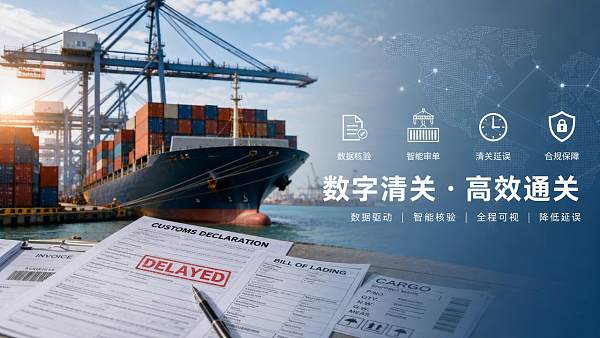
Digital customs clearance for sea freight refers to electronic submission, validation, and approval of shipment data before cargo release. It connects exporters, importers, brokers, carriers, terminals, and customs systems.
Core data usually includes commercial invoices, packing lists, bills of lading, HS codes, origin details, licenses, importer records, tax values, and security declarations.
The process seems digital, yet delay risk remains physical and operational. A rejected entry can hold cargo at port, trigger inspections, and disrupt inland delivery windows.
For complex projects, digital customs clearance for sea freight is not a single transaction. It is a coordinated sequence requiring clean master data and timely stakeholder action.
Current industry pressure points affecting clearance speed
Customs authorities have expanded digital screening, risk scoring, and pre-arrival review. At the same time, supply chains carry more regulated products, split shipments, and multi-country documentation trails.
Several pressure points now shape digital customs clearance for sea freight:
- More data fields are mandatory across jurisdictions.
- Sanctions and origin checks are more frequent.
- Port congestion amplifies even short approval delays.
- System integration gaps create duplicate manual entry.
- Product classification is harder for mixed-technology goods.
These pressures are strongest where products combine software, components, batteries, sensors, or medical functionality. Classification and licensing then become more sensitive.
High-impact delay signals
The most common causes of delay
Most delays in digital customs clearance for sea freight come from predictable operational weaknesses. They are rarely random, and they usually appear earlier than teams expect.
1. Inaccurate or incomplete shipment data
Missing consignee details, wrong values, unclear descriptions, or unit discrepancies can block filing acceptance. Customs systems are stricter than many internal ERP checks.
Descriptions such as “parts,” “equipment,” or “electronics” often fail review. Customs needs product identity, composition, use, and sometimes model-level granularity.
2. HS code and product classification errors
A single HS code error can affect tariff rate, admissibility, licensing, and inspection probability. Digital customs clearance for sea freight slows when classification lacks internal governance.
This is common with multifunction devices, battery systems, connected medical products, and assemblies shipped in kits or subcomponents.
3. Misaligned documents across parties
The invoice may show one part number, while the packing list shows another. The bill of lading may abbreviate names differently from the declaration.
These inconsistencies force amendment cycles. Each amendment can miss cutoffs, especially when vessel arrival, customs filing, and terminal operations overlap.
4. Port congestion and inspection bottlenecks
Even when digital filing is correct, physical port conditions can extend release time. Congestion reduces examination capacity and slows document correction feedback.
In practice, digital customs clearance for sea freight is linked to terminal throughput, labor availability, scanner access, and drayage scheduling.
5. Weak coordination between shipper, broker, and carrier
Clearance speed depends on synchronized data handoff. If the broker receives final documents after manifest submission, corrections become slower and more expensive.
When ownership is unclear, no one resolves root causes. Delay then repeats shipment after shipment.
6. Regulatory flags and controlled goods screening
Origin-sensitive inputs, dual-use components, lithium batteries, medical materials, and environmentally regulated products may need extra declarations or permits.
Digital customs clearance for sea freight slows when regulatory content is discovered too late in the booking or documentation phase.
Business impact across representative shipment types
The cost of delay differs by cargo type. Some shipments absorb dwell time. Others trigger cascading production, compliance, or revenue impacts.
This is why digital customs clearance for sea freight should be treated as a risk-control workflow, not just a filing task.
Practical steps to reduce delay risk
Improvement usually comes from process discipline rather than one software feature. The goal is to remove preventable ambiguity before cargo reaches the port.
Strengthen pre-shipment data governance
- Standardize product descriptions at SKU or part-number level.
- Maintain approved HS codes with review ownership.
- Validate values, units, and currency before document issue.
- Map permit requirements by destination and product family.
Improve document timing and handoff
- Set internal cutoffs earlier than carrier deadlines.
- Send final commercial data before manifest lock points.
- Use one document version source across all parties.
- Track amendment frequency as a leading risk indicator.
Align stakeholders around exception handling
Define who owns classification, origin records, filing submission, and customs response. Digital customs clearance for sea freight becomes faster when escalation routes are explicit.
A simple exception matrix can reduce avoidable waiting time:
Operational priorities for the next shipment cycle
Start with the shipments that repeatedly trigger corrections, inspections, or dwell fees. Those lanes often reveal the biggest weaknesses in digital customs clearance for sea freight.
Review three areas first: master data quality, classification control, and broker communication timing. Then compare declared data against actual cargo and carrier records.
For organizations modernizing cross-border operations, digital customs clearance for sea freight should be measured with operational metrics, not only on-time delivery outcomes.
- First-pass filing acceptance rate
- Average amendment count per shipment
- Customs hold frequency by product type
- Port dwell time after vessel discharge
Reducing delays is rarely about one urgent fix. It comes from building a repeatable, document-accurate, and regulation-aware workflow that supports reliable digital customs clearance for sea freight.
A practical next step is a lane-by-lane audit of recent entries, document corrections, and release timing. That creates an evidence base for faster, lower-risk sea freight clearance decisions.
Get weekly intelligence in your inbox.
No noise. No sponsored content. Pure intelligence.
 Oct 12, 2026How Predictive Maintenance AI Detects Machine Failures Before Unplanned DowntimeHow Predictive Maintenance AI Detects Machine Failures Before Unplanned Downtime
 Oct 10, 2026How to Scope Packaging Automation for High-Mix Lines Without Creating BottlenecksHow to Scope Packaging Automation for High-Mix Lines Without Creating Bottlenecks
 Oct 08, 2026How Digital Health Improves Diagnostic Accuracy and Workflow in Clinical LabsHow Digital Health Improves Diagnostic Accuracy and Workflow in Clinical Labs
 Oct 07, 2026Selecting Voice Picking Systems for German Warehouses: Integration, Languages and ROISelecting Voice Picking Systems for German Warehouses: Integration, Languages and ROI
 Oct 06, 2026How to Choose Last Mile Dispatch Software for On-Time Delivery at ScaleHow to Choose Last Mile Dispatch Software for On-Time Delivery at Scale
 Oct 05, 2026Vietnam’s Consumer Electronics Market: Demand Shifts and Sourcing OpportunitiesVietnam’s Consumer Electronics Market: Demand Shifts and Sourcing Opportunities
 Oct 04, 2026Digital Health Investment Priorities for Providers: Improving Access, Outcomes, and EfficiencyDigital Health Investment Priorities for Providers: Improving Access, Outcomes, and Efficiency
 Oct 03, 2026How to Specify an FR4 Custom PCB Board for High-Voltage and High-Heat DesignsHow to Specify an FR4 Custom PCB Board for High-Voltage and High-Heat Designs
 Oct 02, 2026ERP Software Market Intelligence: Adoption, Pricing, and Vendor Signals to WatchERP Software Market Intelligence: Adoption, Pricing, and Vendor Signals to Watch
 Oct 01, 2026How to Select Calibrated Temperature Data Loggers for GMP Cold Storage MonitoringHow to Select Calibrated Temperature Data Loggers for GMP Cold Storage Monitoring
 Sep 30, 2026Custom Molded Rubber Pricing: What Drives Unit Cost and Tooling Fees?Custom Molded Rubber Pricing: What Drives Unit Cost and Tooling Fees?
 Sep 29, 2026How to Evaluate Energy Management Software Vendors for Multi-Site OperationsHow to Evaluate Energy Management Software Vendors for Multi-Site Operations
 Sep 28, 2026How to Select a DIN Rail Smart Meter for Multi-Circuit Energy MonitoringHow to Select a DIN Rail Smart Meter for Multi-Circuit Energy Monitoring
 Sep 27, 2026TWS Earbuds in Vietnam: Demand Drivers, Price Tiers, and Retail Channel OpportunitiesTWS Earbuds in Vietnam: Demand Drivers, Price Tiers, and Retail Channel Opportunities
 Sep 26, 2026How UAE Clinics Can Qualify a Smart Glucometer Supplier for Accuracy and ComplianceHow UAE Clinics Can Qualify a Smart Glucometer Supplier for Accuracy and Compliance
 Sep 25, 2026Buying Aesthetic Lasers in the USA: FDA Status, Wavelengths, and Service SupportBuying Aesthetic Lasers in the USA: FDA Status, Wavelengths, and Service Support
 Sep 24, 2026Laser Cutting Brass Sheet: How to Prevent Burrs and Heat Marks on Thin PartsLaser Cutting Brass Sheet: How to Prevent Burrs and Heat Marks on Thin Parts
 Sep 23, 2026How to Choose Lightweight ANC Headphones for Comfortable All-Day TravelHow to Choose Lightweight ANC Headphones for Comfortable All-Day Travel
 Sep 22, 2026IPX5 TWS Bluetooth Earbuds: What Protection Do They Offer for Workouts?IPX5 TWS Bluetooth Earbuds: What Protection Do They Offer for Workouts?
 Sep 21, 2026What to Look for in a Grid Integration Company for Utility-Scale Solar ProjectsWhat to Look for in a Grid Integration Company for Utility-Scale Solar Projects
 Sep 20, 2026Microgrid Controller Pricing: What Drives Cost in Commercial Energy Projects?Microgrid Controller Pricing: What Drives Cost in Commercial Energy Projects?
 Sep 19, 2026How to Choose a GaN Charger for Laptops Without Compromising Power or PortabilityHow to Choose a GaN Charger for Laptops Without Compromising Power or Portability
 Sep 18, 2026Floating Solar Farm Costs: CAPEX, OPEX, and the Site Factors That Shape ROIFloating Solar Farm Costs: CAPEX, OPEX, and the Site Factors That Shape ROI
 Sep 17, 2026Drone Delivery Solutions for Last-Mile Routes: Site, Payload, and Range PlanningDrone Delivery Solutions for Last-Mile Routes: Site, Payload, and Range Planning
 Sep 16, 2026When Low-Volume Electronics Manufacturing Makes More Sense Than Mass ProductionWhen Low-Volume Electronics Manufacturing Makes More Sense Than Mass Production
 Sep 15, 2026Wholesale WiFi Smart Switches: What Buyers Should Verify Before OrderingWholesale WiFi Smart Switches: What Buyers Should Verify Before Ordering
 Sep 14, 2026How to Select IoT Sensors for Reliable Monitoring in Harsh Industrial EnvironmentsHow to Select IoT Sensors for Reliable Monitoring in Harsh Industrial Environments