China Builds National Mine Safety Risk Monitoring 'Single Network'
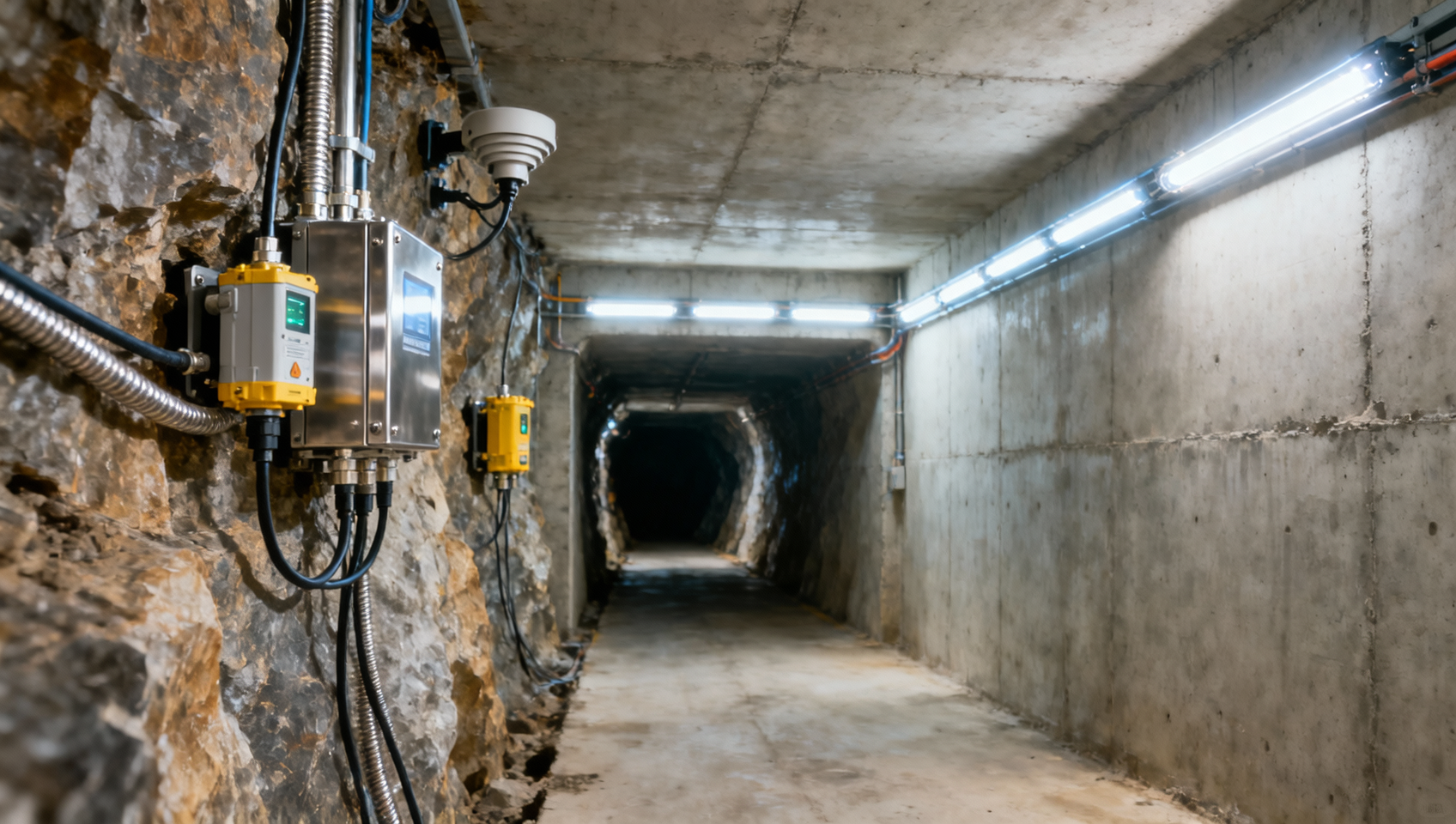
China has completed the foundational deployment of a national mine safety risk monitoring and early-warning 'single network', as reported by the Ministry of Emergency Management on April 16, 2026. The system now covers all normally operating coal mines and 84% of non-coal underground mines. This development is particularly relevant for mining equipment suppliers, IoT infrastructure providers, international mining service firms, and cross-border industrial technology integrators — because it signals both an operational benchmark shift and a scalable export-ready platform for intelligent mine solutions.
Event Overview
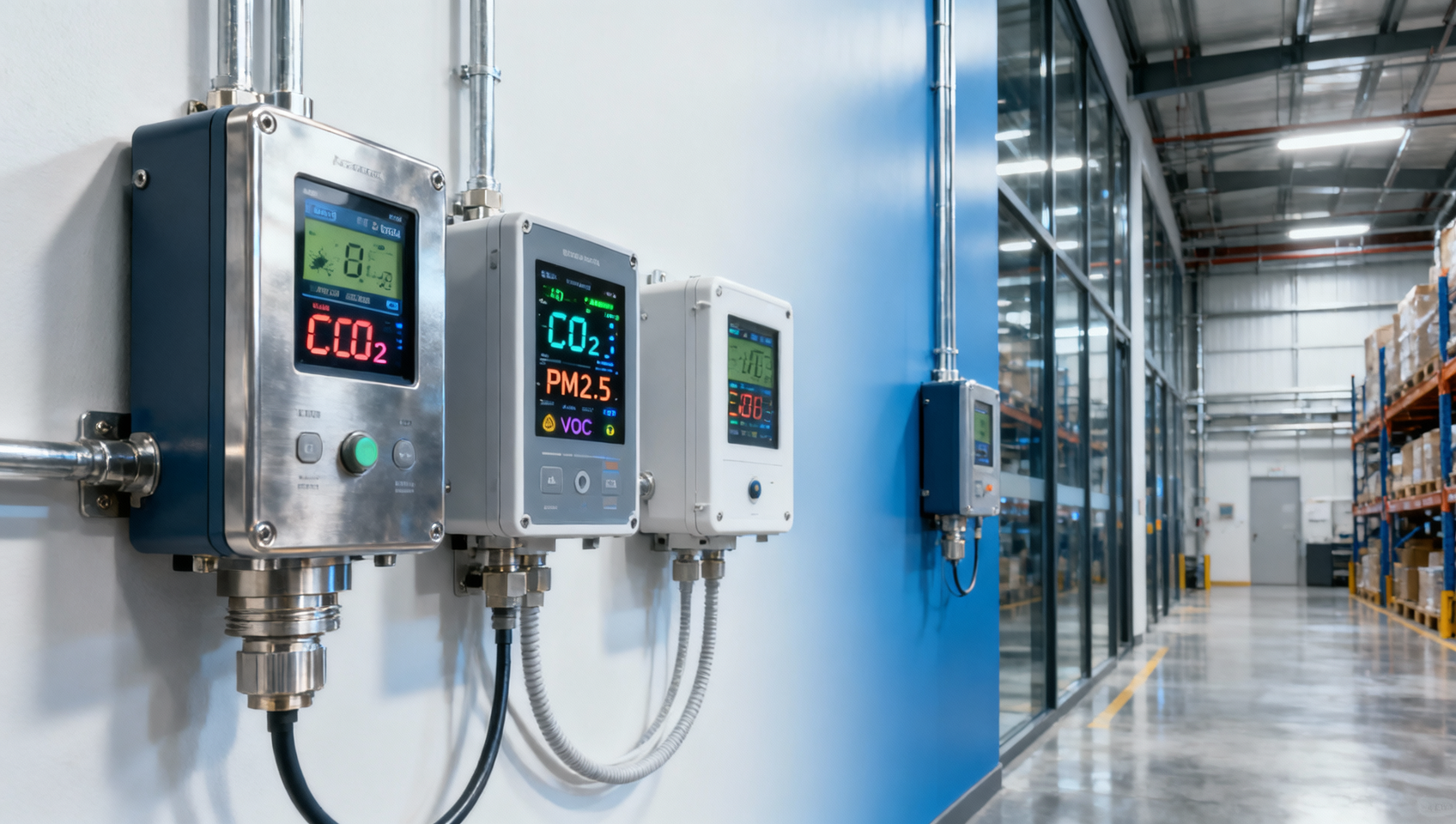
According to the Ministry of Emergency Management’s official通报 issued on April 16, 2026, the national mine safety risk monitoring and early-warning 'single network' has been basically built. It covers all normally operating coal mines and 84% of non-coal underground mines. Over 1.2 million IoT devices—including geological radar, microseismic sensors, and toxic gas detectors—are connected in real time. This infrastructure underpins the delivery of the 'China Intelligent Mine Solution' to overseas mining clients.
Industries Affected by This Development
Mining Equipment Manufacturers (especially IoT sensor and geophysical monitoring vendors):
They are directly impacted because the nationwide rollout establishes de facto technical specifications and interoperability expectations. Adoption of standardized data protocols, device certification requirements, and integration with central monitoring platforms may increasingly influence procurement decisions—both domestically and in markets where Chinese-built mine solutions are deployed.
International Mining Operators (particularly in Africa, Southeast Asia, and Latin America):
These operators may encounter new vendor selection criteria when engaging with Chinese engineering contractors or EPC providers. The 'single network' architecture serves as a reference design; its modular components and data governance model could shape contractual scope, commissioning timelines, and long-term O&M obligations.
Cross-Border Industrial Technology Integrators:
Companies that localize or adapt Chinese industrial software/hardware stacks for regional compliance (e.g., EU ATEX, Australian MSHA-equivalent standards) face new alignment work. The 'single network'’s documented device count, communication protocols, and edge-to-cloud architecture may inform compatibility assessments—and affect integration effort estimates.
Supply Chain & Aftermarket Service Providers (for underground mining hardware):
With over 1.2 million connected devices already deployed, maintenance logistics, firmware update channels, and spare parts traceability systems must scale accordingly. Providers supporting legacy equipment retrofits—or preparing for future connectivity upgrades—may need to reassess service-level agreements and remote diagnostics capabilities.
What Relevant Enterprises or Practitioners Should Focus On Now
Monitor official technical documentation releases
The Ministry of Emergency Management has not yet published open specifications for device onboarding, data schema, or API standards. Current implementation appears operationally driven rather than regulation-mandated. Stakeholders should track upcoming guidance documents—especially those referencing GB/T standards or pilot expansion phases beyond the current 84% coverage.
Assess exposure to Chinese EPC projects with embedded monitoring systems
For firms bidding on or supporting overseas mine construction, this infrastructure sets a baseline expectation. Review active tenders or MOUs involving Chinese contractors: determine whether proposed solutions reference the 'single network' architecture, and clarify implications for local regulatory acceptance, data sovereignty, and third-party verification requirements.
Distinguish between policy signal and commercial readiness
The announcement confirms infrastructure deployment—not universal adoption nor regulatory enforcement. For example, the remaining 16% of non-coal underground mines remain outside the network; no timeline or mandate for full inclusion was stated. Treat the 'single network' as a maturing reference framework—not yet a binding standard outside China’s state-owned or centrally supervised operations.
Prepare for interoperability validation—not just hardware supply
Vendors supplying sensors or gateways should begin internal testing against known protocol stacks (e.g., MQTT over TLS, Modbus TCP extensions used in recent pilot reports). Early alignment reduces integration friction when responding to RFPs referencing the national monitoring architecture.
Editorial Perspective / Industry Observation
From industry perspective, this milestone is best understood as an infrastructure consolidation event—not a regulatory turning point. Analysis来看, it reflects matured domestic deployment capability rather than imminent global standardization. Observation来看, the emphasis on 'delivery base for overseas intelligent mine solutions' suggests strategic export intent, but actual adoption abroad will depend on local regulatory alignment, lifecycle cost comparisons, and existing vendor relationships. Current more appropriate interpretation is that the 'single network' functions as a validated, field-tested system blueprint—valuable for benchmarking and solution scoping, but not yet a market-entry requirement outside specific bilateral cooperation frameworks.
Conclusion:
This development marks a significant step in China’s mine digitalization infrastructure, with tangible implications for equipment vendors, international project partners, and technology integrators. Its primary industry significance lies not in immediate compliance pressure, but in establishing a coherent, large-scale reference architecture—one that shapes technical expectations, informs procurement logic, and supports export-oriented solution packaging. At present, it is more accurately understood as an operational foundation than a regulatory threshold.
Information Sources:
• Ministry of Emergency Management of the People’s Republic of China (official bulletin, April 16, 2026)
• Note: Technical specifications, rollout timelines for remaining non-coal mines, and formal export licensing frameworks related to the 'China Intelligent Mine Solution' remain unconfirmed and require ongoing observation.
Get weekly intelligence in your inbox.
No noise. No sponsored content. Pure intelligence.
 Apr 21, 2026China Builds National Mine Safety Risk Monitoring 'Single Network'China Builds National Mine Safety Risk Monitoring 'Single Network'
 Apr 21, 2026MIIT Releases First List of AI+Manufacturing IncubatorsMIIT Releases First List of AI+Manufacturing Incubators
 Apr 21, 20262026 Shanghai Fastener Show: 1,423 Exhibitors, Robot-Specialized Fasteners in Focus2026 Shanghai Fastener Show: 1,423 Exhibitors, Robot-Specialized Fasteners in Focus
 Apr 21, 2026Vietnam Launches Anti-Circumvention Probe on Chinese-Assembled Electronic ComponentsVietnam Launches Anti-Circumvention Probe on Chinese-Assembled Electronic Components
 Apr 21, 2026China Academy Releases 2026 Digital Passport White PaperChina Academy Releases 2026 Digital Passport White Paper
 Apr 21, 2026Suez Canal AI Speed & Stowage Control Starts Apr 19, 2026Suez Canal AI Speed & Stowage Control Starts Apr 19, 2026
 Apr 21, 2026US BIS Adds EV Onboard Chargers with AES-256+ Encryption to Export ControlsUS BIS Adds EV Onboard Chargers with AES-256+ Encryption to Export Controls
 Apr 21, 2026TÜV Rheinland Updates BESS Certification: Thermal Cascade Protection Now MandatoryTÜV Rheinland Updates BESS Certification: Thermal Cascade Protection Now Mandatory
 Apr 21, 2026Shanghai Port Launches Green Clearance Channel for New Energy EquipmentShanghai Port Launches Green Clearance Channel for New Energy Equipment
 Apr 21, 2026IEC 63275:2026 Released: Global EMC Immunity Testing Standard for Warehouse RobotsIEC 63275:2026 Released: Global EMC Immunity Testing Standard for Warehouse Robots
 Apr 20, 2026Solar Street Lights: When Do They Really Pay Off?Solar Street Lights: When Do They Really Pay Off?
 Apr 20, 2026What Makes an Ultrasound Machine Worth the Cost?What Makes an Ultrasound Machine Worth the Cost?
 Apr 20, 2026Ultrasound Machines: New vs Refurbished in 2026Ultrasound Machines: New vs Refurbished in 2026
 Apr 20, 2026How to Evaluate Clean Energy ROI in 2026How to Evaluate Clean Energy ROI in 2026
 Apr 20, 2026Clean Energy Projects: Where Savings Really Come FromClean Energy Projects: Where Savings Really Come From
 Apr 20, 2026Air Quality Monitors: What to Check Before BuyingAir Quality Monitors: What to Check Before Buying
 Apr 20, 2026How Accurate Are Air Quality Monitors Indoors?How Accurate Are Air Quality Monitors Indoors?
 Apr 20, 2026AR Glasses for Field Work: Worth It or Not?AR Glasses for Field Work: Worth It or Not?
 Apr 20, 2026Which AED Defibrillators Are Easiest to Use?Which AED Defibrillators Are Easiest to Use?
 Apr 20, 2026AED Defibrillators: What Buyers Often MissAED Defibrillators: What Buyers Often Miss
 Apr 20, 2026How to Compare 3PL Logistics Providers for GrowthHow to Compare 3PL Logistics Providers for Growth
 Apr 20, 20263PL Logistics Costs Explained Before You Outsource3PL Logistics Costs Explained Before You Outsource
 Apr 20, 2026WMS vs ERP: What Matters on the Warehouse Floor?WMS vs ERP: What Matters on the Warehouse Floor?
 Apr 20, 2026How to Choose a Warehouse Management System in 2026How to Choose a Warehouse Management System in 2026
 Apr 20, 2026TENS Units: When Do They Help and When Don’t They?TENS Units: When Do They Help and When Don’t They?
 Apr 20, 2026Why Electronic Health Records Software Projects Go Over BudgetWhy Electronic Health Records Software Projects Go Over Budget
 Apr 20, 2026Electronic Health Records Software: What Should You Compare First?Electronic Health Records Software: What Should You Compare First?