Clean Energy Projects: Where Savings Really Come From
In clean energy projects, the biggest savings rarely come from equipment price alone—they come from smarter system design, stronger energy efficiency, and better lifecycle decisions. From solar street lights to air quality monitors in facilities, every investment affects operating costs, compliance, and long-term ROI. For buyers and decision-makers, understanding where clean energy savings really come from is the key to reducing risk and maximizing value.
Why equipment price is only one part of clean energy project savings
Many procurement teams still compare clean energy projects by upfront quotation alone. That approach is fast, but it often misses the real cost drivers that affect total expenditure over 3–10 years. In B2B environments, savings usually come from lower power consumption, reduced maintenance frequency, longer replacement cycles, and fewer compliance failures rather than from the lowest bid.
This matters across the broader industrial landscape. A solar street lighting rollout, a building energy retrofit, or an air quality monitoring deployment may all sit in different budget lines, yet they share the same financial logic: lifecycle cost beats purchase price. For financial approvers and enterprise decision-makers, the practical question is not “What is cheapest today?” but “What creates the lowest cost of ownership within the required performance range?”
TradeNexus Pro follows this decision pattern closely because global buyers increasingly evaluate projects through cross-functional review. Technical evaluators look at system performance, operators focus on reliability, safety managers check compliance, and project leaders measure delivery risk. If one of these factors fails, initial savings can disappear within 6–18 months through rework, downtime, or unexpected service costs.
In practice, the most consistent savings in clean energy projects come from five areas: demand reduction, right-sized design, component matching, maintenance planning, and data visibility. These are more strategic than simple price negotiation, and they are also where information gaps usually hurt procurement outcomes the most.
The five savings levers most buyers underestimate
- Energy efficiency first: reducing consumption by design often produces better returns than buying a lower-cost power source for an inefficient system.
- Correct sizing: overspecification increases capital cost, while underspecification can trigger battery stress, sensor inaccuracy, or unstable operating hours.
- Lifecycle matching: panels, batteries, controllers, luminaires, monitors, and software should be selected as a system, not as isolated components.
- Maintenance intervals: extending service cycles from monthly checks to quarterly checks can materially reduce labor and access costs.
- Operational data: visibility into faults, power draw, and environmental performance helps teams intervene before failures become costly.
For information researchers and business evaluators, this is where a specialist platform adds value. Instead of scanning fragmented listings, they need structured market insight, supplier comparisons, and technical context across green energy, smart electronics, and supply chain software. That is exactly the kind of intelligence-led sourcing environment that supports better clean energy project decisions.
Where do savings really come from in real-world clean energy applications?
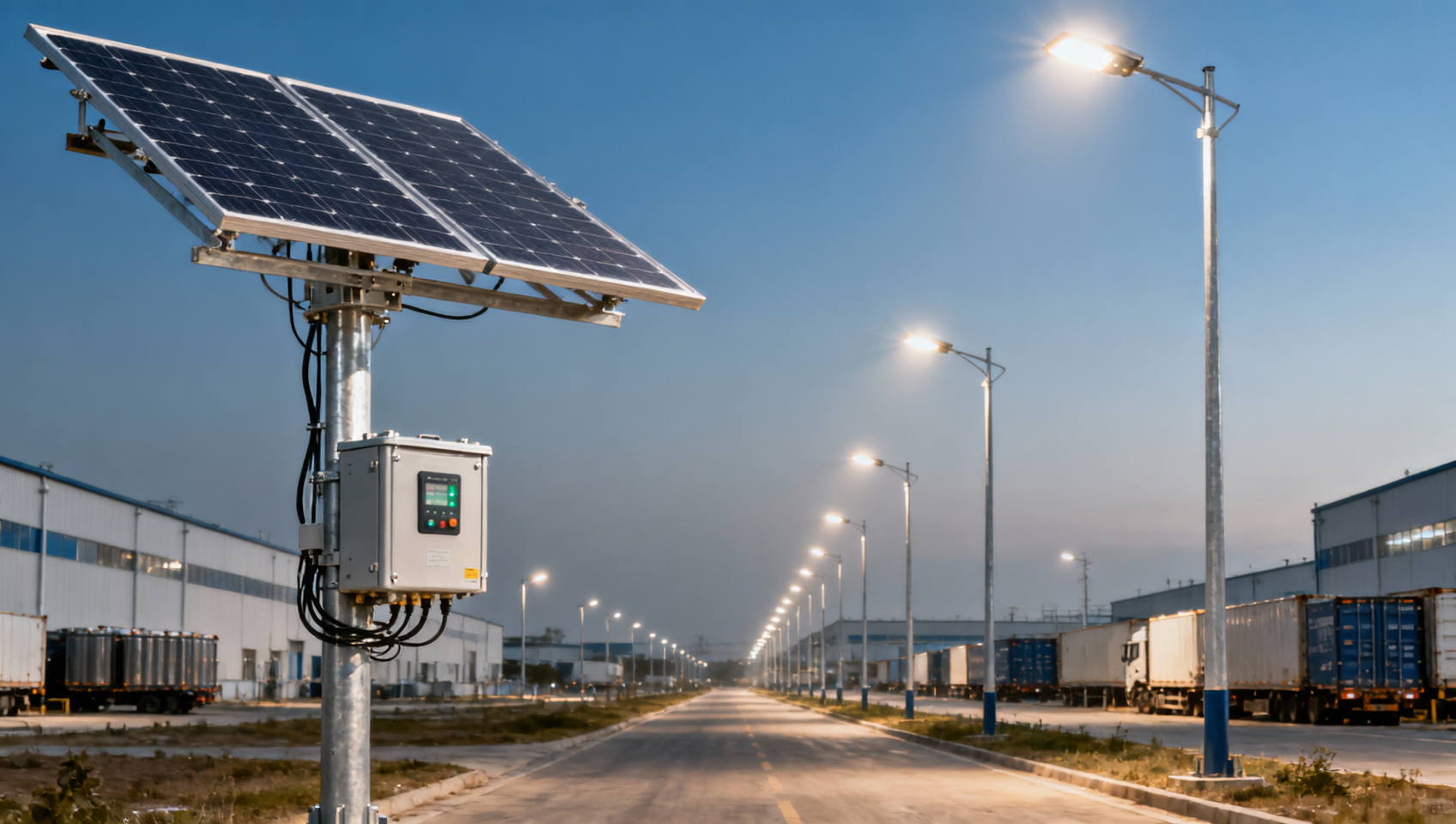
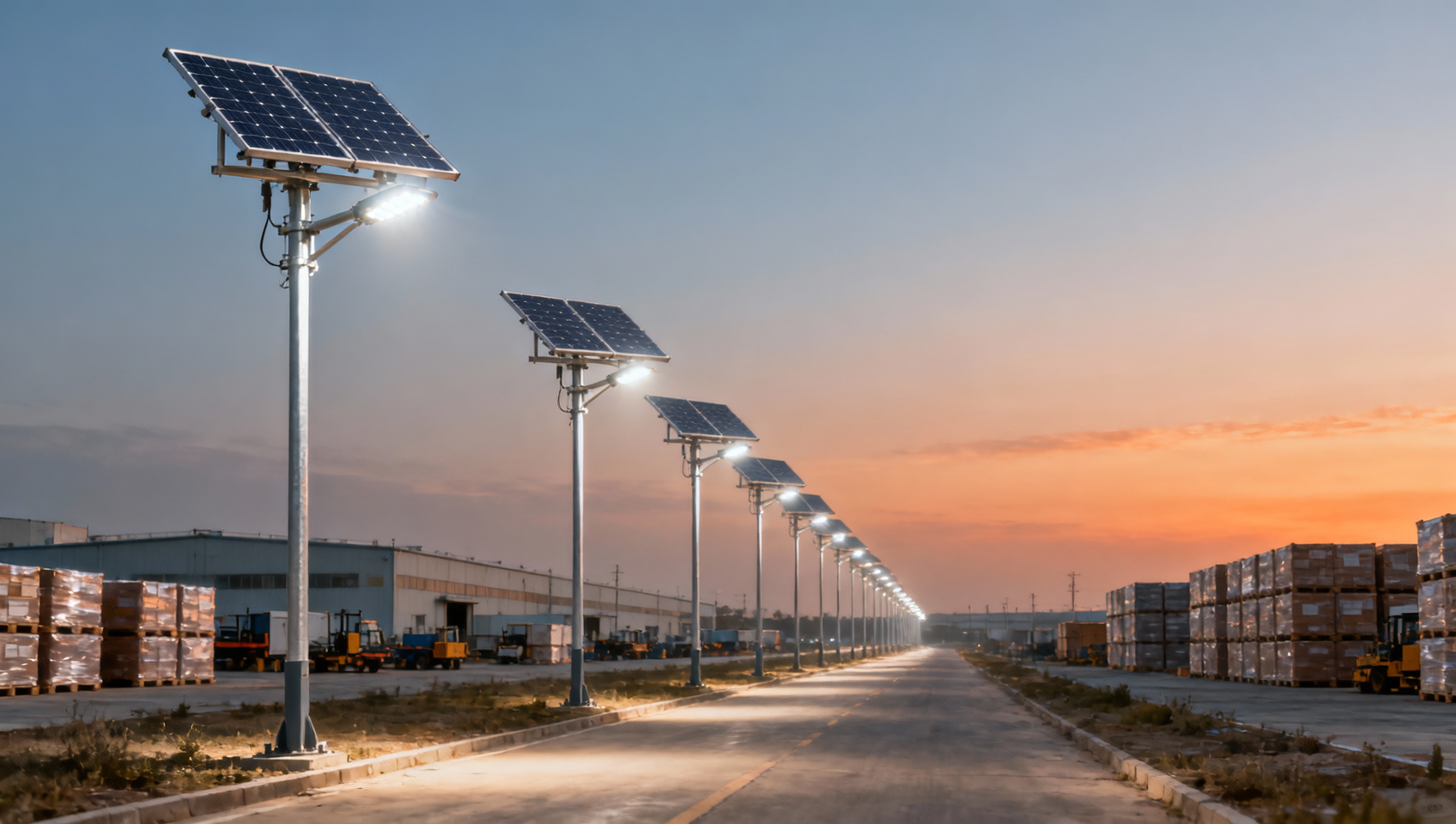
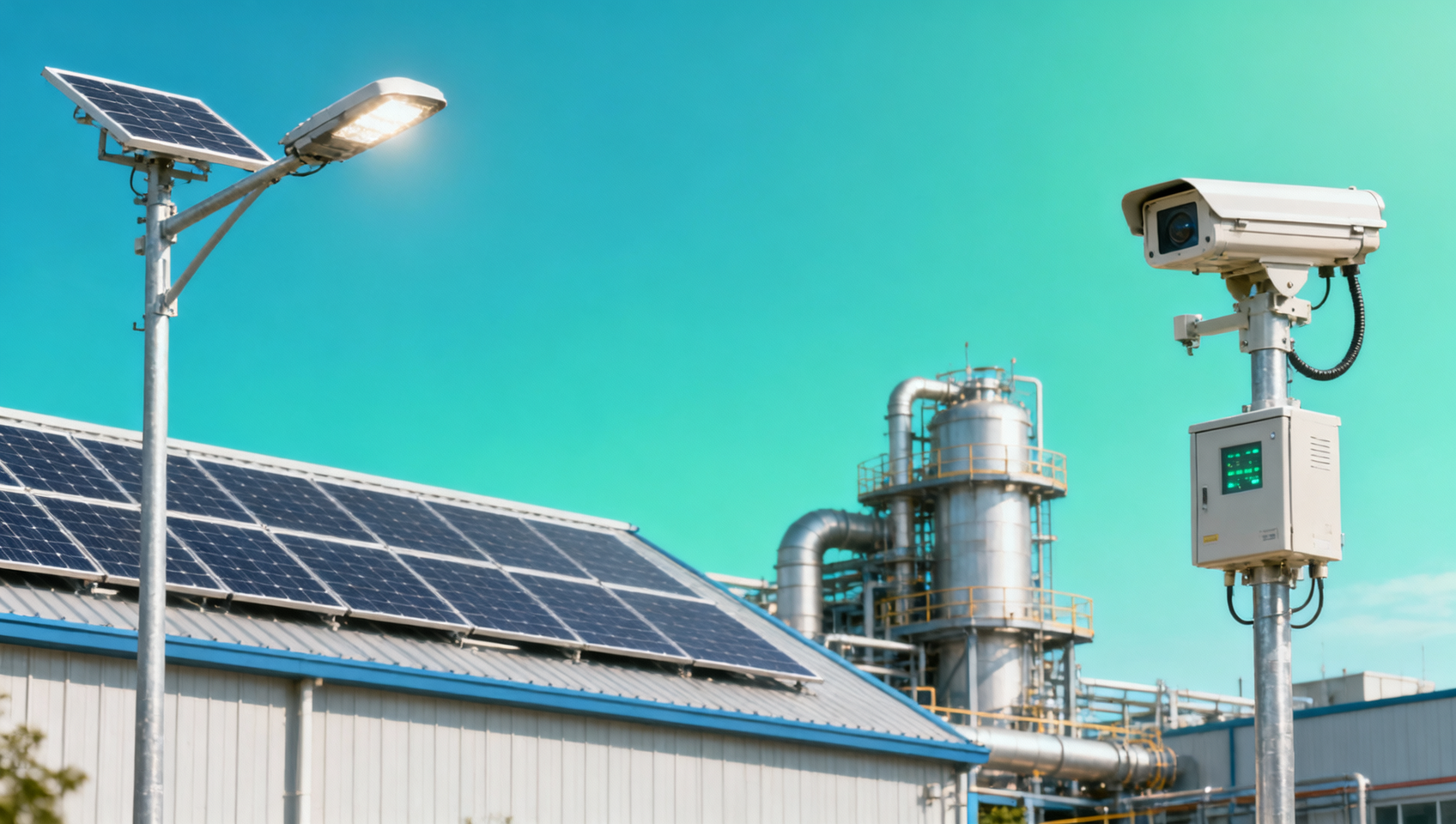
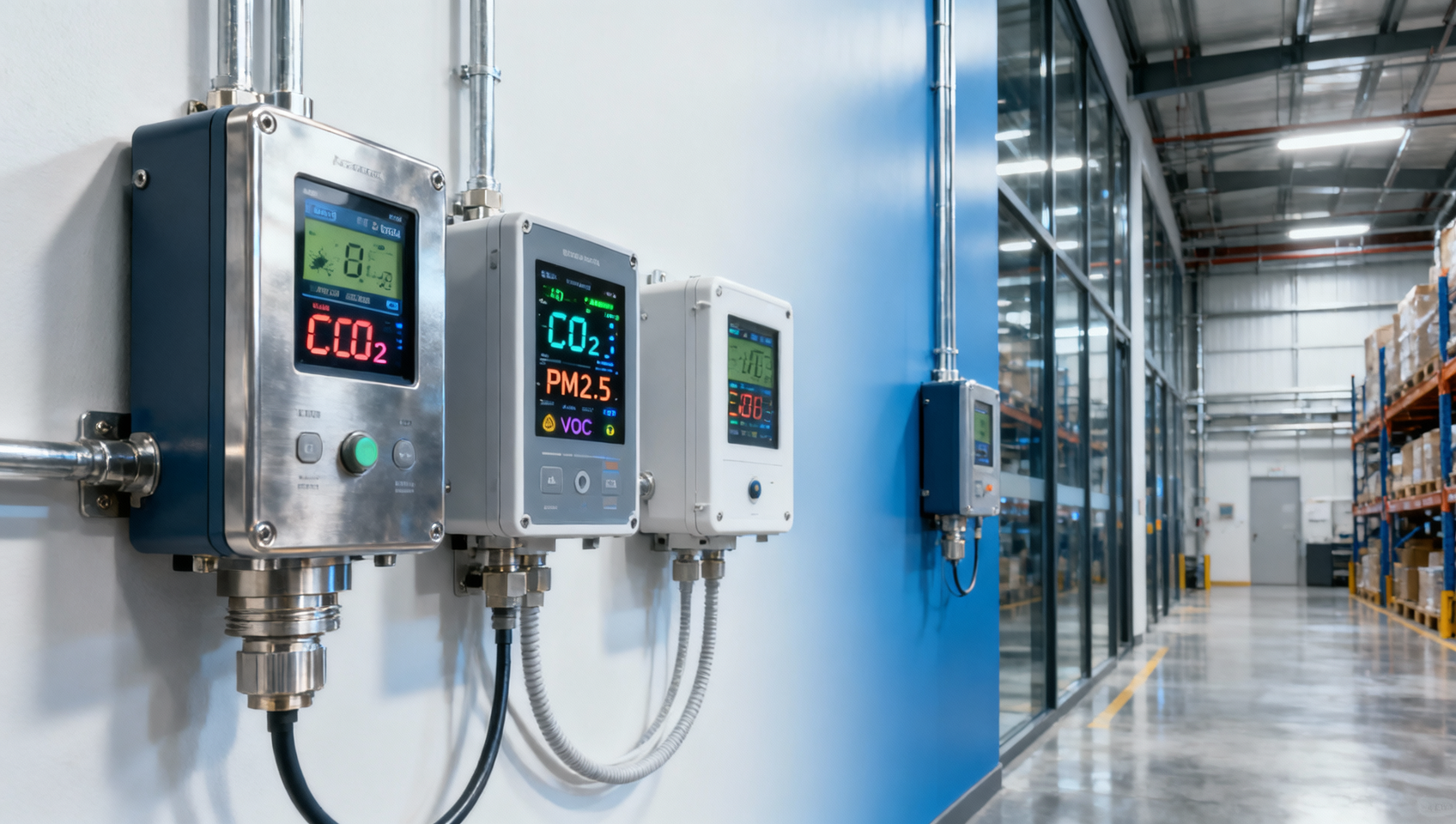
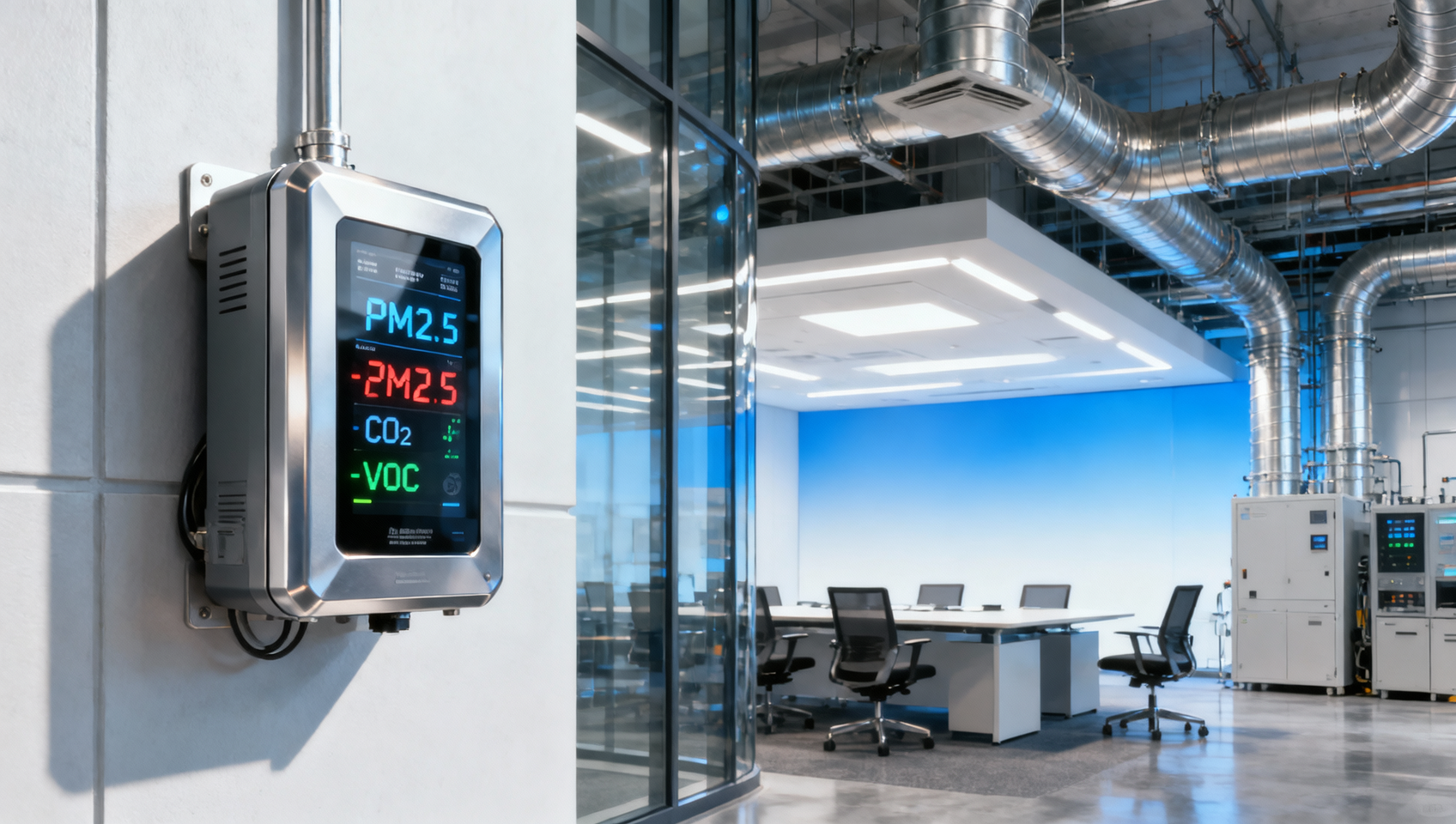
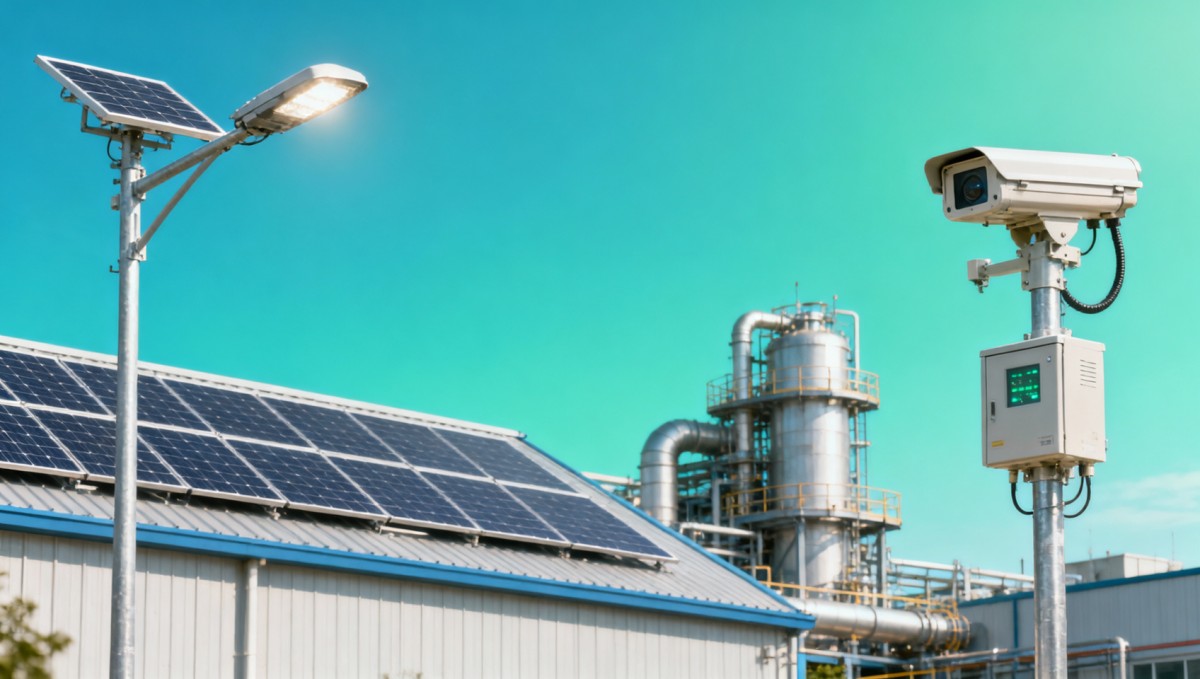
The answer depends on the application, but the pattern is consistent. In outdoor infrastructure such as solar street lights, savings often come from avoiding trenching, reducing grid connection work, and lowering ongoing electricity bills. In indoor or semi-industrial environments, savings are frequently tied to ventilation efficiency, continuous monitoring, lower compliance risk, and fewer manual inspections.
Project managers should separate visible costs from hidden costs. Visible costs include modules, sensors, lighting units, mounting structures, and installation labor. Hidden costs appear later: replacement batteries after 2–5 years, calibration requirements every 6–12 months, firmware support, fault response time, and spare-parts availability across regions.
For operators and safety managers, the most valuable savings may come from stability and predictability. A system that runs within the intended load profile, keeps readings within required tolerance, and stays serviceable with standard parts can prevent rushed emergency procurement. That kind of operational stability is difficult to see in a basic product quote, but it has direct budget impact.
The table below shows how different clean energy project types generate savings in different ways. It helps procurement teams compare not only what they buy, but also what financial behavior each solution creates over time.
Get weekly intelligence in your inbox.
No noise. No sponsored content. Pure intelligence.
 Apr 21, 2026China Builds National Mine Safety Risk Monitoring 'Single Network'China Builds National Mine Safety Risk Monitoring 'Single Network'
 Apr 21, 2026MIIT Releases First List of AI+Manufacturing IncubatorsMIIT Releases First List of AI+Manufacturing Incubators
 Apr 21, 20262026 Shanghai Fastener Show: 1,423 Exhibitors, Robot-Specialized Fasteners in Focus2026 Shanghai Fastener Show: 1,423 Exhibitors, Robot-Specialized Fasteners in Focus
 Apr 21, 2026Vietnam Launches Anti-Circumvention Probe on Chinese-Assembled Electronic ComponentsVietnam Launches Anti-Circumvention Probe on Chinese-Assembled Electronic Components
 Apr 21, 2026China Academy Releases 2026 Digital Passport White PaperChina Academy Releases 2026 Digital Passport White Paper
 Apr 21, 2026Suez Canal AI Speed & Stowage Control Starts Apr 19, 2026Suez Canal AI Speed & Stowage Control Starts Apr 19, 2026
 Apr 21, 2026US BIS Adds EV Onboard Chargers with AES-256+ Encryption to Export ControlsUS BIS Adds EV Onboard Chargers with AES-256+ Encryption to Export Controls
 Apr 21, 2026TÜV Rheinland Updates BESS Certification: Thermal Cascade Protection Now MandatoryTÜV Rheinland Updates BESS Certification: Thermal Cascade Protection Now Mandatory
 Apr 21, 2026Shanghai Port Launches Green Clearance Channel for New Energy EquipmentShanghai Port Launches Green Clearance Channel for New Energy Equipment
 Apr 21, 2026IEC 63275:2026 Released: Global EMC Immunity Testing Standard for Warehouse RobotsIEC 63275:2026 Released: Global EMC Immunity Testing Standard for Warehouse Robots
 Apr 20, 2026How to Avoid Common Solar Street Light FailuresHow to Avoid Common Solar Street Light Failures
 Apr 20, 2026Solar Street Lights: When Do They Really Pay Off?Solar Street Lights: When Do They Really Pay Off?
 Apr 20, 2026What Makes an Ultrasound Machine Worth the Cost?What Makes an Ultrasound Machine Worth the Cost?
 Apr 20, 2026Ultrasound Machines: New vs Refurbished in 2026Ultrasound Machines: New vs Refurbished in 2026
 Apr 20, 2026How to Evaluate Clean Energy ROI in 2026How to Evaluate Clean Energy ROI in 2026
 Apr 20, 2026Clean Energy Projects: Where Savings Really Come FromClean Energy Projects: Where Savings Really Come From
 Apr 20, 2026Air Quality Monitors: What to Check Before BuyingAir Quality Monitors: What to Check Before Buying
 Apr 20, 2026How Accurate Are Air Quality Monitors Indoors?How Accurate Are Air Quality Monitors Indoors?
 Apr 20, 2026How AR Glasses Improve Remote MaintenanceHow AR Glasses Improve Remote Maintenance
 Apr 20, 2026AR Glasses for Field Work: Worth It or Not?AR Glasses for Field Work: Worth It or Not?
 Apr 20, 2026Which AED Defibrillators Are Easiest to Use?Which AED Defibrillators Are Easiest to Use?
 Apr 20, 2026AED Defibrillators: What Buyers Often MissAED Defibrillators: What Buyers Often Miss
 Apr 20, 2026How to Compare 3PL Logistics Providers for GrowthHow to Compare 3PL Logistics Providers for Growth
 Apr 20, 20263PL Logistics Costs Explained Before You Outsource3PL Logistics Costs Explained Before You Outsource
 Apr 20, 2026WMS vs ERP: What Matters on the Warehouse Floor?WMS vs ERP: What Matters on the Warehouse Floor?
 Apr 20, 2026How to Choose a Warehouse Management System in 2026How to Choose a Warehouse Management System in 2026
 Apr 20, 2026How to Choose TENS Units for Home Pain ReliefHow to Choose TENS Units for Home Pain Relief