IEC 63275:2026 Released: Global EMC Immunity Testing Standard for Warehouse Robots
On 20 April 2026, the International Electrotechnical Commission (IEC) published IEC 63275:2026 — the first globally harmonized standard specifying electromagnetic compatibility (EMC) immunity test methods for warehouse robots. This development directly affects manufacturers of export-oriented automated guided vehicles (AGVs) and autonomous mobile robots (AMRs), particularly those targeting regulatory compliance in the EU, Japan, South Korea, and the Middle East.
Event Overview
The International Electrotechnical Commission (IEC) officially released IEC 63275:2026 on 20 April 2026. The standard defines uniform test requirements for immunity to radio-frequency conducted disturbances, electrostatic discharge (ESD), and electrical fast transient/burst (EFT/B) in industrial warehouse environments. It is publicly available as a finalized international standard.
Industries Affected by Segment
Export-Oriented AGV/AMR Manufacturers
These companies face revised type-approval pathways for key markets. The standard now serves as a mandatory or strongly referenced benchmark for EMC conformity assessments in regions adopting IEC-aligned regulations — notably the EU’s EMC Directive (2014/30/EU), Japan’s JIS C 61000 series, and emerging technical regulations in Gulf Cooperation Council (GCC) member states.
EMC Testing Laboratories & Certification Bodies
Laboratories supporting industrial robotics clients must update test protocols, calibration documentation, and reporting templates to align with IEC 63275:2026’s specific test levels, coupling methods, and pass/fail criteria. Accreditation scope extensions may be required where national accreditation bodies (e.g., UKAS, JAB, CNAS) incorporate the new standard into their recognition frameworks.
Supply Chain Integrators & System Builders
Firms integrating third-party robot units into larger warehouse automation systems must verify that component-level EMC immunity claims are validated per IEC 63275:2026 — not legacy standards such as IEC 61000-4-x editions intended for general industrial equipment. Interoperability and system-level immunity verification may require updated risk assessment procedures.
What Relevant Enterprises or Practitioners Should Focus On Now
Monitor official adoption timelines in target markets
While IEC 63275:2026 is published, its incorporation into regional legislation (e.g., EU harmonized standards lists, Japanese METI notifications) remains pending. Current more appropriate action is to track updates from national standards bodies — such as CENELEC for Europe, JISC for Japan, or SASO for Saudi Arabia — rather than assume immediate legal enforceability.
Review current product test reports against the new immunity levels
Analysis shows IEC 63275:2026 specifies higher immunity thresholds for ESD (±8 kV contact, ±15 kV air) and EFT/B (±2 kV line-to-line) compared to generic industrial equipment standards. Exporters should cross-check existing test data to identify potential gaps before initiating new certification cycles.
Engage early with accredited labs on test method alignment
From industry angle, some laboratories have begun offering pre-compliance testing based on draft versions of IEC 63275. Companies preparing for upcoming certifications should confirm whether their lab has implemented the final 2026 edition’s test setup — especially regarding coupling network configuration and robot operational mode during testing.
Update technical documentation and declaration of conformity templates
Manufacturers issuing EU Declarations of Conformity or GCC Conformity Certificates will need to reference IEC 63275:2026 explicitly once it appears in relevant Official Journal references. Internal document control systems should flag this standard for revision of user manuals, installation guides, and EMC-related safety instructions.
Editorial Perspective / Industry Observation
This release is better understood as a foundational alignment signal — not yet an enforcement trigger. Observation来看, IEC 63275:2026 reflects growing consensus on the unique EMC stressors in high-density robotic warehouses (e.g., variable-frequency drive interference, multi-robot RF coexistence), but regulatory uptake will likely take 12–24 months. Analysis来看, its significance lies less in immediate compliance deadlines and more in shaping future design-for-compliance practices: robot firmware behavior under disturbance, shielded cabling specifications, and real-time sensor immunity validation are now implicitly scoped within the standard’s application domain.
Current more appropriate interpretation is that IEC 63275:2026 marks the start of a transition period — one that rewards proactive technical review over reactive certification.
Conclusion: IEC 63275:2026 establishes the first internationally agreed EMC immunity framework tailored to warehouse robotics. Its practical impact is currently procedural and preparatory: it redefines test expectations, influences certification roadmaps, and elevates baseline engineering requirements for global market access. For stakeholders, the priority is not immediate recertification, but systematic evaluation of current compliance posture against the new benchmark.
Source: International Electrotechnical Commission (IEC), IEC 63275:2026 publication notice (April 2026). Note: Ongoing observation is required for national transposition status and inclusion in regional harmonized standards lists.
Get weekly intelligence in your inbox.
No noise. No sponsored content. Pure intelligence.
 Apr 21, 2026China Builds National Mine Safety Risk Monitoring 'Single Network'China Builds National Mine Safety Risk Monitoring 'Single Network'
 Apr 21, 2026MIIT Releases First List of AI+Manufacturing IncubatorsMIIT Releases First List of AI+Manufacturing Incubators
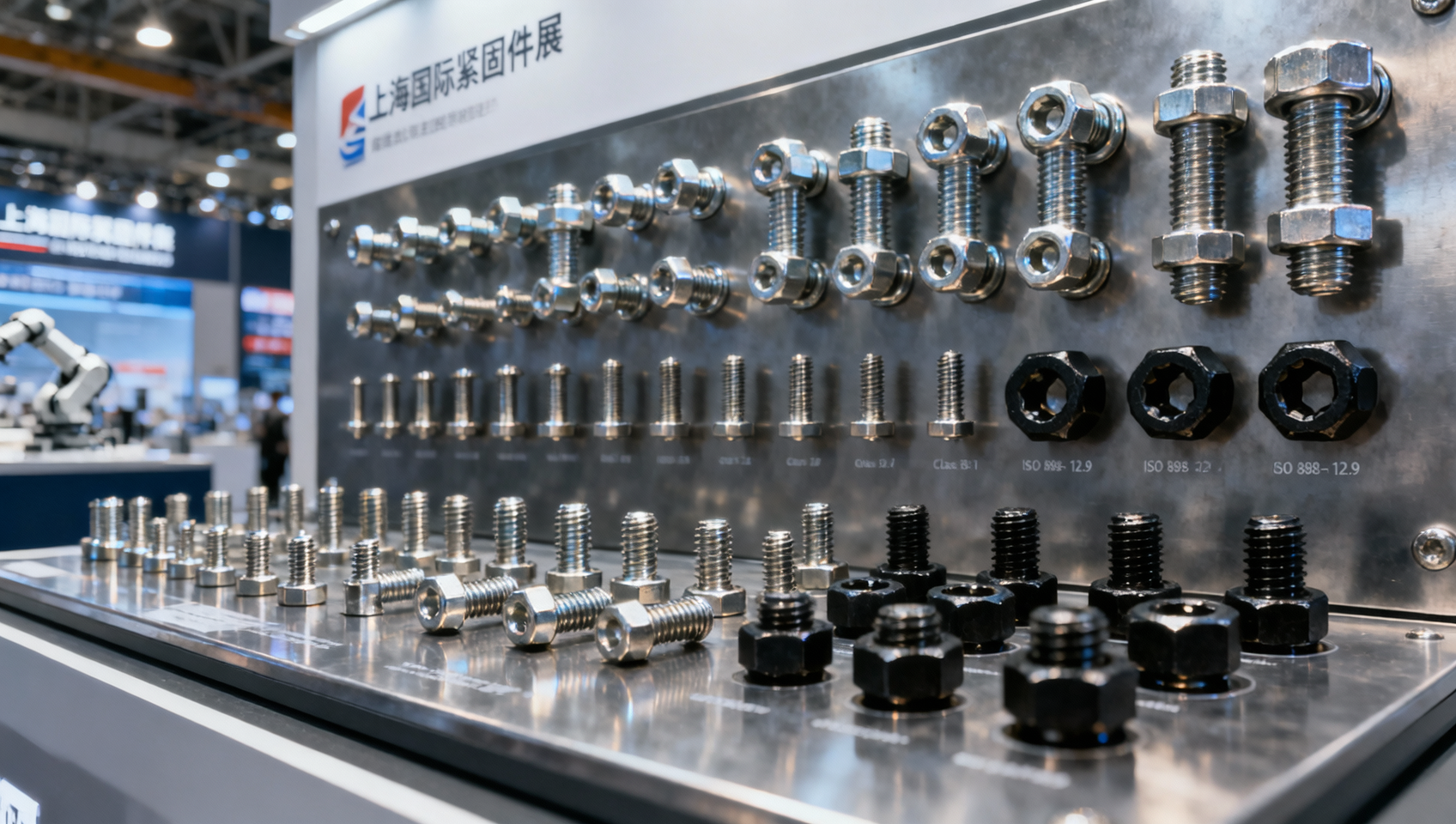
 Apr 21, 20262026 Shanghai Fastener Show: 1,423 Exhibitors, Robot-Specialized Fasteners in Focus2026 Shanghai Fastener Show: 1,423 Exhibitors, Robot-Specialized Fasteners in Focus
 Apr 21, 2026Vietnam Launches Anti-Circumvention Probe on Chinese-Assembled Electronic ComponentsVietnam Launches Anti-Circumvention Probe on Chinese-Assembled Electronic Components
 Apr 21, 2026China Academy Releases 2026 Digital Passport White PaperChina Academy Releases 2026 Digital Passport White Paper
 Apr 21, 2026Suez Canal AI Speed & Stowage Control Starts Apr 19, 2026Suez Canal AI Speed & Stowage Control Starts Apr 19, 2026
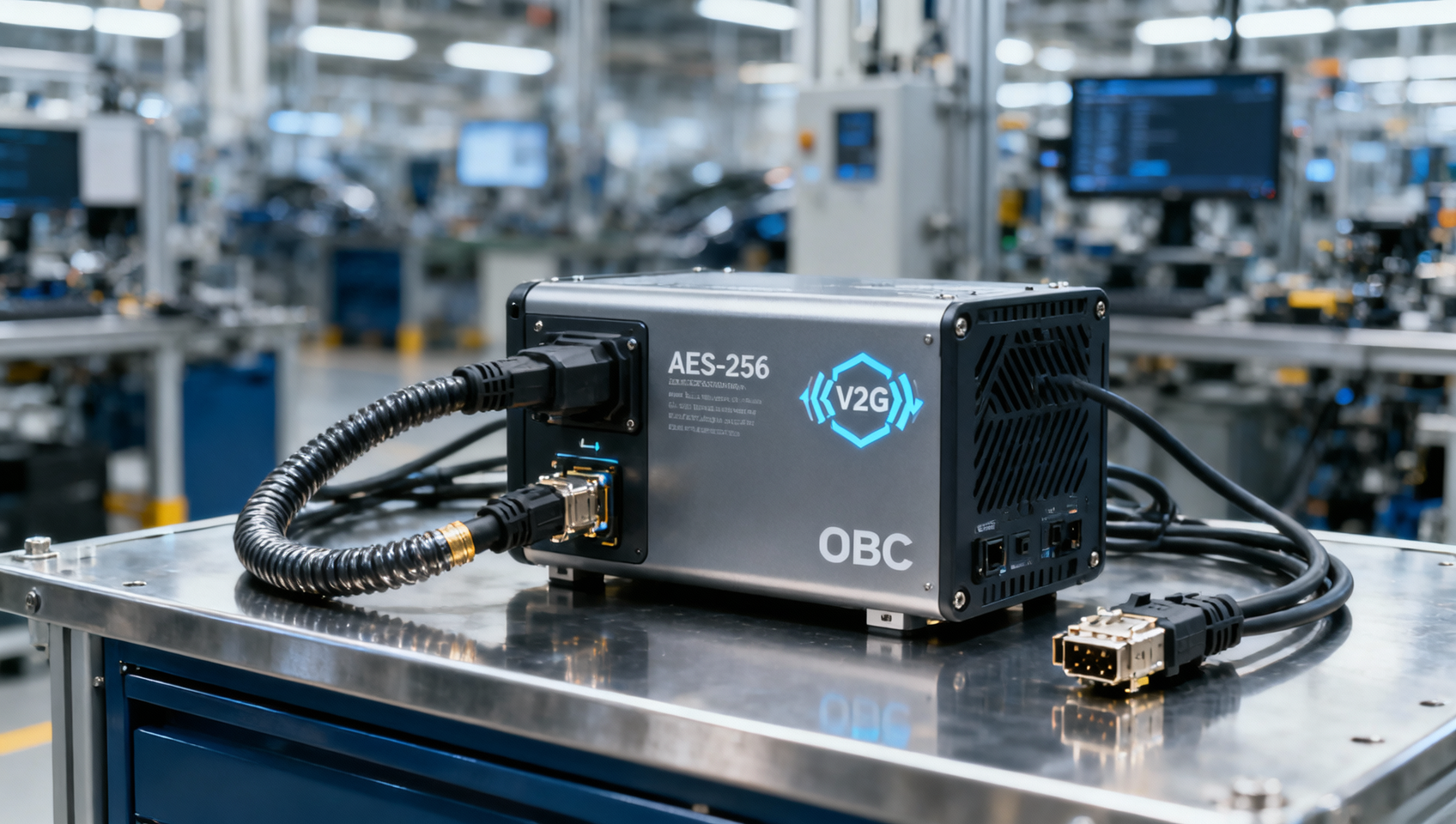
 Apr 21, 2026US BIS Adds EV Onboard Chargers with AES-256+ Encryption to Export ControlsUS BIS Adds EV Onboard Chargers with AES-256+ Encryption to Export Controls
 Apr 21, 2026TÜV Rheinland Updates BESS Certification: Thermal Cascade Protection Now MandatoryTÜV Rheinland Updates BESS Certification: Thermal Cascade Protection Now Mandatory
 Apr 21, 2026Shanghai Port Launches Green Clearance Channel for New Energy EquipmentShanghai Port Launches Green Clearance Channel for New Energy Equipment
 Apr 21, 2026IEC 63275:2026 Released: Global EMC Immunity Testing Standard for Warehouse RobotsIEC 63275:2026 Released: Global EMC Immunity Testing Standard for Warehouse Robots
 Apr 20, 2026Solar Street Lights: When Do They Really Pay Off?Solar Street Lights: When Do They Really Pay Off?
 Apr 20, 2026What Makes an Ultrasound Machine Worth the Cost?What Makes an Ultrasound Machine Worth the Cost?
 Apr 20, 2026Ultrasound Machines: New vs Refurbished in 2026Ultrasound Machines: New vs Refurbished in 2026
 Apr 20, 2026How to Evaluate Clean Energy ROI in 2026How to Evaluate Clean Energy ROI in 2026
 Apr 20, 2026Clean Energy Projects: Where Savings Really Come FromClean Energy Projects: Where Savings Really Come From
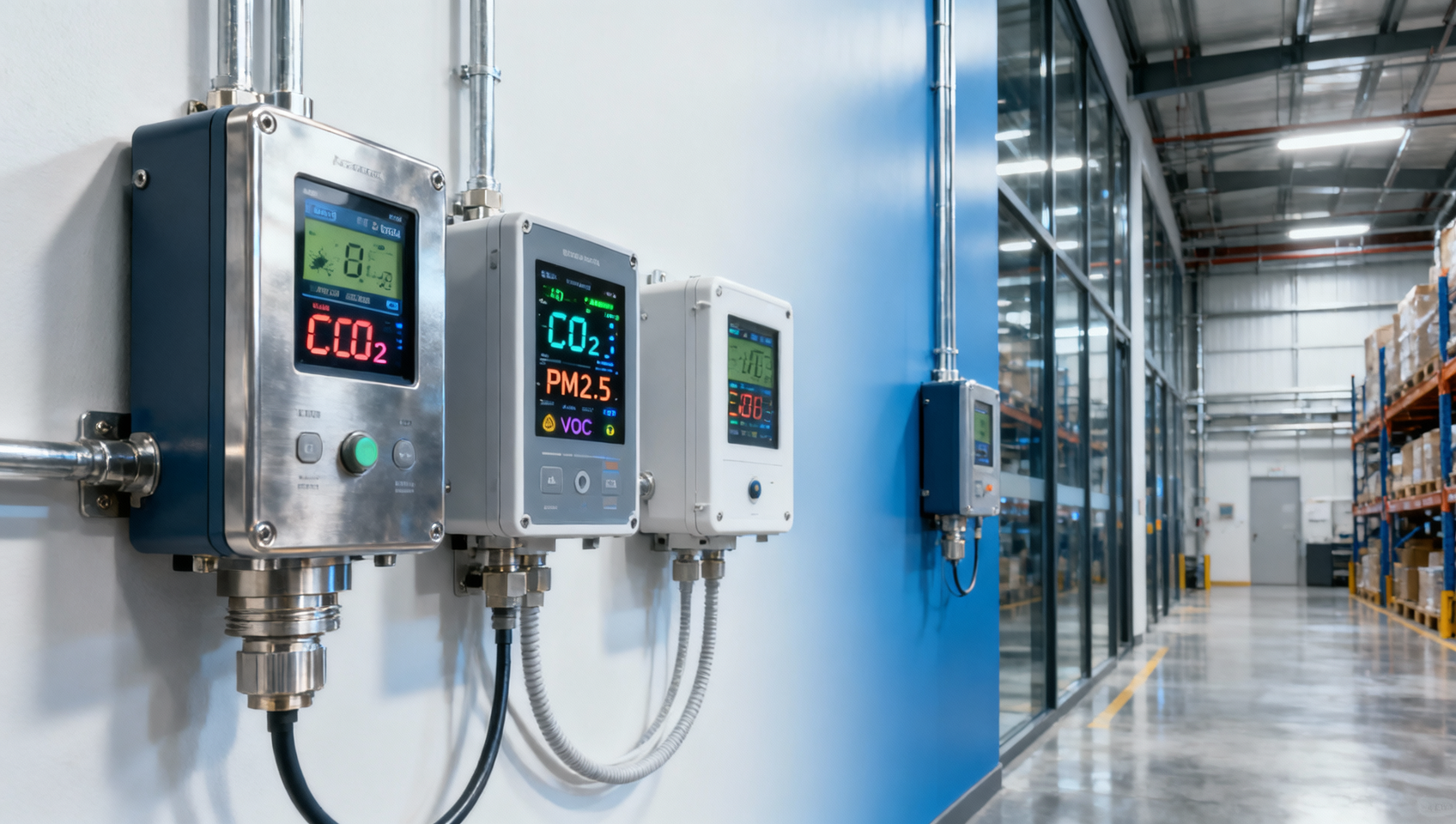
 Apr 20, 2026Air Quality Monitors: What to Check Before BuyingAir Quality Monitors: What to Check Before Buying
 Apr 20, 2026How Accurate Are Air Quality Monitors Indoors?How Accurate Are Air Quality Monitors Indoors?
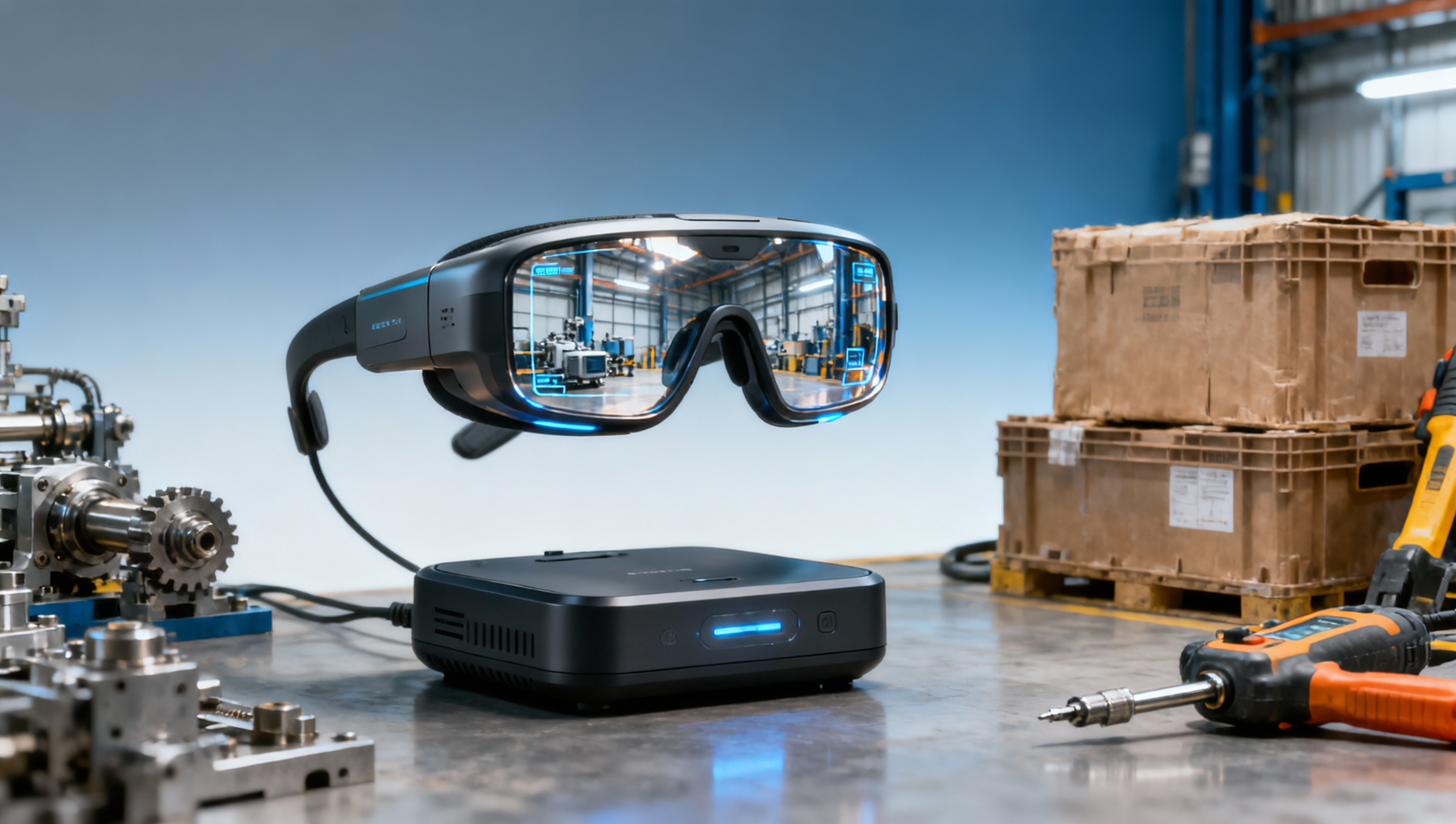
 Apr 20, 2026AR Glasses for Field Work: Worth It or Not?AR Glasses for Field Work: Worth It or Not?
 Apr 20, 2026Which AED Defibrillators Are Easiest to Use?Which AED Defibrillators Are Easiest to Use?
 Apr 20, 2026AED Defibrillators: What Buyers Often MissAED Defibrillators: What Buyers Often Miss
 Apr 20, 2026How to Compare 3PL Logistics Providers for GrowthHow to Compare 3PL Logistics Providers for Growth
 Apr 20, 20263PL Logistics Costs Explained Before You Outsource3PL Logistics Costs Explained Before You Outsource
 Apr 20, 2026WMS vs ERP: What Matters on the Warehouse Floor?WMS vs ERP: What Matters on the Warehouse Floor?
 Apr 20, 2026How to Choose a Warehouse Management System in 2026How to Choose a Warehouse Management System in 2026
 Apr 20, 2026TENS Units: When Do They Help and When Don’t They?TENS Units: When Do They Help and When Don’t They?
 Apr 20, 2026Why Electronic Health Records Software Projects Go Over BudgetWhy Electronic Health Records Software Projects Go Over Budget
 Apr 20, 2026Electronic Health Records Software: What Should You Compare First?Electronic Health Records Software: What Should You Compare First?