How to Avoid Common Solar Street Light Failures
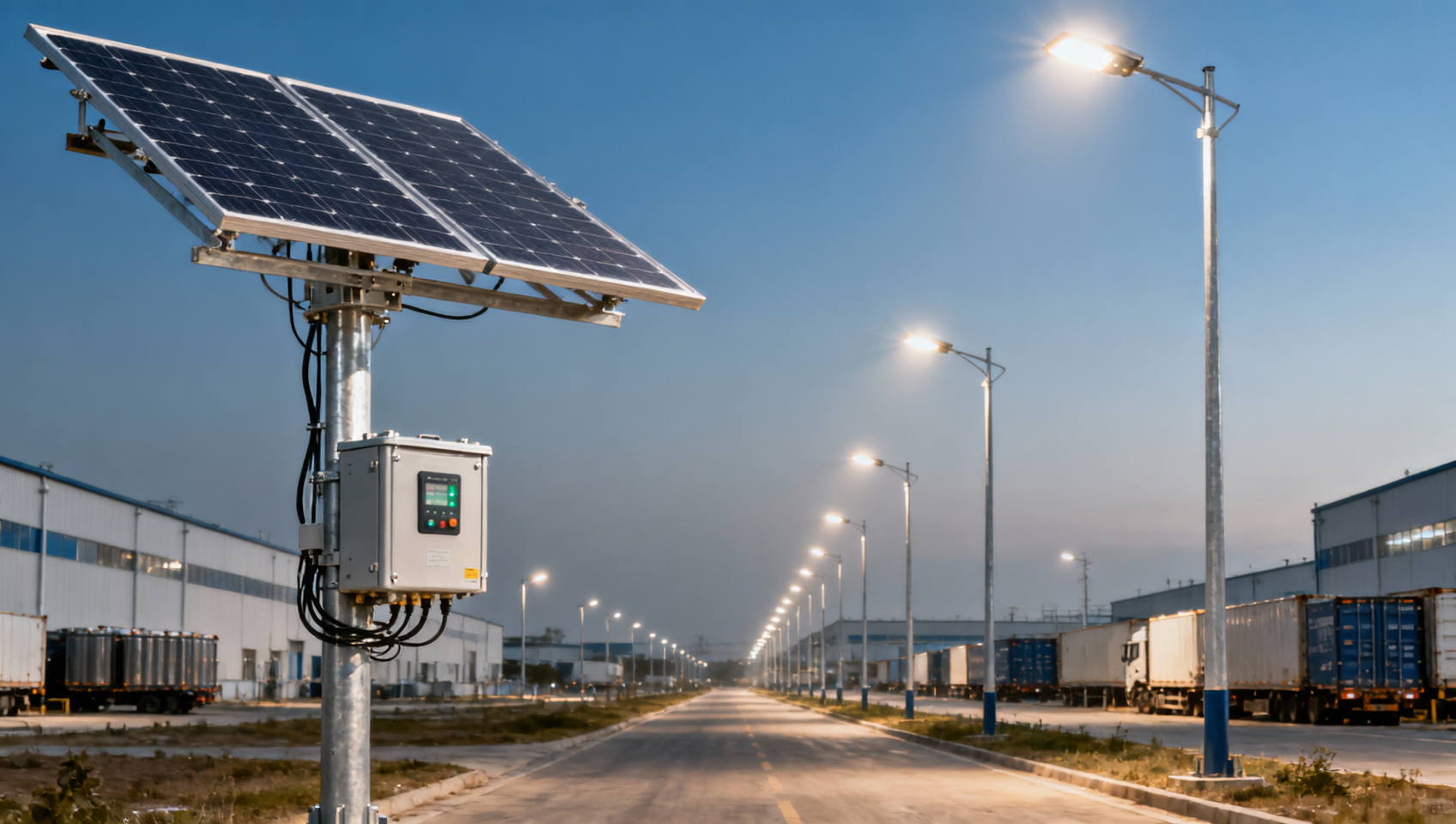
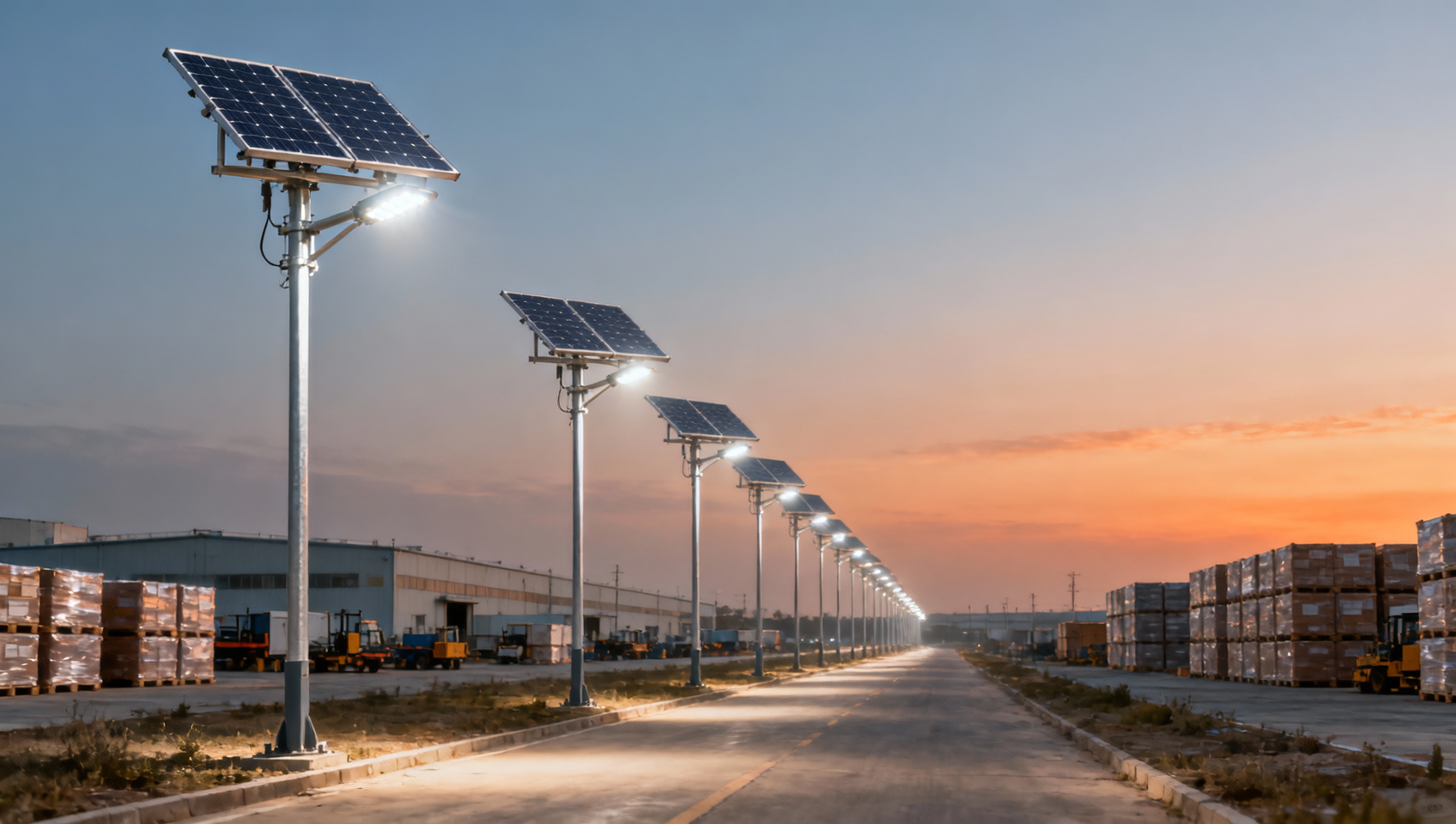
Solar street lights can cut energy costs and support clean energy goals, but common failures often stem from poor battery care, controller mismatch, weak installation, or overlooked maintenance. For project managers, technical evaluators, and buyers, understanding these risks is the first step to improving energy efficiency, extending service life, and ensuring reliable outdoor lighting performance.
Why do solar street light failures happen so often in real projects?
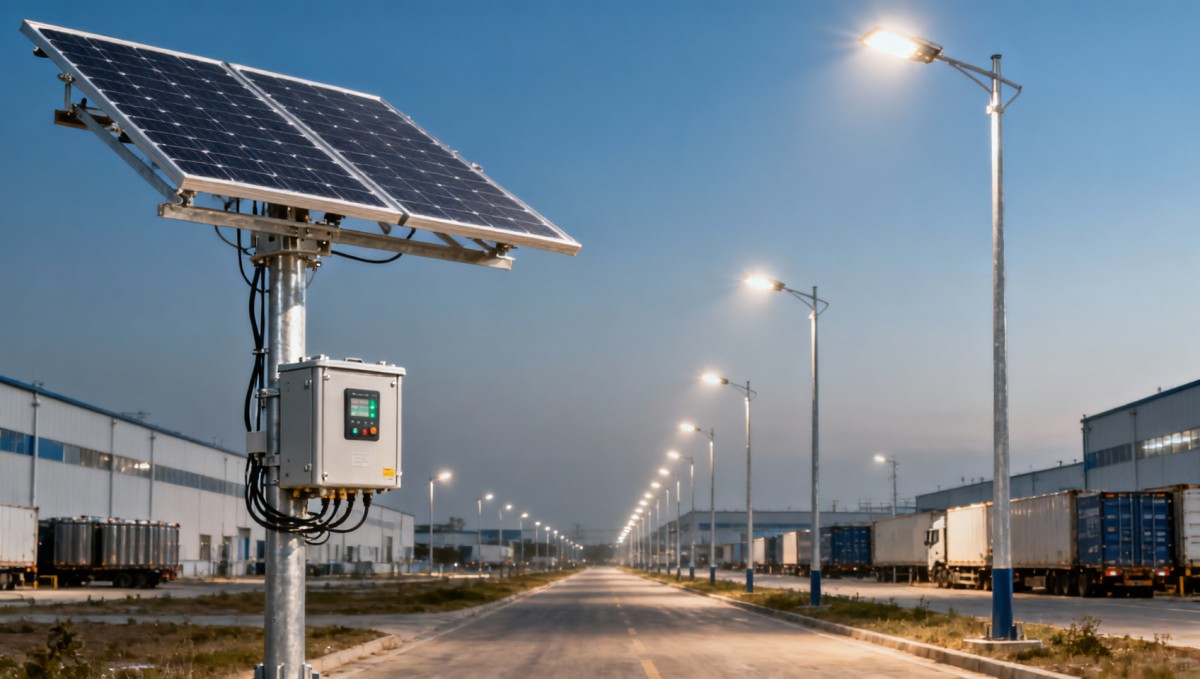
In many municipal, industrial, and commercial projects, solar street light failure is not caused by one defective part. It usually results from a chain of weak decisions across design, procurement, installation, and maintenance. A system may appear sufficient on paper, yet fail after 6–18 months because battery capacity, solar panel sizing, controller logic, local weather conditions, and pole installation were never matched as one integrated package.
This is especially important in cross-border B2B sourcing, where buyers often compare quotations by unit price rather than lifecycle suitability. For technical evaluators, the core question is not simply whether the lamp turns on, but whether it can maintain stable lighting autonomy for 2–5 rainy days, survive high ambient temperatures, and keep performance within a predictable maintenance cycle. For finance approvers, failure means rework, site visits, warranty disputes, and hidden operating costs.
From a project management perspective, common failure points usually cluster around 4 areas: energy storage, charge-discharge control, structural installation, and preventive maintenance. In remote roads, logistics parks, factory perimeters, and residential access lanes, the cost of one outage can extend beyond visibility issues. It can also affect safety compliance, public perception, and contractor accountability during inspection.
TradeNexus Pro helps procurement leaders and engineering teams look beyond generic supplier claims. By tracking technology shifts across green energy and smart electronics, TNP supports more precise judgment on component compatibility, supply reliability, and vendor communication standards. That matters when buyers need to compare all-in-one and split-type systems, review service lead times of 2–4 weeks, or assess whether a lower quote will create higher field failure risk later.
The 5 most frequent root causes
- Battery misuse or wrong chemistry selection, especially when high-temperature regions use batteries that are sensitive to deep discharge and heat buildup.
- Controller mismatch, where charging thresholds, dimming schedules, or load protection settings do not align with battery and LED load behavior.
- Insufficient solar panel sizing for winter irradiation, shaded environments, or locations with frequent cloudy periods lasting 3–5 days.
- Weak pole foundation, poor cable sealing, or improper tilt angle, which can introduce water ingress, vibration damage, and unstable charging.
- Lack of inspection intervals, where systems run for 6–12 months without checking battery health, bracket tightness, or lens contamination.
Which components should buyers check first to avoid premature failure?
A solar street light system is only as reliable as its weakest subsystem. Buyers should evaluate not only the light source and lumen output, but also the electrical, thermal, and structural balance of the full unit. A common mistake is approving a product based on wattage alone. In reality, the battery type, panel wattage, controller protections, LED driver efficiency, IP rating, and mounting configuration all influence whether the system will keep operating over seasonal cycles.
For technical screening, it is useful to divide the review into 6 key checkpoints: battery chemistry, battery capacity, PV module sizing, controller functions, luminaire enclosure protection, and mounting durability. In practical procurement, the best-performing configuration is not always the highest-power option. A 30W–60W system with stable energy budgeting and proper dusk-to-dawn logic may outperform a higher-rated lamp that is undercharged for several weeks each winter.
The table below gives a practical evaluation view for teams comparing suppliers, especially when quotations vary widely but datasheets remain vague. It helps procurement, quality control, and project engineers align on what to verify before issuing a purchase order or approving pilot deployment.
For business evaluators, this comparison also clarifies why lower upfront pricing can be misleading. If one supplier omits battery protection details or avoids stating cloudy-day autonomy, the cost difference may be caused by underspecification rather than manufacturing efficiency. In solar street light procurement, reliability starts with transparent component disclosure.
How to review battery and controller compatibility
Battery and controller pairing is one of the most overlooked technical issues. Lithium iron phosphate options are often preferred for outdoor systems because they typically offer better thermal stability and service life than lower-cost alternatives, but they still require proper charging profiles and low-voltage cutoffs. A mismatch can reduce useful battery life far earlier than expected, even if the lamp seems normal during the first few months.
Engineering teams should ask for the operating temperature range, battery management method, and controller strategy for partial-load operation. If a system uses timed dimming, motion sensing, or split-night scheduling, those functions should be reviewed in relation to actual site usage. For roads with low midnight traffic, reducing output after 4–6 hours can significantly lower battery stress and improve lighting continuity during cloudy periods.
Minimum pre-approval checklist
- Confirm whether the stated battery capacity is nominal or usable capacity under controller protection logic.
- Check the expected autonomy in realistic conditions, not only in laboratory full-charge assumptions.
- Review whether controller settings support seasonal dimming, sensor delay, and low-battery fallback mode.
- Verify enclosure sealing, connector quality, and replacement accessibility for field maintenance teams.
How do installation errors turn a good solar street light into a failing system?
Even a well-specified solar street light can fail early if installation is rushed. Across roadsides, campuses, ports, and industrial yards, many complaints stem from avoidable field issues rather than factory defects. Typical examples include wrong panel orientation, loose anchor bolts, incomplete waterproof sealing, battery compartment overheating, and installation in shaded zones caused by trees, buildings, or signage. These are small site decisions with large operational consequences.
For project managers, installation quality should be controlled in 3 stages: site survey, mechanical assembly, and commissioning verification. Each stage should have defined acceptance items. A missing survey often leads to incorrect spacing or shading assumptions. Weak mechanical assembly creates structural movement in wind or rain. Poor commissioning leaves timing logic, sensor settings, and charge status unchecked before handover.
Quality and safety personnel should also pay close attention to cable entry points, corrosion exposure, and pole stability. In coastal or high-humidity areas, even minor sealing failures can trigger water ingress within one rainy season. In hot inland zones, poor ventilation around the battery compartment can elevate thermal stress during repeated charge-discharge cycles. These risks should be addressed before installation teams leave the site.
The following table can help teams align installation control with failure prevention. It is especially useful for EPC contractors, municipal buyers, and industrial facility operators who need a repeatable inspection routine across multiple project locations.
This approach reduces the tendency to blame products for installation defects. For procurement teams, it also improves warranty clarity. If site records show orientation checks, sealing inspection, and commissioning logs, suppliers and buyers can resolve technical responsibility faster and avoid lengthy disputes after project completion.
A practical 4-step installation control process
- Survey the site for shading, road width, pole spacing, and expected lighting hours before finalizing system wattage.
- Inspect delivered materials against the approved bill of materials, including battery specifications and controller settings.
- Execute mechanical and electrical installation with documented checks on sealing, torque, orientation, and sensor alignment.
- Complete a commissioning record over at least 1 operational cycle, then store photos and logs for future maintenance and warranty use.
What should procurement and decision teams compare before approving a supplier?
Solar street light sourcing becomes risky when purchasing teams evaluate only three visible factors: wattage, pole height, and price. In B2B buying, especially for public lighting, industrial compounds, logistics zones, and export-led infrastructure projects, a more useful framework includes lifecycle durability, service support, compliance transparency, and replacement practicality. This is where technical and commercial teams need one shared decision matrix.
A reliable supplier should be able to explain system configuration based on local solar resource, operating schedule, and maintenance constraints. If a vendor cannot clarify whether the design supports 8–12 hours of lighting, 2–3 backup nights, or routine inspection intervals, the proposal may not be mature enough for serious project use. Buyers should also ask how replacement parts are handled, what documentation is included, and how quickly spare components can usually be arranged.
The best procurement process usually combines pilot validation with documented technical review. For medium and large tenders, this may include 5 core dimensions: configuration transparency, environmental suitability, compliance documentation, maintenance accessibility, and response process for defects. TradeNexus Pro is particularly useful here because decision-makers often need cross-sector insight, not just a catalog comparison. TNP helps buyers connect supply chain visibility with technical risk, which is critical when project schedules are tight and supplier claims sound similar.
In many cases, a slightly higher initial cost is justified if the system reduces site visits, keeps spare part management simple, and lowers lighting interruptions over a 3–5 year operating horizon. Finance teams do not need exaggerated promises. They need a clearer model of total ownership risk.
Key procurement questions to ask
- What battery chemistry is used, and what operating temperature conditions was the system designed for?
- How many backup nights are assumed in the configuration, and under what dimming schedule?
- Are installation guidelines, wiring details, and commissioning instructions included with delivery?
- Which parts are field-replaceable, and what is the typical spare support process during the first 12 months?
- What ingress protection and corrosion-resistance considerations are relevant for the target environment?
Standards and compliance points worth reviewing
Not every project requires the same documentation, but procurement and quality teams should typically review electrical safety, luminaire protection, outdoor corrosion exposure, and battery transport considerations. Depending on market and destination, common references may include IP protection levels, basic electrical safety testing, and transport handling requirements for lithium batteries. The point is not to over-document routine procurement; it is to ensure that compliance expectations are clear before shipment and site acceptance.
For multinational sourcing, this clarity helps avoid delays in customs, installation, and handover. It also supports more accurate quotation review because documentation gaps often signal future execution gaps. Good supplier communication should reduce uncertainty, not shift technical responsibility back to the buyer at the last minute.
How can maintenance teams prevent recurring solar street light problems?
Preventive maintenance is one of the lowest-cost ways to avoid solar street light failure, yet it is often skipped because the system is assumed to be self-sustaining. In practice, outdoor lighting still benefits from periodic checks. A simple review every month or every quarter can identify dirt on the panel, physical impact damage, water ingress, cable wear, battery decline, or sensor obstruction before they become service outages.
For operators, maintenance plans should be matched to site conditions. A desert road with dust accumulation needs different cleaning frequency than a humid coastal walkway or a logistics yard with heavy vibration exposure. At minimum, teams should inspect panel cleanliness, lamp operation hours, enclosure sealing, and mounting security. If a site has experienced two or more unexplained failures in one season, the root cause review should include both energy budgeting and installation quality records.
A good maintenance workflow also improves budget planning. Instead of emergency replacement, facility managers can estimate spare needs by component type and service interval. This helps finance teams move from reactive spending to scheduled upkeep. For distributed projects across multiple sites, even a 3-part maintenance log covering visual inspection, electrical behavior, and structural condition can make future troubleshooting much faster.
TradeNexus Pro supports this operational view by connecting technical content with procurement and supply chain decision-making. For enterprise teams managing green energy assets, the value is not only in finding products but in understanding which maintenance assumptions are realistic, how component supply can affect uptime, and what questions should be raised before scaling to larger deployments.
FAQ: common questions before buying or operating solar street lights
How many backup days should a solar street light system have?
A practical range is often 2–5 nights, depending on local weather patterns, road importance, and dimming strategy. High-priority roads or security-sensitive areas may require more reserve than decorative pathways. Buyers should ask whether the quoted autonomy assumes full brightness all night or a staged dimming schedule after peak traffic hours.
Is an all-in-one solar street light always better than a split system?
Not always. All-in-one models can simplify installation and reduce wiring complexity, which works well for faster deployment and lighter-duty projects. Split systems may be more suitable when higher power, flexible panel orientation, or easier battery thermal management is required. The right choice depends on site conditions, maintenance access, and runtime expectations.
What is the most common procurement mistake?
The most common mistake is comparing only fixture power and unit price while ignoring battery autonomy, controller logic, installation requirements, and environmental fit. This often leads to a system that appears economical at purchase but creates repeated maintenance calls and performance complaints after deployment.
How often should maintenance be scheduled?
For many projects, a visual inspection every month and a deeper functional review every quarter is a reasonable starting point. Harsh environments with dust, salt exposure, or heavy vibration may need shorter intervals. Maintenance frequency should be adjusted after the first 6–12 months based on actual site performance.
Why work with us when evaluating solar street light reliability and sourcing options?
TradeNexus Pro is built for professionals who need more than generic product summaries. Our platform serves procurement directors, supply chain managers, technical evaluators, and enterprise decision-makers working across green energy, advanced manufacturing, smart electronics, healthcare technology, and supply chain SaaS. That cross-sector coverage matters because solar street light reliability depends not only on lamp design, but also on battery technology trends, controller integration, component sourcing, and long-term service practicality.
If you are screening suppliers, preparing a tender, or reviewing a retrofit project, we can help structure the decision around real project questions: which parameters need confirmation, how to compare configuration proposals, what delivery cycle is realistic, where compliance gaps usually appear, and how to assess maintenance impact before approval. This is especially useful for teams balancing technical risk with budget pressure and tight rollout schedules.
You can engage with TNP for practical support on product selection logic, component comparison, project documentation priorities, supplier communication points, and market-facing insight across the solar street light supply chain. For buyers and project owners, that means clearer quotation review, better alignment between engineering and procurement, and stronger confidence before pilot orders or larger deployment phases.
Contact us if you need help with parameter confirmation, configuration matching, delivery timeline review, custom project scenarios, documentation expectations, sample evaluation, or quotation discussions. When solar street light failures are prevented at the decision stage, projects run smoother, maintenance becomes more predictable, and outdoor lighting assets deliver better long-term value.
Get weekly intelligence in your inbox.
No noise. No sponsored content. Pure intelligence.
 Apr 21, 2026China Builds National Mine Safety Risk Monitoring 'Single Network'China Builds National Mine Safety Risk Monitoring 'Single Network'
 Apr 21, 2026MIIT Releases First List of AI+Manufacturing IncubatorsMIIT Releases First List of AI+Manufacturing Incubators
 Apr 21, 20262026 Shanghai Fastener Show: 1,423 Exhibitors, Robot-Specialized Fasteners in Focus2026 Shanghai Fastener Show: 1,423 Exhibitors, Robot-Specialized Fasteners in Focus
 Apr 21, 2026Vietnam Launches Anti-Circumvention Probe on Chinese-Assembled Electronic ComponentsVietnam Launches Anti-Circumvention Probe on Chinese-Assembled Electronic Components
 Apr 21, 2026China Academy Releases 2026 Digital Passport White PaperChina Academy Releases 2026 Digital Passport White Paper
 Apr 21, 2026Suez Canal AI Speed & Stowage Control Starts Apr 19, 2026Suez Canal AI Speed & Stowage Control Starts Apr 19, 2026
 Apr 21, 2026US BIS Adds EV Onboard Chargers with AES-256+ Encryption to Export ControlsUS BIS Adds EV Onboard Chargers with AES-256+ Encryption to Export Controls
 Apr 21, 2026TÜV Rheinland Updates BESS Certification: Thermal Cascade Protection Now MandatoryTÜV Rheinland Updates BESS Certification: Thermal Cascade Protection Now Mandatory
 Apr 21, 2026Shanghai Port Launches Green Clearance Channel for New Energy EquipmentShanghai Port Launches Green Clearance Channel for New Energy Equipment
 Apr 21, 2026IEC 63275:2026 Released: Global EMC Immunity Testing Standard for Warehouse RobotsIEC 63275:2026 Released: Global EMC Immunity Testing Standard for Warehouse Robots
 Apr 20, 2026How to Prioritize Energy Efficiency Projects in 2026How to Prioritize Energy Efficiency Projects in 2026
 Apr 20, 2026Energy Efficiency Upgrades That Cut Operating CostsEnergy Efficiency Upgrades That Cut Operating Costs
 Apr 20, 2026How to Avoid Common Solar Street Light FailuresHow to Avoid Common Solar Street Light Failures
 Apr 20, 2026Solar Street Lights: When Do They Really Pay Off?Solar Street Lights: When Do They Really Pay Off?
 Apr 20, 2026What Makes an Ultrasound Machine Worth the Cost?What Makes an Ultrasound Machine Worth the Cost?
 Apr 20, 2026Ultrasound Machines: New vs Refurbished in 2026Ultrasound Machines: New vs Refurbished in 2026
 Apr 20, 2026How to Evaluate Clean Energy ROI in 2026How to Evaluate Clean Energy ROI in 2026
 Apr 20, 2026Clean Energy Projects: Where Savings Really Come FromClean Energy Projects: Where Savings Really Come From
 Apr 20, 2026Air Quality Monitors: What to Check Before BuyingAir Quality Monitors: What to Check Before Buying
 Apr 20, 2026How Accurate Are Air Quality Monitors Indoors?How Accurate Are Air Quality Monitors Indoors?
 Apr 20, 2026Smart Door Lock Costs Beyond the HardwareSmart Door Lock Costs Beyond the Hardware
 Apr 20, 2026Smart Door Locks: Which Type Fits Your Property?Smart Door Locks: Which Type Fits Your Property?
 Apr 20, 2026How AR Glasses Improve Remote MaintenanceHow AR Glasses Improve Remote Maintenance
 Apr 20, 2026AR Glasses for Field Work: Worth It or Not?AR Glasses for Field Work: Worth It or Not?
 Apr 20, 2026Which AED Defibrillators Are Easiest to Use?Which AED Defibrillators Are Easiest to Use?
 Apr 20, 2026AED Defibrillators: What Buyers Often MissAED Defibrillators: What Buyers Often Miss
 Apr 20, 2026How to Compare 3PL Logistics Providers for GrowthHow to Compare 3PL Logistics Providers for Growth