How to Prioritize Energy Efficiency Projects in 2026
In 2026, prioritizing energy efficiency projects requires more than quick payback calculations. Decision-makers across logistics, healthcare, electronics, and infrastructure must compare upgrades such as clean energy systems, air quality monitors, smart door locks, solar street lights, and warehouse management systems against operational risk, compliance, and long-term ROI. This guide helps technical, financial, and project teams identify which investments deliver the strongest business value first.
How should companies rank energy efficiency projects when budgets are limited?

Most organizations do not face a shortage of ideas. They face a shortage of capital, engineering time, and implementation windows. In a mixed industrial environment, energy efficiency projects in 2026 should be ranked by three filters first: business criticality, measurable energy impact, and execution risk. A project with a 12–24 month payback may deserve priority over a 6–9 month payback if it also reduces downtime, supports compliance, or protects service continuity.
This matters across sectors. A hospital evaluating air quality monitors and HVAC optimization must think beyond utility bills. A warehouse choosing warehouse management systems and smart door locks must consider labor productivity, access control, and after-hours energy loads. A municipality comparing solar street lights with conventional upgrades must include maintenance cycles, resilience, and site-specific infrastructure constraints over a 3–5 year horizon.
For procurement teams, the challenge is rarely technical data alone. The real difficulty is aligning operations, finance, quality, safety, and project management into one defensible shortlist. TradeNexus Pro supports this process by connecting market intelligence with cross-sector supplier evaluation logic, which is especially useful when buyers are comparing very different project categories under one capital plan.
A useful starting framework is to divide projects into 4 tiers: immediate risk reduction, operational optimization, strategic decarbonization, and digital enablement. This prevents teams from overfunding visible equipment upgrades while underfunding system-level improvements that influence 24/7 energy use, maintenance response times, and long-term asset performance.
A practical 4-step prioritization sequence
- Identify the top 5–8 energy-consuming or energy-related operating processes, such as climate control, lighting, compressed systems, cold storage, access control, or warehouse automation.
- Screen projects for constraints: outage tolerance, approval timeline, integration complexity, and whether installation can occur during a 1–3 day maintenance window or requires a 2–4 week phased rollout.
- Score each project against energy savings, operational benefit, compliance relevance, and lifecycle cost rather than first cost alone.
- Build a sequenced portfolio with quick wins in quarter 1–2 and infrastructure or software-linked upgrades in quarter 3–4.
Which criteria should carry the most weight?
Not every organization will use the same weighting, but in 2026 many B2B buyers are shifting from simple ROI ranking to multi-factor scoring. The table below helps teams compare energy efficiency projects using common decision dimensions that work across manufacturing, healthcare technology, logistics, and smart infrastructure environments.
The strongest projects usually score well in at least 3 of these 4 dimensions. If an upgrade only promises lower utility bills but creates long commissioning delays or weak system interoperability, it may belong in phase 2 rather than the first funding round.
Which project types usually deliver the best business value first?
High-value energy efficiency projects are not always the most expensive ones. In many facilities, the first wave should target control, visibility, and waste reduction before major asset replacement. This is why solutions such as air quality monitors, smart door locks, solar street lights, and warehouse management systems often compete with larger clean energy systems in the same planning cycle.
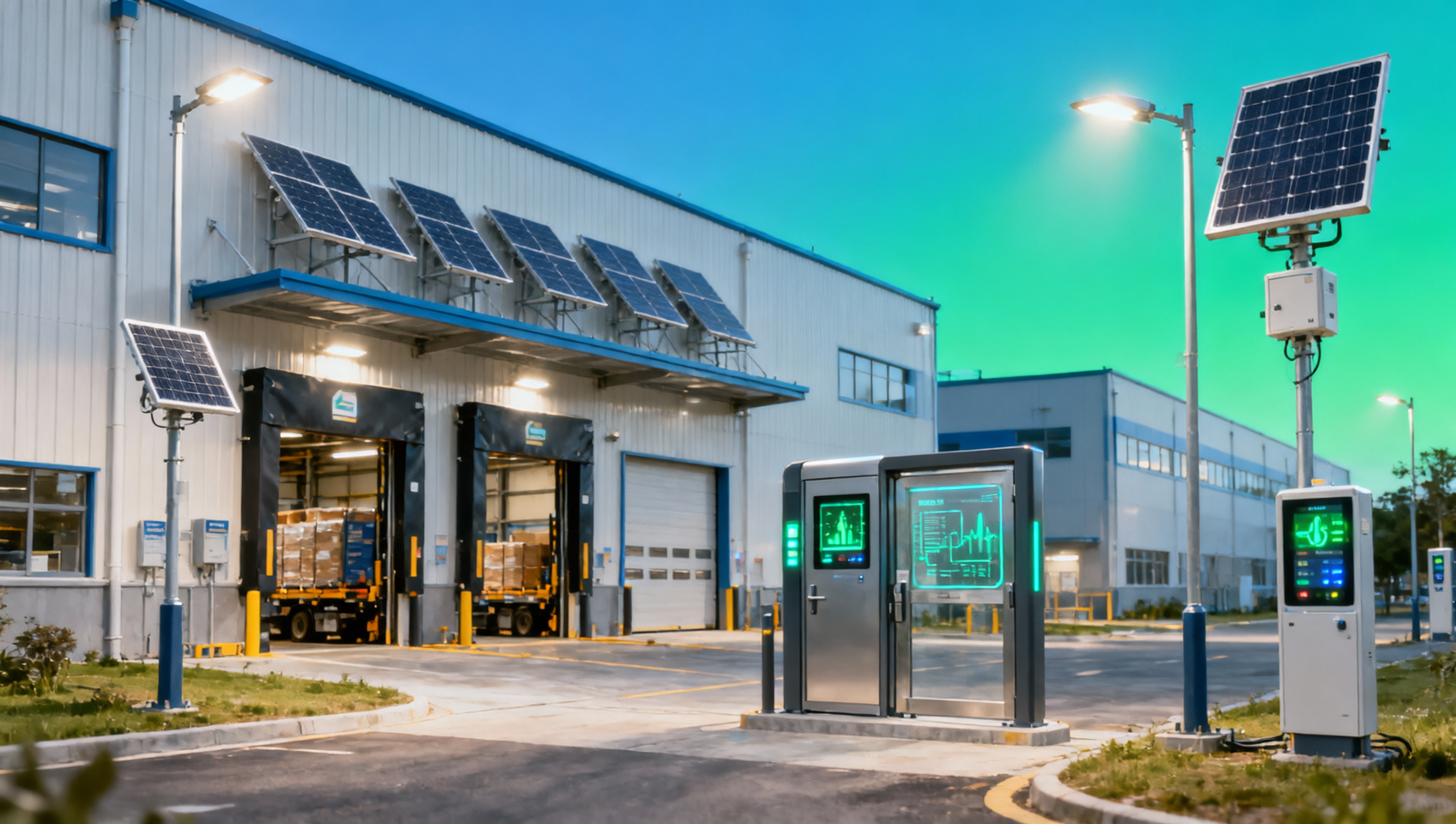
The right sequence depends on the operating model. A distribution center with extended dock activity may gain faster benefit from dock-door control, occupancy-linked lighting logic, and warehouse software optimization. By contrast, a campus or industrial park with high outdoor lighting exposure may move solar street lights higher on the list because they reduce grid dependency and recurring maintenance over long operating hours.
Technical evaluators should also separate direct energy savings from enabled savings. A warehouse management system may not look like a classic energy project, yet better slotting, route planning, and idle-time reduction can lower forklift charging peaks, lighting demand in low-traffic zones, and unnecessary HVAC exposure in open access areas.
The following comparison table can help procurement and finance teams decide which category belongs in phase 1, phase 2, or strategic review. The goal is not to produce one universal ranking, but to match project type with the risk and return profile of each site.
Project comparison for mixed B2B environments
This comparison shows why a narrow “energy equipment only” lens can mislead buyers. The best first project is often the one that cuts waste while also improving controls, compliance, or throughput. That is especially important for finance approvers who need a stronger business case than kilowatt savings alone.
When should projects be delayed?
- Delay projects that depend on unresolved site redesign, pending facility relocation, or unconfirmed utility infrastructure changes within the next 6–12 months.
- Delay software-heavy projects if data quality is weak, because bad sensor mapping or inaccurate inventory logic can reduce expected savings.
- Delay standalone hardware purchases when the asset will soon be replaced as part of a broader modernization package.
What should technical and procurement teams verify before approval?
A common failure point in energy efficiency planning is approving projects too early on vendor claims and too late on implementation details. Technical teams should confirm baseline conditions, interface requirements, installation constraints, and operating tolerances before requesting final approval. Procurement teams should validate lead times, service scope, and total cost structure at the same time, not after selection.
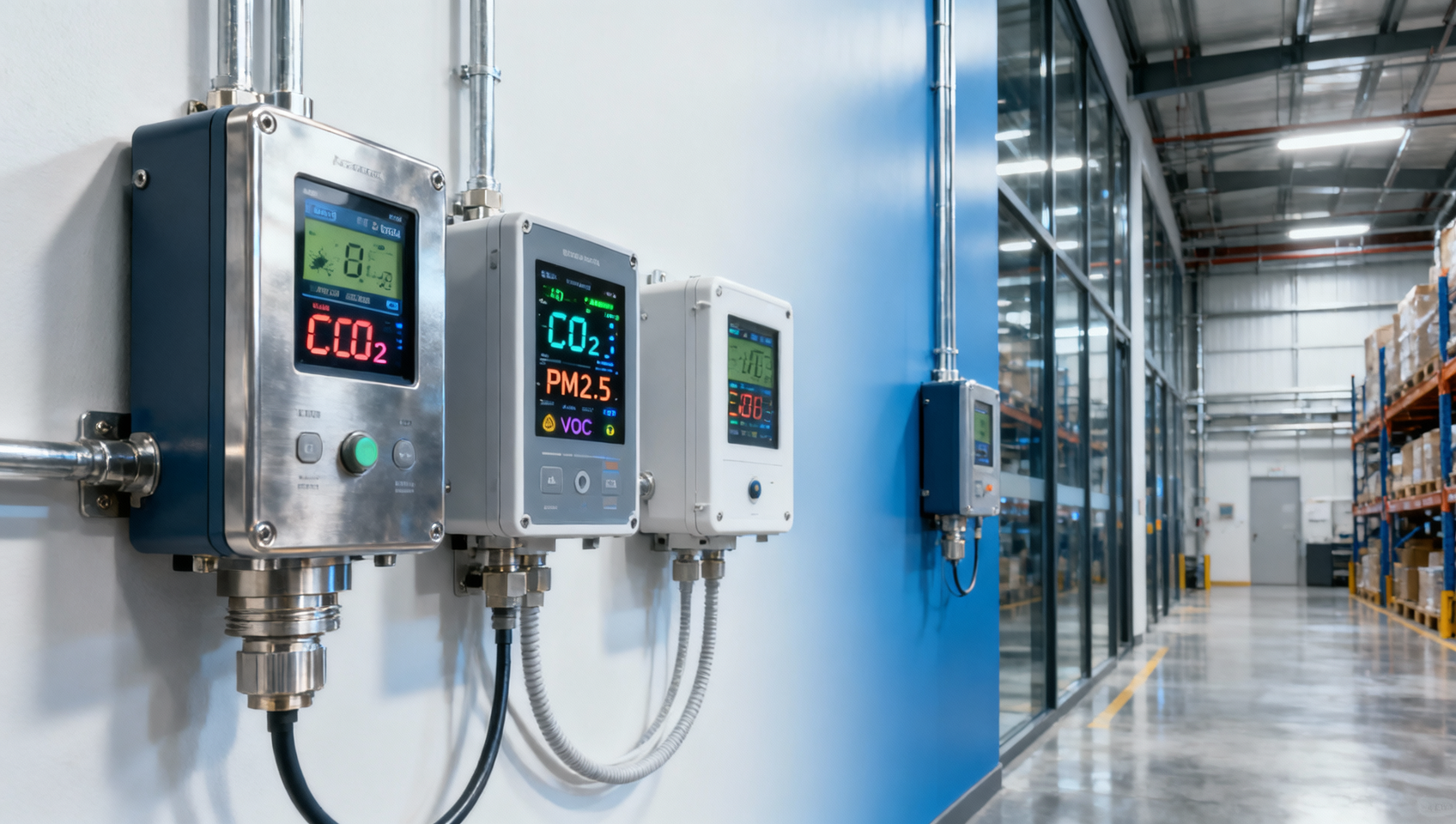
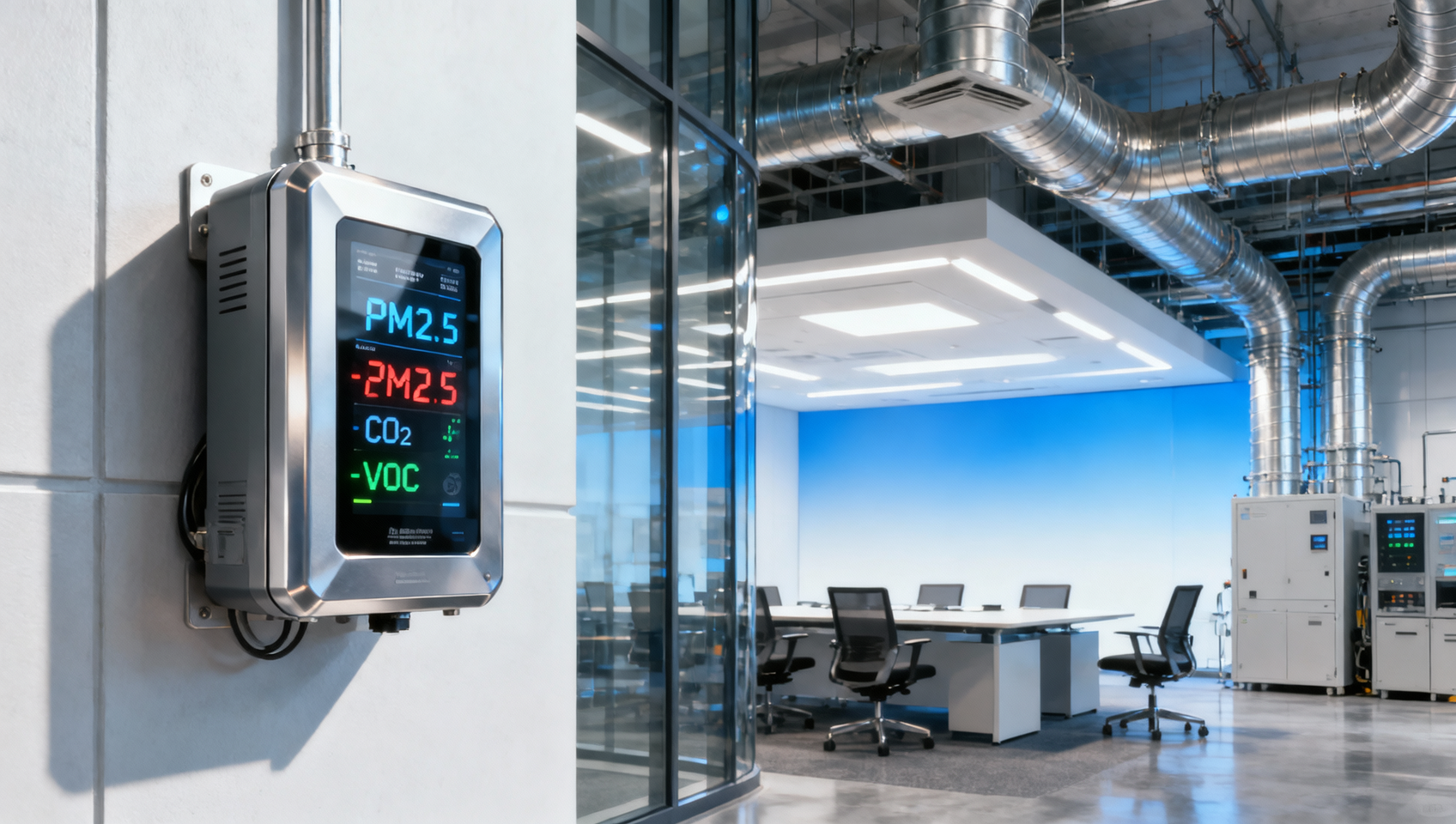
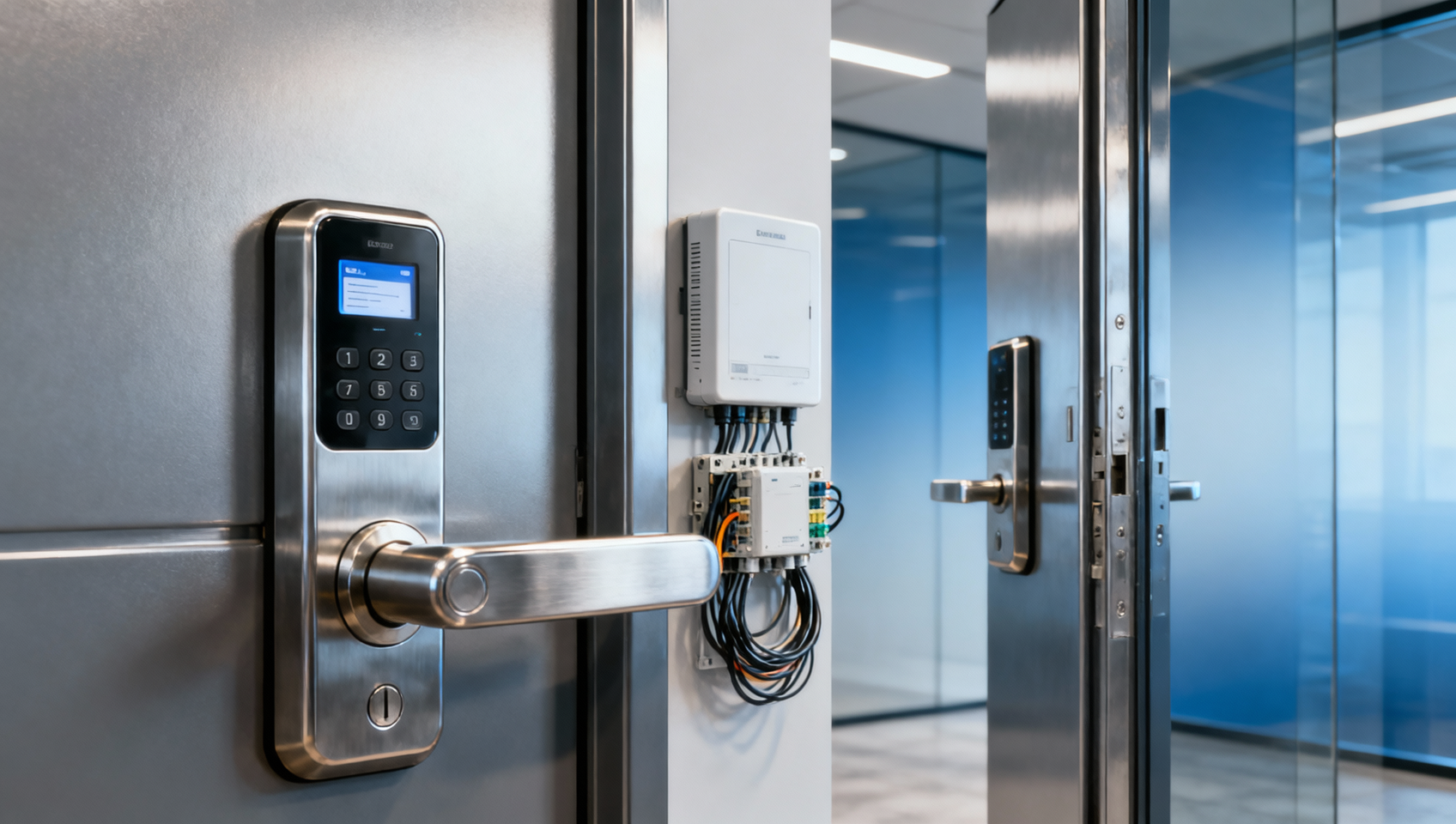
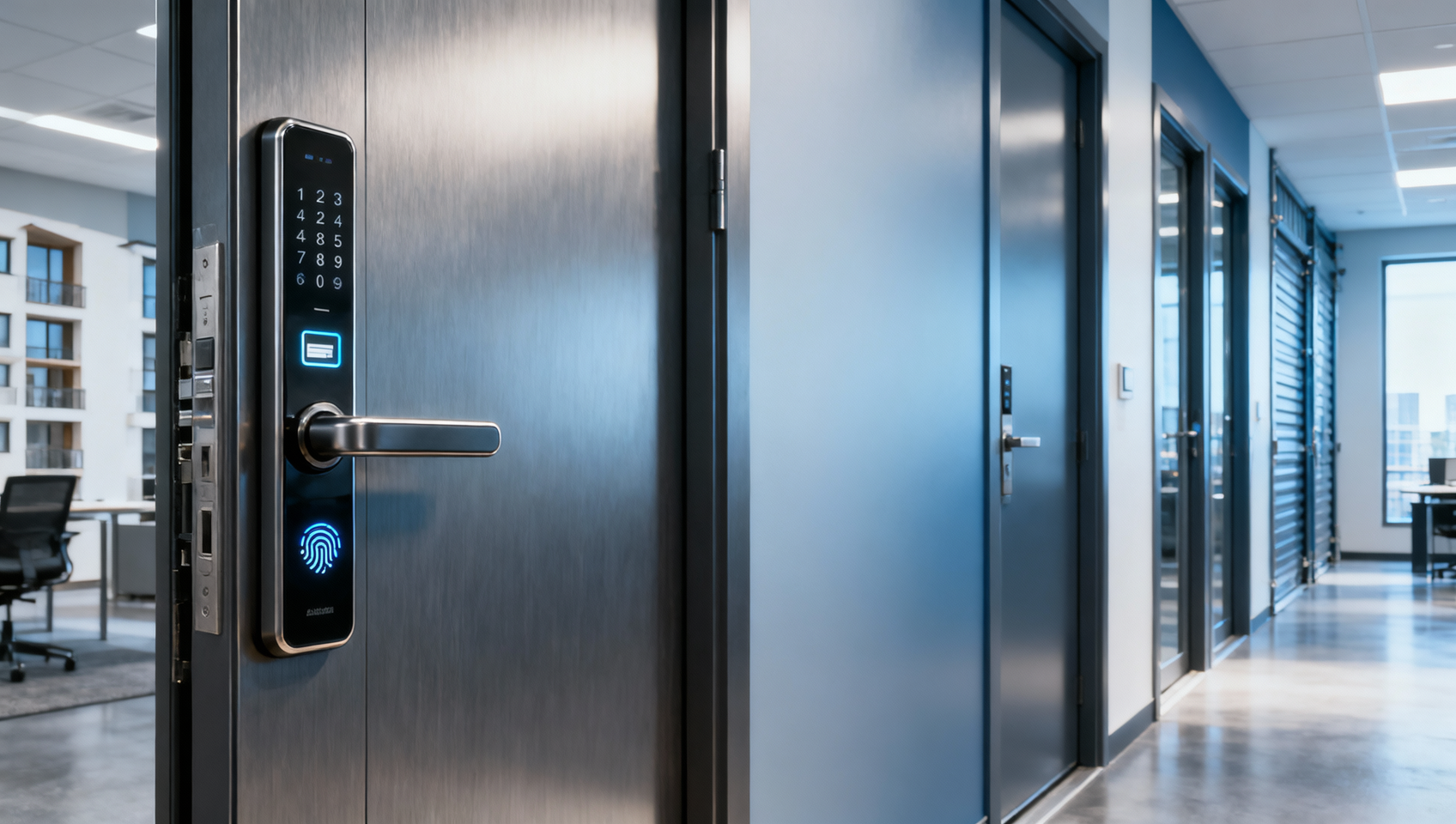
For example, air quality monitors may be easy to buy but harder to use effectively if calibration frequency, data retention, alarm thresholds, and integration with ventilation controls are undefined. Smart door locks can appear simple, yet the business case changes if battery maintenance, audit logs, credential management, and emergency override requirements are not included in the scope. In both cases, a missing detail can turn a fast 2-week deployment into a 6-week correction cycle.
Project managers should also estimate disruption cost. An energy upgrade that forces access restrictions during peak shipping windows or interrupts temperature-controlled zones can erode the expected return. This is why leading teams use a joint technical-commercial checklist and require sign-off from operations, security, maintenance, and finance before purchase orders are released.
The checklist below helps convert broad interest in energy efficiency projects into a realistic approval process that reduces rework and scope drift.
5-point pre-approval checklist
Technical fit
Confirm operating conditions, interface protocols, environmental limits, and whether the solution must run continuously, cyclically, or only during occupancy-driven periods. For sensors, locks, and software platforms, this step often determines whether standard configuration is sufficient or customization is needed.
Commercial structure
Clarify whether pricing includes installation, commissioning, training, spare parts, software subscription, calibration service, or remote monitoring. For B2B buyers, the difference between capital cost and lifecycle cost can materially change project ranking over 24–60 months.
Compliance and safety
Check which standards or local code requirements apply to electrical work, lighting performance, access control, indoor environmental monitoring, or data handling. Requirements vary by country and facility type, so teams should confirm the exact compliance path early in the sourcing cycle.
Implementation window
Map the rollout against shutdown periods, shift patterns, validation timing, and IT support availability. A project that fits a weekend installation or a phased 3-stage rollout is usually easier to approve than one needing prolonged production disruption.
Measurement plan
Define how success will be measured: energy use per zone, access event reduction, lighting uptime, ventilation response, throughput per labor hour, or maintenance calls per month. Without a measurement plan, even good projects struggle to prove value after commissioning.
How do compliance, lifecycle cost, and risk change the priority order?
Many capital reviews still overemphasize purchase price. In practice, lifecycle cost often shifts the priority order more than expected. A lower-cost option may consume more labor, require more frequent battery or component replacement, or create inconsistent data quality that weakens control decisions. That is why quality managers and finance approvers should ask what the project will cost over 3 years, not just what it costs this quarter.
Compliance can also accelerate priority. In healthcare technology environments, indoor air monitoring and controlled access may be elevated because they support operational safeguards and inspection readiness. In supply chain and logistics settings, yard lighting, secure zone access, and software traceability may move ahead of lower-impact retrofits because they influence safety exposure, incident prevention, and business continuity.
Risk should be reviewed in three layers: technical risk, supplier risk, and implementation risk. Technical risk covers interoperability and performance limits. Supplier risk covers lead-time visibility, support capability, and spare part continuity. Implementation risk covers site disruption, commissioning errors, and user adoption. A balanced portfolio usually mixes low-risk quick wins with one or two larger strategic projects.
TradeNexus Pro is particularly valuable here because buyers in advanced manufacturing, green energy, smart electronics, healthcare technology, and supply chain SaaS often need more than a product list. They need context on sector demand shifts, integration trends, and practical procurement signals that reduce the chance of investing in a project at the wrong time or in the wrong sequence.
Common mistakes that weaken energy efficiency project selection
- Using one universal payback threshold for all projects, even when some upgrades also reduce safety incidents, spoilage, access breaches, or audit exposure.
- Comparing a hardware project and a digital system only on direct kilowatt savings, while ignoring labor, throughput, and maintenance effects.
- Approving equipment without confirming service intervals, spare part access, firmware support, or local installation capability.
- Underestimating the value of baseline data gathered over 30–90 days before implementation.
FAQ for project teams and approvers
How many projects should a company fund in the first round?
A practical first round often includes 2–4 projects: one quick-win control or monitoring upgrade, one operational efficiency measure, and one strategic investment if budget allows. This balance helps produce early proof while keeping room for larger infrastructure decisions in later phases.
Are software platforms really part of energy efficiency planning?
Yes, when software changes asset utilization, travel paths, occupancy logic, loading patterns, or environmental control triggers. Warehouse management systems, analytics layers, and connected monitoring platforms can reduce avoidable energy consumption even if they are not traditional energy devices.
What is a reasonable implementation timeline?
Simple monitoring or access control projects may move in 2–6 weeks, while integrated clean energy systems or multi-site deployments can require 2–6 months depending on permits, engineering review, and grid or civil work conditions. The timeline should always be checked against site readiness rather than vendor availability alone.
What evidence should finance teams request?
Finance teams should ask for baseline assumptions, implementation scope, lifecycle cost estimates, service inclusions, and a post-install measurement plan. They should also request downside scenarios, such as delayed commissioning or lower-than-expected utilization, so capital approval reflects realistic operating conditions.
Why work with TradeNexus Pro when planning 2026 energy efficiency investments?
Energy efficiency projects are no longer isolated engineering purchases. They sit at the intersection of sourcing, digital integration, compliance, resilience, and long-term competitiveness. TradeNexus Pro helps enterprises evaluate that bigger picture by combining sector-specific intelligence across advanced manufacturing, green energy, smart electronics, healthcare technology, and supply chain SaaS.
For information researchers, TNP provides deeper market context than broad directories. For operators and technical evaluators, it highlights practical implementation questions that affect uptime and adoption. For business reviewers, project managers, and financial approvers, it clarifies how to compare unlike solutions within one investment roadmap.
If your team is prioritizing clean energy systems, air quality monitors, smart door locks, solar street lights, warehouse management systems, or related efficiency upgrades in 2026, TNP can support your next step with focused insight. You can use the platform to refine technical parameters, compare application fit, review likely delivery timelines, assess integration complexity, and narrow supplier conversations before formal procurement begins.
Contact TradeNexus Pro to discuss project sequencing, product selection, delivery windows, compliance considerations, custom solution paths, sample evaluation needs, or quotation preparation. When internal stakeholders need one defensible view that aligns engineering, operations, and finance, a structured intelligence-led approach can save weeks of rework and improve capital allocation decisions.
Get weekly intelligence in your inbox.
No noise. No sponsored content. Pure intelligence.
 Apr 21, 2026China Builds National Mine Safety Risk Monitoring 'Single Network'China Builds National Mine Safety Risk Monitoring 'Single Network'
 Apr 21, 2026MIIT Releases First List of AI+Manufacturing IncubatorsMIIT Releases First List of AI+Manufacturing Incubators
 Apr 21, 20262026 Shanghai Fastener Show: 1,423 Exhibitors, Robot-Specialized Fasteners in Focus2026 Shanghai Fastener Show: 1,423 Exhibitors, Robot-Specialized Fasteners in Focus
 Apr 21, 2026Vietnam Launches Anti-Circumvention Probe on Chinese-Assembled Electronic ComponentsVietnam Launches Anti-Circumvention Probe on Chinese-Assembled Electronic Components
 Apr 21, 2026China Academy Releases 2026 Digital Passport White PaperChina Academy Releases 2026 Digital Passport White Paper
 Apr 21, 2026Suez Canal AI Speed & Stowage Control Starts Apr 19, 2026Suez Canal AI Speed & Stowage Control Starts Apr 19, 2026
 Apr 21, 2026US BIS Adds EV Onboard Chargers with AES-256+ Encryption to Export ControlsUS BIS Adds EV Onboard Chargers with AES-256+ Encryption to Export Controls
 Apr 21, 2026TÜV Rheinland Updates BESS Certification: Thermal Cascade Protection Now MandatoryTÜV Rheinland Updates BESS Certification: Thermal Cascade Protection Now Mandatory
 Apr 21, 2026Shanghai Port Launches Green Clearance Channel for New Energy EquipmentShanghai Port Launches Green Clearance Channel for New Energy Equipment
 Apr 21, 2026IEC 63275:2026 Released: Global EMC Immunity Testing Standard for Warehouse RobotsIEC 63275:2026 Released: Global EMC Immunity Testing Standard for Warehouse Robots
 Apr 20, 2026How to Prioritize Energy Efficiency Projects in 2026How to Prioritize Energy Efficiency Projects in 2026
 Apr 20, 2026Energy Efficiency Upgrades That Cut Operating CostsEnergy Efficiency Upgrades That Cut Operating Costs
 Apr 20, 2026How to Avoid Common Solar Street Light FailuresHow to Avoid Common Solar Street Light Failures
 Apr 20, 2026Solar Street Lights: When Do They Really Pay Off?Solar Street Lights: When Do They Really Pay Off?
 Apr 20, 2026What Makes an Ultrasound Machine Worth the Cost?What Makes an Ultrasound Machine Worth the Cost?
 Apr 20, 2026Ultrasound Machines: New vs Refurbished in 2026Ultrasound Machines: New vs Refurbished in 2026
 Apr 20, 2026How to Evaluate Clean Energy ROI in 2026How to Evaluate Clean Energy ROI in 2026
 Apr 20, 2026Clean Energy Projects: Where Savings Really Come FromClean Energy Projects: Where Savings Really Come From
 Apr 20, 2026Air Quality Monitors: What to Check Before BuyingAir Quality Monitors: What to Check Before Buying
 Apr 20, 2026How Accurate Are Air Quality Monitors Indoors?How Accurate Are Air Quality Monitors Indoors?
 Apr 20, 2026Smart Door Lock Costs Beyond the HardwareSmart Door Lock Costs Beyond the Hardware
 Apr 20, 2026Smart Door Locks: Which Type Fits Your Property?Smart Door Locks: Which Type Fits Your Property?
 Apr 20, 2026How AR Glasses Improve Remote MaintenanceHow AR Glasses Improve Remote Maintenance
 Apr 20, 2026AR Glasses for Field Work: Worth It or Not?AR Glasses for Field Work: Worth It or Not?
 Apr 20, 2026Which AED Defibrillators Are Easiest to Use?Which AED Defibrillators Are Easiest to Use?
 Apr 20, 2026AED Defibrillators: What Buyers Often MissAED Defibrillators: What Buyers Often Miss
 Apr 20, 2026How to Compare 3PL Logistics Providers for GrowthHow to Compare 3PL Logistics Providers for Growth