Smart Door Lock Costs Beyond the Hardware
When evaluating smart door locks, the sticker price is only the beginning. For facilities teams, project managers, and enterprise buyers, the real cost includes installation, software integration, maintenance, cybersecurity, and long-term energy efficiency. As smart electronics reshape building access alongside air quality monitors, AR glasses, and warehouse management systems, understanding the full investment picture helps decision-makers avoid hidden expenses and choose solutions that truly support operational security and ROI.
For most business buyers, the core question is not “How much does a smart door lock cost?” but “What will this system really cost over its usable life, and will it reduce risk and operating friction enough to justify the investment?” That is the right question. In commercial and multi-site environments, hardware often represents only one part of the total cost. The bigger financial variables usually come from installation complexity, credential management, software licensing, integration with existing security systems, support requirements, and the consequences of choosing a system that does not scale well.
If you are comparing options for an office, warehouse, clinic, apartment portfolio, educational site, or industrial facility, the smartest approach is to assess total cost of ownership rather than unit price alone. A lower-priced lock can become more expensive if it requires frequent battery replacement, manual user administration, limited audit trails, or costly retrofits later. By contrast, a more expensive solution may deliver stronger ROI through centralized control, better compliance support, fewer lockouts, and lower security incident exposure.
What does a smart door lock really cost beyond the hardware?
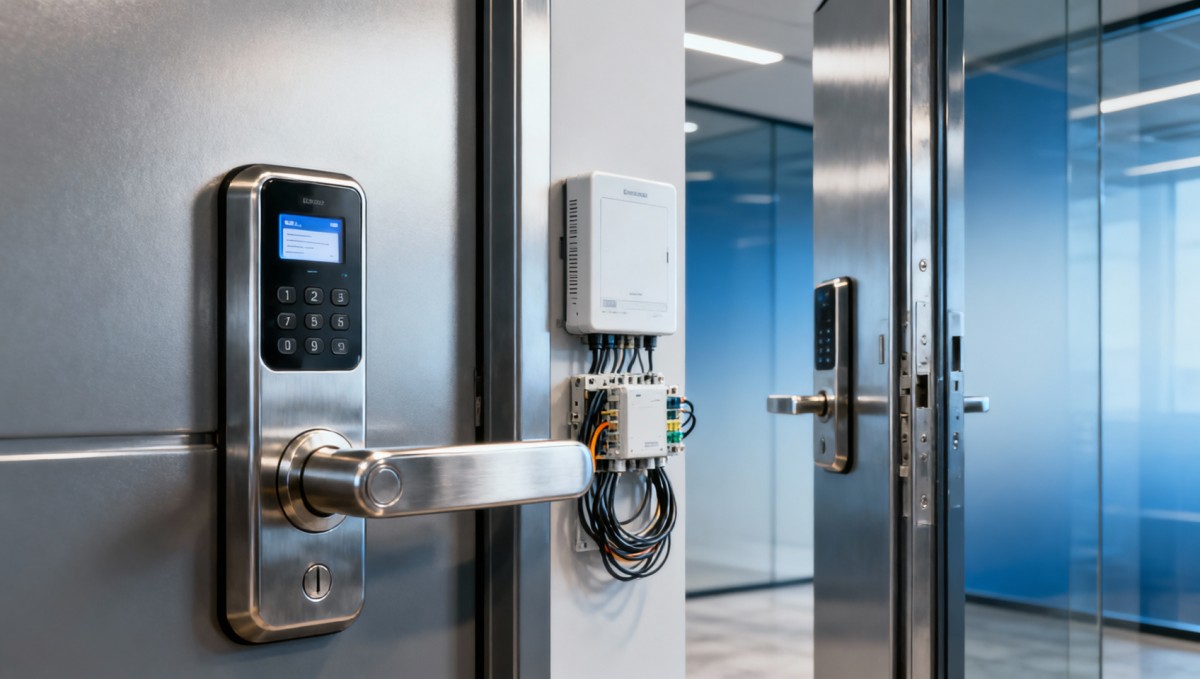
The hardware price is the visible starting point, but the real budget should include several layers of direct and indirect cost. For enterprise and project buyers, these cost categories matter far more than the advertised lock price:
- Device hardware: lock body, reader, keypad, gateway, hub, controller, or door interface module.
- Installation labor: door preparation, wiring, strike alignment, mounting, network setup, testing, and commissioning.
- Software and licensing: cloud subscription, mobile credential fees, admin seats, audit reporting, API access, and feature tiers.
- Systems integration: connection to access control, video surveillance, visitor management, building management, or identity systems.
- Cybersecurity controls: encryption, firmware updates, security monitoring, role-based permissions, and compliance validation.
- Maintenance: batteries, periodic inspection, replacement parts, firmware management, and service contracts.
- Training and administration: onboarding staff, credential issuance, revocation workflows, and exception handling.
- Downtime and operational risk: lock failure, denied entry incidents, emergency override handling, and business interruption.
For many organizations, installation, software, and lifecycle support can equal or exceed initial hardware expenditure over time. That is why cost comparisons based only on product catalogs are often misleading.
Which hidden costs surprise buyers most often?
Several cost items are routinely underestimated during procurement. These are the ones most likely to affect project budgets and long-term satisfaction:
1. Door compatibility and retrofit work
Not every door is ready for a smart lock. Fire-rated doors, glass doors, narrow stile aluminum frames, heavy-traffic commercial entries, and older mechanical door sets may require adapters, drilling, electrified hardware, or complete replacement of related components. A lock that appears inexpensive can trigger substantial retrofit costs if the existing opening is not compatible.
2. Network and connectivity requirements
Wi-Fi, Bluetooth, Zigbee, Z-Wave, NFC, or proprietary wireless options each have infrastructure implications. In large facilities, weak coverage, signal interference, and segmented IT environments may require gateways, additional access points, VLAN configuration, or edge controllers. These supporting elements increase deployment cost and may require coordination between facilities, IT, and security teams.
3. Subscription-based pricing models
Many modern smart door lock systems rely on recurring software fees. These may include per-door, per-site, per-user, or per-admin charges. Some vendors also separate advanced reporting, temporary credentialing, mobile unlock, or API integration into premium plans. Over three to five years, subscription expenses can materially change the cost profile.
4. Battery replacement and service visits
Battery-powered locks simplify installation in some cases, but they create ongoing maintenance obligations. In distributed portfolios or high-use doors, battery replacement schedules can become labor-intensive. If maintenance is reactive rather than planned, lock performance and user experience may suffer.
5. Vendor lock-in
Closed ecosystems can create future migration costs. If your lock system uses proprietary credentials, limited APIs, or inflexible management software, expanding to new sites or integrating with other security tools may become expensive later. This is especially relevant for growing enterprises and multi-building operators.
How should enterprise buyers calculate total cost of ownership?
A practical smart door lock cost analysis should cover the full lifecycle, usually across three, five, or seven years depending on the project. A useful framework includes the following:
- Initial capital costs: hardware, accessories, installation, configuration, testing, and launch.
- Annual operating costs: licensing, batteries, support, maintenance, and IT administration.
- Event-driven costs: replacements, emergency service, credential loss, repairs, and upgrade projects.
- Risk-adjusted costs: impact of unauthorized access, compliance failures, or system downtime.
- Efficiency gains: reduced rekeying, lower manual key management, faster user provisioning, fewer lockouts, and improved auditability.
For example, a mechanical key system may appear cheaper upfront, but the hidden labor of issuing keys, tracking returns, replacing lost keys, and rekeying after staff turnover can be significant. In many settings, smart locks reduce those recurring burdens. The value becomes stronger where access rights change frequently, temporary access is common, or audit trails are important.
Decision-makers should ask vendors for a complete cost model, not just a product quote. The quote should clearly separate one-time, recurring, and optional costs, along with assumptions about usage, support levels, and expansion.
When does a higher-priced smart lock actually deliver better ROI?
A more expensive system can be the better financial decision when it improves security, reduces administrative effort, or avoids future replacement. The ROI case is strongest in these situations:
- High employee turnover or contractor access: digital credential changes are faster and cheaper than rekeying.
- Multi-site operations: centralized management reduces travel, manual coordination, and inconsistency.
- Compliance-sensitive environments: audit logs, access history, and permission controls support accountability.
- Critical asset protection: stronger authentication and monitoring reduce the cost of security incidents.
- Facilities with frequent schedule changes: remote updates and temporary access save operational time.
In healthcare technology facilities, shared labs, supply chain SaaS operations centers, green energy sites, and advanced manufacturing zones, access control is often tied to both security and continuity. Delays, unauthorized entry, or poor access visibility can affect quality control, safety protocols, and customer trust. In these environments, ROI is not only about labor savings. It is also about reducing operational and reputational risk.
What security and compliance factors add cost—but should not be cut?
Cybersecurity and physical security are no longer separate concerns. A connected lock is part of the broader smart electronics environment and should be evaluated accordingly. Cost-conscious buyers may be tempted to minimize these areas, but that can create larger downstream exposure.
Firmware update capability
Smart locks need a reliable process for authenticated firmware updates. Devices without clear patch management can become long-term vulnerabilities.
Encryption and credential protection
Communication between locks, apps, gateways, and cloud platforms should be encrypted. Weak credential handling can expose organizations to spoofing, replay attacks, or unauthorized access.
Role-based administration
Granular permissions matter in enterprise settings. Not every user should have full control over doors, schedules, logs, and user provisioning. Strong role design reduces internal risk and supports accountability.
Audit logging and retention
Organizations in regulated or security-sensitive sectors may need detailed access records. Make sure reporting and retention capabilities match internal policy or compliance expectations.
Fail-safe and fail-secure design
Door behavior during power loss, network interruption, emergency conditions, or device malfunction should be clearly defined. The cost of getting this wrong can exceed any initial savings.
These features may increase system cost, but they are often essential for enterprise suitability. The correct question is not whether these controls cost more, but whether the cheaper alternative creates unacceptable exposure.
How do installation choices affect long-term cost?
Installation strategy has a major influence on both upfront budget and future maintenance. Buyers should evaluate not just whether a lock can be installed, but whether it can be installed in a way that supports reliable operation at scale.
Wireless retrofits can reduce cabling costs and speed deployment, especially in existing buildings. However, they may increase battery maintenance and depend on stable wireless architecture.
Wired systems often cost more to install initially but may offer stronger reliability, centralized power, and better suitability for high-traffic or critical doors.
Standalone locks may fit low-complexity use cases, but they can become inefficient if organizations later need integration, centralized reporting, or broader access governance.
Integrated access systems require more planning and budget at the start, yet they often create lower administrative friction over time for larger operations.
For project managers and engineering leads, the key is to match installation architecture to the site’s traffic profile, security requirements, expansion plans, and IT constraints. Under-specifying the system to save money early can create expensive redesign later.
What questions should buyers ask vendors before approving a budget?
To avoid hidden smart door lock costs, buyers should require precise answers to the following questions:
- What is included in the quoted hardware price, and what accessories are extra?
- What door types is the solution compatible with?
- What are the installation assumptions and exclusions?
- Are gateways, controllers, or cloud subscriptions required?
- What recurring fees apply over one, three, and five years?
- How are firmware updates delivered and managed?
- What happens during battery depletion, network loss, or power failure?
- Can the system integrate with existing access control, HR, visitor, or video systems?
- What data is logged, and how long is it retained?
- What support SLAs, warranties, and replacement policies are provided?
- How easily can the system scale to more sites or users?
- What are the exit costs if the organization changes vendors later?
These questions help finance approvers, security managers, and procurement leaders compare options on business value rather than marketing claims.
How can teams decide if a smart door lock investment is justified?
The right decision depends on risk profile, operational complexity, and lifecycle economics. A smart door lock system is usually justified when one or more of the following are true:
- Manual key management is creating measurable labor cost or security gaps.
- Access permissions change often across staff, vendors, or temporary users.
- Sites need centralized visibility and audit capability.
- There is a compliance, quality, or safety reason to monitor entry events.
- The business is scaling and needs a system that can grow without rework.
If the environment is small, low-risk, and operationally simple, a premium connected system may be unnecessary. But in dynamic facilities, distributed operations, or security-sensitive settings, total cost of ownership often favors a well-designed smart access approach over time.
Smart door lock costs go far beyond the hardware line item. For enterprise buyers, the most important cost drivers are installation complexity, software and integration fees, maintenance burden, cybersecurity requirements, and the operational impact of system reliability. The best procurement decisions come from evaluating total cost of ownership against real business outcomes: reduced administrative effort, improved security, stronger auditability, and lower long-term disruption.
In short, the cheapest lock is not always the lowest-cost solution. Buyers who assess full lifecycle cost, integration readiness, and risk reduction are far more likely to choose a system that delivers durable value instead of hidden expense.
Get weekly intelligence in your inbox.
No noise. No sponsored content. Pure intelligence.
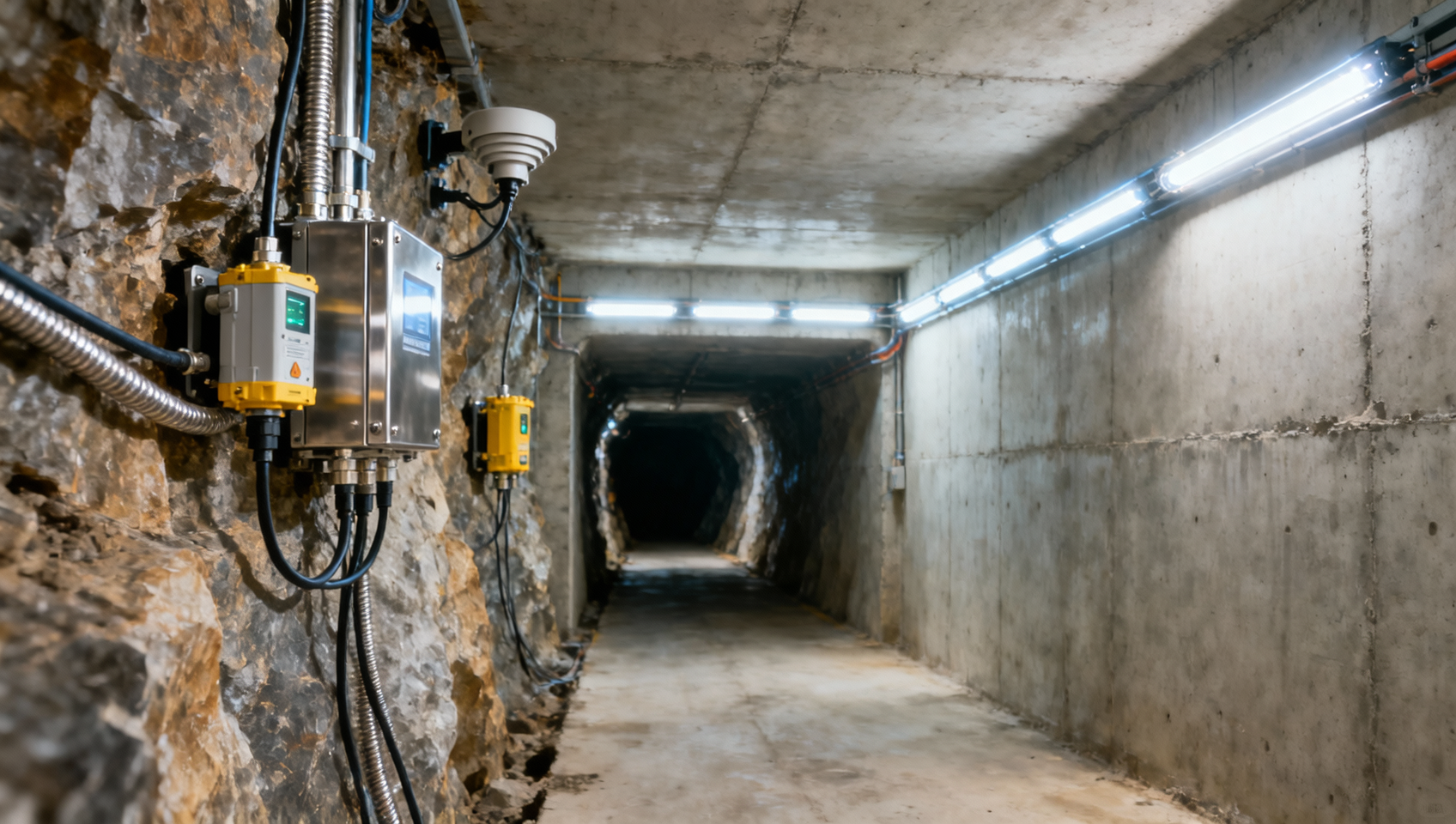
 Apr 21, 2026China Builds National Mine Safety Risk Monitoring 'Single Network'China Builds National Mine Safety Risk Monitoring 'Single Network'
 Apr 21, 2026MIIT Releases First List of AI+Manufacturing IncubatorsMIIT Releases First List of AI+Manufacturing Incubators
 Apr 21, 20262026 Shanghai Fastener Show: 1,423 Exhibitors, Robot-Specialized Fasteners in Focus2026 Shanghai Fastener Show: 1,423 Exhibitors, Robot-Specialized Fasteners in Focus
 Apr 21, 2026Vietnam Launches Anti-Circumvention Probe on Chinese-Assembled Electronic ComponentsVietnam Launches Anti-Circumvention Probe on Chinese-Assembled Electronic Components
 Apr 21, 2026China Academy Releases 2026 Digital Passport White PaperChina Academy Releases 2026 Digital Passport White Paper
 Apr 21, 2026Suez Canal AI Speed & Stowage Control Starts Apr 19, 2026Suez Canal AI Speed & Stowage Control Starts Apr 19, 2026
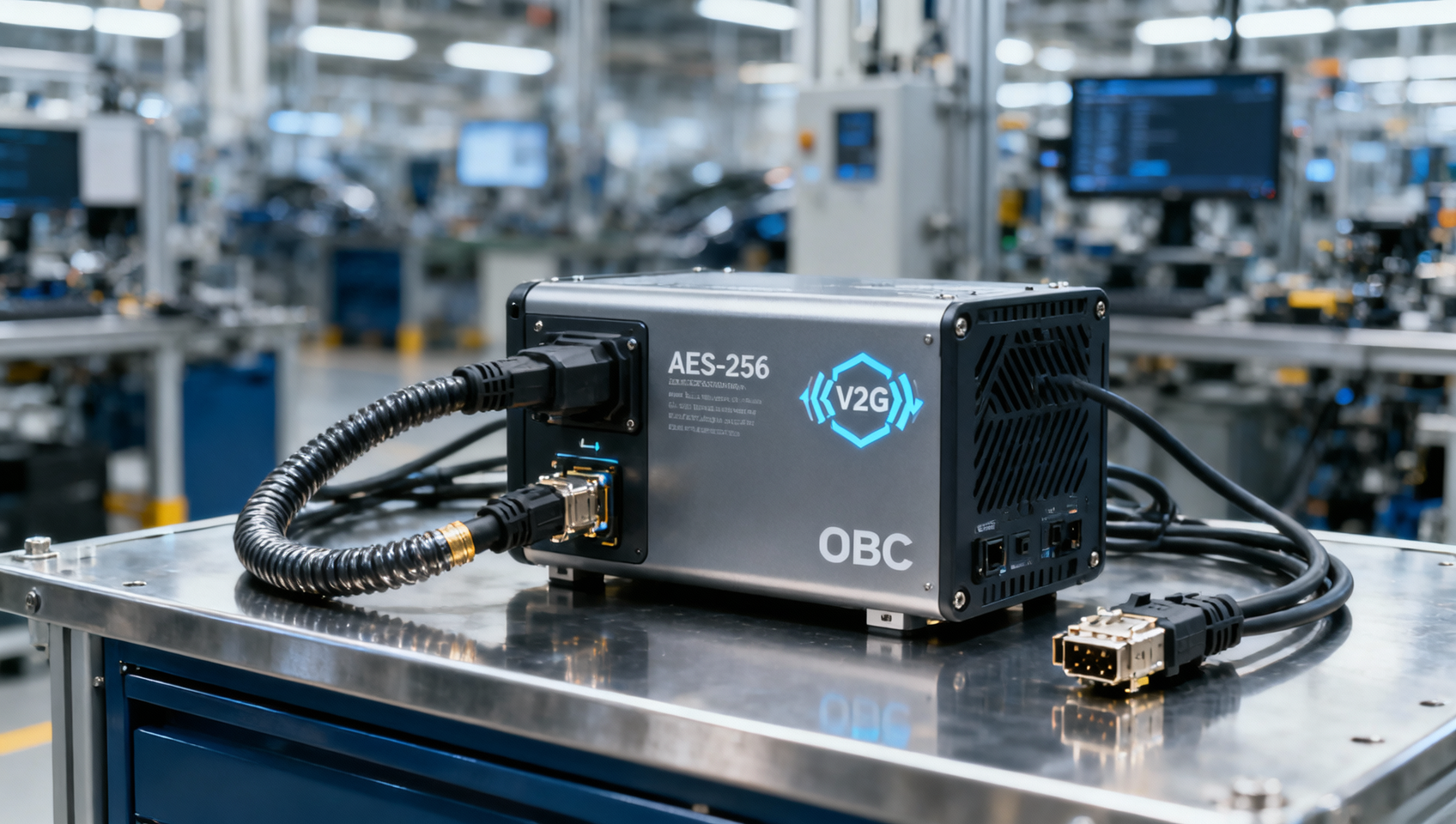
 Apr 21, 2026US BIS Adds EV Onboard Chargers with AES-256+ Encryption to Export ControlsUS BIS Adds EV Onboard Chargers with AES-256+ Encryption to Export Controls
 Apr 21, 2026TÜV Rheinland Updates BESS Certification: Thermal Cascade Protection Now MandatoryTÜV Rheinland Updates BESS Certification: Thermal Cascade Protection Now Mandatory
 Apr 21, 2026Shanghai Port Launches Green Clearance Channel for New Energy EquipmentShanghai Port Launches Green Clearance Channel for New Energy Equipment
 Apr 21, 2026IEC 63275:2026 Released: Global EMC Immunity Testing Standard for Warehouse RobotsIEC 63275:2026 Released: Global EMC Immunity Testing Standard for Warehouse Robots
 Apr 20, 2026How to Prioritize Energy Efficiency Projects in 2026How to Prioritize Energy Efficiency Projects in 2026
 Apr 20, 2026Energy Efficiency Upgrades That Cut Operating CostsEnergy Efficiency Upgrades That Cut Operating Costs
 Apr 20, 2026How to Avoid Common Solar Street Light FailuresHow to Avoid Common Solar Street Light Failures
 Apr 20, 2026Solar Street Lights: When Do They Really Pay Off?Solar Street Lights: When Do They Really Pay Off?
 Apr 20, 2026What Makes an Ultrasound Machine Worth the Cost?What Makes an Ultrasound Machine Worth the Cost?
 Apr 20, 2026Ultrasound Machines: New vs Refurbished in 2026Ultrasound Machines: New vs Refurbished in 2026
 Apr 20, 2026How to Evaluate Clean Energy ROI in 2026How to Evaluate Clean Energy ROI in 2026
 Apr 20, 2026Clean Energy Projects: Where Savings Really Come FromClean Energy Projects: Where Savings Really Come From
 Apr 20, 2026Air Quality Monitors: What to Check Before BuyingAir Quality Monitors: What to Check Before Buying
 Apr 20, 2026How Accurate Are Air Quality Monitors Indoors?How Accurate Are Air Quality Monitors Indoors?
 Apr 20, 2026Smart Door Lock Costs Beyond the HardwareSmart Door Lock Costs Beyond the Hardware
 Apr 20, 2026Smart Door Locks: Which Type Fits Your Property?Smart Door Locks: Which Type Fits Your Property?
 Apr 20, 2026How AR Glasses Improve Remote MaintenanceHow AR Glasses Improve Remote Maintenance
 Apr 20, 2026AR Glasses for Field Work: Worth It or Not?AR Glasses for Field Work: Worth It or Not?
 Apr 20, 2026Which AED Defibrillators Are Easiest to Use?Which AED Defibrillators Are Easiest to Use?
 Apr 20, 2026AED Defibrillators: What Buyers Often MissAED Defibrillators: What Buyers Often Miss
 Apr 20, 2026How to Compare 3PL Logistics Providers for GrowthHow to Compare 3PL Logistics Providers for Growth