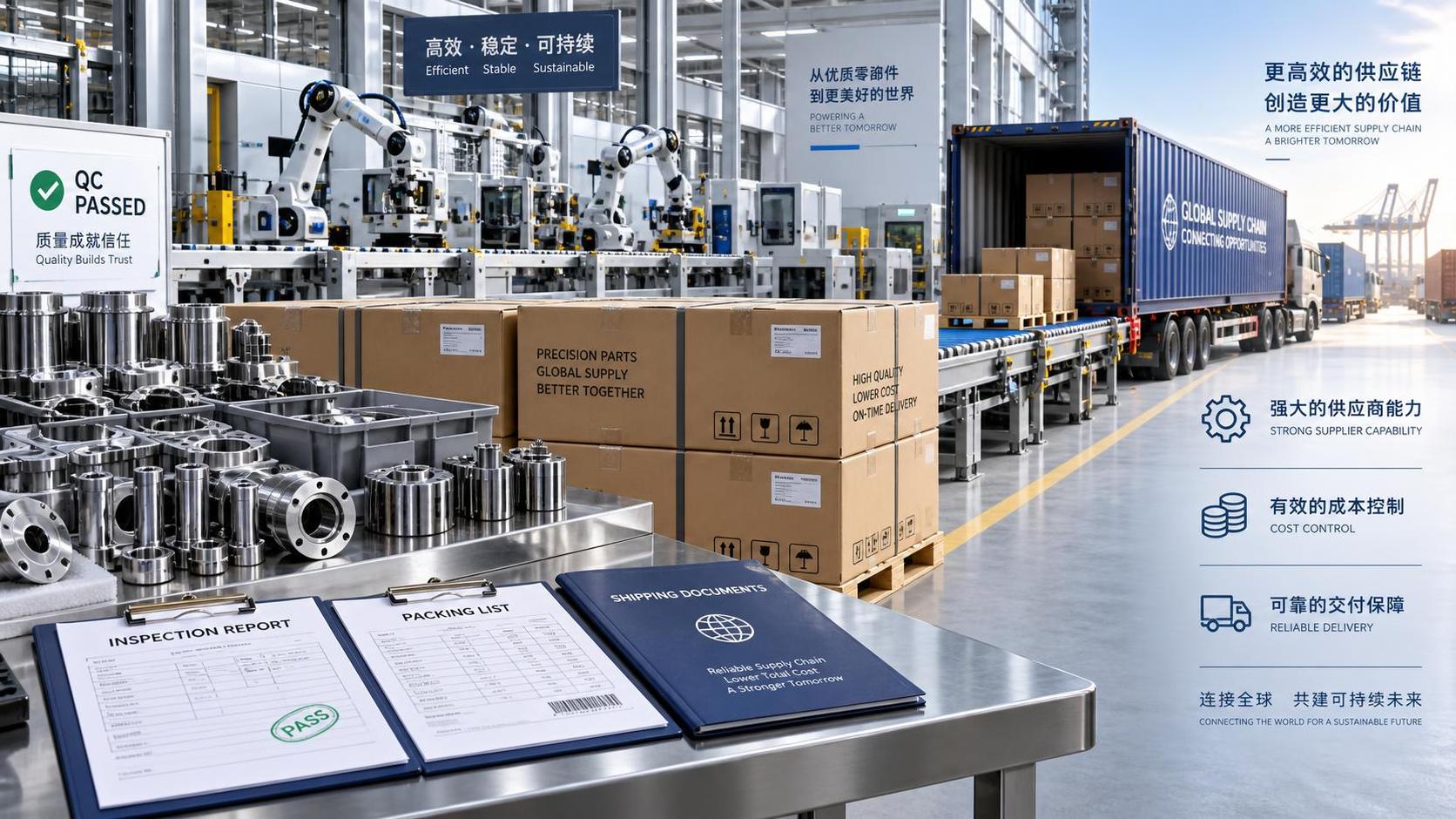
TÜV Rheinland Launches China Zero-Defect Initiative for PCB & Connectors
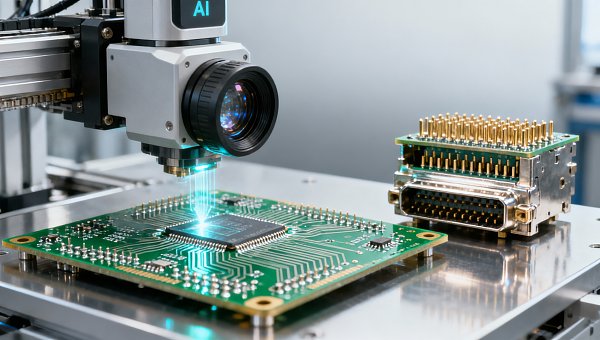
On May 8, 2026, TÜV Rheinland announced the launch of its ‘China Zero-Defect Initiative’, a new factory verification program targeting Chinese electronic components suppliers exporting to high-end EU markets—including Germany, France, and Italy. The initiative introduces AI-powered visual inspection for unannounced production line audits, with initial focus on PCB manufacturing and high-speed connector assembly. Suppliers passing the audit receive the TÜV ‘ZD徽标’ (ZD Mark) and inclusion in a German corporate preferred supplier whitelist. This development is especially relevant for PCB fabricators, connector OEMs/ODMs, and export-oriented electronics manufacturers serving Tier-1 European automotive, industrial, and telecom customers.
Event Overview
On May 8, 2026, TÜV Rheinland officially launched the ‘China Zero-Defect Initiative’. The program offers AI-based, unannounced on-site inspections (‘fly-in audits’) for Chinese manufacturers of electronic components supplying the German, French, and Italian markets. The first phase covers printed circuit board (PCB) fabrication and high-speed electrical connector assembly. Verified suppliers are awarded the TÜV ‘ZD Mark’ and listed in a Deutsche enterprise-preferred supplier white list.
Industries Affected
PCB Fabricators
PCB manufacturers exporting to EU-based automotive, industrial control, or medical device firms may face increased scrutiny from downstream buyers referencing this initiative. The ZD Mark could become an informal gatekeeping signal—especially where functional safety (e.g., ISO 26262) or long-term reliability is critical. Impact includes potential pressure to adopt AI-assisted inline inspection systems and align documentation with TÜV’s zero-defect interpretation of IEC 61191 and IPC-A-600.
Connector OEMs/ODMs (especially high-speed & automotive-grade)
Suppliers of board-to-board, backplane, or EV charging connectors may see rising requests for ZD Mark eligibility during RFQ processes from German Tier-1s. Since the initiative explicitly names high-speed connector assembly as a priority, process validation (e.g., crimp force monitoring, contact resistance traceability, solder joint X-ray analysis) becomes more operationally consequential—not just for certification, but for commercial access.
Electronics Contract Manufacturers (ECMs) serving EU brands
ECMs that integrate PCBs and connectors into higher-level assemblies—and who rely on Chinese component suppliers—may be asked to verify ZD Mark status of their sub-tier vendors. This extends supply chain transparency requirements beyond ISO 9001 or IATF 16949, adding a layer of third-party defect-prevention validation tied specifically to EU end-market expectations.
Export Compliance & Certification Service Providers
Firms offering CE marking support, technical file preparation, or factory audit coordination may need to update service offerings to include ZD Mark readiness assessments—particularly around AI vision system integration, defect classification consistency, and real-time data logging per TÜV’s unpublished but implied audit protocol.
What Relevant Companies or Practitioners Should Focus On
Monitor official scope expansion and criteria publication
TÜV Rheinland has not yet published detailed technical criteria for the ZD Mark (e.g., allowable defect types, AQL thresholds, AI model validation requirements). Companies should track updates directly via TÜV’s dedicated initiative webpage and official press releases—not third-party summaries—to distinguish formal requirements from early pilot assumptions.
Assess exposure by customer tier and product application
Not all EU-facing sales are equally affected. Priority lies with products destined for German OEMs in automotive, rail, or industrial automation—where functional safety and field failure history carry weight. Companies should map current export shipments against known TÜV-certified end-customers and identify which product lines fall under PCB or connector categories named in the pilot.
Distinguish between policy signal and operational mandate
The initiative is currently voluntary and pilot-stage. It does not replace CE marking, IATF 16949, or EN 50124 compliance. However, observation shows it functions as a de facto market-access differentiator—particularly where German procurement teams reference TÜV’s brand equity in supplier scorecards. Treat it as a forward-looking benchmark, not a regulatory requirement—at least for now.
Prepare internal alignment on inspection readiness—not just certification readiness
AI-powered fly-in audits require live access to production-line imaging systems, real-time defect logs, and operator-level traceability (e.g., shift, station, tool ID). Companies should review whether existing MES/QMS platforms support such granular, auditable data capture—especially for solder joints, plating uniformity, and connector mating force records—before engaging with TÜV.
Editorial Perspective / Industry Observation
Analysis shows this initiative is less about immediate compliance enforcement and more about signaling a tightening of quality expectations at the component level—driven by rising field failure costs in complex electronics and growing reliance on AI for objective defect assessment. Observably, TÜV is positioning itself not only as a conformity assessor but as a quality assurance infrastructure partner for EU buyers seeking reduced supplier risk. From an industry perspective, the ZD Mark is best understood as an emerging commercial signal—not yet a standard, but increasingly referenced in tender evaluations and supplier development roadmaps. Its significance will grow if major German OEMs begin citing it in procurement clauses or if parallel programs emerge from DEKRA or SGS in coming quarters.
Conclusion: The ‘China Zero-Defect Initiative’ reflects a measurable shift toward outcome-oriented, technology-enabled quality verification for electronic components entering EU high-reliability markets. It does not constitute new regulation, nor does it immediately invalidate existing certifications. Rather, it introduces a voluntary—but increasingly influential—benchmark aligned with AI-augmented manufacturing maturity. For affected companies, the current priority is situational awareness and targeted readiness—not broad-scale overhauls.
Source: Official announcement by TÜV Rheinland, dated May 8, 2026. No additional background documents, technical annexes, or rollout timelines beyond the initial press release have been publicly confirmed. Ongoing developments—including scope expansion, evaluation criteria, and adoption by specific OEMs—remain subject to observation.
Get weekly intelligence in your inbox.
No noise. No sponsored content. Pure intelligence.
 Sep 23, 2026How to Choose Lightweight ANC Headphones for Comfortable All-Day TravelHow to Choose Lightweight ANC Headphones for Comfortable All-Day Travel
 Sep 22, 2026IPX5 TWS Bluetooth Earbuds: What Protection Do They Offer for Workouts?IPX5 TWS Bluetooth Earbuds: What Protection Do They Offer for Workouts?
 Sep 21, 2026What to Look for in a Grid Integration Company for Utility-Scale Solar ProjectsWhat to Look for in a Grid Integration Company for Utility-Scale Solar Projects
 Sep 20, 2026Microgrid Controller Pricing: What Drives Cost in Commercial Energy Projects?Microgrid Controller Pricing: What Drives Cost in Commercial Energy Projects?
 Sep 19, 2026How to Choose a GaN Charger for Laptops Without Compromising Power or PortabilityHow to Choose a GaN Charger for Laptops Without Compromising Power or Portability
 Sep 18, 2026Floating Solar Farm Costs: CAPEX, OPEX, and the Site Factors That Shape ROIFloating Solar Farm Costs: CAPEX, OPEX, and the Site Factors That Shape ROI
 Sep 17, 2026Drone Delivery Solutions for Last-Mile Routes: Site, Payload, and Range PlanningDrone Delivery Solutions for Last-Mile Routes: Site, Payload, and Range Planning
 Sep 16, 2026When Low-Volume Electronics Manufacturing Makes More Sense Than Mass ProductionWhen Low-Volume Electronics Manufacturing Makes More Sense Than Mass Production
 Sep 15, 2026Wholesale WiFi Smart Switches: What Buyers Should Verify Before OrderingWholesale WiFi Smart Switches: What Buyers Should Verify Before Ordering
 Sep 14, 2026How to Select IoT Sensors for Reliable Monitoring in Harsh Industrial EnvironmentsHow to Select IoT Sensors for Reliable Monitoring in Harsh Industrial Environments
 Sep 13, 2026How Procurement Teams Can Improve Supplier Reliability With Supply Chain VisibilityHow Procurement Teams Can Improve Supplier Reliability With Supply Chain Visibility
 Sep 12, 2026Smart Manufacturing Trends 2026: What Leaders Should Prioritize for ROISmart Manufacturing Trends 2026: What Leaders Should Prioritize for ROI
 Sep 11, 2026B2B Market Analysis: How Buyers Evaluate Suppliers, Pricing, and Delivery RiskB2B Market Analysis: How Buyers Evaluate Suppliers, Pricing, and Delivery Risk
 Sep 10, 2026Residential Solar Kits in Canada: How to Size a System for Your Home and ClimateResidential Solar Kits in Canada: How to Size a System for Your Home and Climate
 Sep 09, 2026How to Specify a Syringe Assembly Line for High-Volume Sterile ProductionHow to Specify a Syringe Assembly Line for High-Volume Sterile Production
 Sep 08, 2026How to Evaluate Warehouse Robotics System Suppliers for Reliable Multi-Site DeploymentHow to Evaluate Warehouse Robotics System Suppliers for Reliable Multi-Site Deployment
 Sep 07, 2026Renewable Geothermal Energy Explained: How It Works for Heating and PowerRenewable Geothermal Energy Explained: How It Works for Heating and Power
 Sep 07, 2026How to Choose an Industrial Packaging Robot Manufacturer for Your Production LineHow to Choose an Industrial Packaging Robot Manufacturer for Your Production Line
 Sep 05, 2026How to Evaluate a Turnkey Hydro Turbine Generator Supplier for Remote Power ProjectsHow to Evaluate a Turnkey Hydro Turbine Generator Supplier for Remote Power Projects
 Sep 04, 2026Automated Ultrasonic Welding for Thermoplastic Assemblies: Process Controls That MatterAutomated Ultrasonic Welding for Thermoplastic Assemblies: Process Controls That Matter
 Sep 03, 2026Energy Forecasting for Grid Planning: Sizing Solar and Storage CapacityEnergy Forecasting for Grid Planning: Sizing Solar and Storage Capacity
 Sep 02, 2026Which Metrics Should an Energy Analytics Dashboard Track for Factory Energy Management?Which Metrics Should an Energy Analytics Dashboard Track for Factory Energy Management?
 Sep 01, 2026How Warehouse Voice Picking Improves Accuracy and Throughput in Order FulfillmentHow Warehouse Voice Picking Improves Accuracy and Throughput in Order Fulfillment
 Aug 31, 2026How to Automate Dropshipping Order Processing Without Overselling StockHow to Automate Dropshipping Order Processing Without Overselling Stock
 Aug 30, 2026How to Evaluate a Smart Lighting Supplier for Multi-Site Commercial ProjectsHow to Evaluate a Smart Lighting Supplier for Multi-Site Commercial Projects
 Aug 29, 2026Recent Advances in Smart Manufacturing and Materials Reshaping Factory InvestmentRecent Advances in Smart Manufacturing and Materials Reshaping Factory Investment
 Aug 29, 2026Selecting Lightweight Aluminum Extrusions for Strength-Critical Industrial DesignsSelecting Lightweight Aluminum Extrusions for Strength-Critical Industrial Designs