Custom metal fabrication for solar PV mounting structures: aluminum vs. stainless steel trade-offs
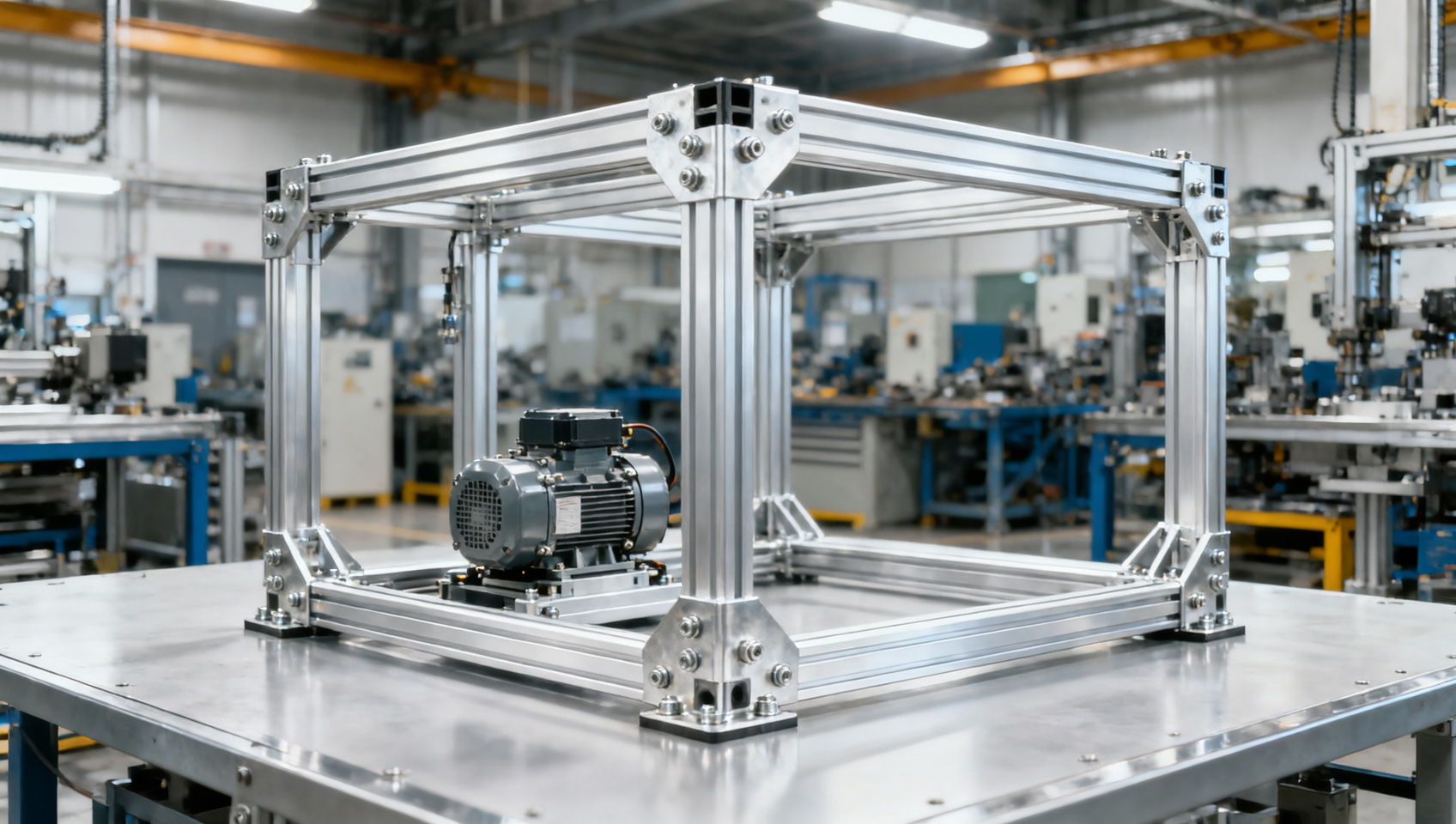
As solar PV deployment accelerates globally, custom metal fabrication for mounting structures demands rigorous material selection—aluminum vs. stainless steel—balancing weight, corrosion resistance, lifecycle cost, and manufacturability. For OEM machined parts, smart manufacturing integrations, and precision engineering requirements, this decision directly impacts factory automation efficiency, industrial robotics handling, and long-term structural integrity. Whether sourcing die casting parts, sheet metal bending assemblies, or 5-axis milling components, procurement professionals and project managers must weigh trade-offs through a supply-chain-aware lens. TradeNexus Pro delivers data-driven, E-E-A-T-verified insights to guide high-stakes decisions—backed by technical analysts and industry veterans across Advanced Manufacturing and Green Energy.
How Material Choice Impacts Mounting Structure Performance & Fabrication Efficiency
Solar PV mounting structures operate under dynamic mechanical loads, thermal cycling (−40°C to +85°C), and aggressive environmental exposure—including coastal salt spray, industrial pollutants, and desert UV degradation. Custom metal fabrication must therefore align with both structural performance targets and production realities: CNC programming time, tool wear rates, weld joint integrity, and post-processing steps like anodizing or passivation.
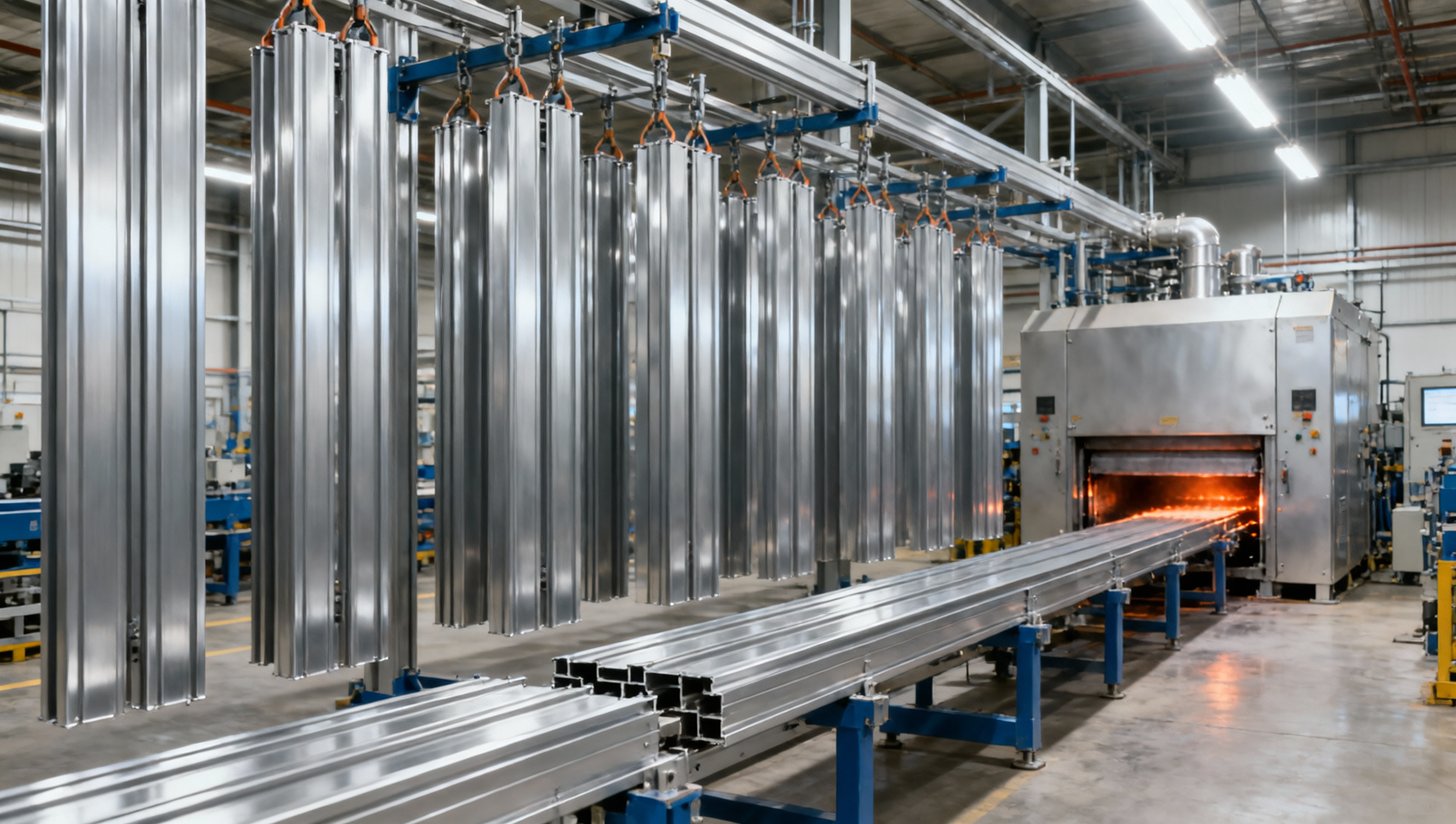
Aluminum alloys (e.g., 6061-T6, 6063-T5) offer yield strengths of 240–276 MPa and density ~2.7 g/cm³—enabling lightweight designs that reduce shipping costs by up to 35% and simplify on-site assembly. Stainless steel (e.g., AISI 304, 316) provides 520–750 MPa tensile strength and superior abrasion resistance but adds 2.8× more mass per unit volume, increasing logistics and labor costs during field installation.
From a fabrication standpoint, aluminum requires lower cutting forces (≈40% less than stainless), enabling faster feed rates in CNC machining and reduced tooling replacement frequency—critical for medium-batch runs of 500–2,000 units. Stainless steel demands specialized carbide tooling, slower spindle speeds, and coolant management systems to avoid work hardening—a factor that extends lead times by 7–12 days in high-precision sheet metal bending operations.

Key Technical Trade-Offs: Corrosion Resistance, Lifecycle Cost & Compliance
Corrosion behavior diverges sharply between materials. Aluminum relies on a self-healing oxide layer—but chloride-induced pitting is common in marine zones without proper alloy selection (e.g., 5052-H32 outperforms 6061 in salt exposure). Stainless steel 316 resists pitting up to 1,000 ppm chlorides, meeting ASTM A923 Class C for offshore applications. However, galvanic coupling with aluminum fasteners or carbon steel grounding lugs can accelerate localized corrosion if isolation washers and dielectric coatings are omitted.
Lifecycle cost modeling shows aluminum dominates in inland utility-scale projects (25-year ROI breakeven at $12.8/kW installed), while stainless steel justifies premium pricing in harsh environments where maintenance intervals exceed 15 years—reducing total cost of ownership by 18–22% over 30 years when factoring in inspection, recoating, and component replacement cycles.
Procurement Decision Framework: 5 Critical Evaluation Dimensions
Global procurement directors must evaluate beyond datasheets. TradeNexus Pro’s vetted framework prioritizes:
- Supply chain resilience: Aluminum extrusion capacity remains concentrated in China (62% global output), whereas stainless steel mill rolls are diversified across EU, South Korea, and North America—impacting lead time variability (±14 days vs. ±22 days).
- Post-fabrication process compatibility: Aluminum tolerates laser welding (≤3 mm thickness) with minimal distortion; stainless steel requires pulsed MIG or TIG for thin-gauge (<2 mm) mounting brackets to avoid warping.
- Design-for-automation readiness: Aluminum’s consistent grain structure enables repeatable robotic palletizing; stainless steel’s variable hardness requires adaptive gripper force calibration across lot batches.
- End-of-life recyclability: Both materials are infinitely recyclable, but aluminum re-melting consumes only 5% of primary production energy—supporting Scope 3 emissions reporting compliance.
- Certification alignment: UL 2703 listing requires ≥1.2 mm base metal thickness for aluminum and ≥1.0 mm for stainless steel in ground-mount systems.
Why Global Procurement Leaders Trust TradeNexus Pro for Material Strategy
TradeNexus Pro connects procurement teams with verified fabricators who meet ISO 9001:2015 and ASME BPVC Section VIII standards—and provide full traceability down to alloy batch certificates and mill test reports. Our platform surfaces real-time regional price indices for 6063-T5 extrusions and 316 cold-rolled coil, updated weekly with freight surcharge adjustments.
For your next solar mounting structure tender, request our Material Selection Audit Report, which includes:
- Site-specific corrosion risk scoring (based on ISO 9223 classification and local atmospheric data)
- Comparative DFM analysis for CNC, bending, and welding processes
- Lead time mapping across 3 supplier tiers (extruder → fabricator → finisher)
- Compliance gap assessment against IEC 61215-2, UL 2703, and EN 1090-1 EXC2
Access the report within 48 hours—no registration required. Contact TradeNexus Pro today to align your custom metal fabrication strategy with Green Energy and Advanced Manufacturing best practices.

Get weekly intelligence in your inbox.
No noise. No sponsored content. Pure intelligence.
 Sep 15, 2026Wholesale WiFi Smart Switches: What Buyers Should Verify Before OrderingWholesale WiFi Smart Switches: What Buyers Should Verify Before Ordering
 Sep 14, 2026How to Select IoT Sensors for Reliable Monitoring in Harsh Industrial EnvironmentsHow to Select IoT Sensors for Reliable Monitoring in Harsh Industrial Environments
 Sep 13, 2026How Procurement Teams Can Improve Supplier Reliability With Supply Chain VisibilityHow Procurement Teams Can Improve Supplier Reliability With Supply Chain Visibility
 Sep 12, 2026Smart Manufacturing Trends 2026: What Leaders Should Prioritize for ROISmart Manufacturing Trends 2026: What Leaders Should Prioritize for ROI
 Sep 11, 2026B2B Market Analysis: How Buyers Evaluate Suppliers, Pricing, and Delivery RiskB2B Market Analysis: How Buyers Evaluate Suppliers, Pricing, and Delivery Risk
 Sep 10, 2026Residential Solar Kits in Canada: How to Size a System for Your Home and ClimateResidential Solar Kits in Canada: How to Size a System for Your Home and Climate
 Sep 09, 2026How to Specify a Syringe Assembly Line for High-Volume Sterile ProductionHow to Specify a Syringe Assembly Line for High-Volume Sterile Production
 Sep 08, 2026How to Evaluate Warehouse Robotics System Suppliers for Reliable Multi-Site DeploymentHow to Evaluate Warehouse Robotics System Suppliers for Reliable Multi-Site Deployment
 Sep 07, 2026Renewable Geothermal Energy Explained: How It Works for Heating and PowerRenewable Geothermal Energy Explained: How It Works for Heating and Power
 Sep 07, 2026How to Choose an Industrial Packaging Robot Manufacturer for Your Production LineHow to Choose an Industrial Packaging Robot Manufacturer for Your Production Line
 Sep 05, 2026How to Evaluate a Turnkey Hydro Turbine Generator Supplier for Remote Power ProjectsHow to Evaluate a Turnkey Hydro Turbine Generator Supplier for Remote Power Projects
 Sep 04, 2026Automated Ultrasonic Welding for Thermoplastic Assemblies: Process Controls That MatterAutomated Ultrasonic Welding for Thermoplastic Assemblies: Process Controls That Matter
 Sep 03, 2026Energy Forecasting for Grid Planning: Sizing Solar and Storage CapacityEnergy Forecasting for Grid Planning: Sizing Solar and Storage Capacity
 Sep 02, 2026Which Metrics Should an Energy Analytics Dashboard Track for Factory Energy Management?Which Metrics Should an Energy Analytics Dashboard Track for Factory Energy Management?
 Sep 01, 2026How Warehouse Voice Picking Improves Accuracy and Throughput in Order FulfillmentHow Warehouse Voice Picking Improves Accuracy and Throughput in Order Fulfillment
 Aug 31, 2026How to Automate Dropshipping Order Processing Without Overselling StockHow to Automate Dropshipping Order Processing Without Overselling Stock
 Aug 30, 2026How to Evaluate a Smart Lighting Supplier for Multi-Site Commercial ProjectsHow to Evaluate a Smart Lighting Supplier for Multi-Site Commercial Projects
 Aug 29, 2026Recent Advances in Smart Manufacturing and Materials Reshaping Factory InvestmentRecent Advances in Smart Manufacturing and Materials Reshaping Factory Investment
 Aug 29, 2026Selecting Lightweight Aluminum Extrusions for Strength-Critical Industrial DesignsSelecting Lightweight Aluminum Extrusions for Strength-Critical Industrial Designs
 Aug 29, 2026Vertical Powder Anodizing Explained: Process Controls for Uniform Coating QualityVertical Powder Anodizing Explained: Process Controls for Uniform Coating Quality
 Aug 29, 2026PV Module Product Due Diligence: What Buyers Should Verify Before ContractingPV Module Product Due Diligence: What Buyers Should Verify Before Contracting
 Aug 29, 2026Solar Design for Challenging Terrain: Managing Slope, Soil, and Shading RisksSolar Design for Challenging Terrain: Managing Slope, Soil, and Shading Risks
 Aug 29, 2026IS 16444 Smart Meter Requirements: Key Functions, Tests, and ComplianceIS 16444 Smart Meter Requirements: Key Functions, Tests, and Compliance
 Aug 29, 2026Rehabilitation Equipment Market Outlook: Demand Drivers and Growth SegmentsRehabilitation Equipment Market Outlook: Demand Drivers and Growth Segments
 Aug 29, 2026When Does Container Handling Automation Deliver ROI in Port Yard Operations?When Does Container Handling Automation Deliver ROI in Port Yard Operations?
 Aug 29, 2026Customs API Integration: A Practical Checklist for Automated Trade ComplianceCustoms API Integration: A Practical Checklist for Automated Trade Compliance
 Aug 29, 2026Returnable Packaging for Automotive: How to Cut Damage and Reverse Logistics CostsReturnable Packaging for Automotive: How to Cut Damage and Reverse Logistics Costs