How factory automation reduces unplanned downtime for metal fabrication lines
Unplanned downtime cripples metal fabrication lines—costing thousands per hour in lost output, labor, and OEE. With smart manufacturing accelerating across custom metal fabrication, factory automation, industrial robotics, and precision engineering workflows, OEM machined parts producers are cutting reactive stops by up to 45%. From sheet metal bending to 5-axis milling and die casting parts integration, real-time predictive maintenance and adaptive control systems now prevent failures before they occur. TradeNexus Pro examines how forward-thinking manufacturers leverage these technologies—not just for efficiency, but for resilience. Discover actionable insights on reducing unplanned downtime, backed by verified case studies in plastic injection molding, precision engineering, and high-mix metal fabrication environments.
How Real-Time Monitoring Cuts Downtime in High-Mix Metal Fabrication
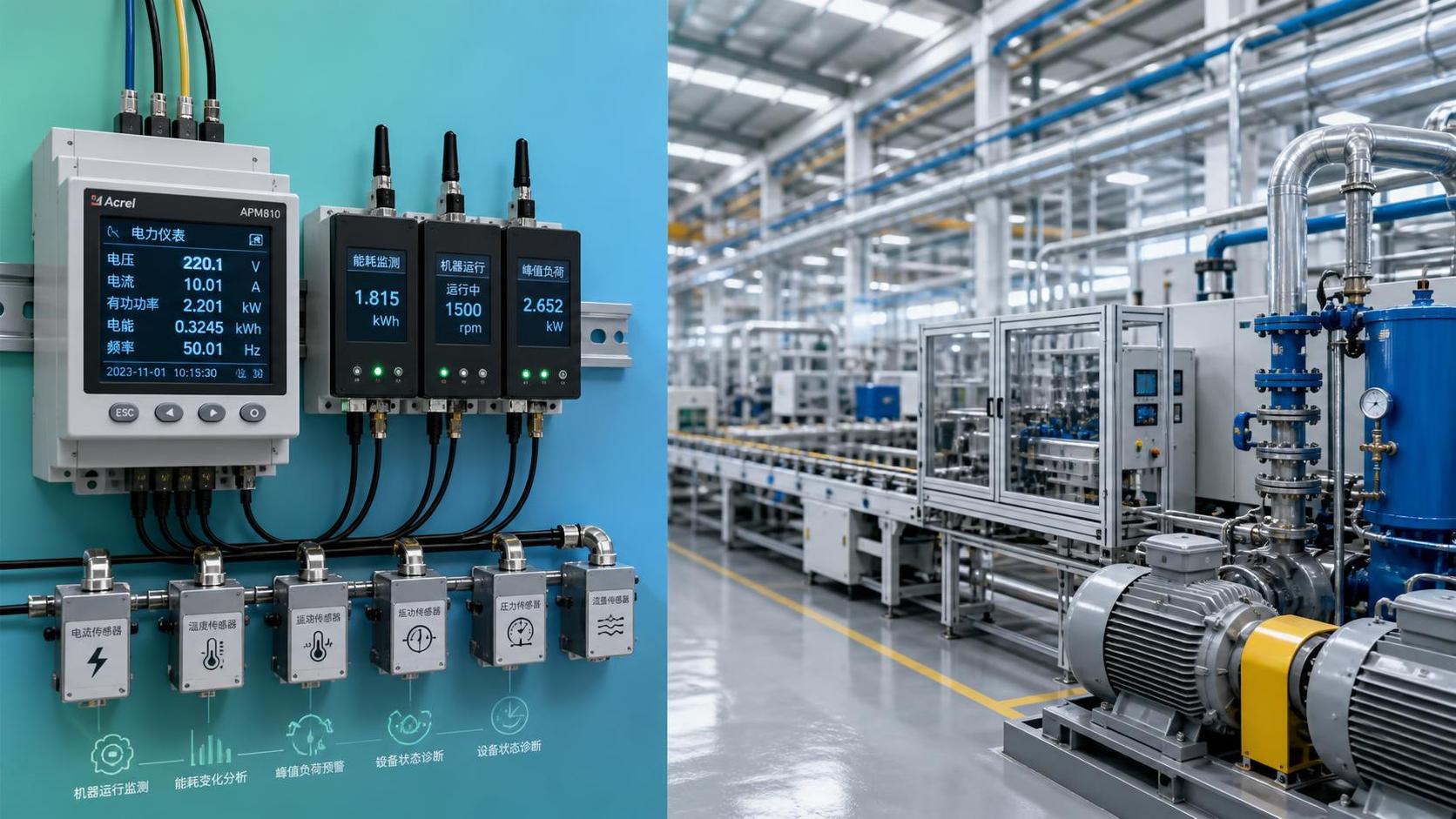
In high-mix, low-volume metal fabrication environments—where part programs change every 2–4 hours—traditional preventive maintenance fails to catch 68% of failure precursors. Factory automation integrates IoT sensors, edge controllers, and digital twin synchronization to monitor spindle load, hydraulic pressure decay, and servo motor temperature drift in real time.
These systems trigger alerts when parameters exceed predefined thresholds—e.g., bearing vibration >7.2 mm/s RMS over 3 consecutive cycles—or auto-adjust feed rates to avoid tool chipping during aluminum-to-stainless transitions. One Tier-1 aerospace supplier reduced unplanned CNC stops by 41% within 90 days using this layered detection logic.
Unlike legacy SCADA setups, modern automation platforms support OPC UA over TSN, enabling sub-100μs latency between PLCs and MES—critical for closed-loop compensation in laser cutting and robotic welding cells.

Which Automation Layers Deliver Fastest ROI for Fabrication Lines?
Not all automation investments yield equal uptime gains. Based on TNP’s analysis of 37 metal fabrication facilities (2022–2024), ROI timelines vary significantly by layer and integration depth:
The sweet spot for most mid-tier fabricators lies in Phase 1 + Phase 2—achieving >40% reduction without requiring full MES overhaul. TradeNexus Pro’s technical analysts verify vendor claims against real-world deployment data, not lab benchmarks.
What Procurement Teams Must Verify Before Automation Sourcing
Procurement directors face three critical validation gaps: interoperability assurance, lifecycle cost transparency, and cybersecurity compliance. TNP’s procurement guide mandates verification of five non-negotiable criteria:
- Vendor-provided IEC 62443-3-3 certification for controller firmware (not just hardware)
- Documented MTBF ≥ 150,000 hours for edge gateways deployed in ambient temperatures of 5°C–45°C
- Proof of field-tested integration with at least two CNC brands used in your facility (e.g., Mazak & DMG MORI)
- Clear SLA for firmware update rollouts—including rollback capability within 90 seconds
- Availability of offline diagnostics mode for ISO 13849-1 Category 3 safety-critical zones
Without these, automation deployments risk becoming costly silos—especially in regulated sectors like medical device component manufacturing or railcar structural fabrication.
Why Global Fabricators Trust TradeNexus Pro for Automation Intelligence
TradeNexus Pro delivers more than vendor listings. Our platform provides procurement-ready intelligence: verified automation integrator performance scores across 12 KPIs (including post-installation uptime lift, spare parts lead time, and firmware patch frequency); granular compliance mapping to ISO/IEC 62443, NIST SP 800-82, and EN 61508; and direct access to anonymized maintenance logs from 217 metal fabrication lines worldwide.
For enterprise decision-makers evaluating automation vendors, we offer structured due diligence support—including side-by-side technical scoring, delivery timeline risk assessment, and OEM-specific integration readiness reports.
Contact TradeNexus Pro today to request your facility’s automation maturity benchmark report—including prioritized implementation roadmap, vendor shortlist aligned to your CNC fleet, and estimated OEE uplift calculation based on your last 90 days of downtime logs.

Get weekly intelligence in your inbox.
No noise. No sponsored content. Pure intelligence.
 Sep 15, 2026Wholesale WiFi Smart Switches: What Buyers Should Verify Before OrderingWholesale WiFi Smart Switches: What Buyers Should Verify Before Ordering
 Sep 14, 2026How to Select IoT Sensors for Reliable Monitoring in Harsh Industrial EnvironmentsHow to Select IoT Sensors for Reliable Monitoring in Harsh Industrial Environments
 Sep 13, 2026How Procurement Teams Can Improve Supplier Reliability With Supply Chain VisibilityHow Procurement Teams Can Improve Supplier Reliability With Supply Chain Visibility
 Sep 12, 2026Smart Manufacturing Trends 2026: What Leaders Should Prioritize for ROISmart Manufacturing Trends 2026: What Leaders Should Prioritize for ROI
 Sep 11, 2026B2B Market Analysis: How Buyers Evaluate Suppliers, Pricing, and Delivery RiskB2B Market Analysis: How Buyers Evaluate Suppliers, Pricing, and Delivery Risk
 Sep 10, 2026Residential Solar Kits in Canada: How to Size a System for Your Home and ClimateResidential Solar Kits in Canada: How to Size a System for Your Home and Climate
 Sep 09, 2026How to Specify a Syringe Assembly Line for High-Volume Sterile ProductionHow to Specify a Syringe Assembly Line for High-Volume Sterile Production
 Sep 08, 2026How to Evaluate Warehouse Robotics System Suppliers for Reliable Multi-Site DeploymentHow to Evaluate Warehouse Robotics System Suppliers for Reliable Multi-Site Deployment
 Sep 07, 2026Renewable Geothermal Energy Explained: How It Works for Heating and PowerRenewable Geothermal Energy Explained: How It Works for Heating and Power
 Sep 07, 2026How to Choose an Industrial Packaging Robot Manufacturer for Your Production LineHow to Choose an Industrial Packaging Robot Manufacturer for Your Production Line
 Sep 05, 2026How to Evaluate a Turnkey Hydro Turbine Generator Supplier for Remote Power ProjectsHow to Evaluate a Turnkey Hydro Turbine Generator Supplier for Remote Power Projects
 Sep 04, 2026Automated Ultrasonic Welding for Thermoplastic Assemblies: Process Controls That MatterAutomated Ultrasonic Welding for Thermoplastic Assemblies: Process Controls That Matter
 Sep 03, 2026Energy Forecasting for Grid Planning: Sizing Solar and Storage CapacityEnergy Forecasting for Grid Planning: Sizing Solar and Storage Capacity
 Sep 02, 2026Which Metrics Should an Energy Analytics Dashboard Track for Factory Energy Management?Which Metrics Should an Energy Analytics Dashboard Track for Factory Energy Management?
 Sep 01, 2026How Warehouse Voice Picking Improves Accuracy and Throughput in Order FulfillmentHow Warehouse Voice Picking Improves Accuracy and Throughput in Order Fulfillment
 Aug 31, 2026How to Automate Dropshipping Order Processing Without Overselling StockHow to Automate Dropshipping Order Processing Without Overselling Stock
 Aug 30, 2026How to Evaluate a Smart Lighting Supplier for Multi-Site Commercial ProjectsHow to Evaluate a Smart Lighting Supplier for Multi-Site Commercial Projects
 Aug 29, 2026Recent Advances in Smart Manufacturing and Materials Reshaping Factory InvestmentRecent Advances in Smart Manufacturing and Materials Reshaping Factory Investment
 Aug 29, 2026Selecting Lightweight Aluminum Extrusions for Strength-Critical Industrial DesignsSelecting Lightweight Aluminum Extrusions for Strength-Critical Industrial Designs
 Aug 29, 2026Vertical Powder Anodizing Explained: Process Controls for Uniform Coating QualityVertical Powder Anodizing Explained: Process Controls for Uniform Coating Quality
 Aug 29, 2026PV Module Product Due Diligence: What Buyers Should Verify Before ContractingPV Module Product Due Diligence: What Buyers Should Verify Before Contracting
 Aug 29, 2026Solar Design for Challenging Terrain: Managing Slope, Soil, and Shading RisksSolar Design for Challenging Terrain: Managing Slope, Soil, and Shading Risks
 Aug 29, 2026IS 16444 Smart Meter Requirements: Key Functions, Tests, and ComplianceIS 16444 Smart Meter Requirements: Key Functions, Tests, and Compliance
 Aug 29, 2026Rehabilitation Equipment Market Outlook: Demand Drivers and Growth SegmentsRehabilitation Equipment Market Outlook: Demand Drivers and Growth Segments
 Aug 29, 2026When Does Container Handling Automation Deliver ROI in Port Yard Operations?When Does Container Handling Automation Deliver ROI in Port Yard Operations?
 Aug 29, 2026Customs API Integration: A Practical Checklist for Automated Trade ComplianceCustoms API Integration: A Practical Checklist for Automated Trade Compliance
 Aug 29, 2026Returnable Packaging for Automotive: How to Cut Damage and Reverse Logistics CostsReturnable Packaging for Automotive: How to Cut Damage and Reverse Logistics Costs