5-axis milling for medical device enclosures: when complexity justifies the cost
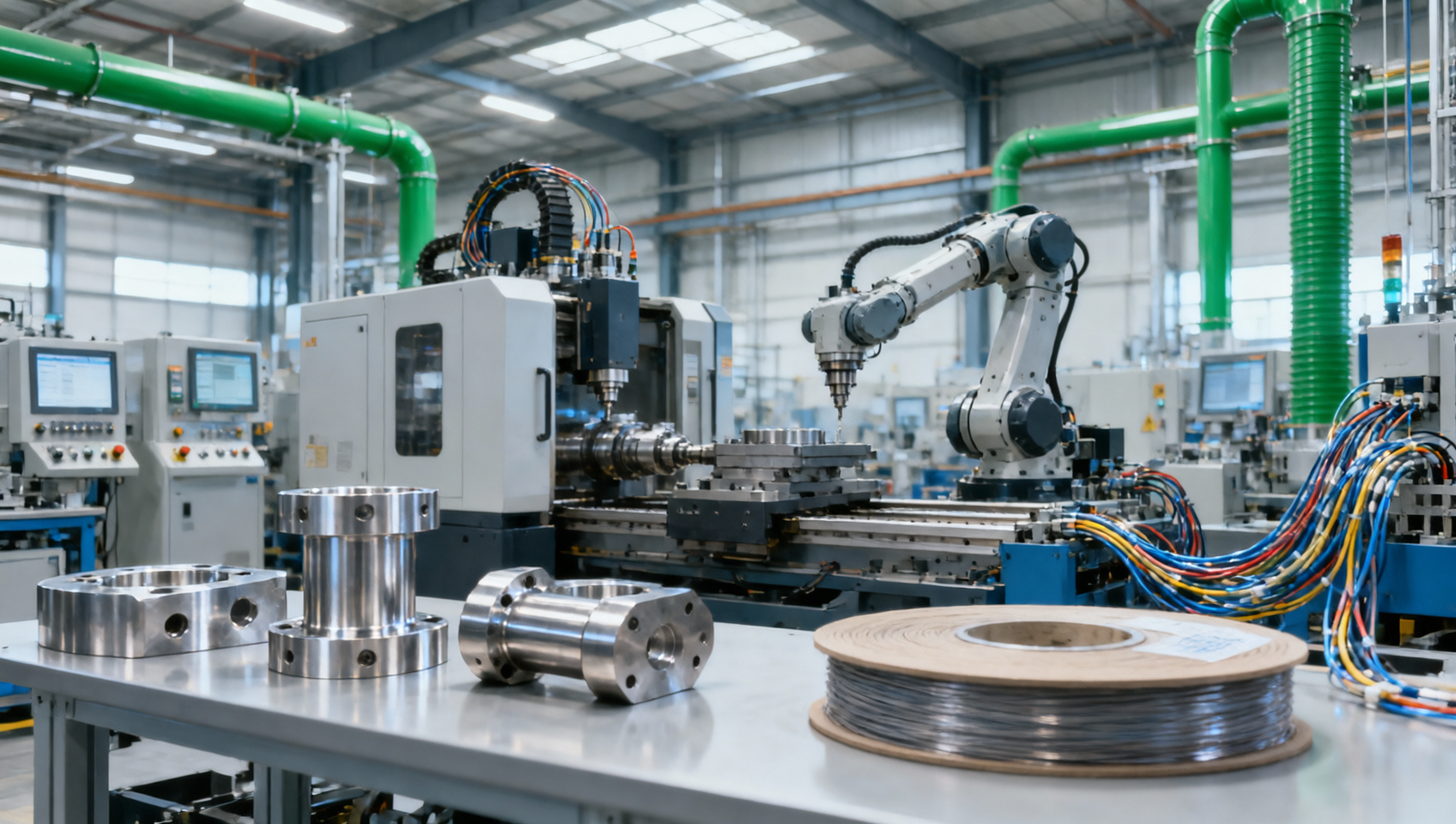
In high-stakes medical device manufacturing, where millimeter-level precision and complex geometries are non-negotiable, 5-axis milling transcends cost concerns—it delivers mission-critical reliability. For OEM machined parts demanding zero compromise in biocompatibility, sterilizability, and structural integrity, this smart manufacturing cornerstone enables seamless integration with factory automation systems and industrial robotics workflows. Whether augmenting custom metal fabrication, refining die casting parts, or replacing legacy sheet metal bending solutions, 5-axis milling unlocks new frontiers in precision engineering—especially for enclosures housing sensitive electronics or life-support components. TradeNexus Pro explores when—and why—the investment pays off.
When Does 5-Axis Milling Justify Its Premium?
Medical device enclosures rarely fit standard geometries. Think curved titanium housings for portable ultrasound units, nested coolant channels inside MRI console frames, or hermetically sealed aluminum casings with integrated RF shielding grooves. Conventional 3-axis machining requires multiple setups—each introducing cumulative positional error of ±0.025 mm per re-fixturing. In contrast, 5-axis systems achieve ±0.008 mm repeatability across full contour paths, reducing post-machining metrology time by 40–60%.
The justification threshold emerges at three inflection points: part complexity exceeding 12 unique surfaces; wall thickness under 1.2 mm with aspect ratios >15:1; or regulatory traceability requirements mandating full NC program version control, tool path logs, and thermal drift compensation records—features embedded in ISO 13485–certified 5-axis CNC platforms.
For procurement teams evaluating ROI, the breakeven typically occurs after 18–24 months for mid-volume production (500–2,000 units/year), assuming dual benefits: reduced scrap rate (from 4.2% to ≤0.7%) and elimination of secondary assembly steps (e.g., welding, adhesive bonding).
How Enclosure Design Impacts Process Selection
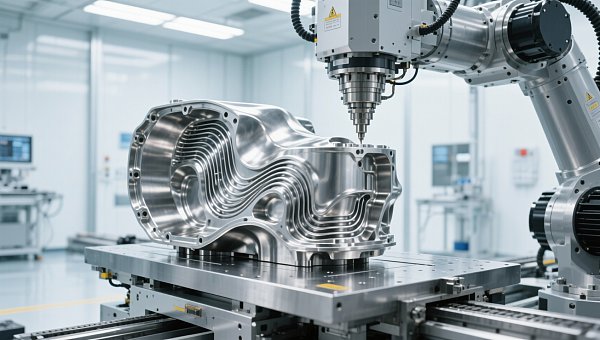
Not all medical enclosures benefit equally from 5-axis capability. Design-driven selection hinges on five geometric thresholds:
- Undercut depth ≥ 3 mm without manual deburring access
- Surface curvature radius < 8 mm across >30% of total area
- Internal cavity aspect ratio (depth:width) > 6:1
- Required surface finish Ra < 0.8 µm on non-planar faces
- Integration of ≥3 functional features (e.g., mounting bosses + EMI gasket grooves + thermal fins) within a single monolithic structure
Cross-referencing these against your CAD model’s GD&T annotations reveals whether 5-axis is essential—or merely convenient.
Comparative Cost Structure Across Machining Methods
Total cost of ownership spans beyond machine hourly rates. Below is a normalized comparison for a representative Class II diagnostic enclosure (Al 6061-T6, 280 × 190 × 95 mm, 14 surfaces, Ra 1.2 µm spec):
Note: 5-axis reduces qualification time by consolidating tolerance stack-ups into one coordinate system—critical for FDA 21 CFR Part 820 compliance documentation.
Procurement Checklist: What to Verify Before Sourcing
For procurement directors and quality managers, validating supplier readiness requires more than quoting accuracy. Prioritize verification across four dimensions:
- Machine calibration certificates traceable to NIST standards (updated ≤6 months prior)
- On-site ISO 13485:2016 certification covering “machined medical device components” scope
- Process validation reports for sterilization compatibility (EtO, gamma, autoclave cycles)
- Digital twin capability: ability to simulate tool interference, thermal deformation, and surface finish prediction pre-cut
TradeNexus Pro curates vetted suppliers meeting all four criteria—verified through third-party audit summaries and live CAM file review sessions.
Why Partner with TradeNexus Pro for Your Next Medical Enclosure Project
TradeNexus Pro bridges the gap between technical feasibility and procurement execution. We don’t just list vendors—we deliver actionable intelligence:
- Access to real-time benchmark data: current lead times (median = 12.4 days), typical NRE caps ($4,200–$6,800), and material surcharge trends for Ti-6Al-4V and medical-grade stainless steels
- Pre-vetted supplier shortlists ranked by FDA audit history, AS9100 overlap, and automated inspection report integration (GD&T XML export support)
- Technical consultation: free CAM file review to identify over-constrained tolerances or un-millable radii before quoting begins
Request your customized 5-axis milling assessment—including process map, risk-weighted TCO model, and 3 qualified supplier profiles—via our secure B2B portal. Specify your enclosure CAD package (STEP, Parasolid, or native SolidWorks), target volume, and sterilization method for immediate prioritization.
Get weekly intelligence in your inbox.
No noise. No sponsored content. Pure intelligence.
 Sep 15, 2026Wholesale WiFi Smart Switches: What Buyers Should Verify Before OrderingWholesale WiFi Smart Switches: What Buyers Should Verify Before Ordering
 Sep 14, 2026How to Select IoT Sensors for Reliable Monitoring in Harsh Industrial EnvironmentsHow to Select IoT Sensors for Reliable Monitoring in Harsh Industrial Environments
 Sep 13, 2026How Procurement Teams Can Improve Supplier Reliability With Supply Chain VisibilityHow Procurement Teams Can Improve Supplier Reliability With Supply Chain Visibility
 Sep 12, 2026Smart Manufacturing Trends 2026: What Leaders Should Prioritize for ROISmart Manufacturing Trends 2026: What Leaders Should Prioritize for ROI
 Sep 11, 2026B2B Market Analysis: How Buyers Evaluate Suppliers, Pricing, and Delivery RiskB2B Market Analysis: How Buyers Evaluate Suppliers, Pricing, and Delivery Risk
 Sep 10, 2026Residential Solar Kits in Canada: How to Size a System for Your Home and ClimateResidential Solar Kits in Canada: How to Size a System for Your Home and Climate
 Sep 09, 2026How to Specify a Syringe Assembly Line for High-Volume Sterile ProductionHow to Specify a Syringe Assembly Line for High-Volume Sterile Production
 Sep 08, 2026How to Evaluate Warehouse Robotics System Suppliers for Reliable Multi-Site DeploymentHow to Evaluate Warehouse Robotics System Suppliers for Reliable Multi-Site Deployment
 Sep 07, 2026Renewable Geothermal Energy Explained: How It Works for Heating and PowerRenewable Geothermal Energy Explained: How It Works for Heating and Power
 Sep 07, 2026How to Choose an Industrial Packaging Robot Manufacturer for Your Production LineHow to Choose an Industrial Packaging Robot Manufacturer for Your Production Line
 Sep 05, 2026How to Evaluate a Turnkey Hydro Turbine Generator Supplier for Remote Power ProjectsHow to Evaluate a Turnkey Hydro Turbine Generator Supplier for Remote Power Projects
 Sep 04, 2026Automated Ultrasonic Welding for Thermoplastic Assemblies: Process Controls That MatterAutomated Ultrasonic Welding for Thermoplastic Assemblies: Process Controls That Matter
 Sep 03, 2026Energy Forecasting for Grid Planning: Sizing Solar and Storage CapacityEnergy Forecasting for Grid Planning: Sizing Solar and Storage Capacity
 Sep 02, 2026Which Metrics Should an Energy Analytics Dashboard Track for Factory Energy Management?Which Metrics Should an Energy Analytics Dashboard Track for Factory Energy Management?
 Sep 01, 2026How Warehouse Voice Picking Improves Accuracy and Throughput in Order FulfillmentHow Warehouse Voice Picking Improves Accuracy and Throughput in Order Fulfillment
 Aug 31, 2026How to Automate Dropshipping Order Processing Without Overselling StockHow to Automate Dropshipping Order Processing Without Overselling Stock
 Aug 30, 2026How to Evaluate a Smart Lighting Supplier for Multi-Site Commercial ProjectsHow to Evaluate a Smart Lighting Supplier for Multi-Site Commercial Projects
 Aug 29, 2026Recent Advances in Smart Manufacturing and Materials Reshaping Factory InvestmentRecent Advances in Smart Manufacturing and Materials Reshaping Factory Investment
 Aug 29, 2026Selecting Lightweight Aluminum Extrusions for Strength-Critical Industrial DesignsSelecting Lightweight Aluminum Extrusions for Strength-Critical Industrial Designs
 Aug 29, 2026Vertical Powder Anodizing Explained: Process Controls for Uniform Coating QualityVertical Powder Anodizing Explained: Process Controls for Uniform Coating Quality
 Aug 29, 2026PV Module Product Due Diligence: What Buyers Should Verify Before ContractingPV Module Product Due Diligence: What Buyers Should Verify Before Contracting
 Aug 29, 2026Solar Design for Challenging Terrain: Managing Slope, Soil, and Shading RisksSolar Design for Challenging Terrain: Managing Slope, Soil, and Shading Risks
 Aug 29, 2026IS 16444 Smart Meter Requirements: Key Functions, Tests, and ComplianceIS 16444 Smart Meter Requirements: Key Functions, Tests, and Compliance
 Aug 29, 2026Rehabilitation Equipment Market Outlook: Demand Drivers and Growth SegmentsRehabilitation Equipment Market Outlook: Demand Drivers and Growth Segments
 Aug 29, 2026When Does Container Handling Automation Deliver ROI in Port Yard Operations?When Does Container Handling Automation Deliver ROI in Port Yard Operations?
 Aug 29, 2026Customs API Integration: A Practical Checklist for Automated Trade ComplianceCustoms API Integration: A Practical Checklist for Automated Trade Compliance
 Aug 29, 2026Returnable Packaging for Automotive: How to Cut Damage and Reverse Logistics CostsReturnable Packaging for Automotive: How to Cut Damage and Reverse Logistics Costs