Aluminum extrusions or steel: which fits your project better?
Choosing between aluminum extrusions and steel can shape your project’s cost, strength, weight, and long-term efficiency. For buyers, engineers, and project leaders working across sectors from energy storage and IoT sensors to smart home hubs and plastic injection molding, understanding the trade-offs is essential. This guide compares both materials to help you make a smarter, application-driven decision.
In B2B manufacturing and infrastructure planning, the material decision is rarely about strength alone. It affects assembly speed, shipping cost, corrosion exposure, maintenance intervals, operator safety, and even the flexibility to revise a design 6 or 12 months later. For procurement teams, the wrong choice can raise lifecycle cost; for engineers, it can create avoidable performance limits.
Aluminum extrusions and steel both remain foundational materials across advanced manufacturing, green energy systems, electronics enclosures, medical equipment frames, and supply chain automation. Yet they serve different priorities. Aluminum often wins on weight, modularity, and corrosion resistance, while steel frequently leads in raw strength, rigidity, and lower material price per kilogram.
The most effective way to choose is to evaluate load, environment, fabrication route, tolerance needs, total installed cost, and expected service life. The sections below break down those decision points for users, project managers, financial approvers, quality teams, and operational leaders who need a material choice that performs both technically and commercially.
Material basics: how aluminum extrusions and steel differ in practice
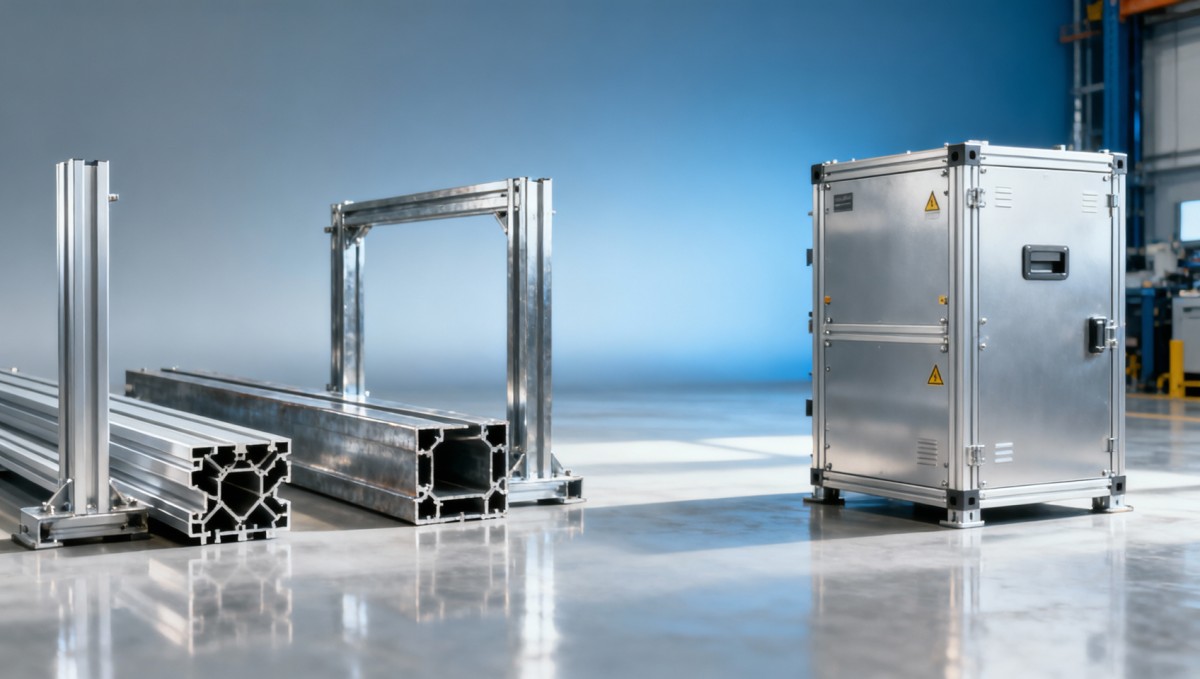
At a basic level, aluminum extrusions are shaped by pushing heated aluminum alloy through a die, creating precise cross-sections for frames, rails, housings, guards, and modular structures. Steel is commonly supplied as sheet, tube, bar, plate, or structural sections, then welded, bent, machined, or formed into the final assembly. This difference in processing influences cost, lead time, and design freedom.
One of the most important distinctions is density. Aluminum weighs roughly one-third as much as steel, which can reduce transport loads, simplify manual handling, and lower structural mass in moving systems. In conveyor modules, portable workstations, battery racks, or sensor support frames, even a 20% to 40% reduction in assembly weight may translate into easier installation and less stress on connected components.
Steel, however, remains highly attractive where heavy loads, high impact resistance, or compact structural sections are needed. If your project requires strong stiffness under static load, welded permanence, or high resistance to deformation at lower upfront material cost, steel often enters the shortlist first. This is common in industrial bases, machine skeletons, pallet handling systems, and high-load support structures.
Corrosion performance also matters. Aluminum naturally forms an oxide layer that helps protect the surface in many indoor and mildly corrosive environments. Steel can perform extremely well too, but often needs coating, galvanizing, or paint systems when exposed to humidity, chemicals, or outdoor conditions for 3 to 10 years of service.
Core comparison at a glance
The table below summarizes the most practical differences procurement and engineering teams usually review in the first screening round.
The key takeaway is that comparing price by kilogram alone is incomplete. A lighter material with fewer fabrication steps can still lower total installed cost, especially when assembly labor, shipping volume, or future modifications are part of the business case.
Typical project questions to ask first
- Will the structure be moved, adjusted, or expanded within the next 12 to 24 months?
- Is the working environment dry indoor, washdown, coastal, chemical, or outdoor exposure?
- Do you need welded permanence, or would bolt-together modularity reduce downtime?
- Are operators lifting, repositioning, or servicing the system on a weekly or monthly basis?
Performance factors that should drive your selection
The best material fit depends on what the system must do over its full service life. Teams often focus on tensile strength early, but real-world success usually depends on at least 5 decision areas: load, stiffness, environment, manufacturability, and maintenance. Missing any one of these can lead to redesigns, delayed approvals, or avoidable field failures.
Load and stiffness should be treated separately. Steel generally offers higher modulus and can deliver better rigidity in smaller cross-sections. That matters in machine bases, equipment stands, or long-span supports where deflection control is critical. Aluminum extrusions can still perform very well, but may require larger profiles, added bracing, or shorter unsupported spans to maintain acceptable deflection.
Thermal and environmental conditions also influence material behavior. In smart electronics housings, aluminum can support heat dissipation and corrosion resistance at the same time. In humid factories, food-adjacent spaces, or battery energy storage support frames, lower maintenance exposure can justify the higher profile cost. Steel becomes more attractive when abrasion, concentrated impact, or very high structural loads dominate the requirement.
Manufacturing route is another overlooked factor. Aluminum extrusion systems can reduce fabrication steps by integrating channels, mounting grooves, cable paths, and connector features into a single profile. Steel structures may need cutting, welding, grinding, surface finishing, and repainting, which can add 4 to 7 process steps before final installation.
Decision factors by project priority
When cross-functional teams evaluate both materials, the matrix below helps align engineering, finance, operations, and quality expectations.
This comparison shows why technical and commercial teams should review both material cost and process cost. In many projects, the winning option is the one that shortens installation by 1 to 3 days, not the one with the lowest quote for raw stock alone.
A practical 5-point screening method
- Define the maximum operating load and acceptable deflection range.
- Rate corrosion exposure from 1 to 5 based on humidity, chemical contact, or outdoor use.
- Estimate how often modifications may be needed over a 2-year period.
- Compare fabrication steps, not just material rates.
- Check whether operator handling, safety access, or transport limits favor lower weight.
Application-driven choices across industrial and technology sectors
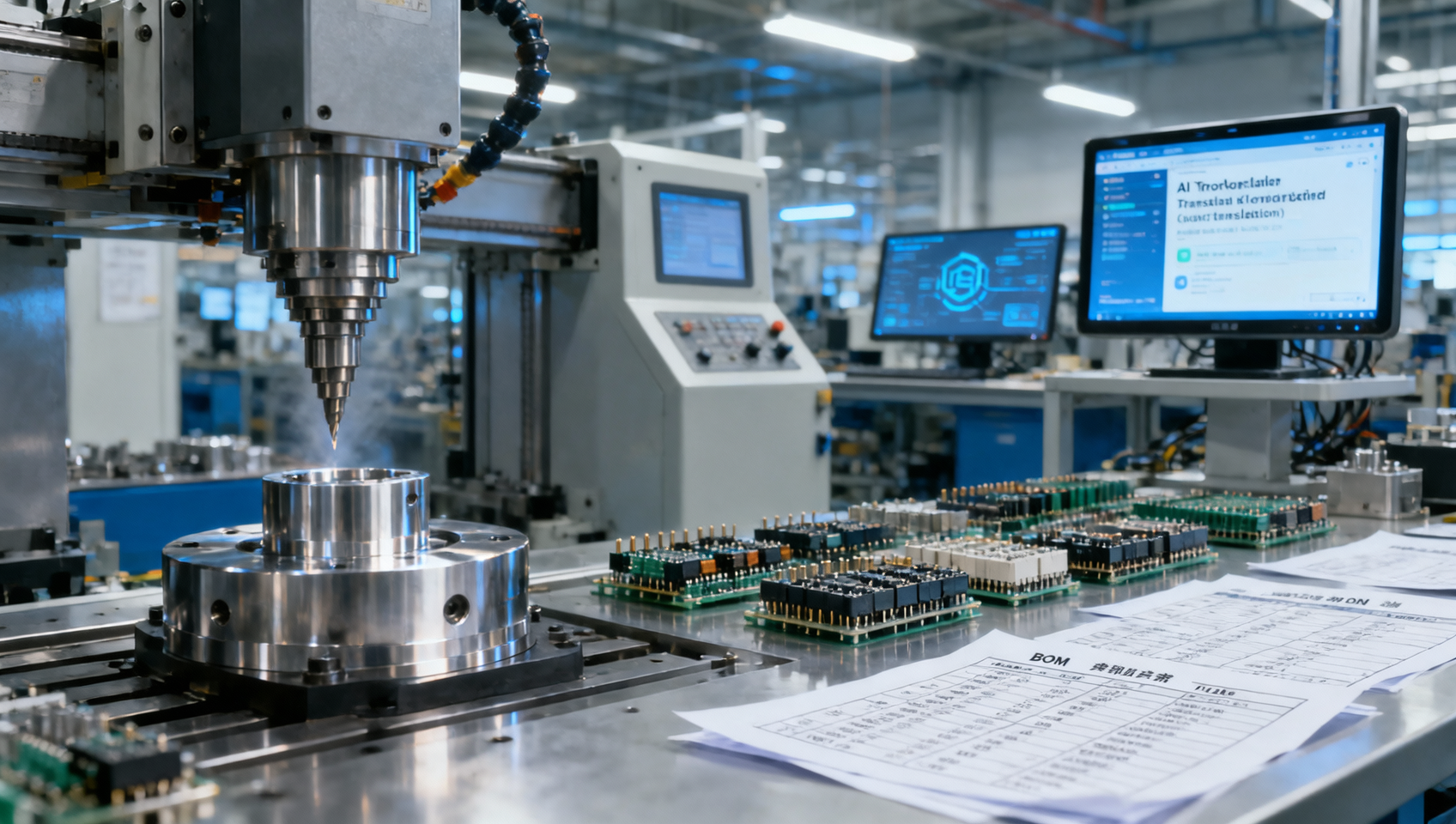
Material selection becomes clearer when viewed by use case. In advanced manufacturing, aluminum extrusions are widely chosen for machine guarding, workstations, automation frames, linear motion supports, and modular assembly cells. Their slot-based architecture makes cable management, sensor mounting, and late-stage accessory installation easier, especially when lines are updated every 6 to 18 months.
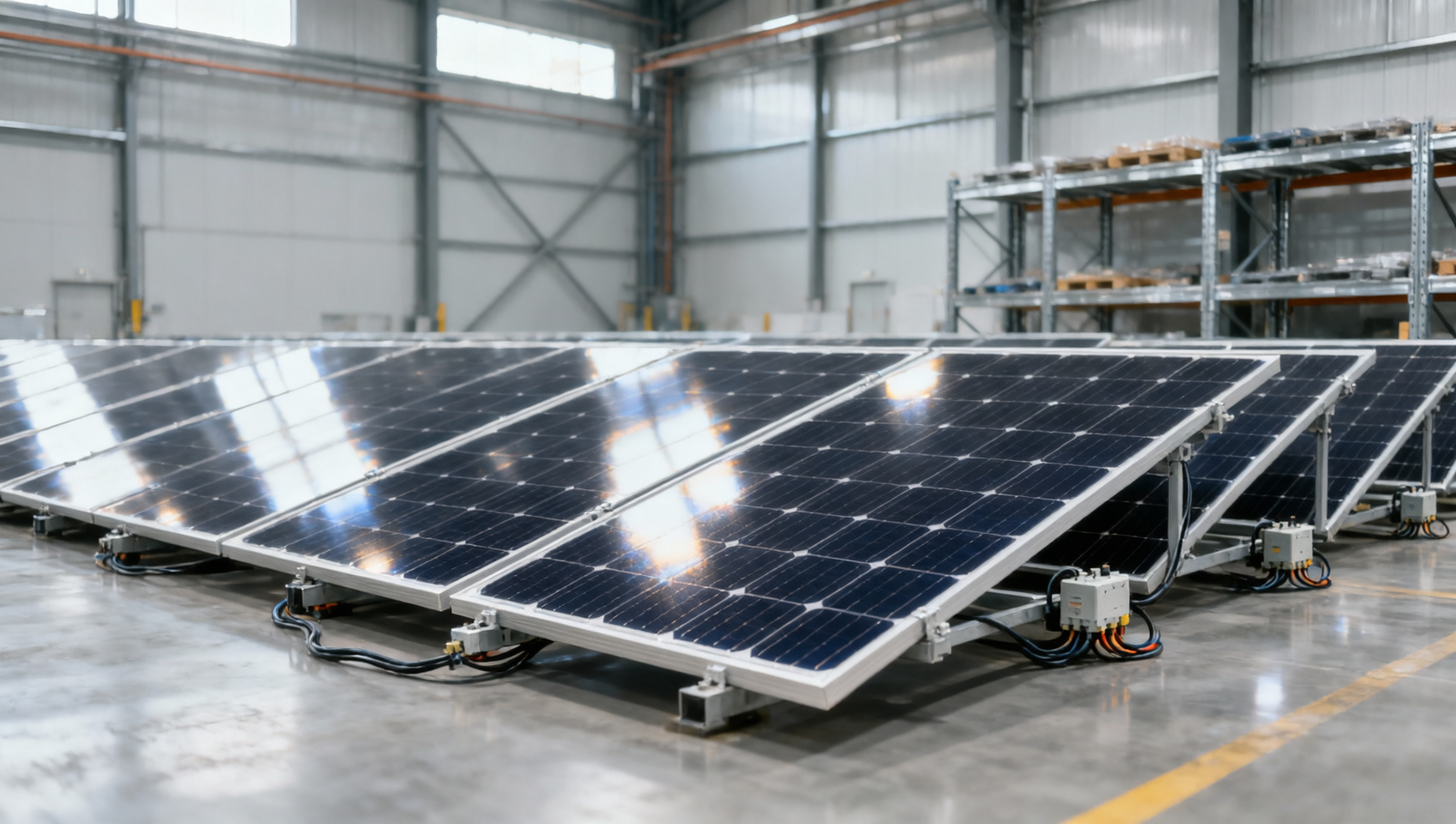
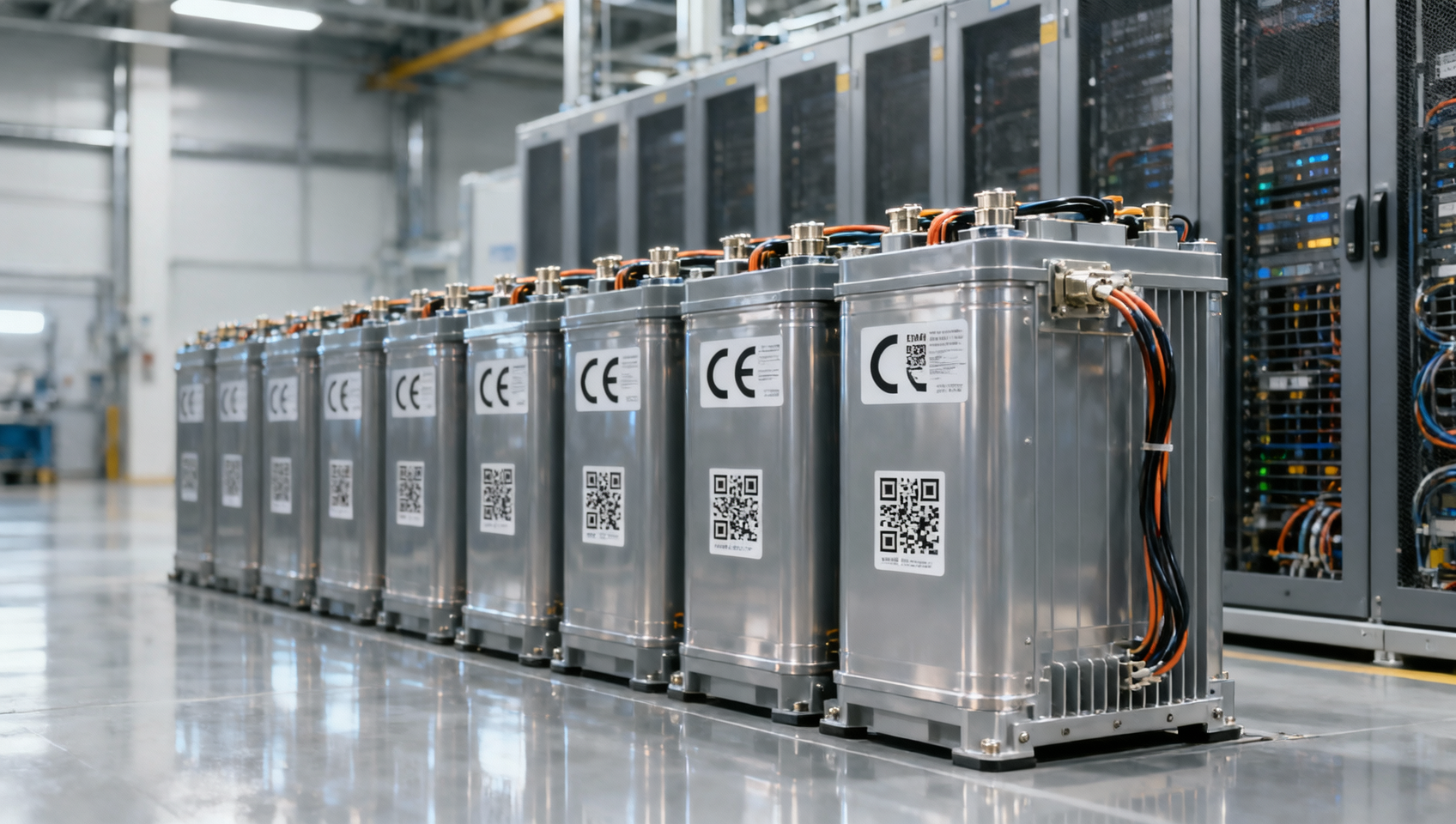
In green energy projects, both materials appear often, but in different roles. Aluminum is valuable in solar mounting substructures, battery enclosure frames, inverter housings, and lightweight support systems where corrosion exposure and handling efficiency matter. Steel is often preferred for foundational supports, heavy skids, outdoor utility-grade structures, and installations subject to higher point loads or wind-driven stress.
For smart electronics and healthcare technology, aluminum frequently aligns with the need for clean finishes, lower mass, and thermal performance. Diagnostic carts, device frames, compact enclosures, and lab automation supports often benefit from profiles that are easy to machine and visually suitable for customer-facing environments. Steel remains relevant for carts, cabinets, and support bodies that must resist impact or support heavier integrated equipment.
Supply chain and logistics systems present another split. Conveyor frames, pick stations, ergonomic fixtures, and mezzanine accessories may use aluminum where layout changes are expected. Steel remains common in racking supports, dock structures, forklift-exposed barriers, and high-duty material handling frames where robustness outweighs reconfiguration speed.
Where each material commonly fits best
The following table maps common B2B project scenarios to the material that usually provides the best operational fit.
The important point is not that one material is universally better. Instead, each material becomes stronger when matched to the correct duty profile, environmental condition, and change frequency within the facility or product lifecycle.
Common selection mistakes by application
- Choosing steel for a line that will be reconfigured every quarter, leading to extra cutting and welding work.
- Choosing aluminum for high-impact forklift zones without sufficient reinforcement or guarding.
- Ignoring corrosion treatment cost on steel in outdoor or washdown environments.
- Comparing only profile cost and forgetting freight, labor, finishing, and maintenance over 3 to 5 years.
Cost, lead time, and lifecycle economics for procurement teams
Financial approval often hinges on a simple question: which material gives the best total value over time? Steel usually has a lower entry cost as a raw material, but the final economics depend on fabrication complexity, finishing requirements, transportation, maintenance, and the chance of later design changes. In a fixed, heavy-duty build, steel may still win clearly. In a modular or evolving project, aluminum extrusions can close the gap fast.
Lead time should be evaluated in two layers: material availability and finished assembly readiness. Standard steel sections can be sourced quickly in many markets, but fabrication and coating may add 1 to 3 weeks depending on welding load and surface treatment queues. Standard aluminum profiles may also be available quickly, while custom dies can extend early-stage planning. Once profiles are on hand, assembly can be faster because fewer secondary steps are needed.
Freight and installation cost also shift the equation. A lighter frame can reduce shipment weight, simplify packaging, and cut lifting equipment needs on site. For distributed projects across multiple facilities or export routes, the cumulative savings can become meaningful, especially when 10, 20, or 50 assemblies are involved in a rollout.
Lifecycle economics matter most in B2B operations where downtime is costly. If the system needs retrofits, sensor additions, safety guarding updates, or layout changes, aluminum extrusions often reduce rework hours. If the structure is permanent, impact-prone, and unlikely to change for 5 to 10 years, steel may deliver stronger long-term value.
Procurement checklist before approval
- Compare total installed cost, not just material price.
- Estimate coating, machining, welding, and repainting needs over the expected service period.
- Confirm whether modifications are probable within the first 24 months.
- Evaluate shipping weight, unloading methods, and site labor requirements.
- Check supplier capability for tolerance control, repeatability, and replacement part support.
Typical commercial scenarios
If your project is a one-time heavy platform with minimal future changes, steel often offers a straightforward budget path. If your project includes phased rollout, uncertain accessory integration, or a need to standardize frame modules across several SKUs, aluminum extrusions may reduce total ownership cost even when the initial quote appears higher by 10% to 25%.
This is why enterprise buyers should align sourcing with operational intent. Material economics are strongest when they reflect the true business model of the asset, not just the purchase order value at day one.
Quality control, safety, and implementation guidance
For quality managers and project owners, successful selection depends on validation discipline. Whether you choose aluminum extrusions or steel, the review should cover dimensional tolerance, joining quality, surface condition, load path, and environmental fit. A good project typically moves through 3 stages: design review, pilot or prototype verification, and final production approval.
Inspection priorities differ by material. Aluminum extrusion projects should check profile straightness, corner accuracy, cut quality, fastener compatibility, and assembled squareness. Steel structures require close control of weld integrity, distortion, coating thickness, surface prep quality, and residual alignment after fabrication. In both cases, tolerance expectations should be defined before release to avoid conflict at receiving inspection.
Safety is another deciding factor. Lower-weight assemblies can reduce lifting risk for operators and installers, but only if the design maintains adequate load capacity. Steel may better resist accidental impact in high-traffic industrial zones, while aluminum can improve ergonomic handling for service platforms, instrument stands, and modular guard systems. The right decision comes from matching safety exposure to real site conditions, not assumptions.
Implementation works best when teams lock down a short list of acceptance criteria before mass production. Many organizations use 6 core checks: dimensions, finish, fastening integrity, load performance, corrosion protection, and documentation completeness. That approach keeps engineering, procurement, and incoming quality aligned from the first sample to repeat orders.
Frequently asked questions before final selection
How do I decide if lower weight is truly valuable?
If the structure is moved regularly, shipped internationally, mounted on mobile equipment, or adjusted during maintenance, lower weight can provide recurring value. Review handling frequency, lifting equipment needs, transport charges, and installation labor. If those factors are minor, steel may remain the better fit.
When is steel clearly the better option?
Steel is often the better choice for heavy-duty static frames, high-impact environments, welded permanent structures, and applications where compact stiffness matters more than modularity. It is especially practical when the design is stable and not expected to change over a 5-year or longer service period.
Are aluminum extrusions only for light-duty applications?
No. Aluminum extrusions can support demanding industrial uses when the profile size, bracing, connectors, and load path are correctly engineered. The key is not to under-size the structure. For medium-load automation, electronics infrastructure, and modular equipment frames, they are often highly effective.
What should procurement ask suppliers before issuing the order?
Ask about alloy or steel grade, surface treatment, tolerance capability, joining method, revision support, replacement component availability, and expected lead time for both standard and custom parts. Also request a clear breakdown of fabrication steps so total cost can be compared fairly.
Choosing between aluminum extrusions and steel is not a one-variable decision. The right answer depends on how your project balances load, stiffness, corrosion exposure, fabrication speed, transport demands, service access, and future design flexibility. Aluminum often excels in modular, lightweight, corrosion-aware systems. Steel often leads in heavy-duty, rigid, and cost-sensitive structural builds.
For enterprise buyers and project teams working across advanced manufacturing, green energy, smart electronics, healthcare technology, and supply chain operations, the strongest results come from comparing total installed value rather than raw material pricing alone. A structured review can reduce redesign risk, improve long-term reliability, and support faster approvals across engineering, finance, and quality.
If you are evaluating a new frame, enclosure, support structure, or production asset, now is the right time to benchmark both options against your actual application requirements. Contact TradeNexus Pro to explore deeper industry insight, compare sourcing strategies, and get a more tailored material selection path for your next project.
Get weekly intelligence in your inbox.
No noise. No sponsored content. Pure intelligence.
 Apr 24, 2026India BIS Mandates IS 13252:2025 for PLCs & HMIs by Oct 2026India BIS Mandates IS 13252:2025 for PLCs & HMIs by Oct 2026
 Apr 24, 2026SASO EV Charger Regulation: Sand-Resistant Grid Compatibility Testing RequiredSASO EV Charger Regulation: Sand-Resistant Grid Compatibility Testing Required
 Apr 24, 2026Japan Updates JIS for Rehab Devices: IEC 62366-1:2024 Usability Compliance RequiredJapan Updates JIS for Rehab Devices: IEC 62366-1:2024 Usability Compliance Required
 Apr 24, 2026China Customs Launches RCEP Origin Smart Pre-Review SystemChina Customs Launches RCEP Origin Smart Pre-Review System
 Apr 24, 2026ANATEL Mandates Localized Voice Assistants for Smart Home Devices in BrazilANATEL Mandates Localized Voice Assistants for Smart Home Devices in Brazil
 Apr 24, 2026TÜV Rheinland Updates IoT EMC Standard with AI Edge抗扰度 RequirementTÜV Rheinland Updates IoT EMC Standard with AI Edge抗扰度 Requirement
 Apr 24, 20262M Alliance Shortens Ningbo–Rotterdam Route to 18 Days Amid 35% Slot Premium2M Alliance Shortens Ningbo–Rotterdam Route to 18 Days Amid 35% Slot Premium
 Apr 24, 2026Vietnam Enforces Bilingual Safety Labels for Imported Electronic Components from Apr 22, 2026Vietnam Enforces Bilingual Safety Labels for Imported Electronic Components from Apr 22, 2026
 Apr 24, 2026USTR Launches Sunset Review on China Solar PV AD/CVD DutiesUSTR Launches Sunset Review on China Solar PV AD/CVD Duties
 Apr 24, 2026EU New Battery Regulation Fully Effective Apr 24, 2026EU New Battery Regulation Fully Effective Apr 24, 2026
 Apr 23, 2026Taobao Factory Spark 3.0 Launches AI Workbench for SME Export FactoriesTaobao Factory Spark 3.0 Launches AI Workbench for SME Export Factories
 Apr 23, 2026TENENG Group Inspects IoT Safety Compliance at Jiangnan ChemicalTENENG Group Inspects IoT Safety Compliance at Jiangnan Chemical
 Apr 23, 2026China Launches First Embodied AI Open Data CommunityChina Launches First Embodied AI Open Data Community
 Apr 23, 2026PV Glass Prices Flat for 9 Weeks Amid Rising Integrated ProcurementPV Glass Prices Flat for 9 Weeks Amid Rising Integrated Procurement
 Apr 23, 20262984 NQI One-Stop Platforms Launched Nationwide2984 NQI One-Stop Platforms Launched Nationwide
 Apr 23, 2026China’s Green Smart Ship Tech Norms Accelerate BMS & Shore Power ExportChina’s Green Smart Ship Tech Norms Accelerate BMS & Shore Power Export
 Apr 23, 2026China Builds World's Largest Agri-Meteorological IoT NetworkChina Builds World's Largest Agri-Meteorological IoT Network
 Apr 23, 2026EU CBAM Carbon Tariff Enters Enforcement on April 1, 2026EU CBAM Carbon Tariff Enters Enforcement on April 1, 2026
 Apr 23, 2026Five Ministries Issue Zero-Carbon Factory Guidance for Export IndustriesFive Ministries Issue Zero-Carbon Factory Guidance for Export Industries
 Apr 23, 2026ISO Releases First Zero-Carbon City Standard — China’s Practices IncludedISO Releases First Zero-Carbon City Standard — China’s Practices Included
 Apr 22, 2026China Leads Global Offshore Wind Installations for 5th YearChina Leads Global Offshore Wind Installations for 5th Year
 Apr 22, 2026China Launches National Mine Safety IoT Monitoring NetworkChina Launches National Mine Safety IoT Monitoring Network
 Apr 22, 2026Yinchuan Boiler Pure Water Solution Certified for Middle East ProjectsYinchuan Boiler Pure Water Solution Certified for Middle East Projects
 Apr 22, 2026China to Enforce Mandatory EV Battery Recycling Standards by 2026China to Enforce Mandatory EV Battery Recycling Standards by 2026
 Apr 22, 2026Vietnam Launches Anti-Circumvention Probe on Electronic ComponentsVietnam Launches Anti-Circumvention Probe on Electronic Components
 Apr 22, 20262026 Shanghai Fastener Show: Robotic Fasteners Drive Overseas Procurement2026 Shanghai Fastener Show: Robotic Fasteners Drive Overseas Procurement
 Apr 22, 2026US BIS Adds EV On-Board Charger Crypto Modules to EAR Appendix 7US BIS Adds EV On-Board Charger Crypto Modules to EAR Appendix 7