
AED Defibrillators: Common Buying Mistakes That Raise Risk
Buying AED defibrillators without a disciplined process often creates hidden risk. A unit may look compliant on paper, yet fail expectations in training, maintenance, accessories, or deployment readiness.
Those gaps matter across offices, factories, schools, public venues, clinics, and transport sites. Poor purchasing decisions can increase total cost, delay emergency response, and weaken confidence in life-critical equipment.
This guide explains the most common buying mistakes, what to verify before approval, and how to compare AED defibrillators with stronger safety, compliance, and long-term value in mind.
Why AED defibrillators need a structured evaluation
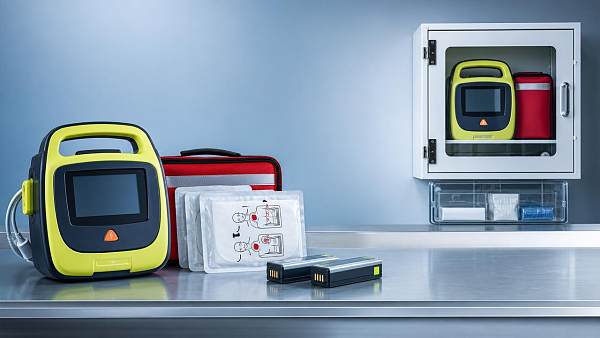
AED defibrillators are not standard commodity devices. They combine clinical function, regulatory requirements, software logic, consumables, and after-sales support into one procurement decision.
A low upfront quote can conceal higher lifecycle expense. Battery replacement intervals, pad shelf life, inspection workflows, and firmware support often determine the real cost of ownership.
Structured comparison also improves supplier accountability. It helps verify certifications, service capabilities, traceability, and readiness for audits, especially in multi-site or international environments.
Key checks before choosing AED defibrillators
- Confirm regulatory status, market authorization, and recognized certifications for every target region, not only the supplier’s home market or a generic export declaration.
- Verify whether the AED defibrillators support the intended user profile, including voice prompts, visual guidance, pediatric capability, and language options.
- Check battery type, replacement interval, standby life, and storage tolerance to estimate true lifecycle cost rather than relying on device price alone.
- Review electrode pad shelf life, regional availability, and compatibility rules so replacements remain easy to source during routine maintenance or emergencies.
- Ask how self-testing works, what faults are detected automatically, and whether status alerts are visible enough for non-technical site inspections.
- Examine ingress protection, drop resistance, and operating conditions to ensure the device matches indoor, industrial, mobile, or outdoor use environments.
- Confirm software update policy, cybersecurity controls for connected models, and documentation for configuration changes, especially when cloud monitoring is included.
- Assess training support, onboarding materials, and refresher resources because easy-to-use AED defibrillators still require organized readiness planning.
- Review warranty scope, turnaround time, loaner policies, and regional service coverage to avoid long periods with unusable or unsupported units.
- Request a full cost breakdown covering cabinets, signage, pads, batteries, software, inspections, and replacement parts before final supplier comparison.
A practical comparison table
Common buying mistakes that raise risk
Choosing on unit price only
The cheapest AED defibrillators often become expensive over time. Short battery life, high pad costs, or frequent replacements can erase the apparent savings within a few years.
Assuming all certifications mean the same thing
Some buyers accept broad quality claims without checking market-specific approvals. Regulatory acceptance varies by region, and missing documentation can block deployment or create audit exposure.
Ignoring user readiness
Even intuitive AED defibrillators can be misused if placement, signage, and training are weak. User confidence matters, especially where response may involve non-clinical personnel.
Overlooking pad and battery logistics
A reliable device is only useful when consumables are in date and available. Long lead times or supplier lock-in can leave sites exposed when replacements are needed quickly.
Missing environmental fit
Devices selected for climate-controlled interiors may struggle in dusty, humid, hot, or mobile settings. Site conditions should influence enclosure choice, storage method, and protection level.
Treating maintenance as an afterthought
Without clear inspection responsibility and service schedules, AED defibrillators can sit unchecked. That creates risk not because the device was poor, but because the program was incomplete.
How needs change across deployment scenarios
Office buildings and campuses
Focus on visibility, simple prompts, and centralized maintenance tracking. Multiple entrances, visitor traffic, and limited medical presence increase the need for intuitive AED defibrillators.
Check cabinet placement, signage consistency, and response time from key zones. Accessibility can matter as much as device specification in these settings.
Industrial and manufacturing sites
Ruggedness becomes more important in harsh environments. Dust, vibration, temperature variation, and shift-based operations can affect both equipment selection and inspection routines.
Evaluate ingress protection, shock resistance, and clear status indicators. Also confirm that spare consumables can be stored properly near the point of use.
Schools, sports venues, and public facilities
These environments often require broad accessibility and rapid guidance for mixed user groups. Pediatric capability may be especially relevant depending on age profile and site activity.
Review voice clarity, multilingual support, and pad switching procedures. Emergency instructions should remain obvious even under stress and crowd pressure.
Healthcare-adjacent and mobile settings
Where devices move between vehicles, temporary stations, or outreach programs, portability and secure storage become critical. Battery endurance and inspection discipline also carry more weight.
Connected AED defibrillators may support oversight here, but only if software reliability, data policy, and alert workflows are defined clearly.
Often overlooked details that deserve attention
- Consumable expiration dates at delivery can vary. Short remaining shelf life reduces value immediately and distorts budget planning.
- Accessories are not always included. Cabinets, wall brackets, rescue kits, and signage may be separate costs.
- Language packs and prompt customization can differ by model. Imported stock may not match deployment needs.
- Data retrieval after an incident may require extra software, cables, or approved service support.
- Registration requirements can apply in some jurisdictions. Missing post-purchase steps may affect compliance or recall notifications.
Practical steps for a safer purchasing process
Start with a written requirement sheet. Define operating environment, expected user type, regulatory destination, quantity, accessories, and maintenance expectations before requesting quotations.
Next, compare AED defibrillators using weighted criteria instead of narrative sales claims. Score compliance, usability, consumables, service reach, environmental fit, and five-year ownership cost.
Request evidence, not promises. Ask for approval documents, product manuals, service terms, sample maintenance instructions, and local support details in writing.
If deployment spans regions, standardize the evaluation process. Platforms that emphasize verified industry insight, such as TradeNexus Pro, can help support better supplier due diligence.
FAQ about buying AED defibrillators
Are all AED defibrillators suitable for any site?
No. Site conditions, user profile, consumable access, and regulatory requirements can make one model suitable and another risky.
What matters more, price or maintenance?
Both matter, but lifecycle cost usually gives the clearer picture. Cheap AED defibrillators can become costly if consumables and service are expensive.
Should connected AED defibrillators always be preferred?
Not always. Connectivity helps oversight, but it should add real inspection value and come with clear update, security, and support policies.
Conclusion and next actions
Buying AED defibrillators well means looking beyond the headline price. Compliance, usability, environment, consumables, and support all shape emergency readiness and long-term value.
Use a documented checklist, compare evidence carefully, and clarify ownership after installation. That approach reduces avoidable risk and supports a more dependable AED defibrillators program.
The next step is simple: build a side-by-side evaluation sheet, collect supplier proof, and validate total lifecycle assumptions before final approval.
Get weekly intelligence in your inbox.
No noise. No sponsored content. Pure intelligence.
 Oct 08, 2026How Digital Health Improves Diagnostic Accuracy and Workflow in Clinical LabsHow Digital Health Improves Diagnostic Accuracy and Workflow in Clinical Labs
 Oct 07, 2026Selecting Voice Picking Systems for German Warehouses: Integration, Languages and ROISelecting Voice Picking Systems for German Warehouses: Integration, Languages and ROI
 Oct 06, 2026How to Choose Last Mile Dispatch Software for On-Time Delivery at ScaleHow to Choose Last Mile Dispatch Software for On-Time Delivery at Scale
 Oct 05, 2026Vietnam’s Consumer Electronics Market: Demand Shifts and Sourcing OpportunitiesVietnam’s Consumer Electronics Market: Demand Shifts and Sourcing Opportunities
 Oct 04, 2026Digital Health Investment Priorities for Providers: Improving Access, Outcomes, and EfficiencyDigital Health Investment Priorities for Providers: Improving Access, Outcomes, and Efficiency
 Oct 03, 2026How to Specify an FR4 Custom PCB Board for High-Voltage and High-Heat DesignsHow to Specify an FR4 Custom PCB Board for High-Voltage and High-Heat Designs
 Oct 02, 2026ERP Software Market Intelligence: Adoption, Pricing, and Vendor Signals to WatchERP Software Market Intelligence: Adoption, Pricing, and Vendor Signals to Watch
 Oct 01, 2026How to Select Calibrated Temperature Data Loggers for GMP Cold Storage MonitoringHow to Select Calibrated Temperature Data Loggers for GMP Cold Storage Monitoring
 Sep 30, 2026Custom Molded Rubber Pricing: What Drives Unit Cost and Tooling Fees?Custom Molded Rubber Pricing: What Drives Unit Cost and Tooling Fees?
 Sep 29, 2026How to Evaluate Energy Management Software Vendors for Multi-Site OperationsHow to Evaluate Energy Management Software Vendors for Multi-Site Operations
 Sep 28, 2026How to Select a DIN Rail Smart Meter for Multi-Circuit Energy MonitoringHow to Select a DIN Rail Smart Meter for Multi-Circuit Energy Monitoring
 Sep 27, 2026TWS Earbuds in Vietnam: Demand Drivers, Price Tiers, and Retail Channel OpportunitiesTWS Earbuds in Vietnam: Demand Drivers, Price Tiers, and Retail Channel Opportunities
 Sep 26, 2026How UAE Clinics Can Qualify a Smart Glucometer Supplier for Accuracy and ComplianceHow UAE Clinics Can Qualify a Smart Glucometer Supplier for Accuracy and Compliance
 Sep 25, 2026Buying Aesthetic Lasers in the USA: FDA Status, Wavelengths, and Service SupportBuying Aesthetic Lasers in the USA: FDA Status, Wavelengths, and Service Support
 Sep 24, 2026Laser Cutting Brass Sheet: How to Prevent Burrs and Heat Marks on Thin PartsLaser Cutting Brass Sheet: How to Prevent Burrs and Heat Marks on Thin Parts
 Sep 23, 2026How to Choose Lightweight ANC Headphones for Comfortable All-Day TravelHow to Choose Lightweight ANC Headphones for Comfortable All-Day Travel
 Sep 22, 2026IPX5 TWS Bluetooth Earbuds: What Protection Do They Offer for Workouts?IPX5 TWS Bluetooth Earbuds: What Protection Do They Offer for Workouts?
 Sep 21, 2026What to Look for in a Grid Integration Company for Utility-Scale Solar ProjectsWhat to Look for in a Grid Integration Company for Utility-Scale Solar Projects
 Sep 20, 2026Microgrid Controller Pricing: What Drives Cost in Commercial Energy Projects?Microgrid Controller Pricing: What Drives Cost in Commercial Energy Projects?
 Sep 19, 2026How to Choose a GaN Charger for Laptops Without Compromising Power or PortabilityHow to Choose a GaN Charger for Laptops Without Compromising Power or Portability
 Sep 18, 2026Floating Solar Farm Costs: CAPEX, OPEX, and the Site Factors That Shape ROIFloating Solar Farm Costs: CAPEX, OPEX, and the Site Factors That Shape ROI
 Sep 17, 2026Drone Delivery Solutions for Last-Mile Routes: Site, Payload, and Range PlanningDrone Delivery Solutions for Last-Mile Routes: Site, Payload, and Range Planning
 Sep 16, 2026When Low-Volume Electronics Manufacturing Makes More Sense Than Mass ProductionWhen Low-Volume Electronics Manufacturing Makes More Sense Than Mass Production
 Sep 15, 2026Wholesale WiFi Smart Switches: What Buyers Should Verify Before OrderingWholesale WiFi Smart Switches: What Buyers Should Verify Before Ordering
 Sep 14, 2026How to Select IoT Sensors for Reliable Monitoring in Harsh Industrial EnvironmentsHow to Select IoT Sensors for Reliable Monitoring in Harsh Industrial Environments
 Sep 13, 2026How Procurement Teams Can Improve Supplier Reliability With Supply Chain VisibilityHow Procurement Teams Can Improve Supplier Reliability With Supply Chain Visibility
 Sep 12, 2026Smart Manufacturing Trends 2026: What Leaders Should Prioritize for ROISmart Manufacturing Trends 2026: What Leaders Should Prioritize for ROI



























