Shanghai Launches Supply Chain Hub, Cutting Clearance Time 30%
On June 12, 2026, Shanghai’s international trade single-window platform launched a new supply chain services section designed to cover more of the end-to-end trade process. For overseas importers, distributors, cross-border buyers, and suppliers linked to the Yangtze River Delta manufacturing base, the update is worth watching because it points to faster customs handling, more predictable delivery schedules, and clearer compliance coordination across logistics, port, tax, foreign exchange, and financial touchpoints.

What the new section includes
According to the provided event information, the new section went live on June 12, 2026 as part of Shanghai’s international trade single-window system. It brings together seven functional modules, including international logistics, cross-border customs clearance, supply chain finance, and green and low-carbon services.
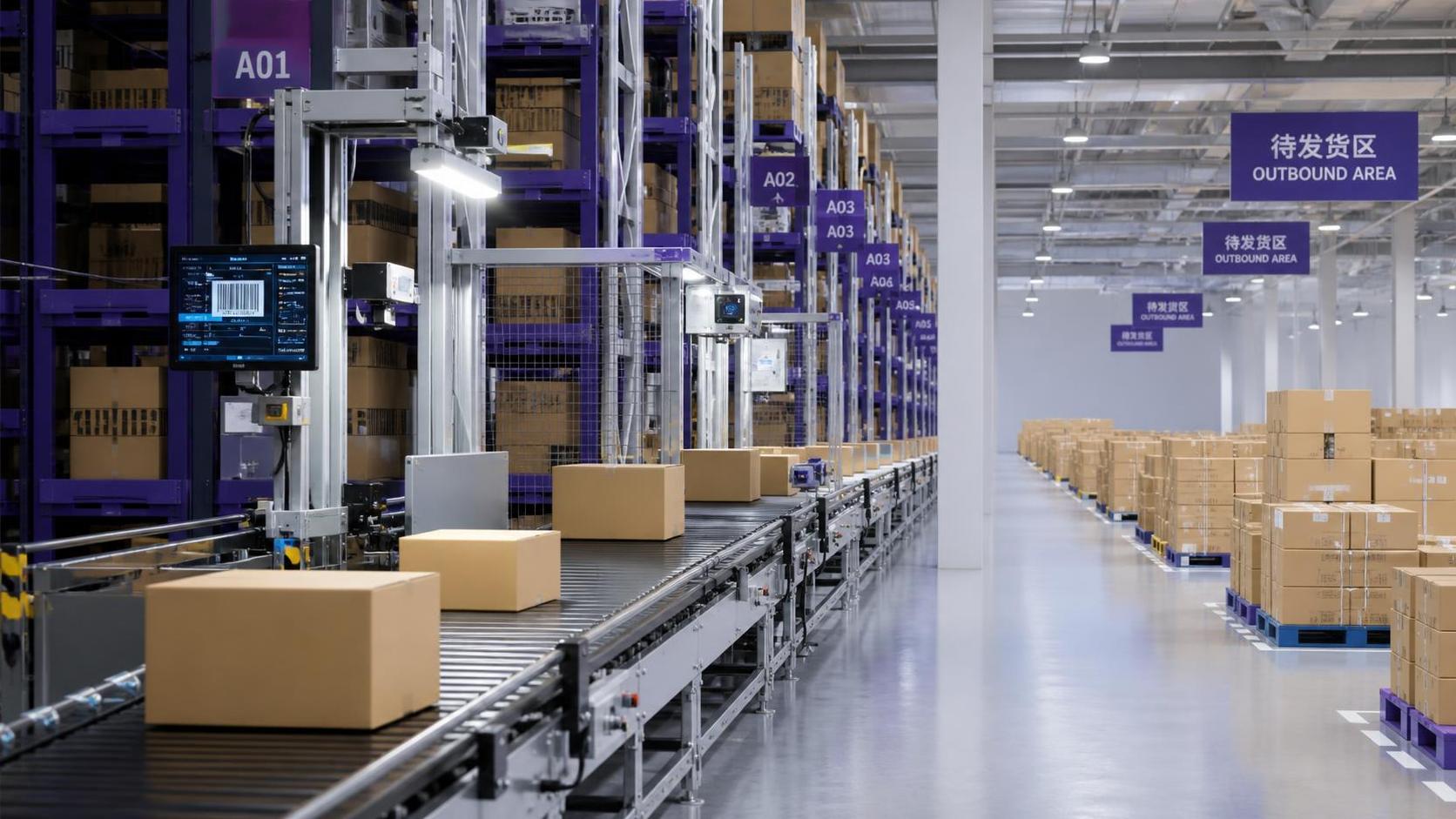
The platform is directly connected with customs, tax, foreign exchange, ports, and financial institutions. It also supports multilingual interfaces and API integration. Based on the provided summary, these connections significantly shorten the time required for declaration, inspection, and release, with cross-border clearance efficiency improved by 30%.
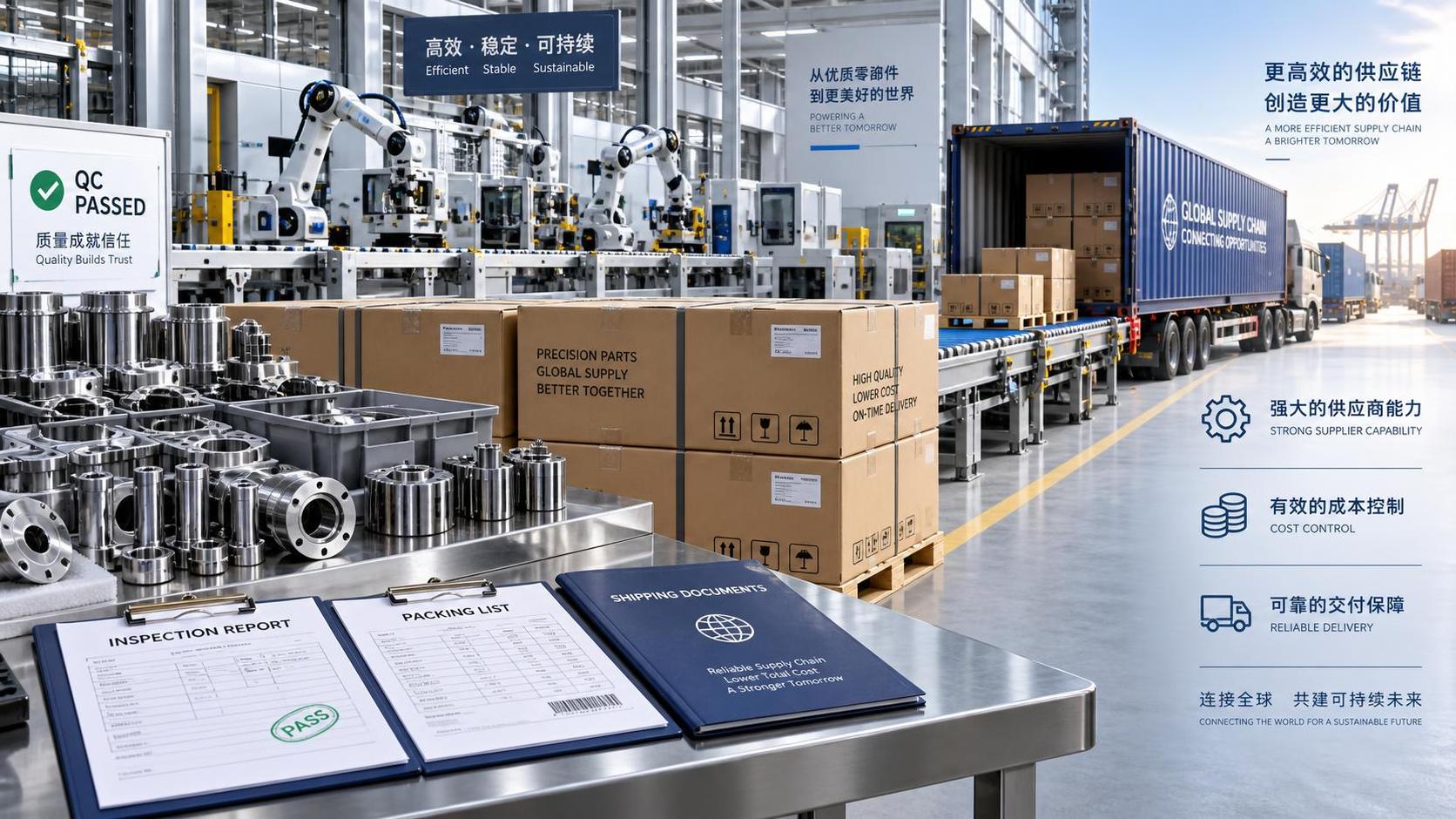
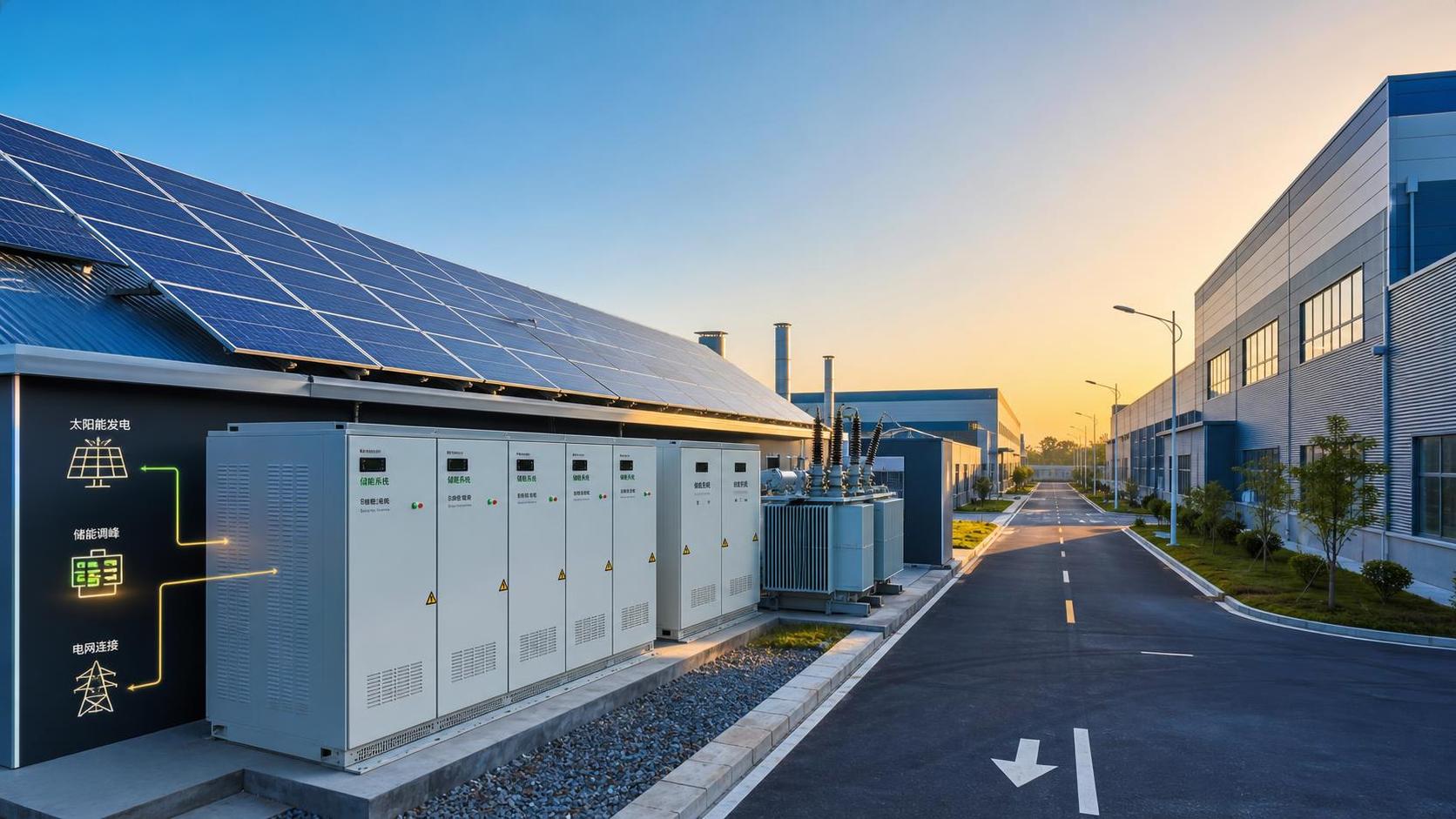
The confirmed business relevance is especially clear for orders sourced from the Yangtze River Delta manufacturing cluster, including CNC machining, electronic components, and energy storage batteries, where delivery predictability and compliance certainty are described as improving for overseas buyers and channel partners.
Where the immediate impact may be felt
Importers and cross-border buyers gain more scheduling certainty
From an industry perspective, overseas importers and procurement teams may feel the impact first because customs declaration, inspection, and release are core milestones in delivery planning. If those steps become faster and more connected through one platform, the main effect is not only speed but also better visibility when managing order commitments and inbound planning.
Distributors and channel operators can reassess lead-time buffers
Distributors handling goods from the Yangtze River Delta may need to pay close attention to whether shorter clearance cycles allow adjustments to inventory timing, replenishment windows, and customer promise dates. Analysis shows the practical value here depends on whether internal planning systems and supplier coordination can keep pace with the improved platform workflow.
Manufacturers and exporters face higher expectations on documentation readiness
For manufacturers in product categories such as CNC-machined parts, electronic components, and energy storage batteries, the potential benefit comes with an operational requirement: if upstream documentation, product data, and shipment coordination are not prepared correctly, faster platform processing may not fully translate into faster delivery. What deserves closer attention is the readiness of the export-side process, not only the existence of a new digital channel.
Service providers may need deeper system connectivity
Logistics, customs, and related supply chain service providers are also part of the impact chain because the platform supports API integration and multilingual access. Observably, this creates a stronger need to align service workflows, data exchange, and client communication with the platform’s more connected structure.
What companies should watch now
Monitor how official implementation language evolves
Companies should follow how the platform’s functions are described in subsequent official updates, especially around the practical use of the seven modules and any clarification on process scope. The current information confirms the launch and the functional direction, but actual business handling details still need ongoing verification.
Check whether key product categories are fully prepared
Businesses involved in CNC machining, electronic components, and energy storage batteries should review whether product files, customs documents, and supporting compliance materials are complete and consistent. Analysis shows that shortened clearance windows are most useful when shipment files are accurate before submission.
Separate platform capability from full delivery outcome
It is important not to treat a faster platform process as identical to a guaranteed end-to-end delivery improvement in every case. Procurement teams, suppliers, and service providers should distinguish between digital process acceleration and the broader realities of fulfillment, including preparation quality, inspection handling, and coordination across counterparties.
Update customer communication and contingency planning
Importers, distributors, and exporters may need to adjust how they communicate lead times and compliance milestones with customers and partners. If the platform improves predictability, the immediate operational question is how to reflect that change in order confirmation, exception handling, and delivery expectation management without overstating certainty.
Why this matters beyond a single platform update
Analysis shows this development is best understood as a meaningful operating signal rather than a standalone technology announcement. The combination of direct links to customs, tax, foreign exchange, ports, and financial institutions suggests a stronger push toward more coordinated trade execution, especially for cross-border transactions tied to manufacturing exports.
At the same time, it is more appropriate to understand this as an early-stage result with practical implications, not as a fully settled outcome across every trade flow. The reported 30% reduction in clearance time is notable, but the industry still needs to watch how consistently that translates into day-to-day order performance across different products and counterparties.
How to read the signal at this stage
For the industry, the immediate significance lies in improved predictability and compliance coordination around cross-border trade moving through Shanghai and the broader Yangtze River Delta supply base. The clearer takeaway is not that every shipment will move faster under all conditions, but that the trade infrastructure supporting these transactions is becoming more integrated.
At this stage, the update is best read as both a short-term operational change and a longer-term signal worth continued attention. It offers confirmed process improvements on paper and in platform design, while leaving room for further observation on how deeply those improvements are embedded in routine commercial execution.
Basis of this report
This article is based on the user-provided news title, event date, and event summary related to the June 12, 2026 launch of the Shanghai international trade single-window supply chain services section. No specific official source link was provided in the input, so the exact official publication still requires continued verification.
For this type of industry update, commonly relevant source categories may include official announcements, company disclosures, industry association releases, authoritative media coverage, and standard-setting or regulatory documents. The next areas to watch are whether further official explanations clarify operating rules, module usage, and how the reported efficiency gains are reflected in actual business workflows.
Get weekly intelligence in your inbox.
No noise. No sponsored content. Pure intelligence.
 Sep 15, 2026Wholesale WiFi Smart Switches: What Buyers Should Verify Before OrderingWholesale WiFi Smart Switches: What Buyers Should Verify Before Ordering
 Sep 14, 2026How to Select IoT Sensors for Reliable Monitoring in Harsh Industrial EnvironmentsHow to Select IoT Sensors for Reliable Monitoring in Harsh Industrial Environments
 Sep 13, 2026How Procurement Teams Can Improve Supplier Reliability With Supply Chain VisibilityHow Procurement Teams Can Improve Supplier Reliability With Supply Chain Visibility
 Sep 12, 2026Smart Manufacturing Trends 2026: What Leaders Should Prioritize for ROISmart Manufacturing Trends 2026: What Leaders Should Prioritize for ROI
 Sep 11, 2026B2B Market Analysis: How Buyers Evaluate Suppliers, Pricing, and Delivery RiskB2B Market Analysis: How Buyers Evaluate Suppliers, Pricing, and Delivery Risk
 Sep 10, 2026Residential Solar Kits in Canada: How to Size a System for Your Home and ClimateResidential Solar Kits in Canada: How to Size a System for Your Home and Climate
 Sep 09, 2026How to Specify a Syringe Assembly Line for High-Volume Sterile ProductionHow to Specify a Syringe Assembly Line for High-Volume Sterile Production
 Sep 08, 2026How to Evaluate Warehouse Robotics System Suppliers for Reliable Multi-Site DeploymentHow to Evaluate Warehouse Robotics System Suppliers for Reliable Multi-Site Deployment
 Sep 07, 2026Renewable Geothermal Energy Explained: How It Works for Heating and PowerRenewable Geothermal Energy Explained: How It Works for Heating and Power
 Sep 07, 2026How to Choose an Industrial Packaging Robot Manufacturer for Your Production LineHow to Choose an Industrial Packaging Robot Manufacturer for Your Production Line
 Sep 05, 2026How to Evaluate a Turnkey Hydro Turbine Generator Supplier for Remote Power ProjectsHow to Evaluate a Turnkey Hydro Turbine Generator Supplier for Remote Power Projects
 Sep 04, 2026Automated Ultrasonic Welding for Thermoplastic Assemblies: Process Controls That MatterAutomated Ultrasonic Welding for Thermoplastic Assemblies: Process Controls That Matter
 Sep 03, 2026Energy Forecasting for Grid Planning: Sizing Solar and Storage CapacityEnergy Forecasting for Grid Planning: Sizing Solar and Storage Capacity
 Sep 02, 2026Which Metrics Should an Energy Analytics Dashboard Track for Factory Energy Management?Which Metrics Should an Energy Analytics Dashboard Track for Factory Energy Management?
 Sep 01, 2026How Warehouse Voice Picking Improves Accuracy and Throughput in Order FulfillmentHow Warehouse Voice Picking Improves Accuracy and Throughput in Order Fulfillment
 Aug 31, 2026How to Automate Dropshipping Order Processing Without Overselling StockHow to Automate Dropshipping Order Processing Without Overselling Stock
 Aug 30, 2026How to Evaluate a Smart Lighting Supplier for Multi-Site Commercial ProjectsHow to Evaluate a Smart Lighting Supplier for Multi-Site Commercial Projects
 Aug 29, 2026Recent Advances in Smart Manufacturing and Materials Reshaping Factory InvestmentRecent Advances in Smart Manufacturing and Materials Reshaping Factory Investment
 Aug 29, 2026Selecting Lightweight Aluminum Extrusions for Strength-Critical Industrial DesignsSelecting Lightweight Aluminum Extrusions for Strength-Critical Industrial Designs
 Aug 29, 2026Vertical Powder Anodizing Explained: Process Controls for Uniform Coating QualityVertical Powder Anodizing Explained: Process Controls for Uniform Coating Quality
 Aug 29, 2026PV Module Product Due Diligence: What Buyers Should Verify Before ContractingPV Module Product Due Diligence: What Buyers Should Verify Before Contracting
 Aug 29, 2026Solar Design for Challenging Terrain: Managing Slope, Soil, and Shading RisksSolar Design for Challenging Terrain: Managing Slope, Soil, and Shading Risks
 Aug 29, 2026IS 16444 Smart Meter Requirements: Key Functions, Tests, and ComplianceIS 16444 Smart Meter Requirements: Key Functions, Tests, and Compliance
 Aug 29, 2026Rehabilitation Equipment Market Outlook: Demand Drivers and Growth SegmentsRehabilitation Equipment Market Outlook: Demand Drivers and Growth Segments
 Aug 29, 2026When Does Container Handling Automation Deliver ROI in Port Yard Operations?When Does Container Handling Automation Deliver ROI in Port Yard Operations?
 Aug 29, 2026Customs API Integration: A Practical Checklist for Automated Trade ComplianceCustoms API Integration: A Practical Checklist for Automated Trade Compliance
 Aug 29, 2026Returnable Packaging for Automotive: How to Cut Damage and Reverse Logistics CostsReturnable Packaging for Automotive: How to Cut Damage and Reverse Logistics Costs