China Tightens Overseas Investment Compliance From July 1
China’s new State Council rules on outward investment take effect on July 1, 2026, adding two immediate compliance requirements for companies expanding abroad: ESG due diligence for overseas investment projects and real-time reporting through a national cross-border supply chain compliance service platform. For exporters in Warehouse Robotics, Smart Home, and IoT Devices that rely on localized assembly and channel distribution, the update matters because it reaches directly into how overseas factories, joint ventures, and ODM partnerships may be reviewed and managed.

What the new rules formally require
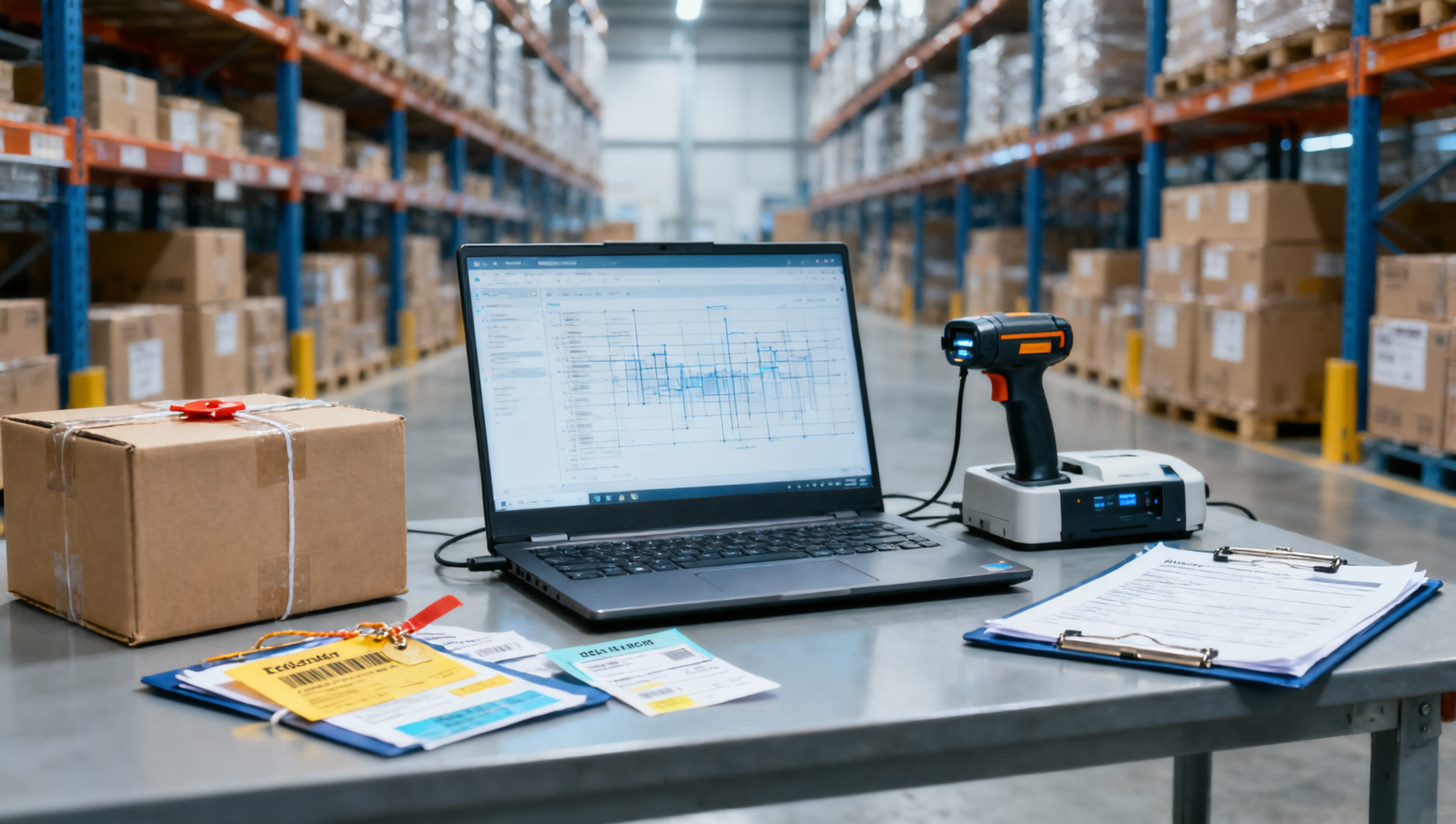
According to the information provided, the Ministry of Finance and the Ministry of Commerce jointly issued the State Council rules on outward investment, and the rules will be formally implemented on July 1, 2026. The confirmed requirements are that Chinese companies investing overseas must conduct ESG due diligence for their outbound investment projects and must connect to a national cross-border supply chain compliance service platform for real-time data reporting.
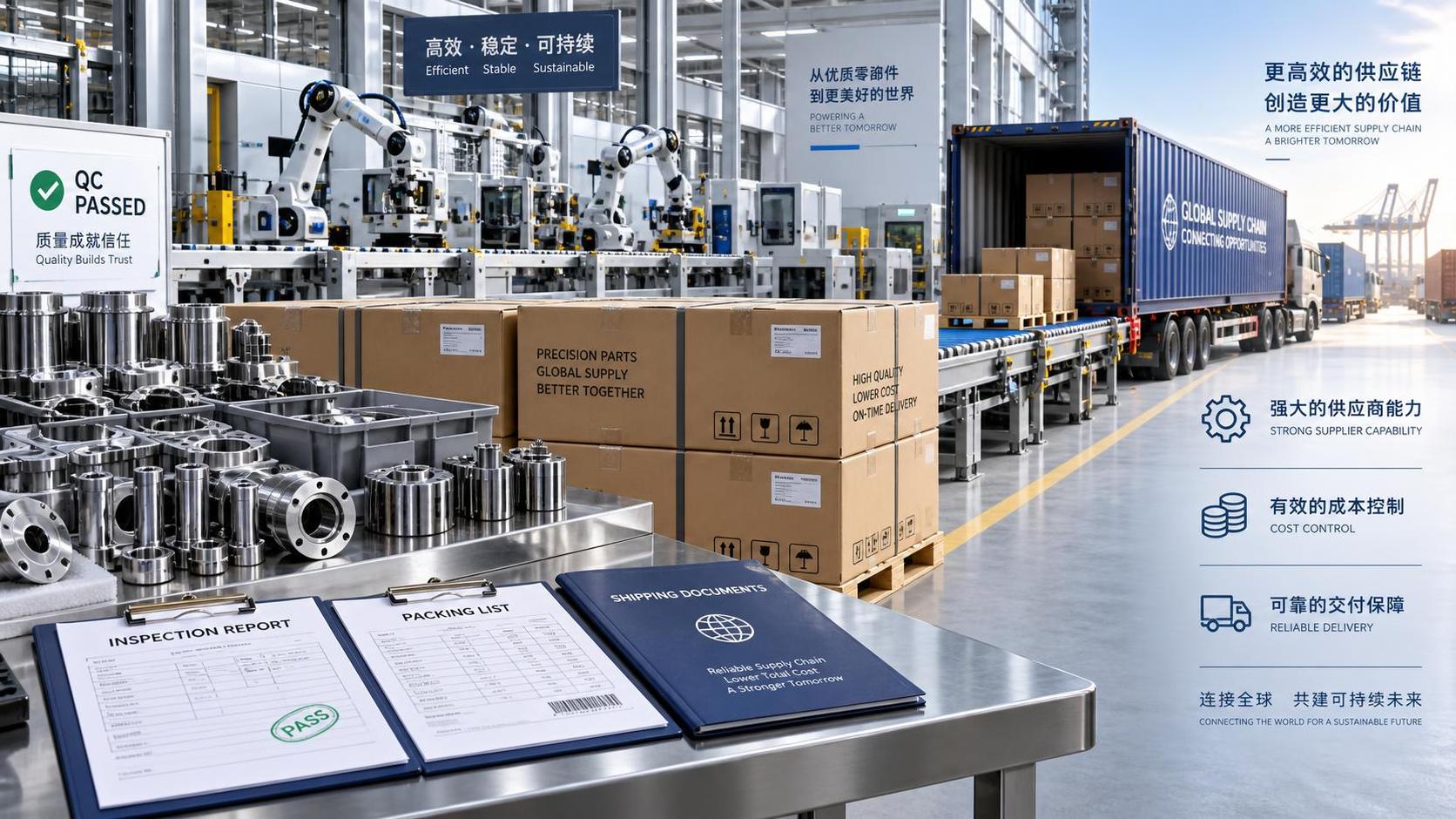
The same information also indicates that the mechanism will directly affect export-oriented businesses in sectors such as Warehouse Robotics, Smart Home, and IoT Devices, especially those using localized assembly and channel distribution models in overseas markets. The affected business arrangements specifically include overseas plant construction, joint ventures, and ODM cooperation.
Where the practical pressure may appear first
Overseas manufacturing and assembly decisions
From an industry perspective, manufacturers and exporters planning overseas factories or localized assembly may be among the first to feel the impact, because the new requirements are tied to outbound investment projects themselves. The most relevant business links are likely to be project preparation, partner screening, and compliance documentation before implementation. What deserves closer attention is whether internal investment review processes are ready to incorporate ESG due diligence as a required step rather than a parallel exercise.
Joint venture and ODM partnership structures
Analysis shows that companies using joint ventures or ODM arrangements may need to pay closer attention to how overseas partners fit into investment compliance workflows. The immediate issue is not only the commercial structure, but also whether the information needed for due diligence and real-time reporting can be collected, verified, and maintained in a usable form. For businesses that depend on local production plus local distribution, this may affect partner onboarding, contract preparation, and ongoing coordination.
Channel-driven exporters and supply chain service providers
Observably, channel distribution models in Warehouse Robotics, Smart Home, and IoT Devices may face added coordination demands, because investment, production, and downstream distribution are often linked across multiple entities and markets. Supply chain service providers and compliance-support teams may therefore need to pay attention to reporting interfaces, data timeliness, and supporting records. The key business impact is less about a single transaction and more about whether the overseas operating chain can support continuous reporting requirements.
What companies should watch now
Separate confirmed obligations from later implementation details
What deserves closer attention is the distinction between the confirmed policy direction and the operational details that may still require clarification. The confirmed facts are the effective date, the ESG due diligence requirement, and mandatory platform connection for real-time reporting. Companies should avoid treating unconfirmed implementation assumptions as settled rules, while still preparing for practical execution.
Review investment workflows before project launch
For companies assessing overseas factories, joint ventures, or ODM cooperation, a practical focus is whether existing approval and project launch processes already capture the information needed for ESG due diligence. Analysis shows that this is especially relevant where commercial teams, supply chain teams, and overseas partners currently work through separate document flows.
Check supplier and partner documentation readiness
For businesses relying on localized assembly and distribution, supplier and partner document readiness may become a more immediate issue. From an industry perspective, companies should pay attention to whether counterparties can support due diligence requests and ongoing reporting needs in a timely way, particularly where multiple parties are involved in production, assembly, and market delivery.
Prepare for communication and delivery adjustments
Observably, the policy signal may also affect how companies communicate internally and with partners about project timing, compliance responsibilities, and documentation schedules. This is not yet proof of a broader commercial slowdown, but it is a reasonable area to monitor where overseas investment projects depend on synchronized procurement, setup, and delivery milestones.
How this policy signal is best understood
Analysis shows that this development is more than a routine administrative update, because it ties outbound investment compliance to both ESG review and real-time supply chain reporting. At the same time, it is more appropriate to understand this as a structured policy signal rather than a complete picture of downstream business outcomes. The confirmed facts show that compliance expectations are becoming more embedded in overseas investment activity, but the full operational effect on different business models still requires continued observation.
From an industry perspective, the importance of this update lies in the way it connects investment approval logic with supply chain coordination. That is particularly relevant for sectors where overseas expansion is not limited to sales presence, but includes local assembly, joint operations, or ODM-based fulfillment.
Why the market will keep tracking this update
At this stage, the most balanced reading is that the new rules create a clearer compliance threshold for outbound investment projects involving overseas supply chain arrangements. They do not by themselves confirm the final business impact for every exporter, but they do indicate that ESG due diligence and real-time reporting are moving closer to the center of overseas project execution.
It is more appropriate to understand this as a medium- to long-term compliance signal with near-term operational implications. For companies in Warehouse Robotics, Smart Home, and IoT Devices, the immediate task is not to overstate the outcome, but to identify which investment, partner, and reporting processes may need closer review before and after July 1, 2026.
Basis of this article
This article is generated based on the user-provided news title, event date, and event summary related to the implementation of the State Council rules on outward investment from July 1, 2026. The analysis is limited to the confirmed information provided in that input.
For this type of industry update, commonly relevant source categories may include official announcements, company disclosures, industry association information, authoritative media reporting, and standards-related documents. A specific official source link was not provided in the input, so continued verification remains necessary. Further attention should focus on any subsequent official wording, implementation clarification, and practical compliance requirements affecting overseas factories, joint ventures, and ODM cooperation.
Get weekly intelligence in your inbox.
No noise. No sponsored content. Pure intelligence.
 Sep 15, 2026Wholesale WiFi Smart Switches: What Buyers Should Verify Before OrderingWholesale WiFi Smart Switches: What Buyers Should Verify Before Ordering
 Sep 14, 2026How to Select IoT Sensors for Reliable Monitoring in Harsh Industrial EnvironmentsHow to Select IoT Sensors for Reliable Monitoring in Harsh Industrial Environments
 Sep 13, 2026How Procurement Teams Can Improve Supplier Reliability With Supply Chain VisibilityHow Procurement Teams Can Improve Supplier Reliability With Supply Chain Visibility
 Sep 12, 2026Smart Manufacturing Trends 2026: What Leaders Should Prioritize for ROISmart Manufacturing Trends 2026: What Leaders Should Prioritize for ROI
 Sep 11, 2026B2B Market Analysis: How Buyers Evaluate Suppliers, Pricing, and Delivery RiskB2B Market Analysis: How Buyers Evaluate Suppliers, Pricing, and Delivery Risk
 Sep 10, 2026Residential Solar Kits in Canada: How to Size a System for Your Home and ClimateResidential Solar Kits in Canada: How to Size a System for Your Home and Climate
 Sep 09, 2026How to Specify a Syringe Assembly Line for High-Volume Sterile ProductionHow to Specify a Syringe Assembly Line for High-Volume Sterile Production
 Sep 08, 2026How to Evaluate Warehouse Robotics System Suppliers for Reliable Multi-Site DeploymentHow to Evaluate Warehouse Robotics System Suppliers for Reliable Multi-Site Deployment
 Sep 07, 2026Renewable Geothermal Energy Explained: How It Works for Heating and PowerRenewable Geothermal Energy Explained: How It Works for Heating and Power
 Sep 07, 2026How to Choose an Industrial Packaging Robot Manufacturer for Your Production LineHow to Choose an Industrial Packaging Robot Manufacturer for Your Production Line
 Sep 05, 2026How to Evaluate a Turnkey Hydro Turbine Generator Supplier for Remote Power ProjectsHow to Evaluate a Turnkey Hydro Turbine Generator Supplier for Remote Power Projects
 Sep 04, 2026Automated Ultrasonic Welding for Thermoplastic Assemblies: Process Controls That MatterAutomated Ultrasonic Welding for Thermoplastic Assemblies: Process Controls That Matter
 Sep 03, 2026Energy Forecasting for Grid Planning: Sizing Solar and Storage CapacityEnergy Forecasting for Grid Planning: Sizing Solar and Storage Capacity
 Sep 02, 2026Which Metrics Should an Energy Analytics Dashboard Track for Factory Energy Management?Which Metrics Should an Energy Analytics Dashboard Track for Factory Energy Management?
 Sep 01, 2026How Warehouse Voice Picking Improves Accuracy and Throughput in Order FulfillmentHow Warehouse Voice Picking Improves Accuracy and Throughput in Order Fulfillment
 Aug 31, 2026How to Automate Dropshipping Order Processing Without Overselling StockHow to Automate Dropshipping Order Processing Without Overselling Stock
 Aug 30, 2026How to Evaluate a Smart Lighting Supplier for Multi-Site Commercial ProjectsHow to Evaluate a Smart Lighting Supplier for Multi-Site Commercial Projects
 Aug 29, 2026Recent Advances in Smart Manufacturing and Materials Reshaping Factory InvestmentRecent Advances in Smart Manufacturing and Materials Reshaping Factory Investment
 Aug 29, 2026Selecting Lightweight Aluminum Extrusions for Strength-Critical Industrial DesignsSelecting Lightweight Aluminum Extrusions for Strength-Critical Industrial Designs
 Aug 29, 2026Vertical Powder Anodizing Explained: Process Controls for Uniform Coating QualityVertical Powder Anodizing Explained: Process Controls for Uniform Coating Quality
 Aug 29, 2026PV Module Product Due Diligence: What Buyers Should Verify Before ContractingPV Module Product Due Diligence: What Buyers Should Verify Before Contracting
 Aug 29, 2026Solar Design for Challenging Terrain: Managing Slope, Soil, and Shading RisksSolar Design for Challenging Terrain: Managing Slope, Soil, and Shading Risks
 Aug 29, 2026IS 16444 Smart Meter Requirements: Key Functions, Tests, and ComplianceIS 16444 Smart Meter Requirements: Key Functions, Tests, and Compliance
 Aug 29, 2026Rehabilitation Equipment Market Outlook: Demand Drivers and Growth SegmentsRehabilitation Equipment Market Outlook: Demand Drivers and Growth Segments
 Aug 29, 2026When Does Container Handling Automation Deliver ROI in Port Yard Operations?When Does Container Handling Automation Deliver ROI in Port Yard Operations?
 Aug 29, 2026Customs API Integration: A Practical Checklist for Automated Trade ComplianceCustoms API Integration: A Practical Checklist for Automated Trade Compliance
 Aug 29, 2026Returnable Packaging for Automotive: How to Cut Damage and Reverse Logistics CostsReturnable Packaging for Automotive: How to Cut Damage and Reverse Logistics Costs