TÜV Rheinland Updates IoT EMC Standard: AI Edge Module Immunity Now Mandatory
On April 22, 2026, German certification body TÜV Rheinland released TR-EMC-IoT v3.1 — a revised electromagnetic compatibility (EMC) testing standard for Internet of Things devices — with mandatory enforcement beginning July 1, 2026. This update directly affects manufacturers of IoT sensors, gateways, and edge controllers targeting the EU market, especially those integrating on-device AI inference modules.
Event Overview
TÜV Rheinland published TR-EMC-IoT v3.1 on April 22, 2026. The standard mandates functional stability testing of AI inference modules under radio-frequency (RF) electromagnetic interference for all IoT devices intended for CE marking and sale in the European Union. Enforcement begins July 1, 2026. Affected products include smart sensors, network gateways, and edge controllers. Non-compliance may result in CE certification failure and delayed market access.
Which Sub-Sectors Are Impacted
IoT Hardware Manufacturers (OEM/ODM)
These firms design and produce IoT end-devices incorporating AI acceleration (e.g., NPU or microcontroller-based inference engines). They are directly responsible for meeting the new immunity requirement. Impact manifests in revised PCB layout practices, shielding strategies, firmware-level error handling during RF stress, and extended validation timelines.
EMC Test Laboratories & Certification Service Providers
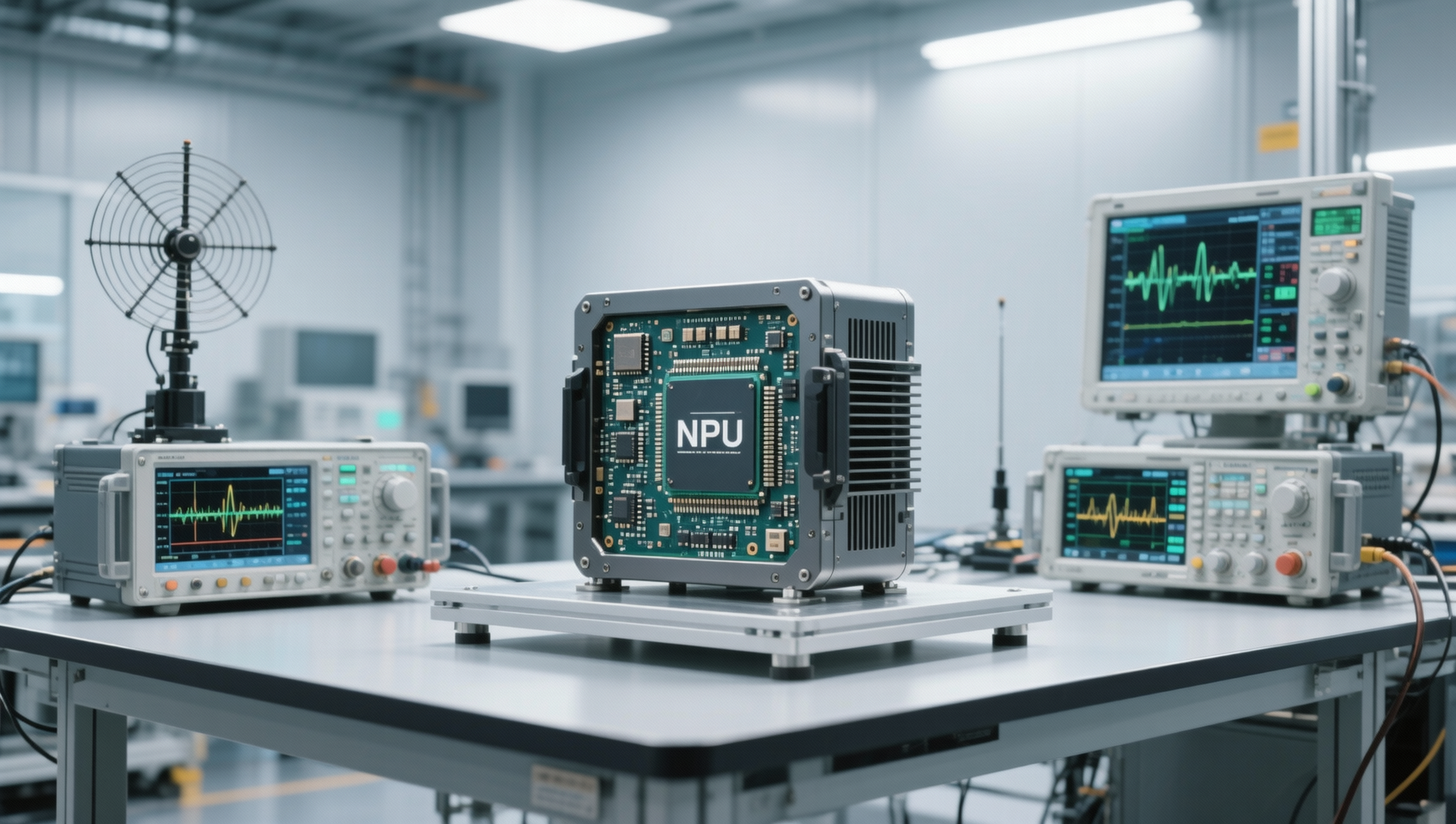
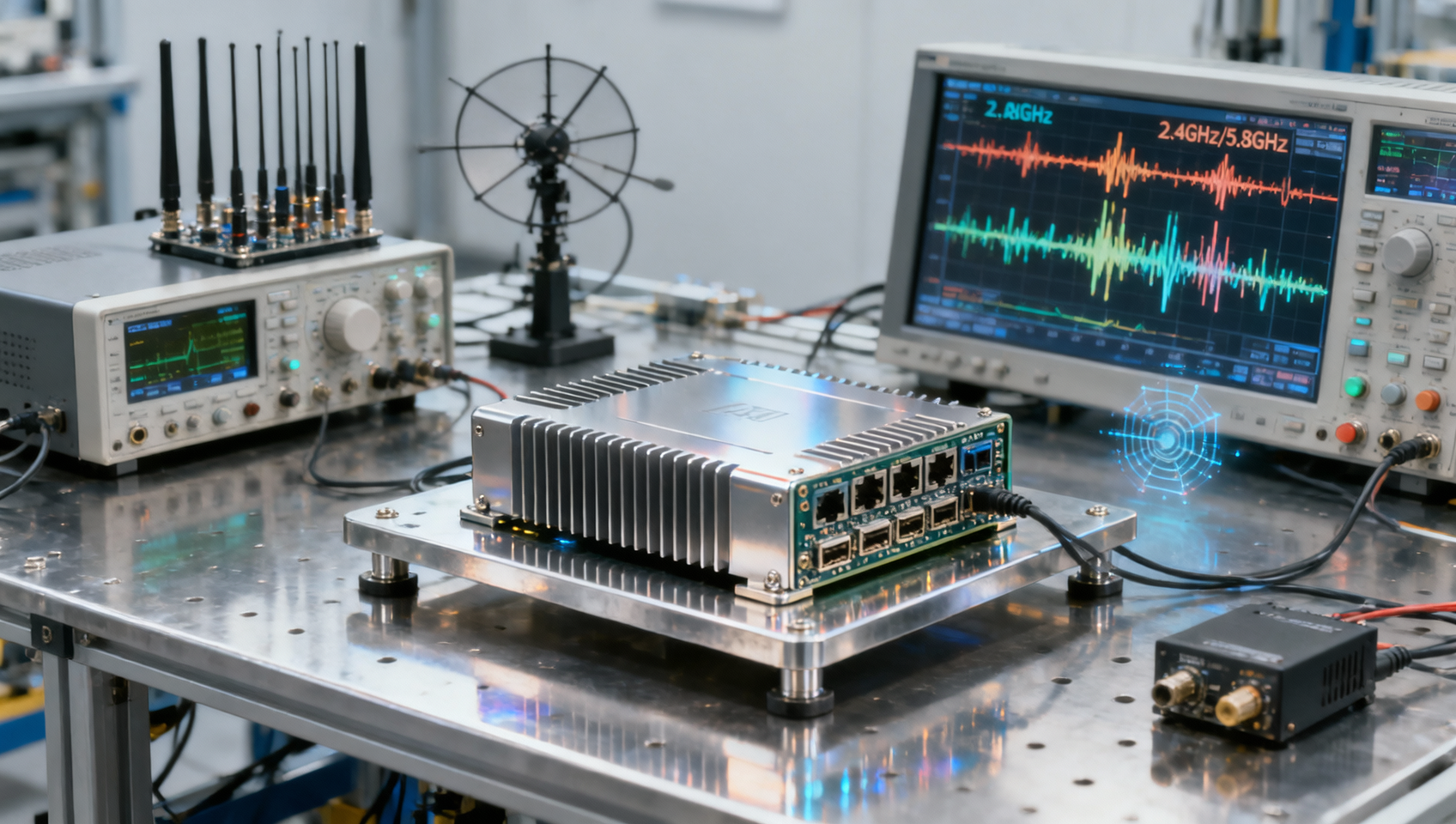
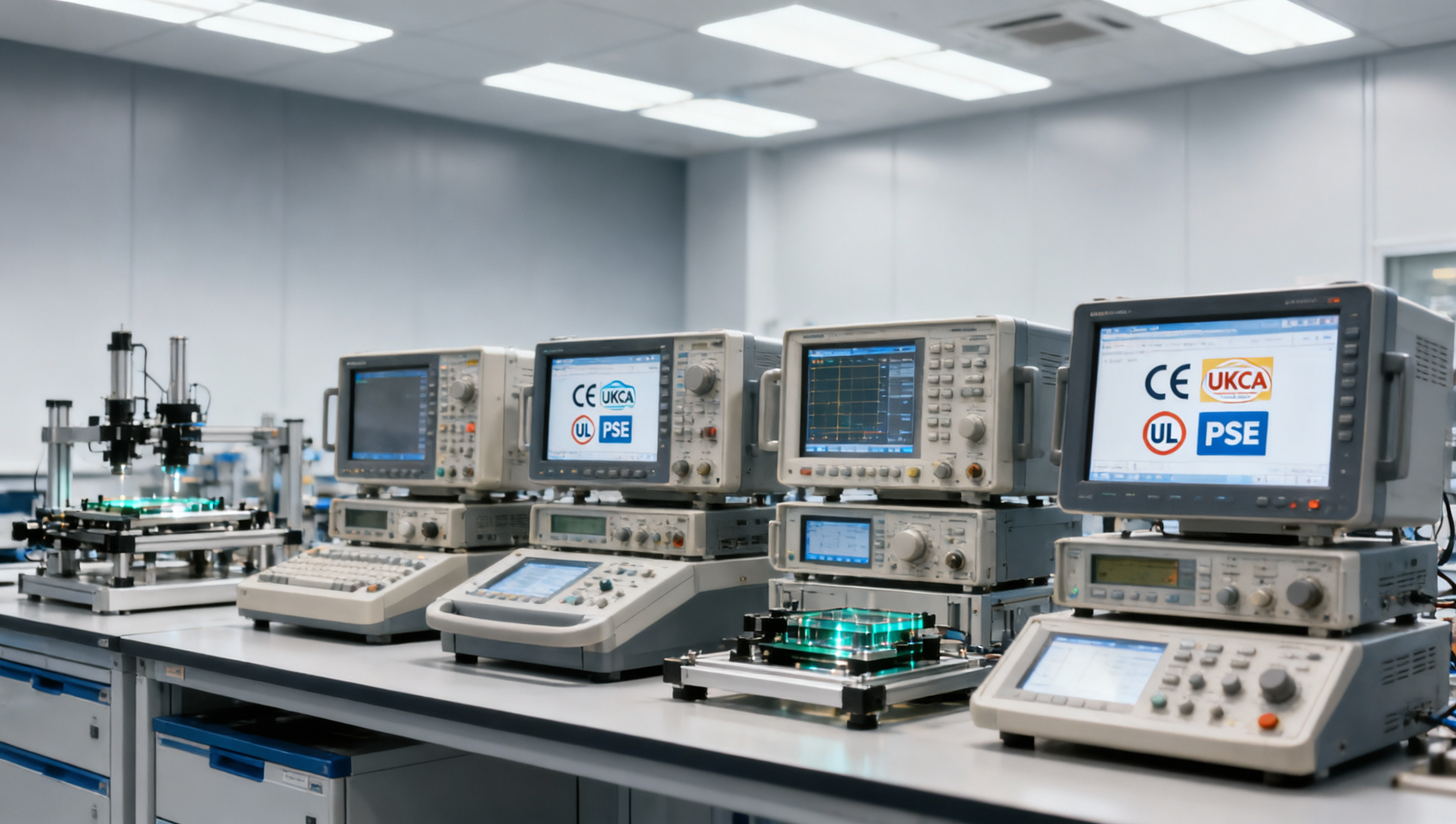
Labs supporting EU market access must now integrate AI module functionality monitoring into standard RF immunity test sequences (e.g., IEC 61000-4-3). This requires updated test scripts, real-time inference performance logging, and defined pass/fail criteria for AI behavior under disturbance — capabilities not previously standardized in TR-EMC-IoT.
Supply Chain Integrators (e.g., System Integrators, Edge Solution Vendors)
Entities assembling or certifying multi-vendor IoT systems (e.g., combining third-party sensors with proprietary gateways) must verify that each AI-enabled component meets v3.1. Their compliance responsibility extends beyond their own hardware to supplier documentation and test reports — increasing due diligence and technical review overhead.
What Relevant Enterprises or Practitioners Should Focus On — And How to Respond
Monitor official interpretation guidance from TÜV Rheinland
TÜV Rheinland has not yet published application notes or test procedure addenda for the AI module immunity requirement. Enterprises should track updates via TÜV’s official technical bulletins and scheduled webinars — particularly regarding acceptable metrics (e.g., inference latency drift, accuracy drop thresholds) and test setup configurations.
Prioritize verification for devices with embedded AI inference at the edge
The requirement applies only where AI inference occurs locally (not cloud-only). Companies should audit product portfolios to identify affected SKUs — especially those using low-power MCUs with TinyML or compact NPU IP blocks. Devices relying solely on cloud-based AI remain outside this scope per current v3.1 wording.
Distinguish between regulatory signal and immediate implementation burden
This is a certification requirement, not a legislative act. It binds only products submitted to TÜV Rheinland for CE-related EMC assessment. Other Notified Bodies may adopt similar requirements later, but no harmonized EU regulation (e.g., EN standard) currently mandates AI-specific immunity — making TÜV’s v3.1 a de facto market gate, not a legal mandate.
Update internal EMC validation protocols ahead of July 2026
Manufacturers should revise internal pre-compliance checklists to include AI module functional monitoring during RF immunity tests. Early alignment with labs on data capture methods (e.g., UART log streaming, inference output checksumming) avoids delays during formal assessment.
Editorial Observation / Industry Perspective
From an industry perspective, this update signals growing recognition that AI’s operational integrity — not just safety or data privacy — is becoming a critical dimension of hardware reliability in regulated markets. Analysis来看, it reflects a shift from treating AI as software-layer logic to acknowledging its hardware-coupled, real-time behavioral dependencies. Current more appropriate understanding is that TR-EMC-IoT v3.1 functions less as a finalized technical benchmark and more as an early-stage market signal — one that may influence future revisions of harmonized standards like EN IEC 61000-6-2/6-4 or even EU AI Act conformity assessments for physical AI systems. Continued observation is warranted on whether other certification bodies (e.g., TÜV SÜD, Dekra) issue comparable updates within the next 12 months.
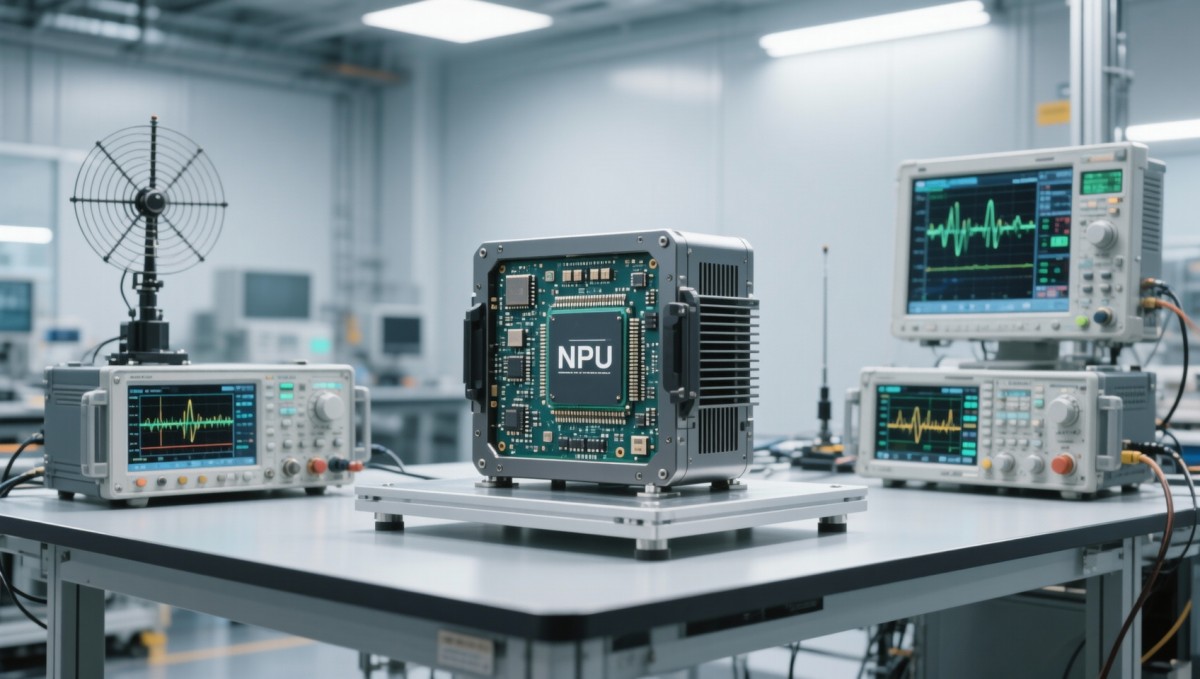
In summary, TÜV Rheinland’s TR-EMC-IoT v3.1 introduces a targeted, technically specific requirement rather than broad regulatory expansion. Its significance lies not in immediate legal enforceability across the EU, but in setting a precedent for how functional resilience of embedded AI will be assessed in safety- and reliability-sensitive domains. For stakeholders, the most rational interpretation is that this is a forward-looking compliance milestone — one requiring focused technical preparation, not wholesale strategic repositioning.
Source: TÜV Rheinland official announcement (April 22, 2026); TR-EMC-IoT v3.1 specification document (publicly released version).
Note: Ongoing developments — including official test method clarifications, adoption by other Notified Bodies, or integration into EU harmonized standards — remain subject to further observation.
Get weekly intelligence in your inbox.
No noise. No sponsored content. Pure intelligence.
 Apr 25, 2026Vietnam Enforces CN-EN Bilingual Safety Labels on Electronic Components from Apr 22, 2026Vietnam Enforces CN-EN Bilingual Safety Labels on Electronic Components from Apr 22, 2026
 Apr 25, 2026ANATEL Mandates Portuguese Offline Voice Assistants for Smart Home Devices in BrazilANATEL Mandates Portuguese Offline Voice Assistants for Smart Home Devices in Brazil
 Apr 25, 2026India BIS Mandates IS 13252:2025 for PLCs & HMIs by Oct 2026India BIS Mandates IS 13252:2025 for PLCs & HMIs by Oct 2026
 Apr 25, 2026SASO EV Charger Rules: Grid Compatibility & Sand Resistance RequiredSASO EV Charger Rules: Grid Compatibility & Sand Resistance Required
 Apr 25, 2026JIS T 0011:2026 Enforces IEC 62366-1:2024 for Rehab Devices in JapanJIS T 0011:2026 Enforces IEC 62366-1:2024 for Rehab Devices in Japan
 Apr 25, 2026THE Alliance Cuts Ningbo–Rotterdam Transit to 18 Days, +35% Spot RateTHE Alliance Cuts Ningbo–Rotterdam Transit to 18 Days, +35% Spot Rate
 Apr 25, 2026TÜV Rheinland Updates IoT EMC Standard: AI Edge Module Immunity Now MandatoryTÜV Rheinland Updates IoT EMC Standard: AI Edge Module Immunity Now Mandatory
 Apr 25, 2026USTR Launches Five-Year China Solar PV AD/CVD ReviewUSTR Launches Five-Year China Solar PV AD/CVD Review
 Apr 25, 2026EU New Battery Regulation Enters Force Apr 24, 2026EU New Battery Regulation Enters Force Apr 24, 2026
 Apr 25, 2026China Customs Launches RCEP Origin Smart Pre-Review for ASEAN机电 ExportsChina Customs Launches RCEP Origin Smart Pre-Review for ASEAN机电 Exports
 Apr 24, 2026India BIS Mandates IS 13252:2025 for PLCs & HMIs by Oct 2026India BIS Mandates IS 13252:2025 for PLCs & HMIs by Oct 2026
 Apr 24, 2026SASO EV Charger Regulation: Sand-Resistant Grid Compatibility Testing RequiredSASO EV Charger Regulation: Sand-Resistant Grid Compatibility Testing Required
 Apr 24, 2026Japan Updates JIS for Rehab Devices: IEC 62366-1:2024 Usability Compliance RequiredJapan Updates JIS for Rehab Devices: IEC 62366-1:2024 Usability Compliance Required
 Apr 24, 2026China Customs Launches RCEP Origin Smart Pre-Review SystemChina Customs Launches RCEP Origin Smart Pre-Review System
 Apr 24, 2026ANATEL Mandates Localized Voice Assistants for Smart Home Devices in BrazilANATEL Mandates Localized Voice Assistants for Smart Home Devices in Brazil
 Apr 24, 2026TÜV Rheinland Updates IoT EMC Standard with AI Edge抗扰度 RequirementTÜV Rheinland Updates IoT EMC Standard with AI Edge抗扰度 Requirement
 Apr 24, 20262M Alliance Shortens Ningbo–Rotterdam Route to 18 Days Amid 35% Slot Premium2M Alliance Shortens Ningbo–Rotterdam Route to 18 Days Amid 35% Slot Premium
 Apr 24, 2026Vietnam Enforces Bilingual Safety Labels for Imported Electronic Components from Apr 22, 2026Vietnam Enforces Bilingual Safety Labels for Imported Electronic Components from Apr 22, 2026
 Apr 24, 2026USTR Launches Sunset Review on China Solar PV AD/CVD DutiesUSTR Launches Sunset Review on China Solar PV AD/CVD Duties
 Apr 24, 2026EU New Battery Regulation Fully Effective Apr 24, 2026EU New Battery Regulation Fully Effective Apr 24, 2026
 Apr 23, 2026Taobao Factory Spark 3.0 Launches AI Workbench for SME Export FactoriesTaobao Factory Spark 3.0 Launches AI Workbench for SME Export Factories
 Apr 23, 2026TENENG Group Inspects IoT Safety Compliance at Jiangnan ChemicalTENENG Group Inspects IoT Safety Compliance at Jiangnan Chemical
 Apr 23, 2026China Launches First Embodied AI Open Data CommunityChina Launches First Embodied AI Open Data Community
 Apr 23, 2026PV Glass Prices Flat for 9 Weeks Amid Rising Integrated ProcurementPV Glass Prices Flat for 9 Weeks Amid Rising Integrated Procurement
 Apr 23, 20262984 NQI One-Stop Platforms Launched Nationwide2984 NQI One-Stop Platforms Launched Nationwide
 Apr 23, 2026China’s Green Smart Ship Tech Norms Accelerate BMS & Shore Power ExportChina’s Green Smart Ship Tech Norms Accelerate BMS & Shore Power Export
 Apr 23, 2026China Builds World's Largest Agri-Meteorological IoT NetworkChina Builds World's Largest Agri-Meteorological IoT Network